Lawn Aeration: Why, When and How to Aerate for Healthy Grass?
Lawn Aeration is a game changer while improperly aerated lawns could be costing you thousands in water bills and lawn care expenses. It promotes healthy, thriving grass by improving soil structure and moisture retention.
This article will guide you through the essentials of lawn aeration, including optimal timing and techniques to use for best results. By the end, you’ll have the knowledge you need to produce a lawn that’s not just green, but healthy and beautiful.
What Is Lawn Aeration?
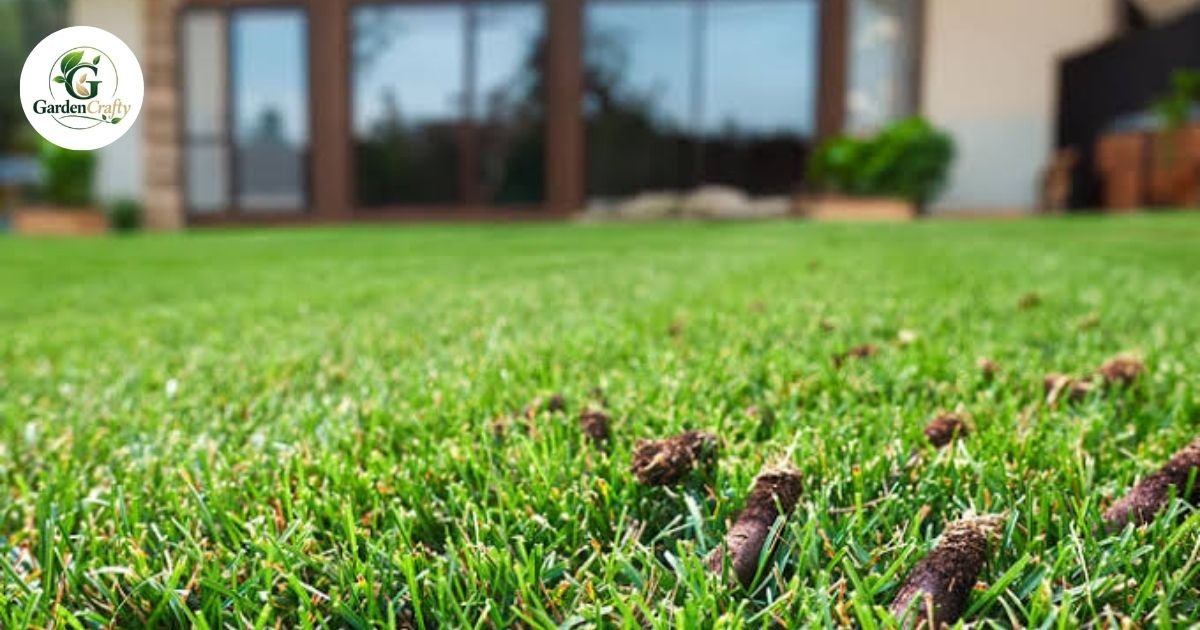
Lawn aeration is a crucial yet often overlooked practice in lawn care, designed to enhance grass health and vitality. Lawn aeration creates small holes in the soil, this process alleviates compaction from foot traffic, lawn mowers, and rain allowing air, water, and nutrients to penetrate the root zone more effectively.
The result is a thriving lawn that boasts deeper roots and increased tolerance to drought and disease. Many homeowners mistakenly believe that aeration is only necessary for troubled lawns, but even healthy grass can benefit immensely from this practice.
Regular lawn aeration promotes biodiversity in the soil, encouraging beneficial organisms to flourish, which in turn creates a natural ecosystem for your yard.
Why Aeration Helps Lawns?
Aeration is a game-changer for lawn health, fundamentally transforming the way grass thrives.
Deeper Root Growth: By breaking up compacted soil, aeration fosters deeper root growth, allowing roots to penetrate more easily and access essential nutrients. When roots can expand freely, lawn resilience increases, paving the way for lush green patches even in the face of drought or heavy foot traffic.
Better Water Absorption: Better water absorption is another benefit of aeration. Without intervention, compacted soil can form a barrier, preventing water from deeply infiltrating the ground. Post-aeration, water can seep into the soil more efficiently, reaching the grass’s roots where it’s needed most.
Improved Fertilizer Results: Improved fertilizer results are vital; with aerated soil, nutrients are more readily available to grass roots, enhancing the effectiveness of your fertilization efforts and yielding a healthier, more vibrant lawn.
This synergy between water, nutrients, and root health creates an unstoppable expressway to a thriving green sanctuary.
Thicker Grass: Aeration is the secret weapon for achieving lusher, thicker grass and minimizing bare spots in your lawn. By creating small holes in the soil, aeration allows air, water, and crucial nutrients to penetrate deeper, promoting healthier root growth.
This process alleviates soil compaction, a common issue that stifles grass development, making it essential for any homeowner seeking a vibrant yard.
Regular aeration not only reduces unsightly patches but also transforms your lawn into a lush landscape, inviting laughter, play, and leisure all summer long.
Signs Your Lawn Needs Aeration
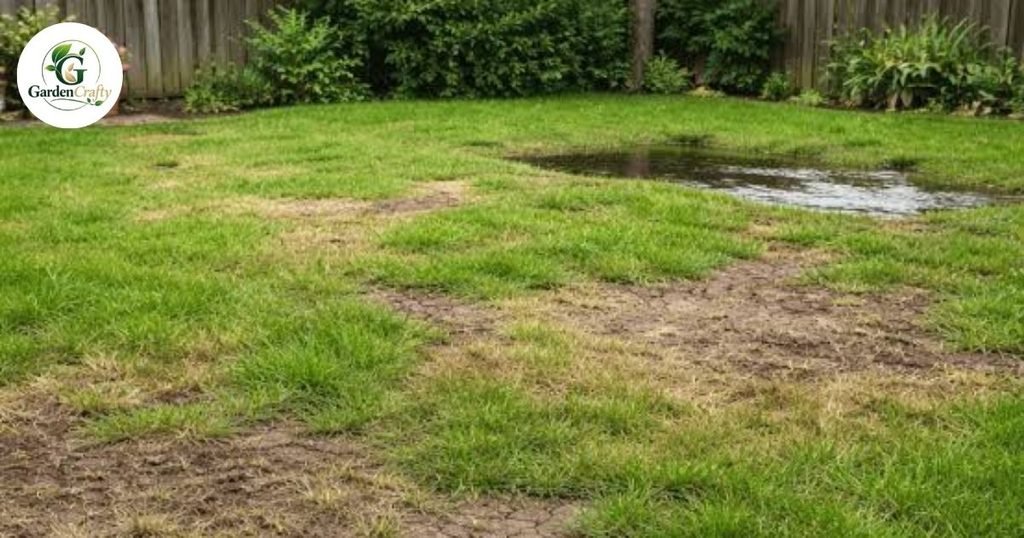
Water Pooling After Rain: A key sign of your lawn might need aeration is the presence of water pooling after rain. When the soil becomes compacted, it struggles to absorb moisture, leading to puddles that disrupt the health of your grass.
This stagnant water can invite pests and disease, making aeration not just beneficial, but essential for restoring your lawn’s vitality.
Soil Feels Hard Underfoot: Another sign is when the soil feels hard underfoot. This compacted soil restricts root growth and water penetration, leaving your grass thirsty and struggling to thrive.
Grass Stays Thin Despite Care: If you find that your grass stays thin despite your diligent care of regular watering, fertilizing, and mowing it may be time to reconsider your approach. Aeration can rejuvenate your lawn by allowing air, water, and nutrients to reach deeper roots.
Thatch Feels Thick And Spongy: When thatch feels thick and spongy underfoot, it can hinder the absorption of water and nutrients, making it essential to consider aeration. This process creates small holes in the soil, allowing air to circulate and promoting a healthier root system, which is crucial for overall lawn vitality.
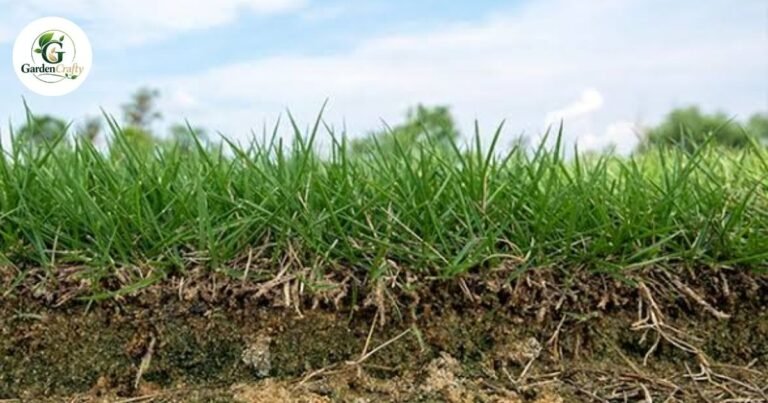
Roots Stay Close To The Surface: Your lawn needs attention if the roots stay close to the surface. Shallow roots indicate your grass is struggling to establish a strong foundation, often due to compacted soil. Aeration breaks this compacted layer, enabling roots to dig deeper and anchor more securely, producing a thicker and more resilient turf.
Simple Soil Compaction Test You Can Do at Home
A simple yet effective soil compaction test can be performed right in your backyard using just a screwdriver or a garden stake.
Low Soil Compaction:To start, select an area where you’ve noticed issues with drainage or plant growth. Insert the screwdriver or garden stake into the moist soil, applying a steady downward force. If it penetrates easily, your soil is likely well-aerated and healthy.
Soil Is Compacted: If it meets considerable resistance, this may indicate compaction issues that could impede root development and water absorption. If penetration stops after 2–3 inches, aeration is likely needed.
When to Aerate Your Lawn?
Aerating your lawn is a crucial step in promoting a vibrant and healthy landscape, but timing is everything.
Cool-Season Grasses
For those with cool-season grasses, such as Kentucky bluegrass and fescue, the ideal window for aeration falls in early spring or early fall. During these seasons, the soil is typically moist, allowing the aeration process to facilitate better nutrient absorption and root development.
The cooler temperatures also help to minimize stress on the grass, signaling it to bounce back more vigorously.
Warm-Season Grasses
If your lawn thrives on warm-season grasses, like Bermuda or Zoysia, the best time to aerate is during the late spring to early summer, when these grasses are actively growing. This is when they can quickly recover from the disruption caused by aeration.
Targeting aeration during peak growing season enables your warm-season turf to establish stronger roots and make the most of summer rains.
Best Time to Aerate by U.S. Region
Northern States: In the Northern states, where cool-season grasses dominate, the ideal time to aerate is during early spring or early fall. This timing allows grass to recover quickly from the aeration process, as temperatures are moderate and rainfall is often plentiful.
Aerating in these seasonal windows not only enhances water infiltration but also promotes deeper root growth, setting the stage for a lush, green lawn by summer.
Southern States: In contrast, the Southern states thrive on warm-season grasses, making late spring to early summer the prime season for aeration. During this period, the grass is actively growing, which allows it to heal rapidly from the aeration process.
Scheduling aeration just before a good rain can further amplify its effects, ensuring that nutrients reach the roots and winter’s toll is effectively countered.
Transition Zone: For the Transition Zone, where both warm- and cool-season grasses coexist, timing becomes a balanced dance.
Late spring offers an excellent opportunity for those leaning towards warm-season varieties, while early fall caters to the cool-season aficionados. Aerating in Fall and Late Spring works best for active grass growth.
How to Aerate a Lawn
Aerating your lawn can significantly improve its health and vitality, especially when you choose between core aeration and liquid aeration.
| Method | Best For | How It Works | Cost Range | Effectiveness | Limitations |
|---|---|---|---|---|---|
| Core Aeration | Hard or compacted soil | Removes small plugs of soil to improve air, water, and nutrient movement | $75–$300 | Highly effective for compaction | Requires equipment; leaves soil plugs |
| Liquid Aeration | Light compaction | Helps loosen soil particles and improve water penetration | $20–$60 | Best for mild compaction | Less effective for severely compacted soil |
Core Aeration
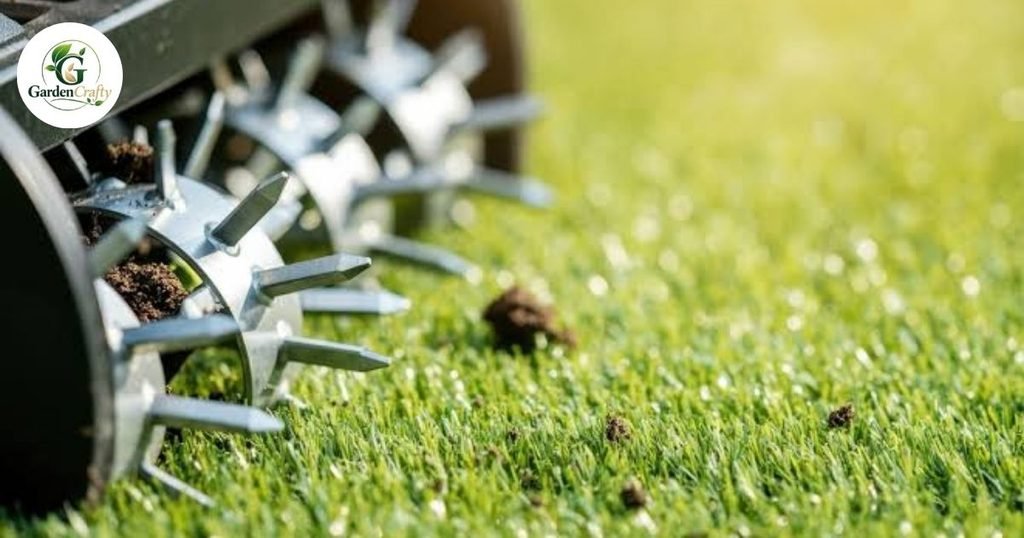
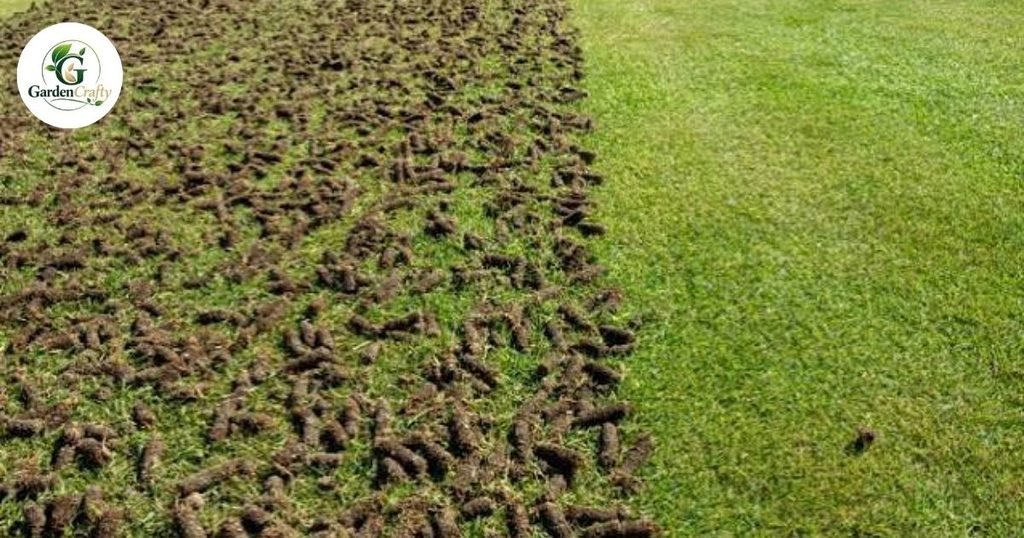
Core aeration involves removing small plugs of soil from the ground, which allows air, water, and nutrients to penetrate deeper into the root zone.
Breaks Up Compacted Soil: This method is particularly effective in compacted soils, and timing your aeration during the growing season ideally in the fall or spring can enhance your lawn’s recovery and overall growth.
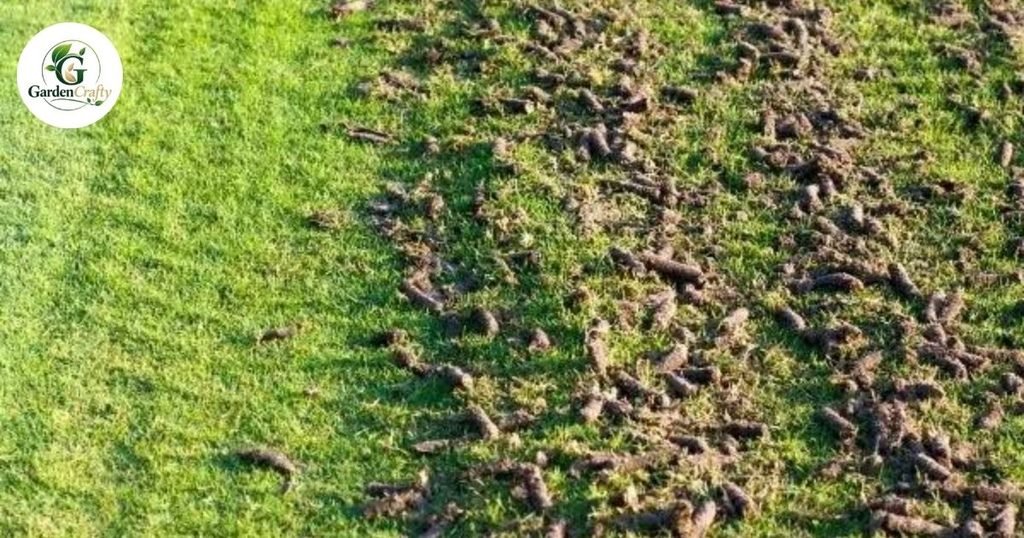
Improves Drainage: This not only improves drainage but also promotes a more robust root system, ultimately leading to a lush and thriving landscape.
Gives Lasting Results: With improved soil structure, grass roots can better access moisture and nutrients, resulting in lasting results that endure throughout the seasons.
Liquid Aeration
Liquid aeration is a newer technique gaining popularity for its ease and efficiency.
Light Compaction: This method utilizes a specially formulated liquid solution that works to break down compacted soil at a microscopic level, promoting root growth without the heavy machinery required for core aeration.
Small Lawn: Liquid aeration can be applied anytime, making it a flexible option for homeowners looking to boost their lawn’s health without interrupting their outdoor activities. Liquid aeration is rapidly emerging as a game-changer for small lawns struggling with light compaction.
How Often Should You Aerate?
Aerating your lawn is a crucial step in maintaining its health and vitality.
Once per year for most lawns: For most lawns, once per year is sufficient to alleviate soil compaction and enhance nutrient absorption.
Twice per year for heavy traffic areas: If your yard sees heavy foot traffic from kids, pets, or outdoor gatherings, consider aerating twice per year to combat the increased wear and tear and promote robust root development. This proactive approach can significantly enhance the overall aesthetics and health of your outdoor space.
Every two to three years for healthy soil: Well-established lawns with healthy soil may not require annual aeration. Instead, every two to three years can be sufficient for these resilient landscapes, allowing crucial microorganisms to thrive. This less frequent aeration not only saves time and effort but also respects the natural balance within your lawn.
Lawn Aeration Cost in the USA
The cost of lawn aeration in the USA varies significantly depending on factors like location, lawn size, and whether you choose professional aeration or a DIY approach.
Professional aeration
- Small lawns: $75–$120
- Medium lawns: $120–$180
- Large lawns: $180–$300
DIY aeration
- Machine rental: $40–$90 per day
- Manual tools: $25–$60
DIY Aeration vs Professional Aeration
DIY aeration can save money for small lawn areas, while professional aeration offers better results for large or heavily compacted lawns with specialized equipment.
DIY Aeration
Aerating your lawn doesn’t have to break the bank, especially if you opt for DIY methods.
Lower Cost: By using simple tools like a garden fork or a spike aerator, homeowners can effectively enhance soil health at a lower cost.
Good For Small Yards: This approach is particularly beneficial for small yards; you can easily target compacted areas without the need for bulky machinery.
Requires Time And Effort: It not only connects you with your outdoor space but also helps improve drainage and nutrient absorption. While the process does require time and effort, the results are well worth it.
Professional Aeration
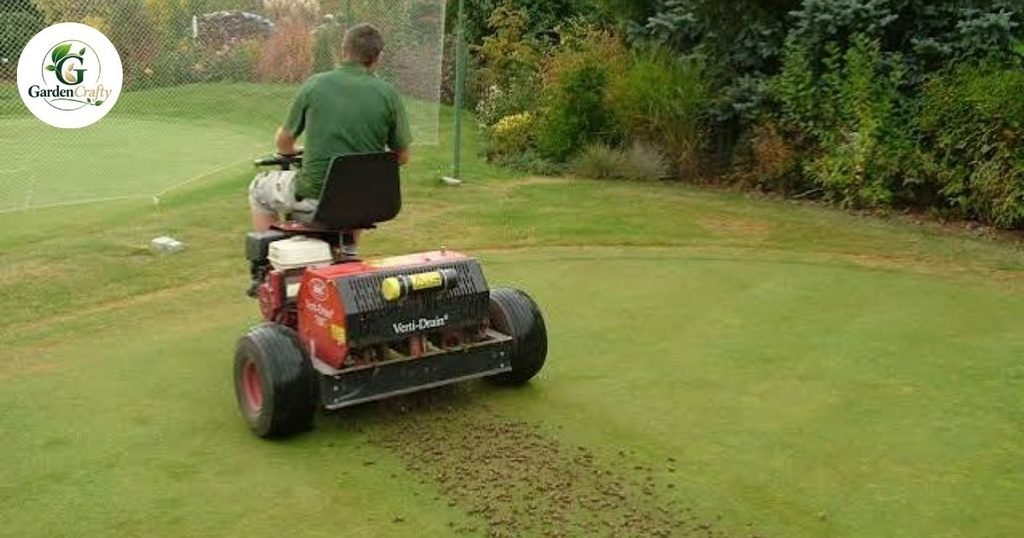
Professional aeration employs stronger machines designed to penetrate the soil more effectively than traditional methods.
Stronger machines: These advanced devices create variable-sized holes, ensuring that air, water, and essential nutrients reach deeper layers of soil.
Deeper Soil Relief: This deeper soil relief not only promotes healthier root growth but also enhances overall turf vitality, making your lawn lush and resilient against environmental stressors.
Faster Results: The speed at which professional aeration delivers results sets it apart from DIY approaches. Homeowners often wait weeks to see improvements, while professional services can stimulate visible changes within just days.
What to Do After Aeration
After aeration, your lawn is primed for revitalization, but it requires some strategic care to maximize its potential.
Water Deeply: First and foremost, water deeply. This is essential to help the soil settle and allow the grass roots to access nutrients more effectively. Aim to provide at least an inch of water per week, either through rain or irrigation, to encourage deep root growth that will ultimately strengthen your lawn.
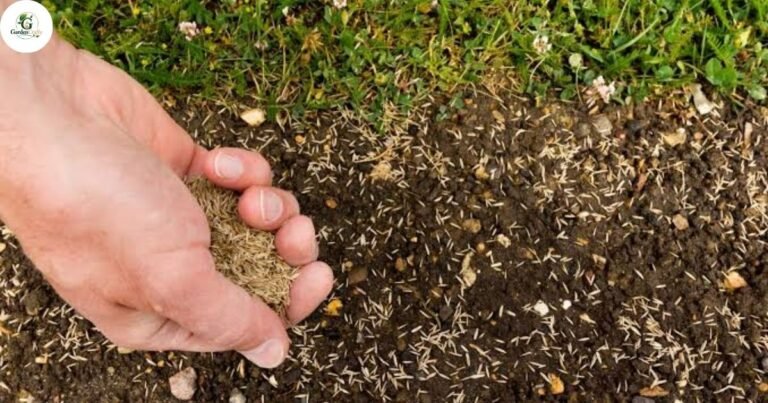
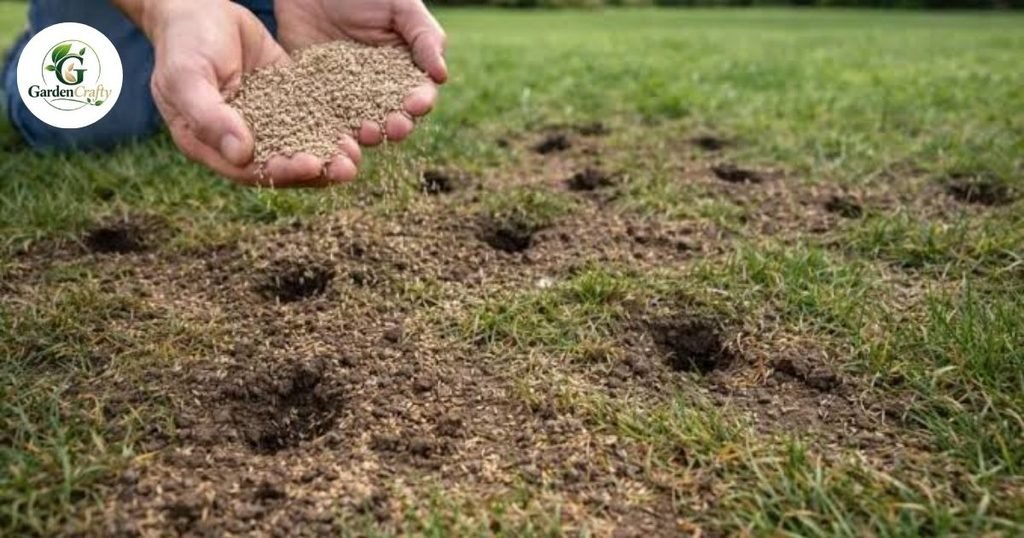
Overseed Thin Areas: In addition to deep watering, consider overseeding thin areas to ensure a lush, uniform lawn. This is not just an opportunity to fill in bare spots but also a chance to introduce new grass varieties that can better withstand pests or drought. Choose high-quality seed that matches your existing grass type for optimal blending.
Apply Fertilizer If Needed: If your soil test indicates a nutrient deficiency, this is the ideal time to apply fertilizer.
The exposed soil and improved airflow from the aeration process will allow nutrients to penetrate deeply, nourishing your grass as it starts to heal and rejuvenate. Look for a balanced, slow-release fertilizer that complements your lawn’s specific needs.
Limit Foot Traffic For Few Days: To amplify the benefits of aeration, limit foot traffic for a few days. This gives the grass a chance to recover without the stress of compression, which can hinder root growth.
While it might be tempting to walk through your revitalized lawn, consider creating designated paths or using mats to protect the freshly aerated areas.
How Long Aeration Results Take to Show?
Understanding the typical recovery timeline after aeration can be pivotal for homeowners eager to see results.
Typical recovery timeline:
- Week 1–2: Holes begin closing and soil settles
- Week 2–4: Water absorption improves
- Week 4–8: Grass density increases
In the following season, root depth and drought tolerance of the lawn will improve.
Aeration vs Dethatching vs Overseeding
Understanding the unique benefits of aeration, dethatching, and overseeding can transform your lawn care regimen.
Aeration Fixes Compacted Soil: Aeration fixes compacted soil by creating holes that allow air, water, and nutrients to penetrate deep into the root zone. This process is vital for revitalizing stressed lawns and ensures that grassroots receive the essential elements they need to thrive. Many lawns benefit from aeration before overseeding.
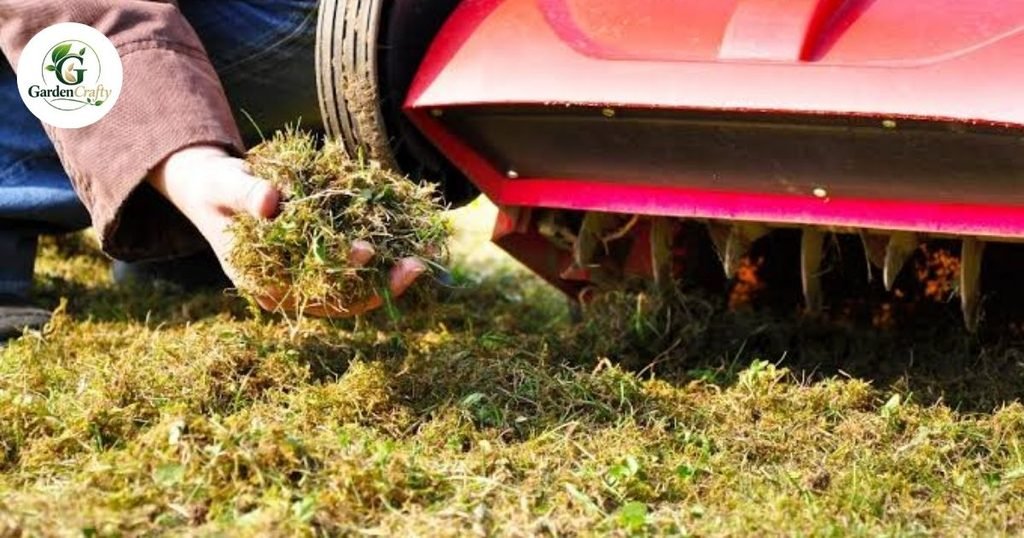
Dethatching Removes Dead Grass Buildup: On the other hand, dethatching removes dead grass buildup, clearing the way for healthy growth. This layer of thatch can stifle moisture and create an environment where pests thrive, so eliminating this barrier fosters healthier turf.
Overseeding Fills Thin Or Bare Spots: When combined with overseeding, which fills thin or bare spots with new grass seed, you create a lush, vibrant lawn that’s not only beautiful but also resilient. Each practice complements the others, working in harmony to cultivate rich, thriving outdoor spaces.
Should You Dethatch Before Aeration?
Dethatching before aeration isn’t always needed, and understanding your lawn’s unique condition is crucial.
Dethatch Before Aeration If:
- Dethatching before aeration can be a game changer for your lawn’s health, especially when thatch is thicker than half an inch.
- When you notice your lawn feeling spongy underfoot, it’s often a sign that excessive thatch is stifling vital processes.
- Dethatching removes this barrier, allowing water, nutrients, and air to penetrate deeper into the soil.
- When water can finally reach the soil instead of pooling atop thatch layers, your lawn will thrive turning a spongy, unhealthy expanse into a lush green carpet.
Skip Dethatching If:
- If your lawn looks healthy and the thatch layer is thin, typically under half an inch you might want to skip the dethatching process altogether.
- Dethatching can stress the grass, disrupting root systems and possibly leading to more issues than it solves.
- In such cases, focusing on aeration can be more beneficial, enhancing air and nutrient penetration without the need for aggressive dethatching.
Common Aeration Mistakes
A common mistake in aerating dry soil is neglecting to sufficiently hydrate it beforehand.
Aerating Dry Soil: Dry soil can become so compacted that aeration becomes ineffective, leading to minimal benefits for root growth. Watering the lawn a day or two before aeration can soften the ground, creating an optimal environment for those holes to permeate deep into the soil, maximizing the air exchange that roots crave.
Aerating Muddy Soil: Aerating muddy soil is equally problematic. Many homeowners mistakenly tackle aeration following heavy rainfall. Muddy soil can easily clump, leading to more harm than good. Instead of improving drainage and aeration, you might find yourself creating further compaction, ultimately stunting grass growth.
Aerating During Heat Stress: Timing is everything, especially when it comes to aerating during periods of heat stress. Many believe that aeration should occur anytime the grass appears tired, failing to realize that summer heat can amplify stress on grass roots. Instead of aerating during peak summer, consider early spring or early fall when temperatures are more moderate.
Using Spike Aerators Only: Relying solely on spike aerators can create holes in the soil, they often compact the surrounding earth, which can hinder root growth and nutrient absorption.
Instead, consider using a core aerator, which removes plugs of soil, allowing for better airflow and water penetration. This not only promotes healthier grass but also enhances soil structure over time, leading to a more vibrant lawn.
Aerating Too Often: Another common error is aerating too often. It’s easy to assume that more frequent aeration will yield better results, but this can actually lead to unnecessary stress on your lawn. Over-aerating can disrupt the soil ecosystem, making it difficult for beneficial organisms to thrive.
Aeration and New Lawns
The new lawn needs time to set before aeration to begin.
Do Not Aerate Lawns Under One Year Old: Aerating a lawn can work wonders for established turf, but when it comes to new lawns, caution is key. It’s vital to remember that you should not aerate lawns under one year old.
Roots Are Still Developing: During this crucial early stage, roots are still developing, striving to anchor firmly in the soil. Disrupting this process can stifle growth rather than encourage it, potentially leading to less resilient grass.
Aeration May Damage Young Grass: Many new homeowners are eager to jump into lawn care, but premature aeration may damage young grass. Instead of benefiting from improved air and nutrient flow, newly sown seeds may suffer setbacks that could haunt them for seasons to come.
Continue Your Lawn Care Journey
- If your lawn has bare patches or thinning grass, it’s worth looking into the Benefits of Overseeding. It covers how introducing new seed thickens turf, crowds out weeds, improves drought and foot-traffic resilience, and boosts soil health, plus timing tips and common mistakes to avoid for the best results.
- If you’re in a warmer climate and want a lush, weed-resistant lawn, our guide to Zoysia Grass walks through choosing between coated and uncoated seed, the different varieties like Japonica, Matrella, and Tenuifolia, plus planting timing, soil prep, and the best fertilizer blend to keep it thriving.
- Wondering if your lawn will fill in on its own? Our guide on Will Grass Spread on its Own breaks down which grasses, like Bermuda, Zoysia, and Kentucky bluegrass, spread naturally through rhizomes and runners, why others such as fescue and ryegrass depend on reseeding, and what actually speeds up bare-spot recovery.
- Not sure if what’s growing in your yard is Kentucky bluegrass? Our guide on What Kentucky Bluegrass looks like covers its telltale boat-shaped leaf tips, fine texture, and rich green color, how to tell it apart from fescue and ryegrass, and how its appearance shifts across the seasons.
- Not sure if that patch in your yard is grass or an unwanted invader? Our guide on the Difference Between Weeds and Grass breaks down leaf shape, vein patterns, and growth habits, and covers broadleaf weeds, grassy weeds, and sedges, so you can spot what’s really growing before choosing how to treat it.
Final Thoughts
Regular lawn aeration is a key practice in promoting lush and resilient grass. Knowing when to aerate whether in spring or fall can make all the difference in how your lawn performs throughout the year.
By carefully selecting the right lawn aeration method and following up with care, you can enhance root growth and improve water absorption. Invest time into your lawn care routine, and you’ll reap the rewards of a beautiful, healthy yard.
FAQs
Does Aerating a Lawn Actually Help?
Yes, aerating a lawn actually helps. It fixes hard, packed dirt so air, water, and food can reach the grass roots. This makes roots grow deeper and keeps your grass thick and green.
What is the Best Method to Aerate Your Lawn?
The best way to aerate a lawn is by using a gas-powered or manual core (plug) aerator that pulls out small soil plugs 2 to 3 inches deep.
What Happens if I Don’t Aerate My Lawn?
If you do not aerate a compacted lawn, the soil becomes too dense for air, water, and nutrients to reach the grass roots. This leads to shallow root systems, poor drainage, thin and patchy turf, and an increase in weeds.
How Long Does it Take to See Results From Aerating a Lawn?
Most lawns show visible results from aeration within 2 to 4 weeks. While water and air start moving freely into the soil immediately, the surface takes a short time to recover as the leftover soil plugs break down and the grass responds to the boost in nutrients.
What Are the Three Types of Aeration?
The three main types of lawn aeration are core (plug) aeration, spike aeration, and liquid aeration. These methods break up hard ground so water, air, and food can reach grass roots.
How Many Times do I Aerate my Lawn?
Most lawns benefit from core aeration once a year or once every 1 to 3 years, depending on your soil type and foot traffic. Lawns with heavy clay soil or a lot of use need it annually, while loose, sandy soils can go 3 years or longer.