How to Get Rid of Clover in Your Lawn? A Brief Guide
Clover may be a friend to bees, but for many lawn enthusiasts, it’s unwelcome greenery that detracts from a vibrant yard. If you’ve noticed clover invading your grass, it’s crucial to know how to get rid of clover effectively.
This article will provide you with essential tips and tricks on how to get rid of clover in your lawn. By following our advice, you’ll be well on your way to achieving a lush, clover-free lawn that you can proudly showcase.
What Is Clover?
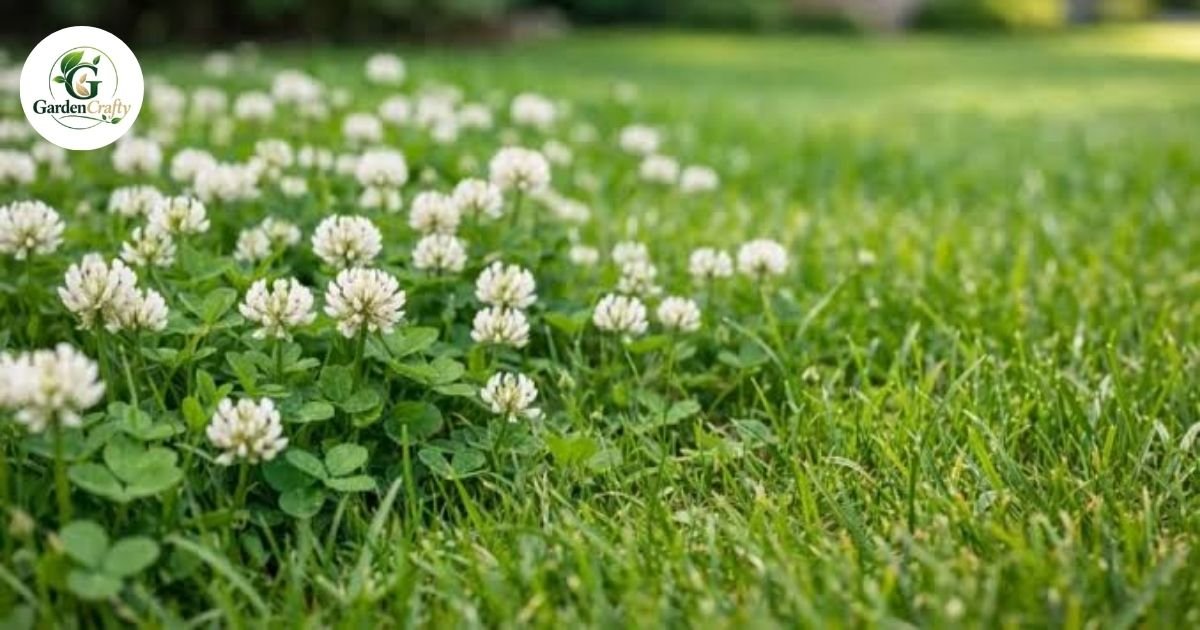
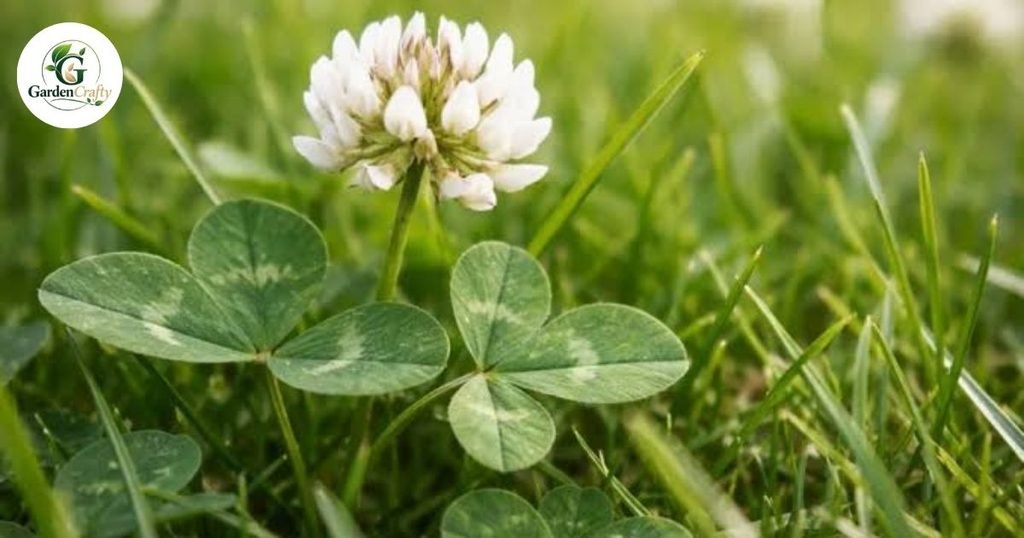
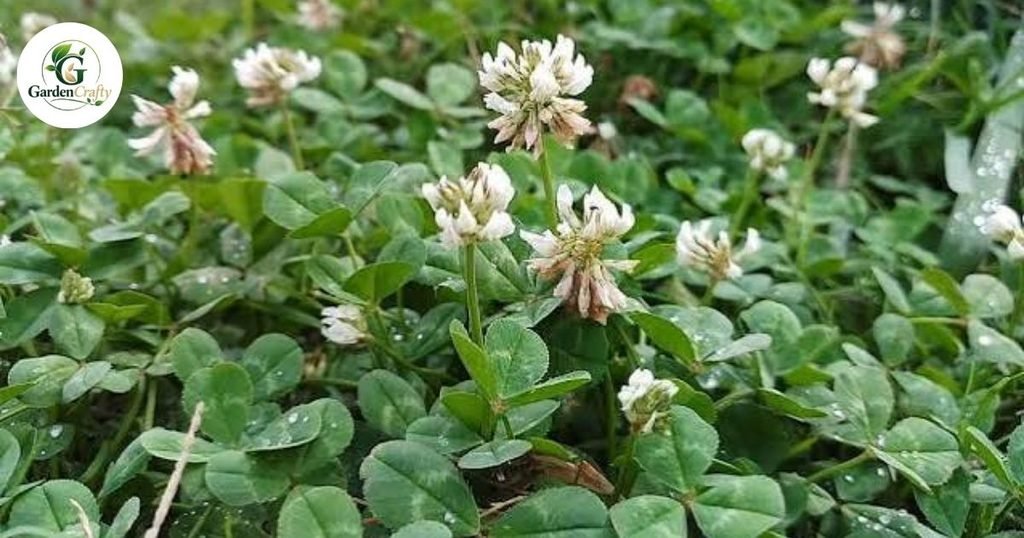
Clover is a broadleaf weed characterized by its distinctive three rounded leaflets. Common types, White Clover, often adds a splash of green to lawns while also serving as a vital food source for pollinators such as bees and butterflies.
Clover has a remarkable ability to enrich soil with nitrogen due to its symbiotic relationship with rhizobia bacteria, making it a beneficial component in sustainable gardening and agriculture.
This resilient species spreads through creeping stems and seeds, forming lush patches that can transform barren ground into fertile ecosystems.
Its ability to fix its own nitrogen is a remarkable adaptation, allowing it to thrive even in poor soil conditions where many other plants struggle. This natural process not only benefits clover but also enriches the surrounding soil, enhancing nutrient availability for neighboring plants.
Why Clover Grows in Lawns
Clovers appear when grass is weak. Common causes include:
Low Nitrogen in Soil: Clover often finds its way into lawns as a natural response to environmental conditions, thriving particularly in areas where soil is low in nitrogen. This perennial favorite is not just a weed; it’s a nitrogen-fixing plant that enriches the soil, making it a beneficial companion to grasses.
Thin or Bare Areas: In lawns where nutrient density suffers, clover steps in, turning seemingly barren patches into lush green spots. This resilience is especially notable in thin or bare areas of grass, where clover can flourish due to its ability to adapt and create a vibrant carpet where traditional grass may struggle.
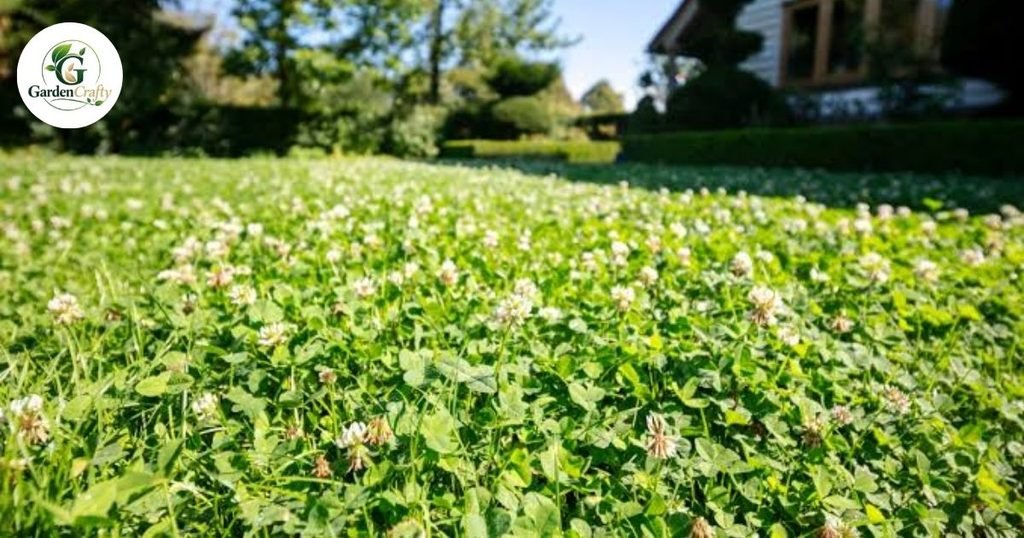
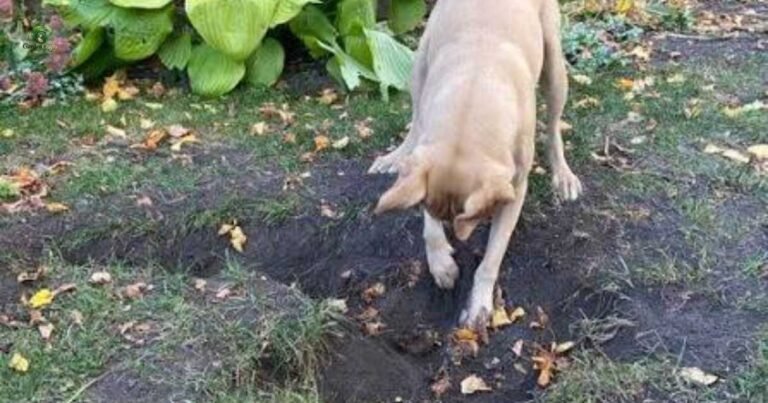
Soil Compaction: Soil compaction poses a significant challenge for many gardeners, rendering the ground less hospitable to traditional turf grasses. Clover, with its deep-reaching roots, is well-equipped to navigate these compacted soils, breaking them apart over time and improving overall aeration.
Cutting Grass too Short: Clover often thrives in lawns due to a combination of cutting grass too short and poor watering habits. When grass is mowed too low, it weakens the turf, creating a perfect opening for resilient clover to establish itself.
Poor Watering Habits: Unlike conventional grass, clover can flourish in poorer soil conditions and requires less water, making it an ideal competitor when your lawn’s health is compromised.
Clover thrives where grass is weak or struggling, often stepping in as nature’s resilient alternative. Its deep roots not only enhance soil aeration but also fix nitrogen, enriching the ground and promoting a lush, green environment. The presence of clover can serve as a signal for lawn health.
How to Identify Clover
Before treatment, confirm it is clover. White clover has:
Three Round Leaves: To identify white clover, start by examining its three round leaves, which often appear in clusters at the end of each stem. These leaves are not only distinctive but can be a source of folklore finding a four-leaf clover is considered a rare treasure.
A Pale Crescent Mark: Look closely for a pale crescent mark that adorns each leaf, a subtle but telling characteristic that sets white clover apart from other varieties.
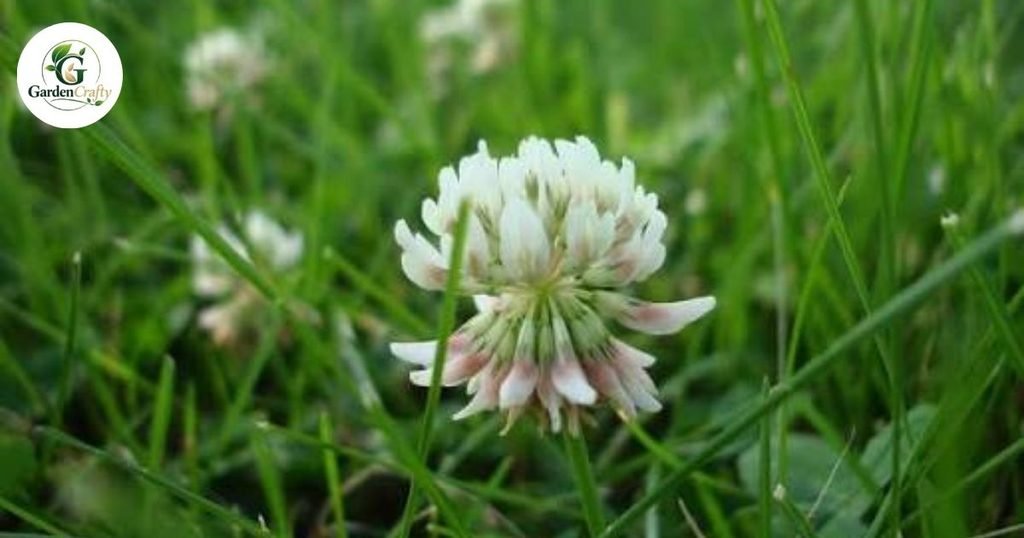
White or Light Pink Round Flowers: Next, focus on its blooming period, when the plant showcases clusters of white or light pink round flowers. These delicate blooms give white clover an ethereal quality, attracting bees and other pollinators, making it a lovely addition to gardens and meadows.
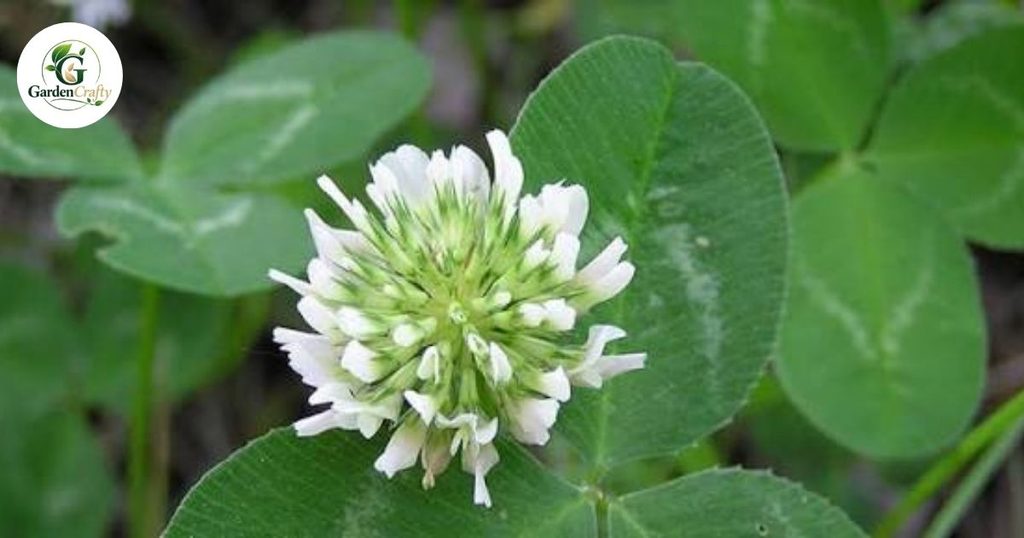
Low Spreading Growth: With its low spreading growth, white clover forms a thick, green mat that can enhance soil health by fixing nitrogen and preventing erosion. By familiarizing yourself with these unique traits, you’ll not only recognize white clover but also appreciate its ecological benefits.
Correct identification improves treatment results.
- Correct weed identification is essential for effective treatment; mistaking white clover for grassy weeds can lead to improper control measures.
- While broadleaf weeds like clover require targeted herbicides specifically designed to disrupt their growth, grasses usually need different solutions to manage them effectively.
- By mastering the nuances of weed identification, you not only fine-tune your gardening strategies but also contribute to a healthier ecosystem, as clover can attract beneficial pollinators and improve soil health.
How to Get Rid of Clover Naturally
Natural clover control focuses on simple lawn care practices that remove clover while strengthening grass to prevent it from returning.
Pull It Out by Hand
Pulling clover out with your hand is best for light growth.
Water Soil First: To effectively tackle clover in your garden, start by watering the soil first to soften the ground. This simple step not only makes it easier to pull the clover by hand but also ensures you can extract as much of the root system as possible.
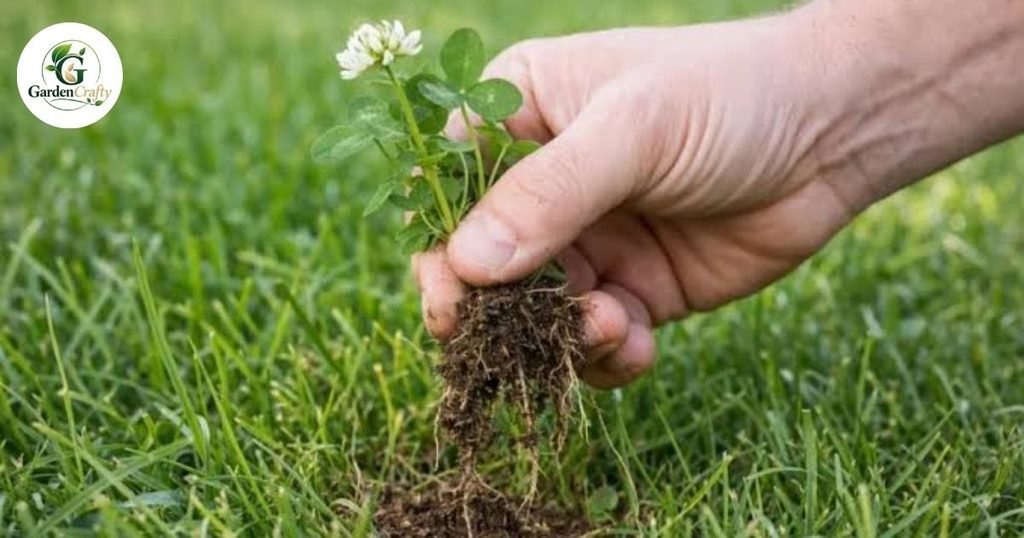
Pull Slowly to Remove Roots: As you begin to pull, do so slowly to avoid breaking the stems. This method allows you to gently remove clumps of clover while reducing disturbance to the surrounding soil.
Fill the Area With Grass Seed: After you’ve cleared the area, it’s essential to fill it with grass seed to promote healthy growth and prevent weeds from scheming a comeback.
By enhancing your lawn with a thick layer of grass, you not only outcompete clover but also create a lush, vibrant landscape that thrives naturally.
Adjust Your Mowing Height
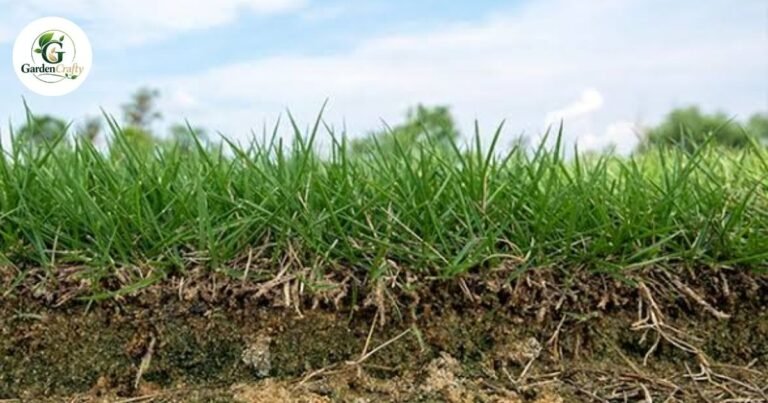
Adjusting your mowing height isn’t just a matter of aesthetics; it’s a crucial strategy for maintaining a healthy cool-season lawn. Aim for a cutting height of 3 to 4 inches, as taller grass not only enhances your lawn’s appearance but also plays a pivotal role in blocking sunlight from reaching weeds like clover.
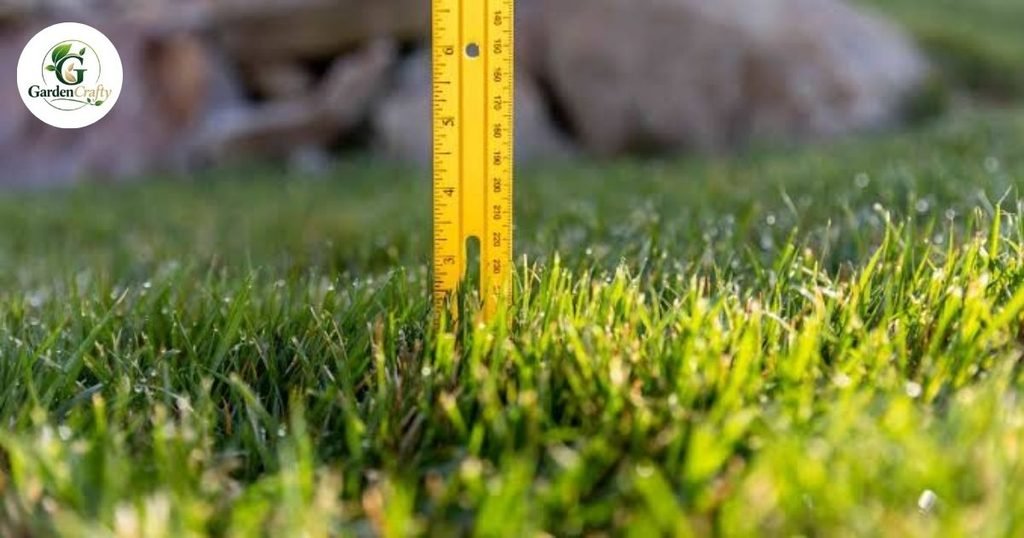
This extra height fosters a robust root system, leading to denser turf that can effectively crowd out unwanted intruders while enhancing moisture retention in the soil.To get rid of clover naturally, consider integrating a few simple practices.
Beyond just adjusting your mowing height, enriching your soil with organic matter can create an environment where grass thrives over clover. Regularly aerating your lawn improves oxygen flow and nutrient absorption, further enhancing turf density.
Apply Corn Gluten Meal
Corn gluten acts as a pre-emergent. It helps prevent seed germination. It does not kill mature plants.
Apply in Early Spring: Applying corn gluten meal in early spring can be a game changer for those looking to naturally manage clover in their lawns. This organic herbicide acts as a pre-emergent, effectively preventing clover seeds from germinating while simultaneously providing essential nutrients to your soil.
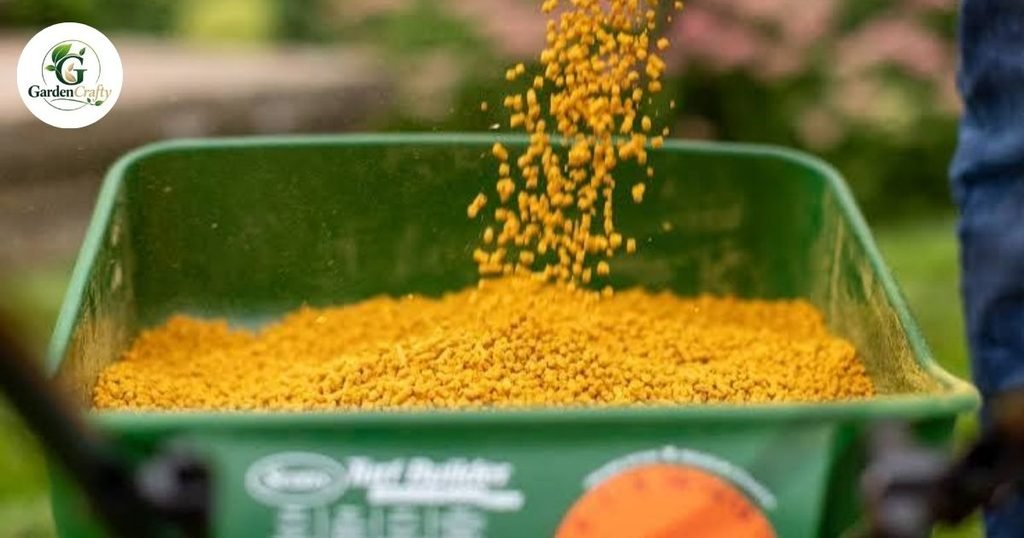
Water Lightly: To maximize its benefits, make sure to water lightly after application. This helps activate the cornstarch compounds that inhibit clover growth while nourishing your grass. It’s a win-win: you’re not only protecting your turf from unwanted weeds but also promoting a healthier lawn ecosystem.
Use a Vinegar Spot Spray
Harnessing the power of vinegar as a natural weed killer is an eco-friendly strategy that many gardeners can embrace.
Mix White Vinegar with a few Drops of Dish Soap: To tackle pesky clover, mix white vinegar with a few drops of dish soap in a spray bottle. This combination not only enhances the vinegar’s effectiveness but also helps the solution adhere to the clover leaves, ensuring maximum absorption.
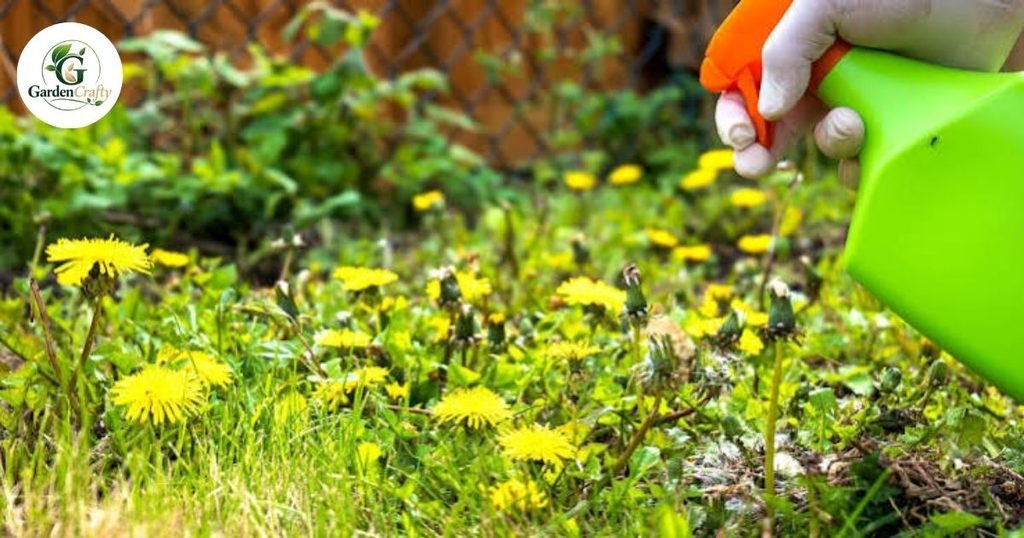
Spray Directly on Clover: When you’re ready to take action, aim your spray directly at the clover patches, being careful to avoid contact with your grass. It directly burns the leaf tissue naturally.
Vinegar is an acetic acid, it works best on sunny days, as the heat amplifies its weed-killing properties. This approach allows you to reclaim your lawn while maintaining a natural, chemical-free environment. Keep in mind that persistence is crucial; multiple applications may be necessary to fully eradicate clover.
Improve Soil Health Naturally
Healthy soil supports strong grass. To improve soil health naturally while dealing with clover, start by focusing on the fundamentals of soil vitality.
Apply Compost: Apply compost regularly to enrich the soil with beneficial microorganisms and nutrients. This organic matter not only feeds the soil but also supports a diverse ecosystem that can outcompete clover for resources.

When you feed with organic fertilizer, you’re providing essential nutrients in a way that aligns with natural processes, promoting a thriving, balanced environment.
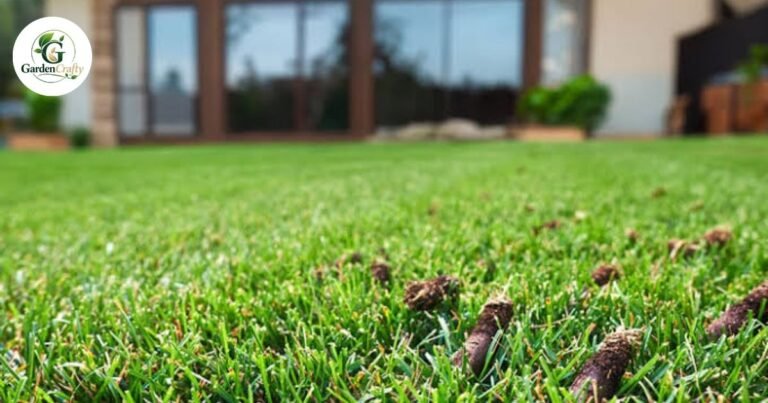
Aerate Compacted Soil: Aerating compacted soil is another crucial step. Compaction restricts root growth and limits oxygen flow, making it difficult for plants to thrive. By aerating, you allow air, water, and nutrients to penetrate deeper, giving desired plants the advantage they need over clover.
This holistic approach strengthens your garden’s resilience, promoting a vibrant habitat where clover struggles to take hold.
Remove Clover Flowers Before Treatment
Before using herbicide, remove flowers.
Mow to Cut off Blooms: If you’re tackling a clover problem, the first step is crucial: mow to cut off blooms. By eliminating the flowers, you not only prevent the plant from seeding but also disrupt its growth cycle, making subsequent treatments more effective.
Trim Flower Heads in Small Areas: For smaller, localized patches of clover, consider taking a hands-on approach and trim flower heads directly. This focused method minimizes disturbance to surrounding plants and allows you to target your efforts precisely where they’re needed most.
Wait 24 Hours Before Spraying: Once you’ve trimmed those pesky flowers, patience is key, wait 24 hours before spraying any herbicides. This short waiting period enhances the herbicide’s efficacy, ensuring it penetrates the clover’s foliage effectively and reduces the chances of it affecting nearby species.
By following these steps, you’ll foster a healthier garden ecosystem and reclaim your outdoor space with confidence.
How to Kill Clover With Herbicide
For large infestations of clover, using selective herbicides can be an effective strategy to reclaim your lawn or garden. These herbicides specifically target clover while leaving desirable grasses and plants unharmed, making them ideal for maintaining a healthy landscape.
Look for products containing:
- 2,4-D
- Dicamba
- MCPP
- Fluroxypyr
When applying herbicides, timing is crucial; the best results typically come during clover’s active growth phases in spring or early fall.
Best Time to Apply Herbicide
As fall approaches, it presents an ideal window for applying herbicides, especially for tackling persistent weeds like clover. In fall:
Clover Moves Nutrients into Roots: During this season, clover shifts its resources, moving nutrients into its roots as the plant prepares for dormancy.
Herbicide Reaches Deeper into the Plant: This nutrient transfer means that when herbicides are applied, they can penetrate deeper into the plant’s systems, enhancing their effectiveness in curtailing unwanted growth.
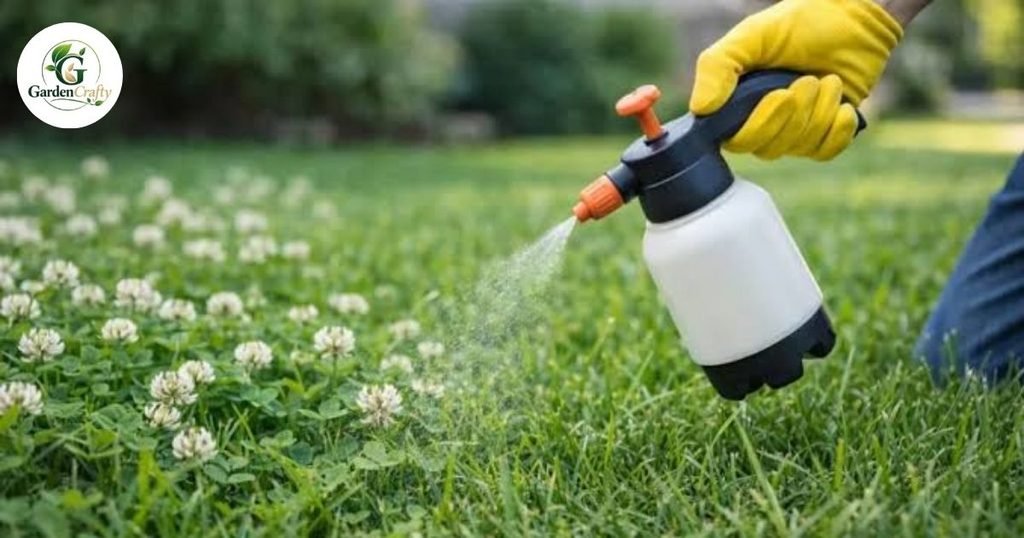
Cooler Weather Reduces Stress on Grass: Cooler temperatures further enhance this process by reducing stress on surrounding grass. As conditions grow less harsh, your lawn’s resilience improves, allowing it to capitalize on the herbicide treatment without suffering undue harm.
This strategic timing not only maximizes the herbicide’s impact but also promotes healthier grass growth, setting the stage for a lush lawn coming spring. Late spring works on young plants.
Safe Clover Control for Families and Pets
Managing clover in your yard while ensuring the safety of your family and pets requires a thoughtful approach.
Remove Flowers before Spraying: One effective method is to remove flowers before spraying any herbicides; this not only reduces the risk of accidental harm to beneficial pollinators but also helps you target the clover more effectively. By focusing on the leaves rather than the flowers, you’re effectively minimizing the impact on the local ecosystem.
Spray in Calm Weather: Timing is crucial when it comes to spraying chemicals. Make sure to tackle clover on calm days; windy conditions can lead to drift, causing unwanted exposure to nearby plants and areas where your kids and pets play. By monitoring the weather and choosing a clear day, you prioritise safety while maintaining a beautiful lawn.
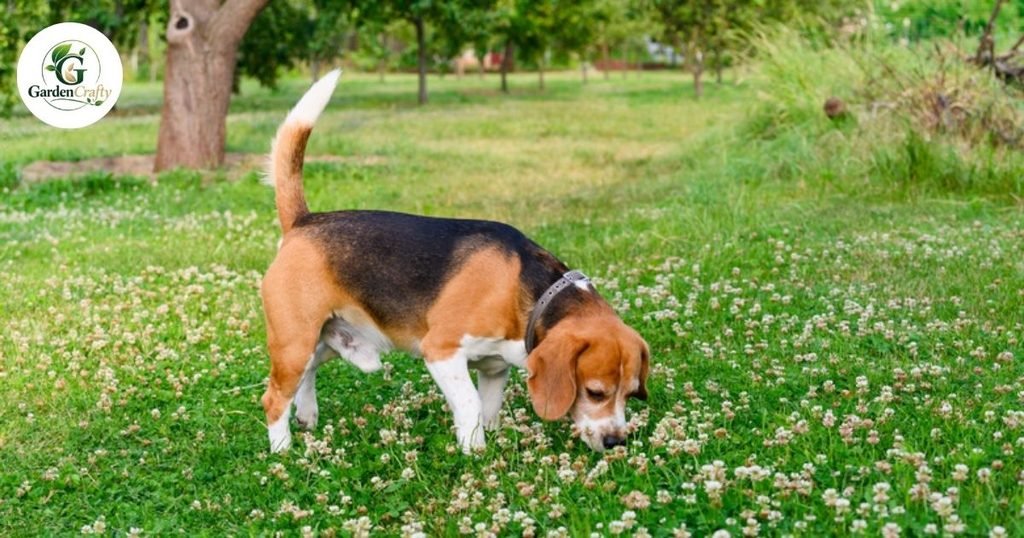
Keep Pets and Children off until Fully Dry: When tackling clover in your yard, it’s crucial to prioritize safety for both your family and pets. Many families are unaware that even organic herbicides can pose risks if not used correctly. Keep pets and children off treated grass until it is fully dry, as this prevents exposure to residual chemicals.
Consider natural alternatives, such as vinegar or boiling water, which can effectively manage clover without harsh chemicals. These eco-friendly options not only protect your loved ones but can also improve soil health over time.
What to Do If Clover Covers Half Your Lawn
If a clover dominates your yard, use a recovery plan.
- Mow high and remove flowers.
- Apply selective herbicide.
- Wait two to three weeks.
- Apply second treatment if needed.
- Rake out dead material.
- Overseed bare areas.
- Fertilize to support new grass growth.
How to Repair Bare Spots After Removing Clover
After removing clover from your lawn, you’ll likely notice some bare spots that need attention.
Loosen Soil with a Rake: To begin the repair process, loosen the soil with a rake to prepare the area for new growth. This not only aerates the soil but also helps create a better environment for seeds to take root.
Add Fresh Topsoil if Needed: If the soil appears compacted or lacking in nutrients, this is the perfect time to add fresh topsoil. A nutrient-rich layer will provide a solid foundation for your grass seeds to thrive.
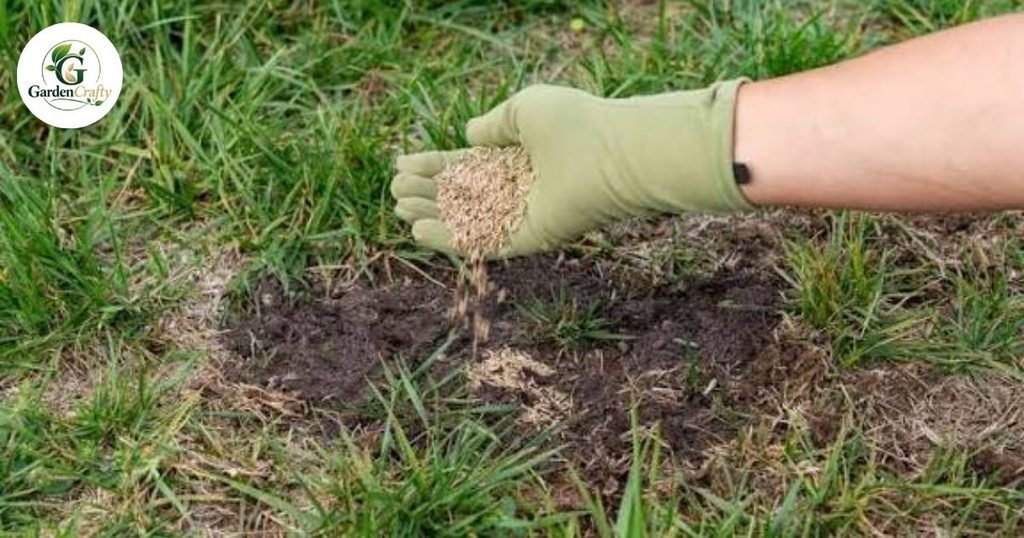
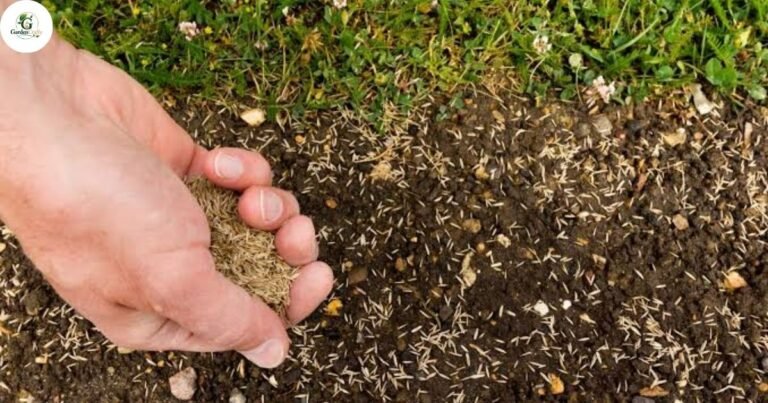
Spread Grass Seed Evenly: Once your soil is well-prepared, it’s essential to spread grass seed evenly over the bare spots. Consider choosing a grass variety that matches your existing lawn for seamless integration.
Press Seed into Soil: After sowing the seeds, gently pat the area down to ensure good seed-to-soil contact, which is crucial for germination. As you nurture the newly seeded patches, keep the soil consistently moist but not overly saturated.
Water Lightly each Day: Water lightly each day, maintaining consistent moisture without creating puddles. This nurturing approach encourages the seeds to sprout and establish roots. As the new grass begins to flourish, resist the urge to mow immediately; allow it to grow to a couple of inches to promote a robust and healthy lawn.
Step-by-Step Seasonal Clover Control Plan
A seasonal clover control plan helps you tackle clover at the right time while strengthening your lawn throughout the year.
Early Spring
As early spring emerges, it’s the perfect time to take control of clover growth before it takes hold.
Test Soil if Possible: Begin your seasonal clover control plan by testing your soil if possible; a solid understanding of nutrient levels will inform your subsequent actions.
Apply Fertilizer if Nitrogen is Low: If your soil is low in nitrogen, consider applying a targeted fertilizer to promote the health of your desired grass species, giving them the upper hand against clover invasions.
Spot Treat Young Plants: Once your lawn is fortified, shift your focus to the young clover plants that may have already started to sprout. Spot treating these small infestations with a precise herbicide can effectively manage their spread without harming surrounding grass.
Employing organic methods like hand-pulling can be rewarding; just make sure to uproot the entire root to prevent regrowth. This proactive, step-by-step approach ensures your lawn remains vibrant while keeping pesky clover at bay.
Late Spring
As late spring unfolds, the vibrant growth of clover can transform into a challenge for lawn enthusiasts.
Pull Small Patches: One effective strategy is to pull small patches of clover by hand, particularly in areas where the coverage is sparse. This not only helps eliminate the clover but also provides a moment to appreciate the soil beneath. Ensure you remove the roots to prevent regrowth this hands-on approach fosters a deeper connection with your landscape.
Overseed Thin Areas: Once you’ve cleared those pesky patches, consider overseeding thin areas in your lawn. This isn’t just about filling gaps; it’s an opportunity to introduce robust grass varieties that can outcompete clover for nutrients and sunlight.
Maintain Proper Mowing Height: Maintaining proper mowing height generally around 3 inches you create an optimal environment for grass to thrive while shading out clover. Together, these steps cultivate a healthier, more resilient lawn that stands strong against clover’s encroachment.
Summer
As summer settles in, managing clover in your lawn becomes essential for maintaining a lush and vibrant landscape.
Water Deeply but Less Often: One effective strategy is to water deeply but less often. This method encourages grassroots to grow deeper and healthier, making your lawn more resilient against clover invasion and other weeds. By avoiding frequent shallow watering, you empower the soil to conserve moisture, allowing your grass to thrive even during peak heat.
Avoid Cutting Grass too Short: Equally important is the practice of not cutting grass too short. Keeping your blades slightly taller provides shade to the soil, creating an environment that is less hospitable for clover growth. Taller grass can also outcompete clover for nutrients and sunlight, enabling your desired species to flourish.
Fall
Fall is the perfect time to tackle clover head-on, ensuring your lawn emerges lush and vibrant for the coming spring.
Apply Herbicide for Deep Control: Begin by applying herbicide for deep control, targeting those stubborn clover roots nestled in your turf. This not only eradicates existing patches but also cuts off future growth, creating a solid foundation for your grass to thrive.
Overseed Damaged Spots: As you’re treating your lawn, don’t forget to overseed damaged spots where clover has taken hold. This step helps restore your lawn’s density, making it less hospitable to invasive weeds.
Fertilize to Strengthen Turf: Fertilize to strengthen turf, providing essential nutrients that promote robustness and resilience. A well-fortified lawn not only looks beautiful but also stands as a formidable defense against clover and other weeds in the seasons to come.
This yearly plan builds long-term lawn health.
| Season | What To Do | Goal |
| Early Spring | Fertilize and spot treat young plants | Stop early growth |
| Late Spring | Pull small patches and mow high | Strengthen turf |
| Summer | Deep watering and avoid stress | Maintain lawn health |
| Fall | Apply herbicide and overseed | Deep root control |
How to Prevent Clover From Coming Back
Preventing clover from making a comeback starts with reinforcing your grass’s overall strength. A robust lawn is your first line of defense against invasive weeds like clover.
Fertilize Based on Soil Needs: One effective strategy is to fertilize based on your soil’s specific needs. Conducting a soil test can reveal nutrient deficiencies, allowing you to apply the right fertilizers to promote healthy grass growth. This means your lawn will be more competitive, effectively choking out any clover trying to sneak in.
Aerate Compacted Soil: Another crucial step is aerating compacted soil, which improves root development and water retention for your grass. Compaction often favors clover growth by limiting the necessary space and nutrients that grass requires. By aerating regularly, you create a thriving environment for grass, making it more challenging for clover to take hold.
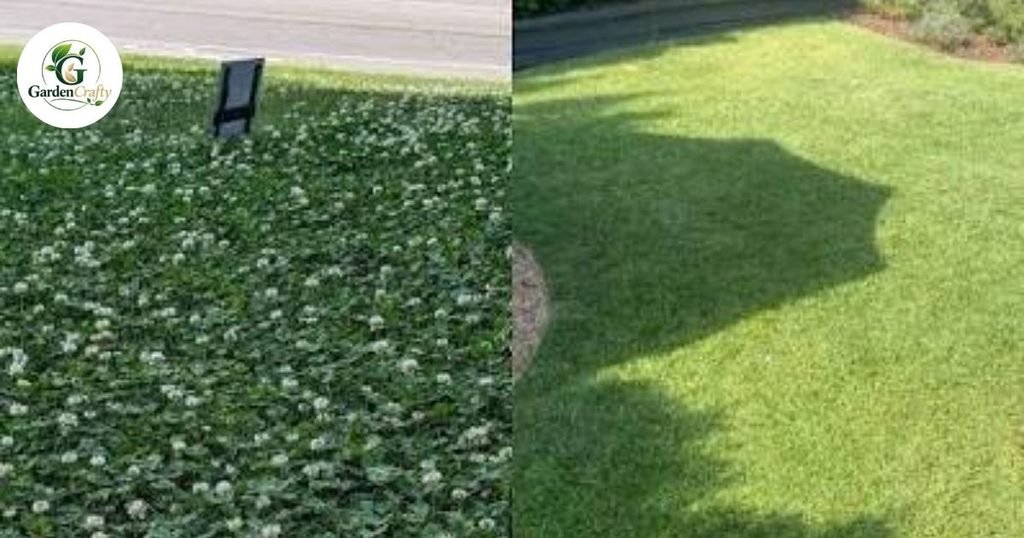
Overseed Thin Areas: Consider overseeding thin areas with a robust grass mix. Clover thrives where grass struggles, so filling in those gaps outcompete clover. Choose grass seed suited to your local climate and soil conditions for optimal results, fostering a lush, green carpet that leaves little space for clover to take root.
Mow at Correct Height: Mowing at the correct height is another essential strategy. Keeping your grass slightly taller allows it to grow thicker, effectively shading the soil and reducing the chances for clover to germinate. Aim for a height of around 3 to 4 inches; this encourages deeper root systems and healthier lawns while discouraging unwanted weeds.
Water Deeply, not Daily: Focus on watering your lawn deeply but infrequently, rather than on a daily basis. This not only promotes deeper root growth but also helps the grass outcompete clover, which prefers more consistent moisture. Ensuring your lawn receives adequate hydration in these vital infrequent doses.Healthy lawns leave little room for weeds.
Why Clover May Return After Treatment
Treatment methods, such as herbicides, may not effectively penetrate the soil or eliminate every clover root. Clover may regrow if:
Roots Survive Treatment: Clover can surprisingly rebloom even after treatment due to its robust root system, which often survives various forms of eradication. These resilient roots, buried deep within the soil, possess the ability to sprout new growth when conditions become favorable.
Soil Remains Low in Nitrogen: This phenomenon occurs particularly in soils that remain low in nitrogen, a nutrient that clover naturally helps to enrich with its nitrogen-fixing capabilities. When other competitive plants struggle in such nutrient-poor conditions, clover thrives and can rapidly reclaim its territory.
Bare Spots are not Reseeded: Clover’s resilience in lawns can be perplexing, especially when bare spots are not reseeded after treatment. This hardy plant has a knack for sprouting back even in seemingly inhospitable conditions.
Lawn is Cut too Short: If your lawn is cut too short, the grass can struggle to thrive while leaving ample sunlight for clover seeds or roots to regenerate. If weeds are managed poorly, clover can seize the opportunity to fill in those gaps, making it a primary contender in the competition for space and nutrients.
Soil health plays a significant role in clover’s resurgence. Nutrient-rich soils favor clover’s growth, particularly if bare areas invite more light or moisture. When other grass varieties can’t establish a robust root system, clover often capitalizes on this by spreading through runners or self-seeding.
Is Clover Always a Problem?
Clover often garners a reputation as a pesky weed, but it’s time to reframe that narrative. Its benefits include:
Stays Green during Dry Periods: One of its standout benefits is its ability to stay green during dry periods, providing a vibrant touch to otherwise parched landscapes. This resilience not only enhances visual appeal but also offers crucial ground cover that prevents erosion and maintains soil health, creating a sturdy foundation for other plants to thrive.
Supports Pollinators: Clover plays a vital role in supporting pollinators such as bees and butterflies. By providing a rich source of nectar, it attracts these essential creatures, which contribute to biodiversity and the overall health of our ecosystems.
Adds Nitrogen Naturally: Clover adds nitrogen naturally to the soil, thanks to its unique ability to fix atmospheric nitrogen, thus enriching the earth without the need for synthetic fertilizers. This natural fertilization process promotes sustainable gardening practices, making clover an ally rather than an adversary in the quest for healthy, flourishing gardens.
How to Tell Clover From Similar Weeds?
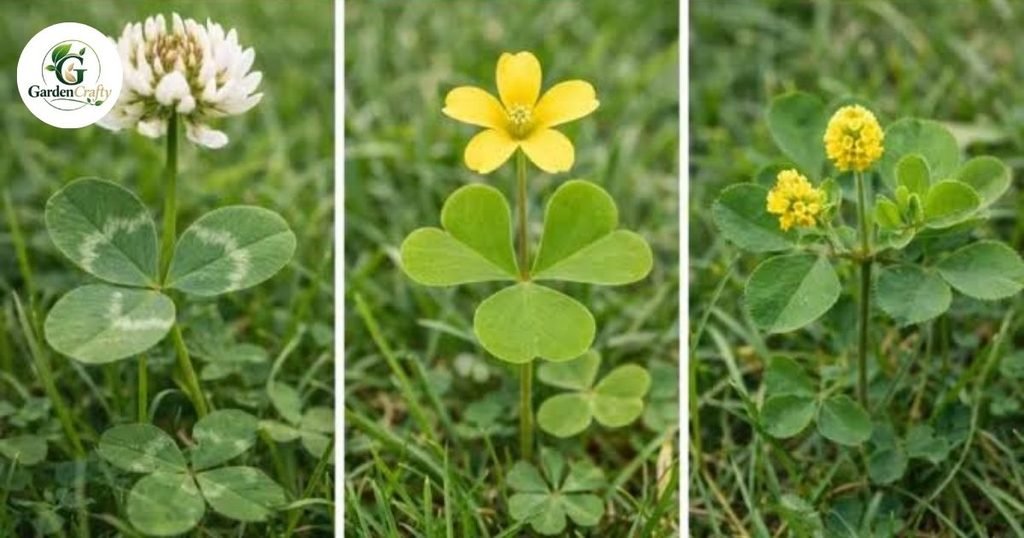
White clover:
Identifying white clover among similar weeds can be a delightful challenge for gardeners and nature enthusiasts.
Round Leaves: One key distinguishing feature is its round leaves, which are typically trifoliate, resembling small three-leaf clovers.
White or Pink Flowers: When it comes to flowers, white clover blooms showcase delicate, spherical clusters that can be either white or pale pink. These flowers not only add aesthetic appeal to your lawn but also attract beneficial pollinators, making them a gardener’s ally.
Oxalis:
When venturing into the world of common weeds, it’s easy to confuse Oxalis with other plants, particularly clover.
Heart-shaped Leaves: While both may share lush green patches, Oxalis is distinctive with its heart-shaped leaves that form a distinctive tri-fold pattern, setting it apart from the typical oval-shaped clover leaves.
Yellow Flowers: Another telling feature of Oxalis is its cheery yellow flowers that bloom in clusters atop slender stems. They bring a pop of color that contrasts beautifully with the surrounding greenery.
While clover may offer benefits like nitrogen fixation in soil, those heart-shaped leaves and bright yellow flowers of Oxalis can often steal the limelight in a garden setting.
Black medic:
When navigating the world of gardening or lawn care, distinguishing black medic from similar weeds is crucial for maintaining a healthy yard.
Smaller Leaves: Black medic, with its smaller leaves that are often trifoliate, has a distinctive appearance that sets it apart.
Small Yellow Blooms: On closer inspection of its small yellow blooms, which cluster in rounded heads, you’ll find that they present a striking contrast to the lush greenery of the surrounding foliage. This visual differentiation helps ensure you’re not inadvertently targeting a beneficial plant.
Black medic’s leaves are smooth and occasionally have a slight sheen, further distinguishing them from other weeds like clover or dandelions.
| Weed | Leaf Shape | Flower Color | Growth Habit |
| White Clover | Rounded leaflets | White or pink | Low spreading |
| Oxalis | Heart-shaped | Yellow | Low spreading |
| Black Medic | Small oval | Yellow | Compact growth |
Clover Control Methods Comparison
This table compares common clover control methods by cost, speed, and the type of lawn problem they are best suited to handle.
| Method | Cost | Speed | Best For |
| Hand pulling | Low | Slow | Small patches |
| Vinegar spray | Low | Moderate | Spot treatment |
| Corn gluten | Medium | Preventive | Early season |
| Herbicide | Medium | Fast | Large infestations |
| Lawn fertilization | Low | Gradual | Long-term prevention |
Explore More Lawn Care Guides
- A lawn can look green on top and still be choking underneath a spongy layer of dead grass and roots. Our lawn thatch guide explains how to measure it, when it crosses from beneficial to harmful, and the exact dethatching steps by region and grass type.
- Even a well-maintained lawn doesn’t stand a chance against a dog with a favorite running path. Our guide to lawn damage from dogs breaks down which breeds are hardest on grass and why, plus practical fixes like dog-friendly grass types and designated digging zones.
- Not every lush lawn is actually the grass you think it is. Our Bermuda grass identification guide covers its narrow blades, sideways runners, and seasonal color shifts, plus how to tell it apart from Zoysia and other look-alikes.
- A lawn that looks green on the surface can still be suffocating underneath. Our lawn aeration guide explains how to spot compacted soil, the difference between core and liquid aeration, and the exact timing window for your region.
- Not every heat wave means giving up on new seed entirely. Our heat wave grass seed guide breaks down which varieties like Bermuda, Zoysia, and heat-tolerant fescue blends actually germinate in soaring temperatures.
- A patchy lawn doesn’t always mean you need to reseed from scratch. Our guide on whether grass spreads on its own breaks down which grass types fill in bare spots naturally through rhizomes and runners, and which ones need overseeding instead.
- Before you reach for a spreader or a shovel, it helps to know what’s actually growing in your yard. Our guide on the difference between weeds and grass breaks down the real differences in leaf shape, root systems, and seasonal growth patterns.
Final Thoughts
To conclude, getting rid of clover doesn’t have to be a daunting task. By implementing regular maintenance practices and exploring various treatments, you can reclaim your lawn from clover invasion.
Remember to focus on fostering grass health, as a thriving lawn will naturally resist weeds. Whether you choose to use chemical solutions or prefer organic methods, consistency is key in your battle against clover.
FAQs
What Kills Clover but Not Grass?
To kill clover without harming your grass, use a selective post-emergent broadleaf herbicide containing active ingredients like triclopyr, 2,4-D, dicamba, or mecoprop-p (MCPP). Commercial ready-to-use or concentrate lawn weed killers specifically target these weeds while keeping turfgrass safe.
How can I Naturally Kill Clover in my Lawn?
To get rid of clover naturally, spot-treat patches with a natural iron-based herbicide like or a concentrated iron mix, pull small patches by hand, and fix the underlying soil by applying nitrogen fertilizer, because clover thrives in low-nitrogen conditions.
Why am I Getting so Much Clover in my Lawn?
Clover usually takes over a lawn because your grass is thin or stressed, giving the weed open space to grow. It thrives in soil that lacks nitrogen, has poor drainage, is compacted, or when you mow the grass too short.
What’s the Best Time to Kill Clover?
The best time to kill clover is in spring or early fall when daytime temperatures are between 60°F and 85°F. During these windows, the clover is actively growing, making it much easier for weed killers to move down into the roots and destroy the plant completely.
Is Clover Good for Your Lawn?
Yes, clover is generally good for a lawn. It acts as a natural fertilizer by pulling nitrogen from the air into the soil, stays green during dry spells, crowds out unwanted weeds, and resists pet urine burn marks.