Proven Heat Wave Grass Seed: What Really Works in Extreme Heat
Uncover the most effective Heat wave grass seed varieties and provide tips on maintaining a resilient lawn, no matter how high the mercury climbs.
Specific Heat wave grass seeds can not only endure harsh conditions but also flourish. This article will guide you through the best options, ensuring your yard remains a beautiful oasis even when the sun tries to take its toll. Get ready to transform your lawn with insights and practical advice
What a Heat Wave Does to Grass Seed?
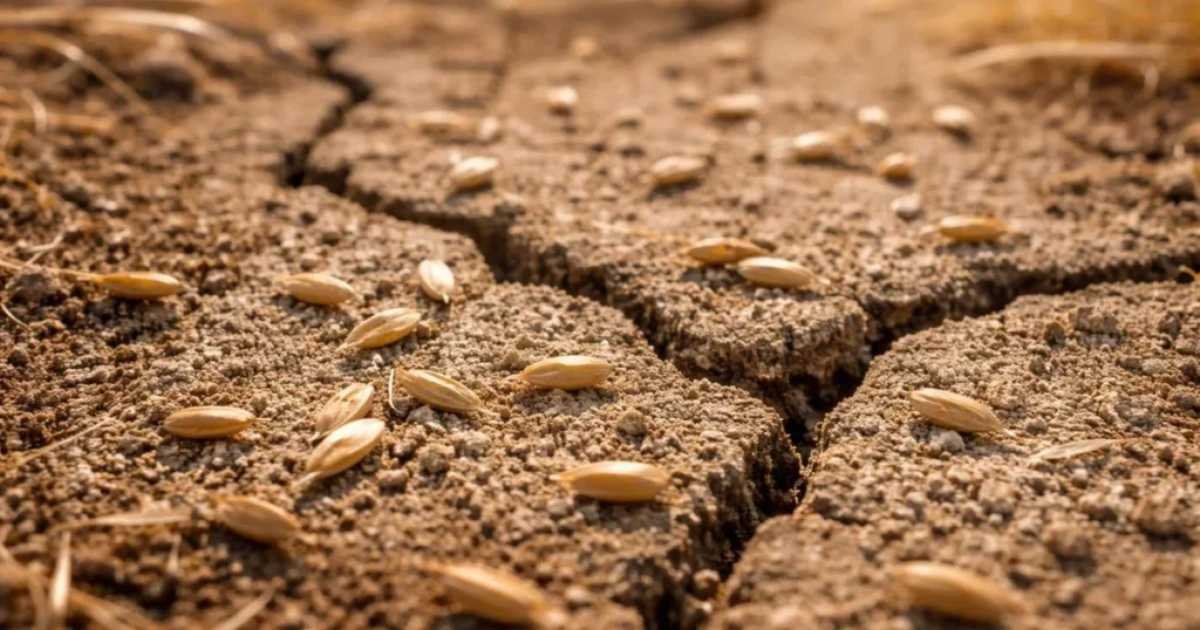
High heat dries the soil quickly: Ushering in a challenging environment for grass seeds. When the sun beats down relentlessly, the top layer of soil can become parched within hours, creating a hostile setting for germination. This rapid drying can lead to a frustrating cycle: seeds may soak up water, only to lose moisture just as swiftly.
Warm nights: Slow grass seed growth, further complicating the situation. While cool evenings typically rejuvenate the soil, oppressive temperatures can stifle vital nighttime processes, inhibiting the seeds’ ability to establish robust roots. As if that weren’t enough, seeds may sprout and die quickly.
Seeds May Sprout and Die Quickly: In this extreme heat, leading to a cycle of fleeting growth that leaves many disappointed. Understanding these nuances encourages thoughtful planning and diligent care, ensuring that the simple act of sowing becomes a rewarding experience rather than a lost endeavor.
Can You Plant Grass Seed During a Heat Wave?
Planting grass seed during a heat wave grass seed can be a daunting task, but with the right strategies, it’s possible to achieve success.
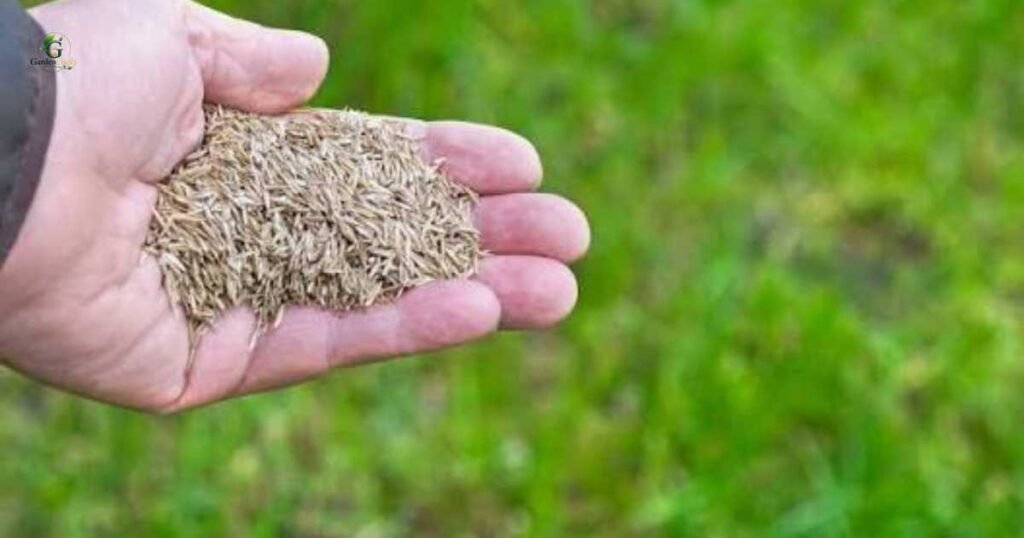
When grass seed works during a heat wave: The key lies in selecting heat-tolerant varieties like Bermuda or Zoysia, which thrive even under extreme conditions.
Watering More Than Once a Day:These seeds require a bit more attention, particularly in terms of moisture, making it essential to adopt a diligent watering schedule. Watering more than once a day may be necessary.
Protecting the Soil Surface:To protect the soil surface, consider applying a light layer of mulch or straw after sowing the seed. This not only retains moisture but also helps shield delicate seedlings from the harsh sun.
Using Heat-Tolerant Grass Seed: Timing is crucial; try to plant early in the morning or late in the evening when temperatures are more forgiving. With these tailored approaches, you can cultivate a flourishing lawn even in the sweltering summer heat.
Best Grass Seed Types for Heat Waves
| Grass Type | Heat Tolerance | Best Region | Germination Speed | Heat-Wave Suitability |
| Bermuda | Very High | Southern US | Fast | Best Choice |
| Zoysia | High | South / Transition Zone | Slow | Good, with care |
| Tall Fescue | Medium | North / Transition Zone | Medium | Possible with careful watering |
| Perennial Ryegrass | Low–Medium | Cool Regions | Fast | Not recommended |
Warm-Season Grasses
Best Grass for Hot Weather:When it comes to maintaining a vibrant lawn in hot weather, warm-season grasses shine as the ultimate choice.
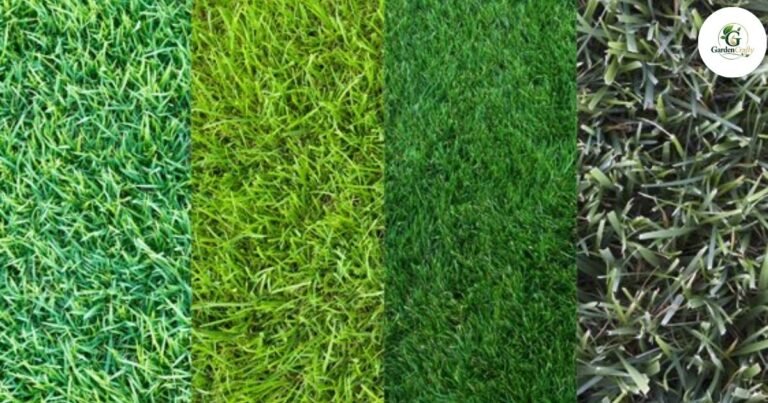
Bermuda Grass for Heat:Bermuda Grass stands out for its resilience and adaptability in scorching temperatures, making it an ideal selection for heat-prone areas. It’s not just about survival; Bermuda thrives under pressure, establishing a dense turf that withstands heavy foot traffic, a blessing for active households or sports enthusiasts.
Zoysia Grass for Hot Conditions: Zoysia Grass presents a compelling alternative for those seeking a lush, carpet-like lawn that holds up well in high temperatures. Known for its slower growth during the initial establishment phase, Zoysia rewards patience with a drought-resistant mat that remains green longer into the fall.
Bahia Grass for Warm Climates: Bahia Grass is a superb contender, celebrated for its tolerance to both drought and occasional flooding. Its deep roots enable it to adapt well to varying warm climates, creating a low-maintenance lawn that thrives with minimal intervention. Embracing these warm-season grasses ensures your yard remains a vibrant oasis, even amid the hottest days of summer.
Cool-Season Grasses That Handle Heat Better
When considering lawns that withstand the sweltering summer sun without sacrificing their lush appearance.
Heat-Tolerant Cool-Season Grasses: Heat-tolerant cool-season grasses are a game changer. Tall Fescue stands out as a hero in this realm, known for its deep root system that allows it to tap into moisture deeper in the soil, making it surprisingly resilient during heat stress.
Tall Fescue for Heat Stress: Traditional cool-season grasses, which may struggle as temperatures soar, the heat-tolerant fescue blends offer a unique combination of durability and aesthetic appeal, providing a green oasis even in July.
Heat-Tolerant Fescue Blends: It’s essential to recognize which grasses to avoid in extreme heat situations. Varieties like Kentucky Bluegrass, while beautiful, often succumb to drought and heat stress, leaving lawns patchy and lifeless under the blazing sun. Embracing the right species, such as the adaptable tall fescue, not only enhances the resilience of your lawn but also sets you up for long-term success.
Grasses to Avoid During Extreme Heat:Choosing the right grass can mean the difference between a vibrant yard or a barren patch in the heat: invest in heat-tolerant cool-season grasses and watch your landscape thrive when others falter.
Soil Temperature Matters More Than Air Temperature
Why Soil Temperature Matters for Seed Growth: Soil temperature plays a critical role in seed growth, often overshadowing air temperature’s influence. While air temperature can signal the start of the growing season, it’s the warmth of the soil that truly kickstarts germination.
How Hot Soil Affects Grass Seed: Seeds require optimal soil conditions to absorb moisture and nutrients, and if the ground is too hot, it can hinder these processes. For instance, when temperatures exceed the ideal range, you may see poor germination rates and stunted growth, ultimately impacting your garden’s productivity.
Ways to Reduce Soil Heat Stress:Hot soil can be particularly detrimental for grass seed, as excessive heat can lead to moisture loss and increased stress on the young plants. This is especially important to consider during the blistering summer months.
Best Time to Seed During Hot Weather:The best time to seed during hot weather is often early in the morning or late afternoon when temperatures are slightly more forgiving. Taking measures to reduce soil heat stress, such as applying mulch or using shade cloth, can significantly improve germination success and establish a robust lawn that withstands the challenges of soaring temperatures.
Temperature Ranges That Matter During a Heat Wave
During a heat wave, understanding the ideal temperature for grass seed is crucial for successful germination. Grass seeds thrive best in moderate temperatures of 60°F to 75°F. However, when temperatures consistently soar above 85°F, the conditions can become detrimental, significantly affecting seed germination.
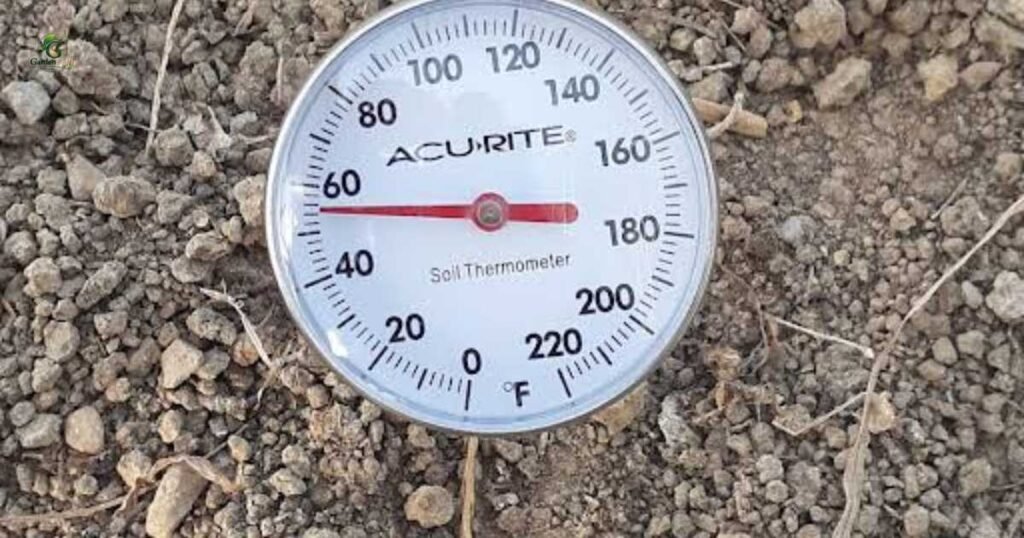
In these high-risk seeding temperatures, seeds may remain dormant or, worse, succumb to desiccation, leaving your lawn in jeopardy.
| Condition | Air Temperature | Soil Temperature | Seeding Risk |
| Favorable | Below 85°F | Below 80°F | Low |
| Heat Stress | 85–90°F | 80–85°F | Medium |
| Extreme Heat | 90°F+ | 85°F+ | High |
How to Measure Soil Temperature Before Seeding
How to Measure Soil Temperature:Measuring soil temperature is a crucial step in ensuring successful seed germination. The best depth for soil temperature testing is typically around 2 to 4 inches deep, which provides a reliable gauge of the environment the seeds will experience once planted.
Best Depth for Soil Temperature Testing: Use a soil thermometer, inserting it into the ground at this depth in a shaded area away from direct sunlight. This method yields a more accurate reading, as surface temperatures can fluctuate dramatically with weather changes.
When Soil Temperature Is Too Hot:Exceeding optimal ranges for specific seeds, germination rates can plummet, or worse, seeds may even be killed off. Generally, many cool-season grasses thrive best at temperatures ranging from 50°F to 65°F, while warm-season varieties prefer conditions above 65°F.
When It Is Safe to Plant Grass Seed: Understanding when it is safe to plant grass seed can transform your gardening success, aligning your planting schedule with nature’s rhythms for the most robust results.
How to Plant Heat Wave Grass Seed the Right Way
To achieve a thriving lawn with Heat Wave Grass, the first step is to prepare and loosen the soil.
Prepare the Soil Before Heat Peaks
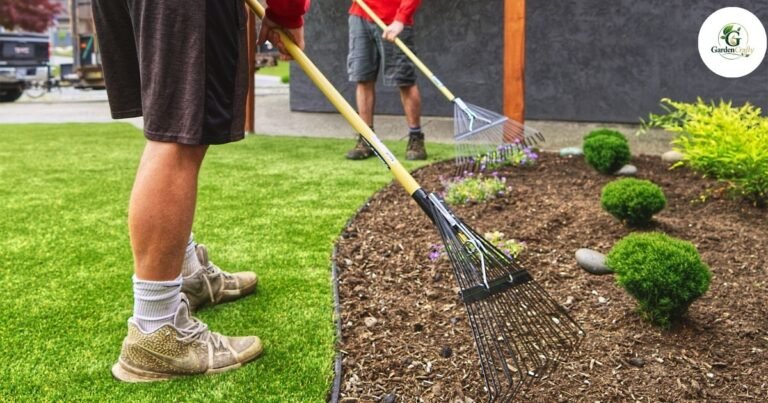
This creates an ideal foundation for the seeds, allowing them to establish strong roots. Use a rake or garden tiller to break up compacted soil, ensuring a fine seedbed that enhances seed-to-soil contact.
Loosen the Soil Surface
Water the soil lightly to provide a moist environment for the seeds. This pre-watering technique helps the seeds settle in, promoting germination as they absorb the moisture.
Level Bare Spots
As you spread the seed evenly across the area, consider using a broadcast spreader for uniform distribution. Once the seed is down, covering it lightly with a layer of soil or mulch not only protects it from birds and harsh weather but also aids in moisture retention. By following these steps, you’ll set the stage for a lush, resilient lawn that can withstand the heat.
Watering Schedule During a Heat Wave
During a heat wave, it’s essential to adapt your watering schedule to ensure your new grass seed thrives under stress.
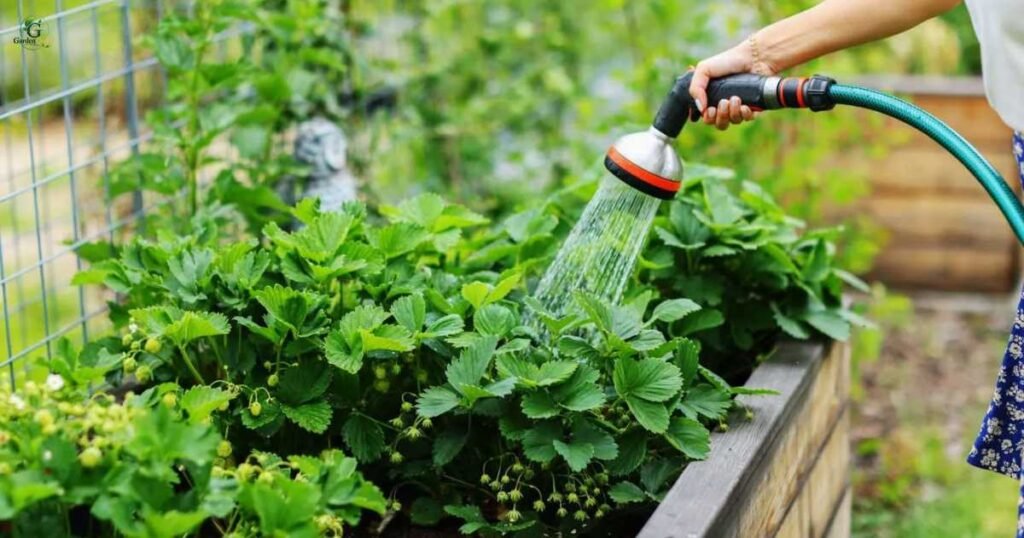
Water Grass Seed 2–3 Times a Day :Watering grass seed 2–3 times a day is often necessary in sweltering temperatures, but the key is to keep the soil moist, not soaked. Early morning and late evening are the best times to water new grass seed, as these cooler periods minimize evaporation and allow water to penetrate deeply into the soil.
Reduce Watering as Grass Grows:As your grass begins to establish itself and roots deepen, you’ll want to reduce watering frequency. This transition is crucial; by gradually decreasing the amount of water, you encourage deeper root growth that will help your lawn withstand future heat waves.
A well-watered lawn not only survives through extreme conditions but also becomes a lush oasis that enhances your outdoor space. Healing your lawn starts with adapting your care strategies to the environment, transforming challenges into lush green rewards.
Phase Watering Plan for Heat Wave Grass Seed
A successful heat wave grass seed strategy hinges on understanding the three critical phases of growth.
Phase 1: Germination (Days 0–14): During this period, the seeds require consistent moisture to ensure optimal germination. Frequent, light watering is essential; think of it as providing delicate hydration. Using a gentle spray or a fine nozzle can prevent soil erosion, fostering a fertile environment for those fragile seeds.
Phase 2: Early Growth (Days 15–30): the focus shifts to nurturing the young grass. This phase is crucial, as the seedlings begin to establish themselves. Maintain a steady watering routine, but be mindful to increase the intervals slightly, allowing the soil to dry between watering sessions. This practice encourages the young grass to develop deeper roots, laying the foundation for a sturdy lawn.
Phase 3: Grass Establishment: The goal is to cultivate robust and resilient roots. Gradually reduce watering as the lawn matures, which helps the grass adapt to heat stress and increases drought resistance. This mindful approach not only fortifies the plants but also fosters an environmentally sound practice, leading to a thriving landscape that can withstand the harshest summer conditions.
Mistakes That Kill Grass Seed in Hot Weather
Watering once per day: This approach can’t provide the consistent moisture needed for germination. Instead, it’s crucial to adopt a more frequent, lighter watering schedule, ensuring the soil remains evenly moist without creating puddles that can lead to rot.
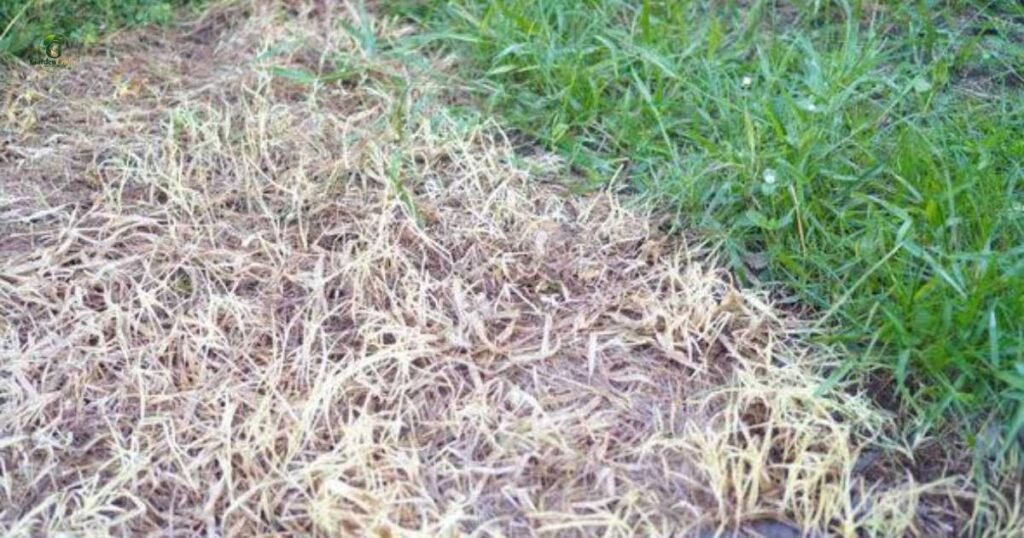
Using Cheap Sed Mixes: The intense sun can bake the seeds and stifle growth. Opting for a high-quality seed mix instead of cheap alternatives can also make a significant difference, as the latter often contains fillers that reduce germination rates and resilience.
Fertilizer application during extreme temperatures: It is similarly risky it can burn roots and stunt development. By embracing these strategies and avoiding the common errors, you’ll conserve both time and resources while nurturing a robust, flourishing lawn.
You may also Read: Types of Grass: What Does Kentucky Bluegrass Look Like? Weeds and Grass: A Simple Identification Guide Organic Lawn Fertilizer Natural Weed Killer
Heat Wave Grass Seed: USA Regional Notes
Right time to seed during a heat wave can significantly impact your lawn’s health.
Best Grass for Southern States
High temperatures and humidity prevail, warm-season grasses like Bermuda and Zoysia thrive. To give these grasses the best chance, aim for late spring to early summer, just before the peak heat hits. This allows the seeds to establish roots before the sweltering temperatures fully set in.
Best Grass for Northern and Transition Zones
Cool-season grasses, such as Kentucky bluegrass and fescue, are best seeded during the late summer or early fall, when daytime temperatures begin to drop. Many homeowners might be tempted to seed during a heat wave, but waiting can lead to better germination and growth.
Should You Wait Until the Heat Wave Ends?
Timing your seeding strategy around a heat wave can be crucial for successful growth.
Why Cooler Nights Matter: Cooler nights following oppressive heat can play a pivotal role in seed germination. The drop in temperature not only enhances moisture retention in the soil but also helps to lower stress on new seedlings, ultimately leading to stronger plant development.
Why Waiting Can Prevent Seed Loss: High temperatures can lead to quick evaporation of soil moisture, leaving seeds stranded in dry, inhospitable conditions. As you ponder the best time for late-summer seeding, consider this: planting just after a heat wave can set your garden on a path to success, as the cool nights create a more forgiving environment for those tender new plants.
Heat Wave Lawn Care Without Seeding
During a heat wave, maintaining a lush lawn without seeding can seem daunting, but strategic adjustments can yield remarkable results.
One key tip is to raise the mowing height; this encourages deeper root growth and allows the grass to shade itself, reducing moisture loss and heat stress. Taller grass blades can also help trap cool air and keep the soil temperature in check, promoting a more resilient lawn.
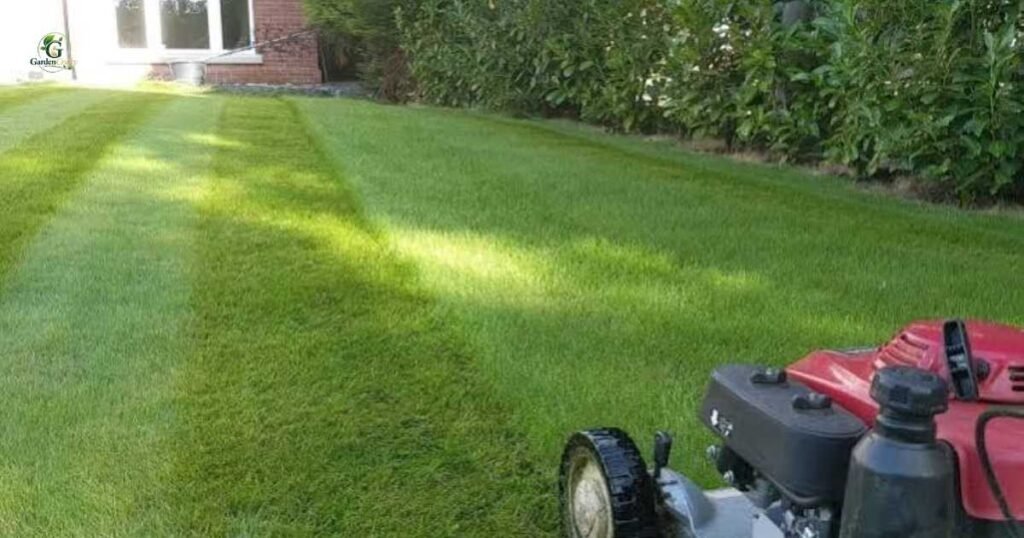
This method fosters a stronger root system as the grass learns to reach deeper for moisture. Coupled with letting the grass rest, this approach helps it withstand heat without necessitating chemical fertilizers, which can be harmful during high temperatures.
Quick Check Before You Seed During a Heat Wave
Before you start seeding your garden during a heat wave, it’s crucial to evaluate the conditions.
Water 2–3 times daily: It may seem like the best way to keep seeds viable, but over-saturating the soil can lead to poor germination and root rot. Instead, focus on keeping the soil consistently moist, ensuring it doesn’t dry out completely while avoiding waterlogged conditions.
Wait if strong heat is forecast: Seeds require optimal conditions, and extreme heat can stress young plants even before they’ve had a chance to establish roots. By planning strategically and observing your local weather patterns, you’ll not only enhance seed viability but also set your garden up for success in challenging climates.
Heatwave Grass Seed
Heatwave grass seed is designed for lawns that face long, hot summers and inconsistent rainfall. It typically blends drought-tolerant grass varieties that can survive extended heat stress without turning brown or dying off. Homeowners in warmer climates often choose this seed to keep their lawns green and resilient during peak summer months.
Unlike standard grass seed mixes, heatwave formulas are bred to develop deeper root systems that reach moisture further underground. This makes the grass more self-sufficient once established, reducing the need for constant watering. It’s a practical option for anyone tired of replanting patchy lawns every summer.
Heatwave Grass Seed Price
Pricing for heatwave grass seed varies depending on the brand, coverage area, and blend of grass types included. Smaller bags meant for patch repair are generally more affordable, while larger bags covering thousands of square feet cost more upfront. Premium blends with added coatings or fertilizers usually sit at the higher end of the price range.
On average, buyers can expect to pay more than basic grass seed due to the specialized breeding involved. However, many consider it a worthwhile investment since it reduces reseeding costs over time. Comparing prices across garden centers and online retailers can help find the best deal.
Heatwave Grass Seed Reviews
Customer reviews for heatwave grass seed are generally positive, with many users praising its ability to stay green through hot, dry spells. Reviewers often mention that germination rates are solid when the seed is watered consistently during the first few weeks. Some also note that the grass holds up well against foot traffic once fully established.
A few critical reviews point out that results can vary based on soil quality and regional climate conditions. Users in extremely arid zones sometimes report needing supplemental irrigation despite the seed’s drought-resistant claims. Overall, feedback suggests it performs best when paired with proper lawn care practices.
Heatwave Grass Seed for Sale
Heatwave grass seed is widely available for sale through home improvement stores, garden centers, and online marketplaces. Buyers can often choose between small bags for patch jobs and bulk bags for full lawn projects. Seasonal sales, especially in spring and early summer, tend to offer the best pricing.
When searching for it online, it’s worth checking seller ratings and product freshness dates before purchasing. Some listings bundle the seed with starter fertilizer or soil amendments for better results. Buying directly from reputable lawn care brands usually ensures higher seed quality and germination success.
Heat Wave Grass Seed Pad
A heatwave grass seed pad is a pre-seeded mat designed to simplify the planting process, especially for small or patchy areas. The pad typically contains seed, mulch, and sometimes fertilizer embedded into a biodegradable material that’s laid directly on soil. This design helps retain moisture and keeps seeds in place, even on slopes or uneven ground.
These pads are especially popular for quick repairs since they eliminate the guesswork of even seed distribution. Once watered, the pad naturally breaks down while the grass grows through it. It’s a convenient option for beginners or those short on time.
Heat Wave Plus Grass Seed
Heat Wave Plus grass seed is an upgraded version of standard heatwave blends, often including additional heat- and drought-resistant grass species. This “plus” formula is marketed toward lawns that experience extreme summer conditions or limited watering schedules. It’s built to offer stronger resilience compared to basic heatwave mixes.
Many versions of this seed also include soil enhancers or seed coatings that improve moisture retention during germination. This added technology helps young grass establish roots faster, even in challenging heat. Gardeners dealing with particularly harsh climates often prefer this enhanced option.
Heat Wave Fescue Grass Seed
Heat Wave fescue grass seed combines fescue grass varieties with heat-tolerant genetics, making it suitable for transitional climate zones. Fescue is already known for its deep root system, and pairing it with heatwave traits enhances its ability to survive dry summers. This blend is often chosen for lawns that need both shade tolerance and heat resistance.
It tends to perform well in areas with fluctuating seasonal temperatures, offering a balance between cool-season grass qualities and warm-weather durability. Homeowners with partially shaded yards often find this blend ideal. Regular mowing and moderate watering help maximize its performance.
Heat Wave Plus Grass Seed Price
The price of Heat Wave Plus grass seed tends to be higher than standard heatwave blends due to its enhanced formula and added ingredients. Coatings, fertilizers, and specialized seed varieties all contribute to the increased cost per bag. Buyers should expect to pay a premium for the added performance features.
Despite the higher price, many customers feel the investment pays off through better survival rates and less frequent reseeding. Bulk purchases can sometimes reduce the overall cost per square foot. Comparing multiple retailers is recommended to find competitive pricing on this upgraded product.
Can Heat Kill Grass Seed?
Extreme heat can indeed harm grass seed, especially before it has germinated or developed a strong root system. High soil temperatures can dry out seeds too quickly, preventing them from absorbing enough moisture to sprout. Newly germinated seedlings are particularly vulnerable since their roots haven’t reached deeper, cooler soil layers yet.
However, heat-tolerant seed blends are specifically designed to reduce this risk compared to standard grass seed. Proper watering schedules and mulching can also help protect seeds during hot spells. With the right care, heat doesn’t have to mean total seed failure.
Can You Plant Grass Seed in Hot Weather?
Planting grass seed in hot weather is possible, but it requires extra attention to watering and seed selection. Choosing heat-tolerant or drought-resistant varieties significantly improves the chances of successful germination during summer months. Watering seeds lightly but frequently helps keep the soil moist without oversaturating it.
That said, many experts still recommend planting during cooler periods like early fall or spring for the best overall results. Hot weather planting is more of a backup option than an ideal one. If summer planting is necessary, using shade cloth or scheduling watering during cooler parts of the day can improve outcomes.
Conclusion
A Heat wave Grass Seed can have a significant impact on grass seed, affecting germination rates, vitality, and overall growth. Elevated temperatures can lead to moisture loss in the soil, which hinders seed development and can result in patchy, weak lawns. The stress induced by extreme heat may make young grasses more susceptible to pests and diseases.
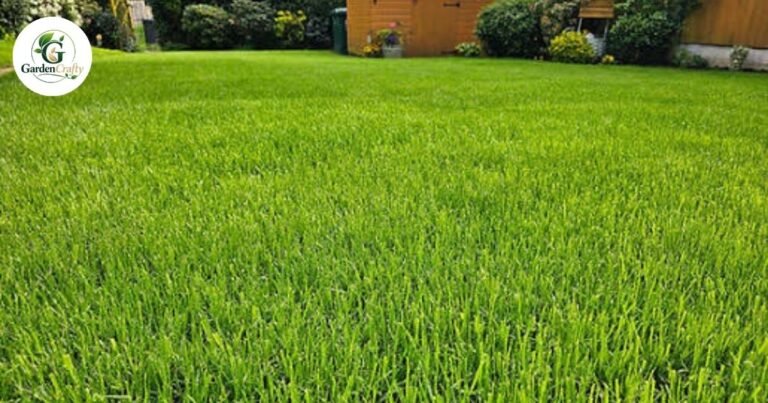
It’s crucial for homeowners and landscapers to understand these effects and take preventive measures, such as proper watering and selecting heat-tolerant grass varieties. By being proactive in your lawn care during these hot months, you can ensure a resilient and lush lawn that thrives despite the heat.
FAQs
Will Grass Recover From Heat Stress?
Yes, grass can recover from heat stress, but the extent and speed of recovery depend on several factors, including the type of grass, the duration of the heat stress, and the care it receives afterward.
Is There a Thermal Bluegrass Seed Available?
Yes, there are thermal-type bluegrass seeds available on the market, primarily bred for warmer climates. These varieties, often referred to as “thermal bluegrass,” are more heat-tolerant than traditional Kentucky bluegrass.
What is Texas Hybrid Grass?
Texas Hybrid grass refers to a selection of grass varieties specifically bred for optimal performance in the unique climate and soil conditions of Texas.
What is the Best Bluegrass Seed?
The best bluegrass seed often depends on your specific needs, climate, and the conditions of your soil. Generally, Kentucky Bluegrass (Poa pratensis) is regarded as one of the top choices due to its lush appearance and resilience.
Does Bluegrass Grow Quickly?
Bluegrass is known for its relatively rapid growth. Under optimal conditions, such as warm temperatures (around 60-75°F) and adequate moisture, bluegrass can germinate within 7 to 14 days.