Benefits of Overseeding a Lawn: Is It Worth It?
While struggling with bare patches and thinning grass, overseeding might be your new best friend. This article delves into the myriad Benefits of Overseeding a lawn, helping you understand its positive impacts on drought resistance, soil health, and overall aesthetics.
will guide you through the Benefits of overseeding a lawn, shedding light on how it can enhance growth, improve resilience, and create a more attractive landscape.
Benefits of Overseeding for a Healthier Lawn
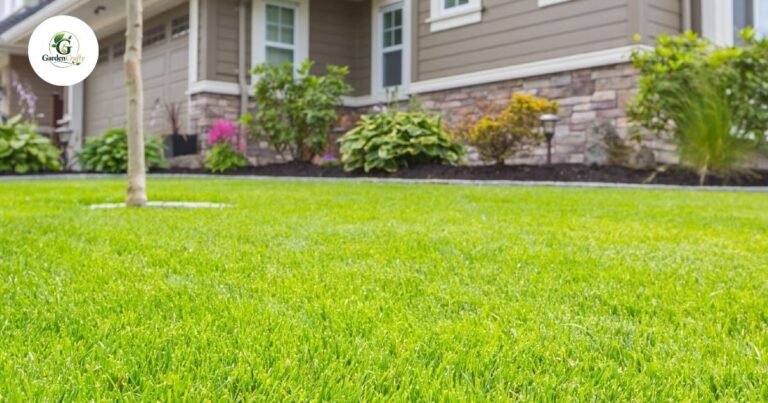
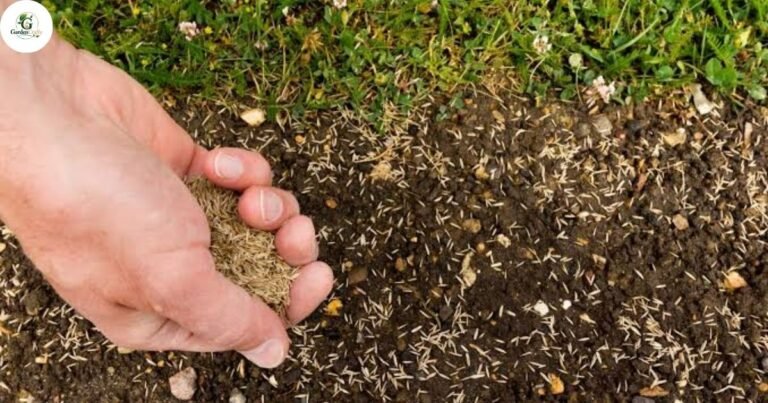
Overseeding is a transformative practice that can turn a struggling lawn into a vibrant landscape.
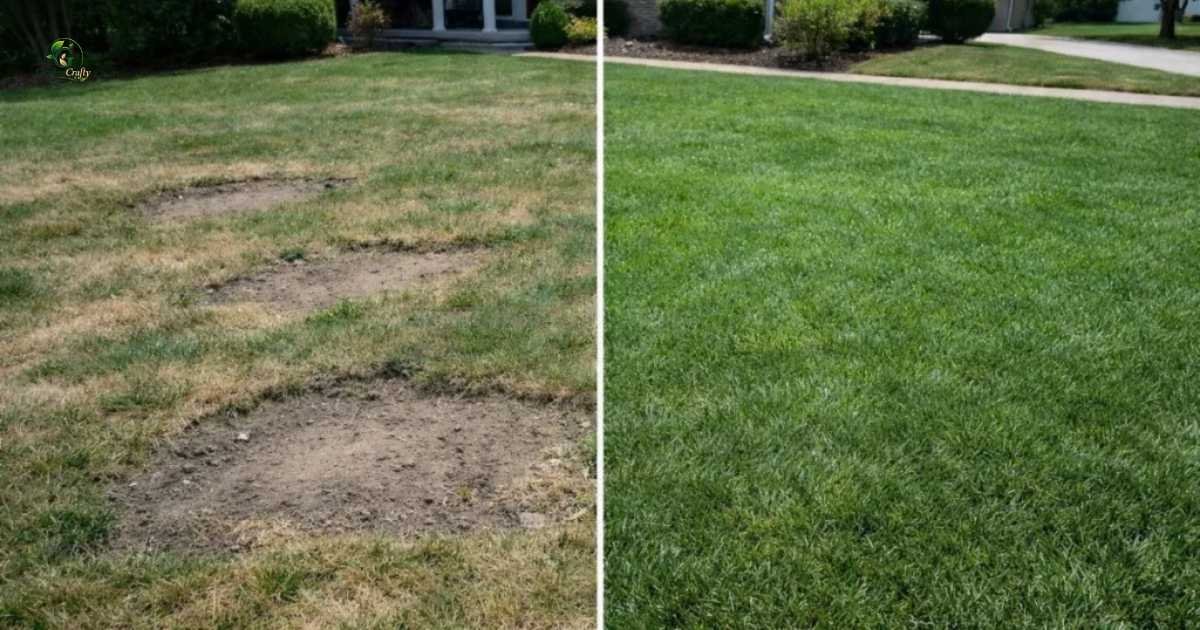
How New Grass Fills Empty Spaces: By introducing new grass seeds to existing turf, homeowners can address bare patches and enhance density. This not only fills empty spaces but also introduces varieties that may be better suited to current environmental conditions, ensuring that your lawn stays resilient through changing seasons.
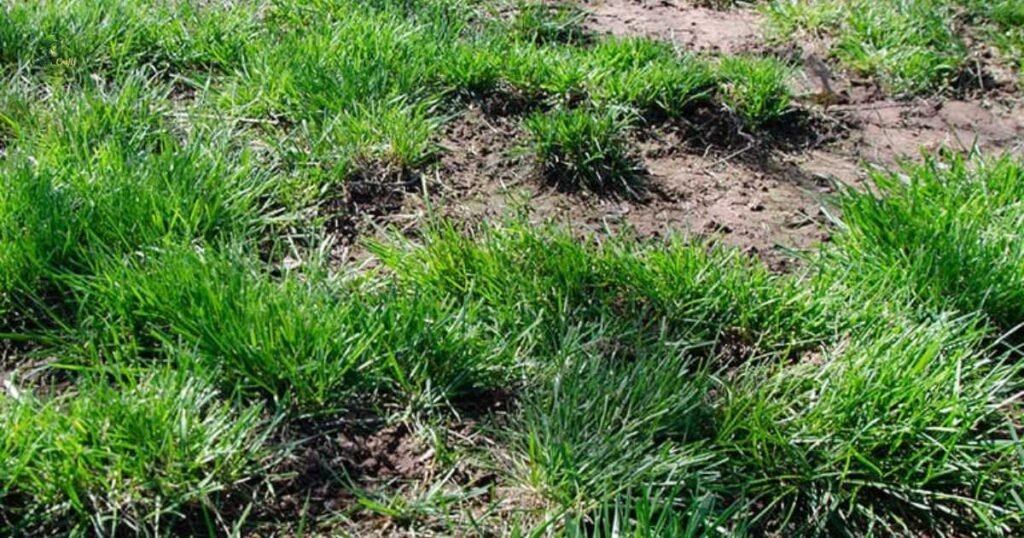
Strengthening Weak Lawn Areas:As new grass breaks through the soil, it strengthens weak lawn areas by competing with invasive weeds and reducing thinning patches. The process typically fosters a thicker, lush appearance, enhancing curb appeal while simultaneously improving grass health.
This rejuvenation is essential for maintaining a vibrant outdoor space where families can gather and enjoy nature. Overseeding isn’t just about aesthetics, it’s a vital step in ensuring the long-term vitality of your lawn, making it a crucial practice for any dedicated gardener.
Is Overseeding Worth It?
When overseeding is worth it: Homeowners discover an effective solution for revitalizing thin and patchy lawns without the steep costs associated with new sod. This technique not only enhances the lawn’s density and health but also fosters a more resilient grass variety that can withstand the challenges of weather and foot traffic.
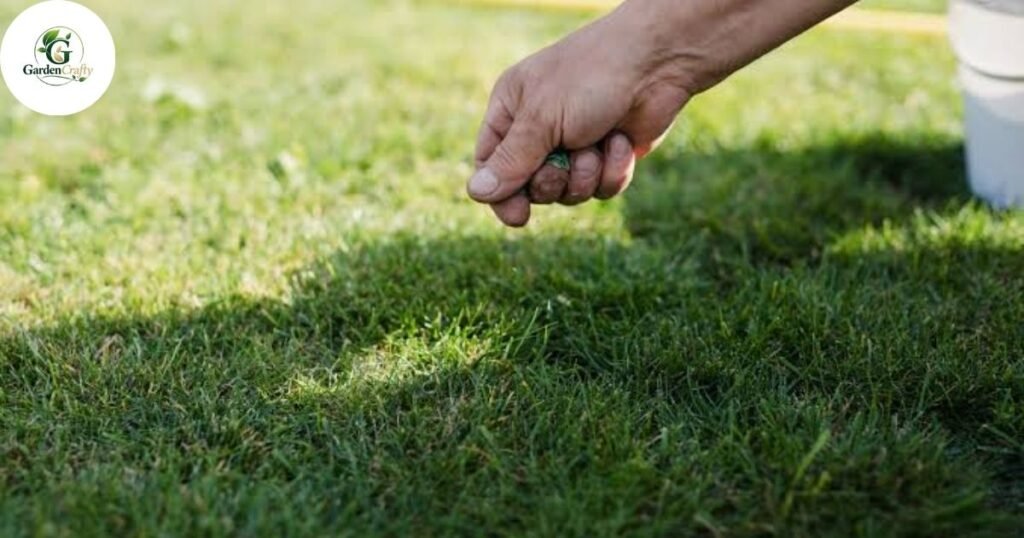
Why Homeowners Choose Overseeding:Many homeowners choose overseeding to address specific areas needing attention rather than a complete overhaul. This process allows for targeted improvement, ensuring that weak spots receive the necessary attention while preserving the established turf. Overseeding introduces newer grass varieties that may better suit local climates, leading to improved drought resistance and disease tolerance.
Thick, Uniform, Good-Looking Grass
Creates Thicker Grass: Uniform, good-looking grass is a gardener’s dream, and it starts with understanding the power of proper seeding techniques.
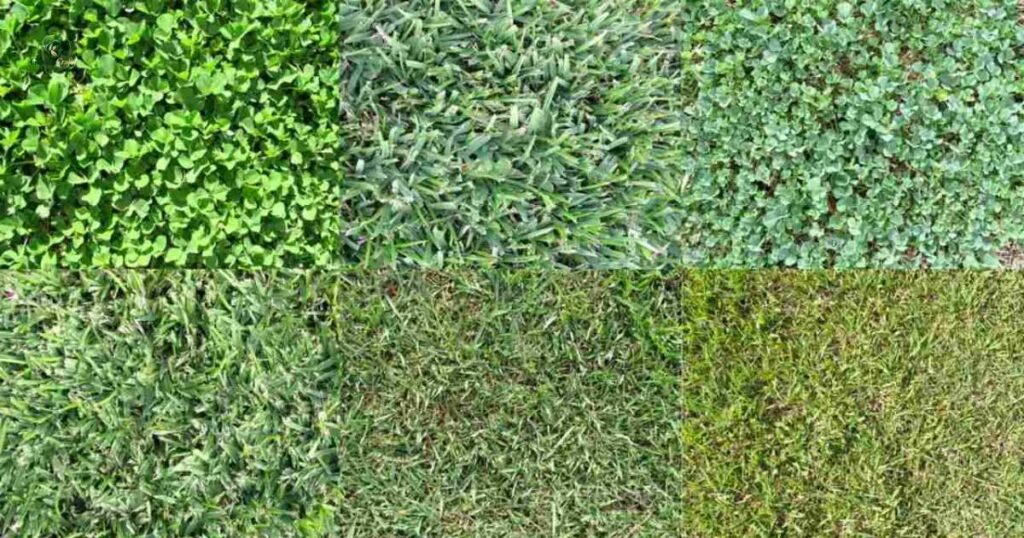
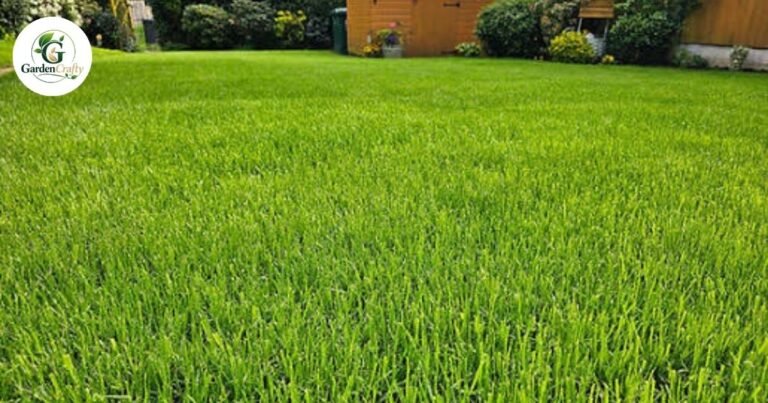
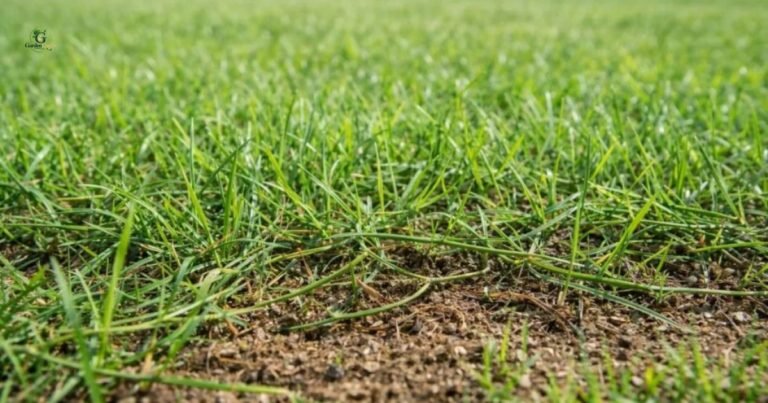
When you aim to fill bare and thin spots in your lawn, it’s not just about patching; it’s about creating a seamless blend of new grass with existing turf. Selecting the right seed mix tailored for your region can enhance growth rates and ensure that your lawn achieves that lush, vibrant look we all aspire to.
Creates a Full, Even Lawn:This thoughtful approach fosters a full, even lawn, where each blade contributes to a cohesive, visually appealing tapestry. Grass types that complement one another can help achieve that thick, lush landscape while ensuring an inviting outdoor sanctuary.
Less Weeds With Less Effort
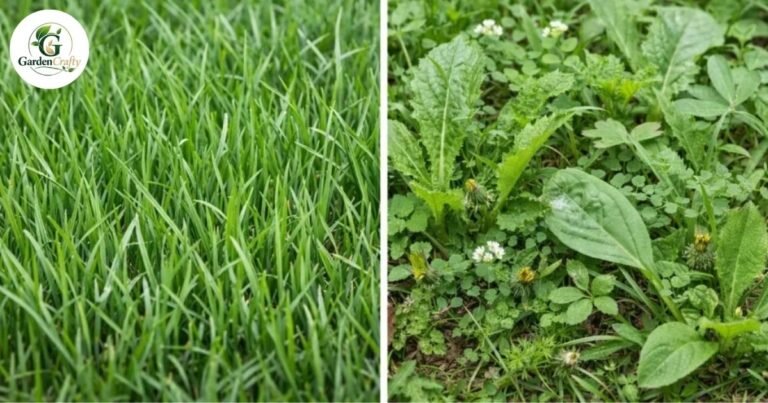
How Thin Lawns Encourage Weeds:Thin lawns create an inviting canvas for weeds, allowing them ample opportunity to flourish. By promoting a healthy, thicker grass environment through overseeding, gardeners can effectively reduce open spaces where these invasive plants thrive.
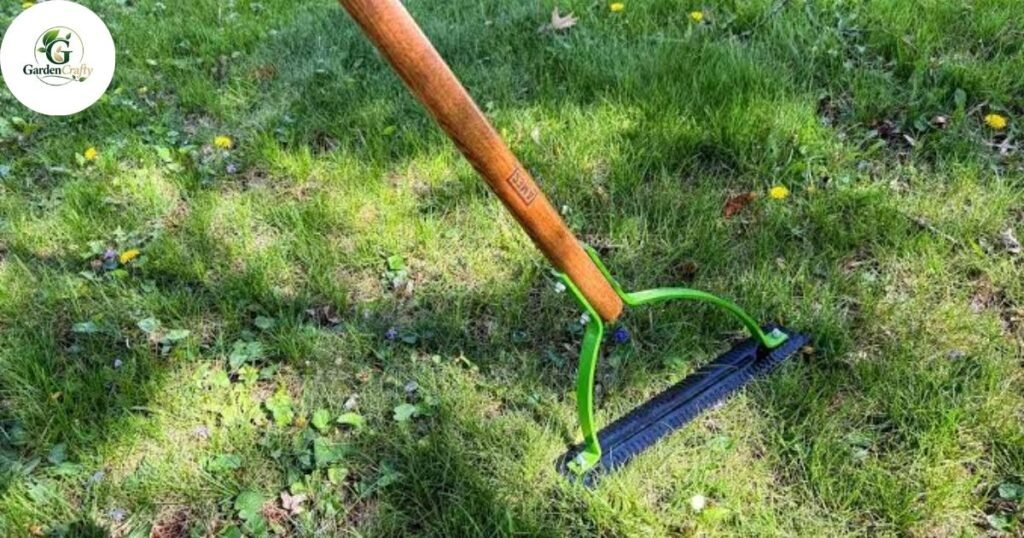
This proactive approach not only strengthens the lawn but also minimizes the need for herbicides, leading to a more sustainable gardening practice.
Thicker Grass Limits Weed Growth:Thicker grass acts as a natural barrier against weed growth, shading the soil and preventing weed seeds from germinating. As a result, less effort is required for maintenance, freeing up time for much more enjoyable outdoor activities.
Embracing this method not only improves the overall health of your lawn but also fosters a visually appealing landscape with vibrant greenery. Imagine spending your weekends relaxing on a lush, weed-free lawn instead of toiling away in the battle against invaders!
Better Recovery From Lawn Damage
How Lawn Stress Damages Grass :Lawn stress can lead to significant damage, particularly after the intense heat of summer or the wear and tear from heavy use.
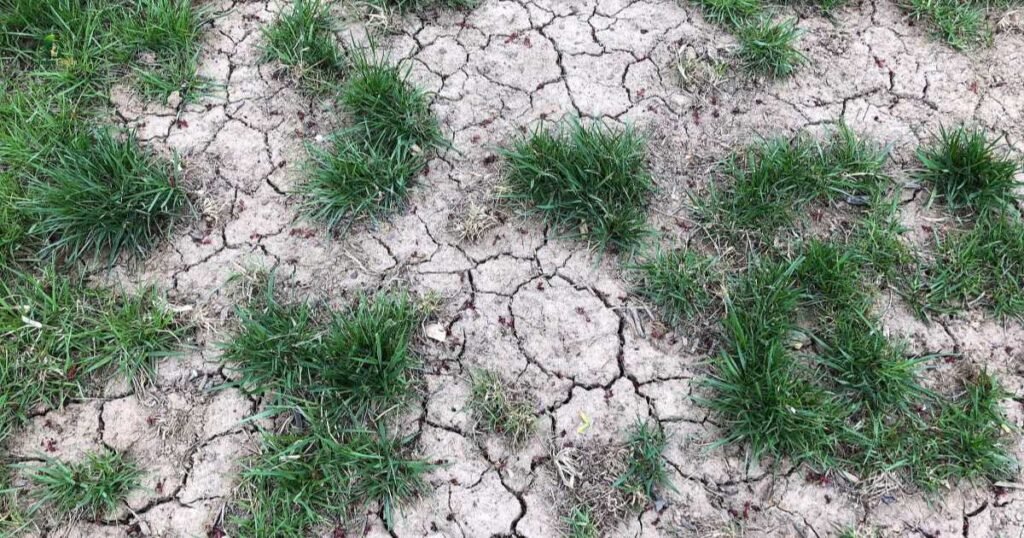
Recognizing how lawn stress damages grass is crucial for any homeowner looking to revive their outdoor oasis. Stressors like drought, pests, and foot traffic can cause visible decline, but understanding these triggers allows for more effective recovery strategies.
Overseeding Adds Fresh Grass Plants:Overseeding is a powerful tool for revitalizing your lawn, as it introduces fresh grass plants to the existing turf, filling in bare patches and promoting a denser, healthier lawn. This practice is especially useful after summer stress; by adding resilient varieties suited to your climate, you can create a robust lawn that thrives under pressure.
Helps Lawns Recover From Damage: Overseeding not only enhances the aesthetic appeal but also improves the lawn’s overall health, making it more resistant to future damage. This approach turns your lawn into a self-sustaining ecosystem, allowing it to better withstand the rigors of daily usage and weather fluctuations.
Improved Pest and Disease Resistance
Why Thin Lawns Attract Pests and Disease:Thin lawns act like a neon sign for pests and diseases, essentially inviting them in. When grass is sparse, it opens up gaps that pests can exploit, leading to an uninvited invasion.
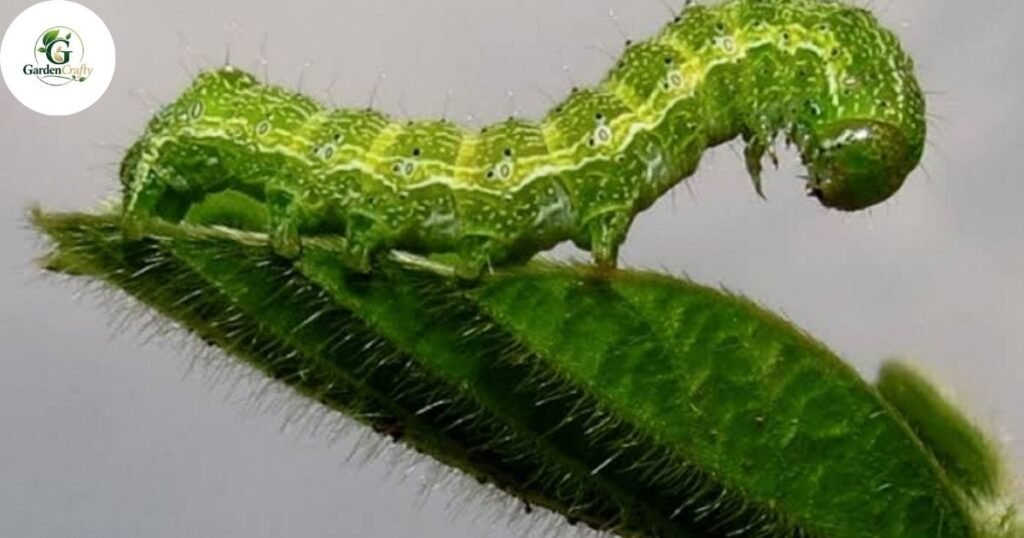
Overseeding Increases Grass Density:By prioritizing overseeding, homeowners can significantly increase grass density, creating a lush, vibrant turf that not only looks great but also fights back against these nuisances. A dense turf acts as a formidable barrier, limiting the spread of pests and diseases, and directly preventing lawn damage before it starts.
Dense Turf Limits Pest and Disease Spread:Cultivating healthier grass varieties through strategic overseeding can enhance natural defenses, ensuring that your lawn is not just beautiful but resilient. Instead of viewing a lush lawn as merely an aesthetic accomplishment, consider it a shield against the relentless march of bugs and blights.
Improved Drought Tolerance
New Roots Help Hold Moisture: Improved drought tolerance in grass is becoming increasingly vital as climate challenges intensify. Specific root systems have evolved that create deeper, more resilient networks, allowing plants to hold onto moisture more effectively.
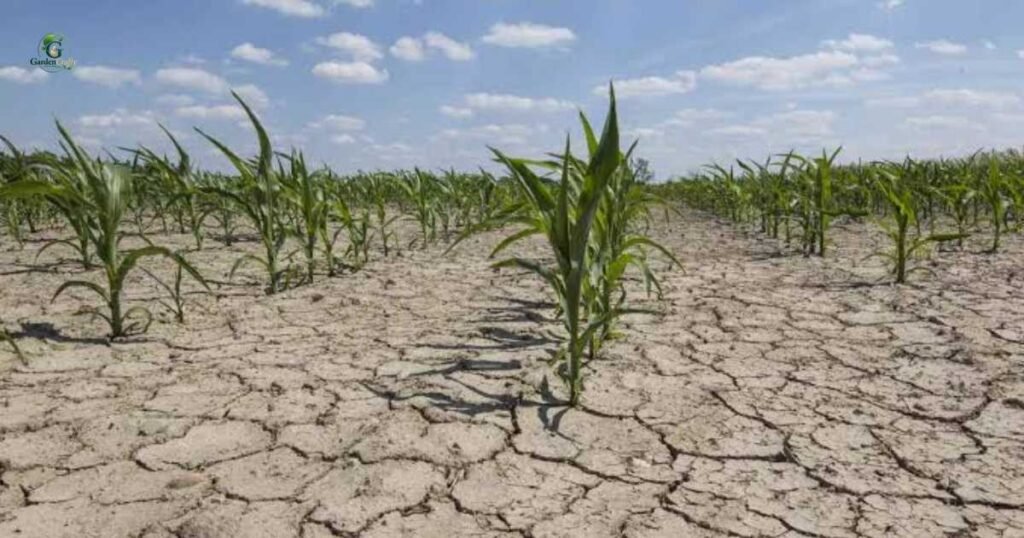
These new roots not only tap into available water sources but also enhance soil moisture retention, creating a more hospitable environment for growth even in arid conditions.
Keeps Grass Green During Dry Periods:This evolution enables grass to maintain its lush green hue during prolonged dry periods, transforming parched landscapes into vibrant environments.
Helps Grass Recover After Rain:This resilience ensures that when the rains do come, the grass recovers faster, utilizing the moisture more effectively. It thrives in tandem with reduced competition for water, providing a thriving ecosystem for beneficial microorganisms in the soil.
By embracing grasses with improved drought tolerance, homeowners and landscape managers can foster sustainable ecosystems that are more reliable and visually pleasing, regardless of changing weather patterns.
Stronger Lawn for Foot Traffic
How Foot Traffic Damages Grass:Foot traffic can severely compromise the health of your lawn, leading to bare patches and weakened turf that struggles to recover. Understanding how grass plants respond to heavy use can guide you in creating a resilient landscape.

Overseeding Strengthens Weak Areas:Strategically overseeding those vulnerable areas, you’re essentially reinforcing your lawn’s natural defenses. This process not only introduces new grass varieties that are better equipped to handle stress but also fills in those weak spots that typically succumb to wear and tear.
Reduces Damage From Foot Traffic:Consider using turfgrass cultivars specifically designed for high traffic areas. These robust strains boast deeper root systems and a denser growth pattern, which can significantly reduce damage from foot traffic. By regularly overseeding, you create a self-sustaining cycle where fresh grass plants emerge, improving the overall density of your lawn.
Reduced Soil Erosion
Why Bare Soil Causes Erosion: Bare soil is a silent adversary in the battle against erosion, allowing wind and water to strip away vital topsoil. When soil is exposed, it becomes increasingly susceptible to the forces of nature, leading to a cycle of degradation that can take years to reverse.
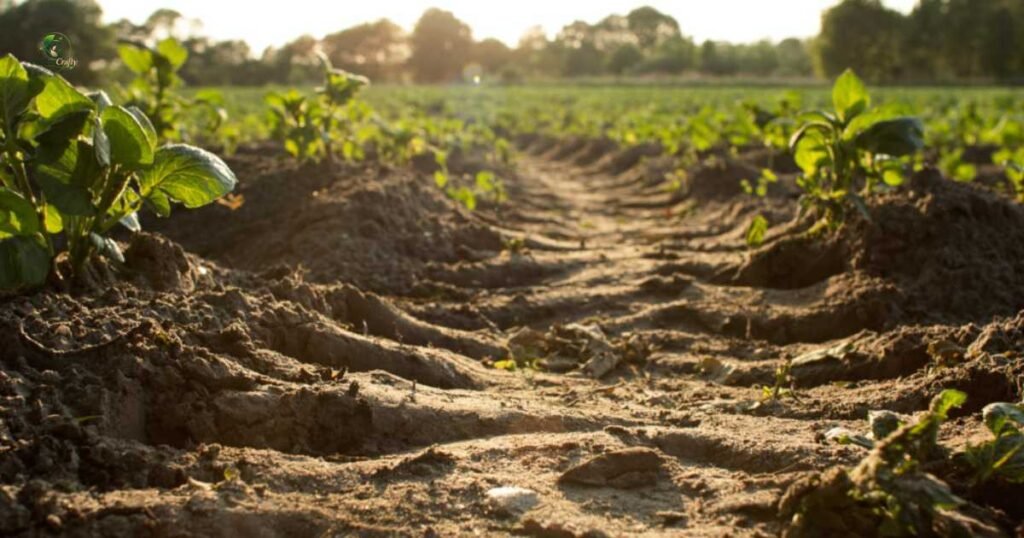
Overseeding Covers Exposed Ground;By introducing practices like overseeding, we can effectively cover this exposed ground, giving nature a helping hand. This not only enhances soil health but also promotes biodiversity as new plant life flourishes.
Grass Roots Hold Soil in Place:Grass roots play a crucial role in this process; their intricate network holds the soil in place, reducing erosion and surface runoff significantly. When properly established, these roots create a natural barrier against the elements. The benefits extend beyond just soil retention; healthier soils foster increased water infiltration, reducing the speed and volume of runoff, which can wash away precious nutrients.
Overseeding Helps Reduce Runoff and Water Pollution
Overseeding plays a crucial role in mitigating runoff and water pollution by enhancing soil health and plant resilience.
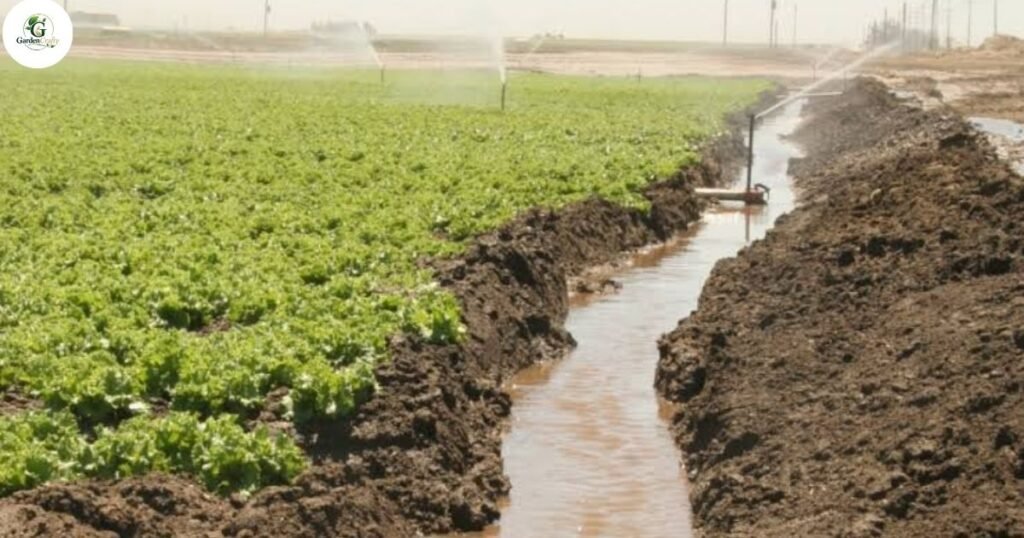
Overseeding Slows Water Movement: When we consider how runoff carries soil and fertilizer away, we uncover a vital connection: a dense, well-established grass layer can significantly slow water movement. This slowing effect allows for more effective absorption, giving grass the opportunity to capture essential nutrients and water, thus preventing them from washing into nearby waterways.
Grass Absorbs Water and Nutrients:Robust grass cover acts like a natural filter, capturing sediment and holding nutrients in the soil where they can be beneficial for plant growth rather than detrimental to aquatic ecosystems. This process not only promotes healthier landscapes but also helps maintain the delicate balance of local water bodies.
By investing in overseeding, landowners can transform their yards into environmental assets that reduce pollution and promote sustainability, ultimately benefiting both our gardens and the larger ecosystem.
Better Drainage and Soil Health
Better drainage and enhanced soil health are intimately connected through the remarkable capabilities of grass roots.
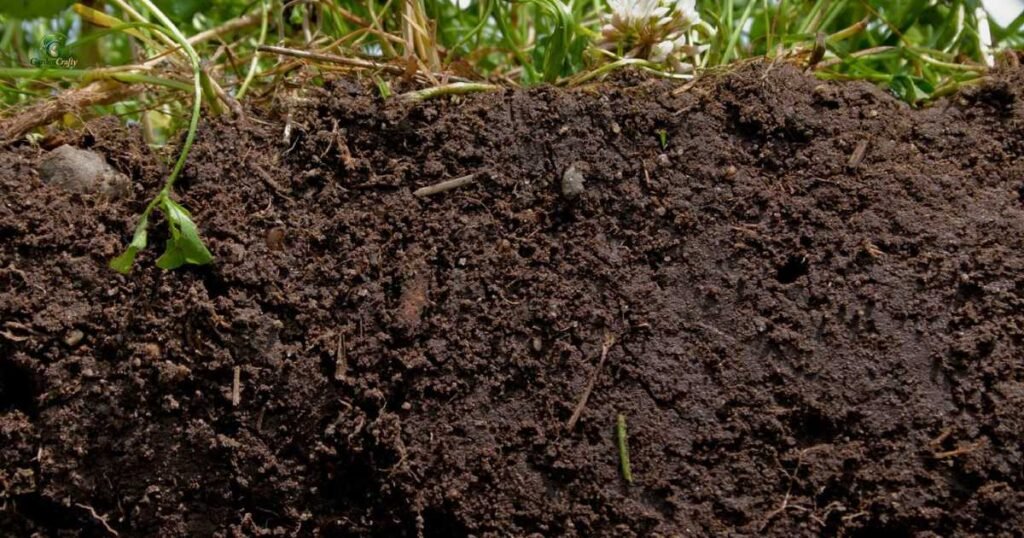
Grass Roots Improve Soil Structure: As these grass roots grow, they break up compacted soil, creating channels that allow air and water to penetrate deeper into the ground. This not only improves water drainage but also optimizes nutrient flow, ensuring that essential minerals reach plant roots efficiently. Healthy soil structure facilitates the movement of air, which is crucial for microorganisms that promote nutrient cycling.
Roots Create Space for Air and Water:Grass roots contribute to long-term soil health by fostering a diverse ecosystem beneath the surface. When roots create space for air and water, they provide an ideal environment for beneficial bacteria and fungi to thrive. These organisms support nutrient availability and enhance soil resilience against erosion and drought.
Supports Long-Term Soil Health:Investing in grass roots not only transforms your garden or pasture but also paves the way for sustainable agricultural practices that benefit future generations. The interplay between roots and soil is a testament to nature’s design, where every element plays a critical role in sustaining life.
Longer Green Lawn Season
A longer green lawn season is something every homeowner dreams of, and understanding the dynamics between older and new grass can significantly enhance the vitality of your yard.

Older Grass Slows Down Over Time: Older grass slows down over time, becoming more susceptible to environmental stressors, newer grasses often stay active longer. This resilience allows them to thrive early in the spring and extend their lush vibrancy well into the fall, creating a stunning landscape that beckons for outdoor gatherings.
Keeps Lawns Green Later in Fall:These varieties not only maintain a vibrant green hue earlier in spring but also hold onto that lushness later into the fall, defying the usual expectations of seasonal decline. Investing in a lawn with a diverse range of grass types can improve over. The choice to incorporate new grass can elevate your outdoor space, transforming it into a lush sanctuary year-round.
Lower Lawn Care Costs Over Time
Investing in proper lawn maintenance can lead to lower costs over time compared to the immediate expense of replacing your lawn with sod. While sod may offer instant gratification, the long-term benefits of nurturing an existing lawn often outweigh that initial outlay.
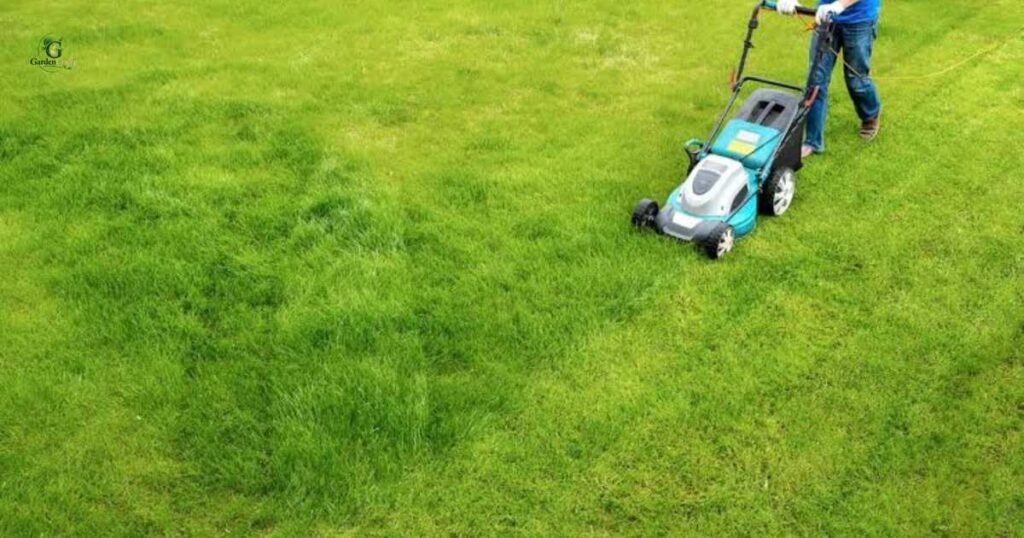
Reduces Future Lawn Repair Work:By cultivating a thicker lawn through regular aeration, overseeding, and optimal watering practices, homeowners can create a robust turf that naturally resists pests and diseases, dramatically reducing future lawn repair work.
Lowers Long-Term Lawn Care Costs:A healthy, lush lawn not only enhances curb appeal but also lowers long-term lawn care costs. Thicker lawns require fewer fixes and less frequent interventions, allowing your budget to stretch further in the years to come.
Sustainable practices like mulching clippings and using organic fertilizers not only enrich the soil but also promote resilience, eliminating the need for costly replacements.
Overseeding vs Sod
| Factor | Overseeding | Sod |
| Cost | Lower | Higher |
| Results | A few weeks | Instant |
| Best For | Thin or weak lawns | Dead or bare lawns |
| Effort | Moderate | Low after installation |
What Lawns Benefit the Most From Overseeding
Overseeding can be a game-changer for thin and bare lawns that often struggle with weed proliferation and traffic damage.
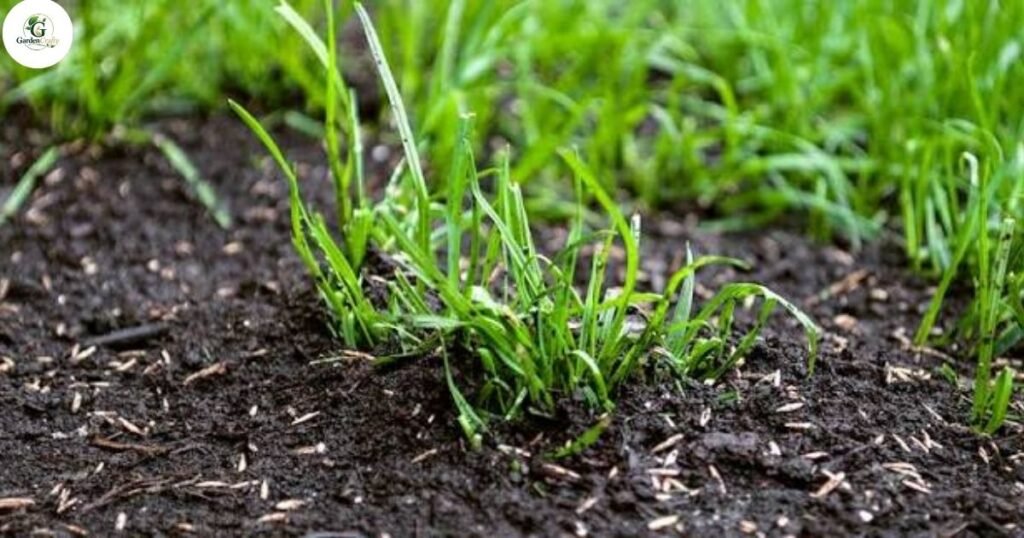
Weed & Traffic Damage: When grass is sparse, it opens the door for persistent weeds, which compete for nutrients and water. By overseeding these areas, you not only enhance the lawn’s density but also create a more resilient ecosystem that naturally suppresses weeds and withstands increased foot traffic.
Heat-damaged grass: It is another prime candidate for overseeding. Summer stress can leave your lawn looking patchy and lifeless, but a strategic overseed can introduce varieties that thrive in hot conditions, restoring vibrancy and health.
Is overseeding right for you?
consider the level of wear your lawn experiences. Lawns subjected to heavy traffic may benefit from overseeding as it helps quicken recovery, fortifying weak spots and promoting lush growth throughout the season. Investing in overseeding can transform your outdoor space into a thriving green oasis, transforming challenges into opportunities for a flourishing lawn.
Best Time to Overseed a Lawn
Timing is everything when it comes to overseeding your lawn, particularly in the spring.
Warm Soil & Slower Weeds: As temperatures rise, the soil warms up, creating a perfect environment for new seed germination. This is the ideal time for overseeding because warm soil encourages faster and healthier growth.
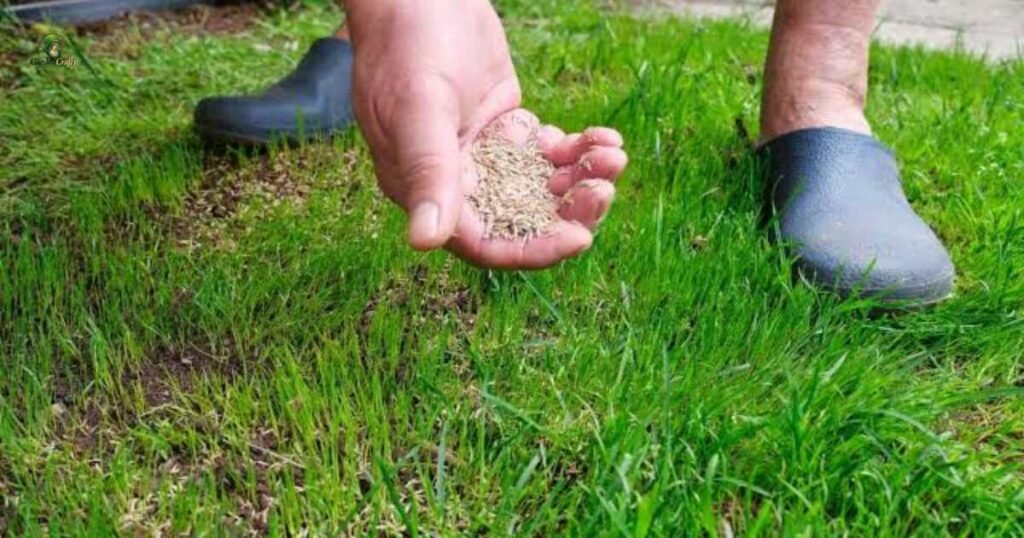
Overseeding in early spring allows grass to establish while weeds are still emerging, which means your young seedlings are less likely to compete with invasive species.
Careful Watering:Careful watering is essential during this critical period. Newly seeded lawns require consistent moisture to thrive, but overwatering can lead to undesirable conditions. With proper attention to watering needs, you can ensure that the newly germinated grass takes root effectively without being hindered by overly aggressive weed growth.
Timing Matters: In this delicate balancing act, remember that timing matters; overseeding too late may result in a patchy lawn, while a well-timed approach will nurture a lush, green carpet just in time for summer enjoyment.
Overseeding After Aeration Improves Results
Overseeding after aeration creates a synergistic effect that significantly boosts lawn health.
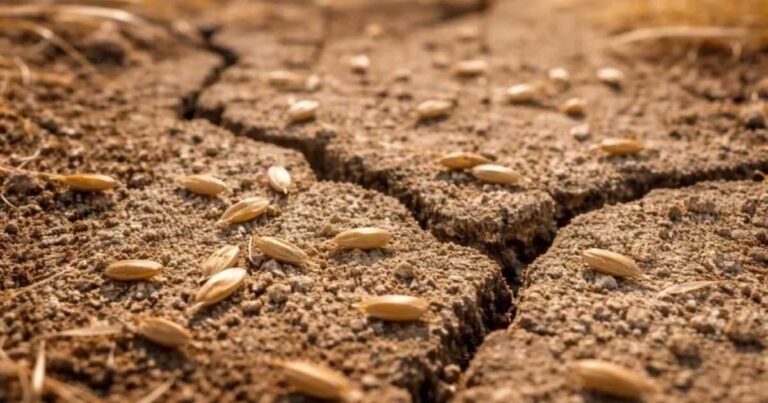
Small Soil Holes: By utilizing small soil holes created during aeration, you enhance air and water flow to the grass roots. This improved accessibility allows seeds to penetrate deeper into the ground, fostering better seed-to-soil contact, which is crucial for germination.
Improved Seed-to-Soil Contact:The even distribution of these seeds ensures more uniform germination across your lawn. When you overseed immediately post-aeration, you capitalize on optimal environmental conditions, reducing competition from existing plants that may inhibit new growth.
With careful attention to this process, you’re not just seeding your cultivating a healthier ecosystem for your turf.
Mistakes That Reduce the Benefits of Overseeding
Skipping Pre-Seeding Mowing:One of the most common mistakes that can undermine the benefits of overseeding is skipping pre-seeding mowing. Cutting your lawn before overseeding not only shortens existing grass blades but also allows better seed-to-soil contact, enhancing germination rates.
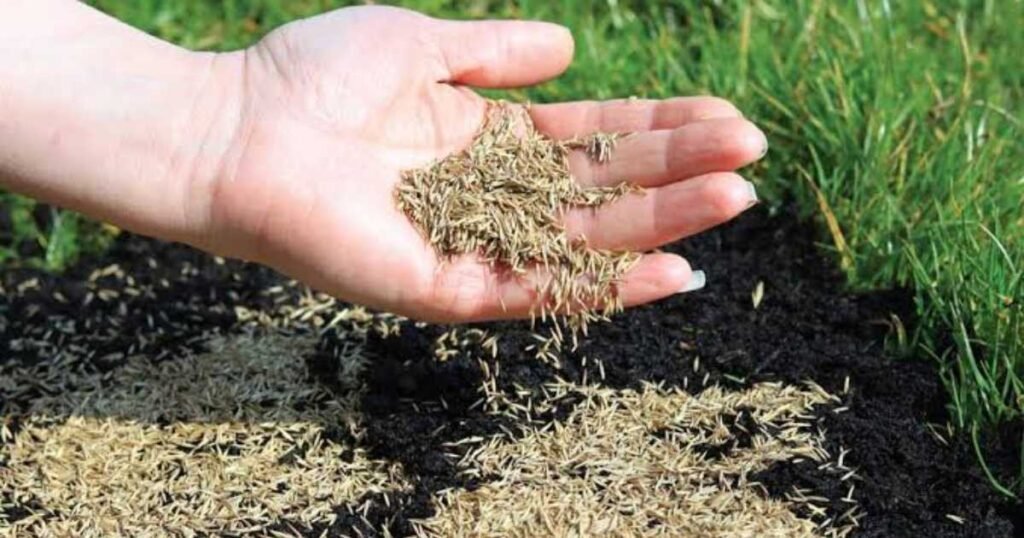
If you bypass this step, you risk having the seeds compete with lush, established grass for sunlight and nutrients, leading to wasted effort and poor results.
Poor Watering: Another critical error is poor watering practices. Overwatering can drown new grass seeds, while underwatering can lead to desiccation, thwarting their growth potential. Establishing a consistent watering schedule is essential for maintaining the ideal moisture level ensuring seeds germinate quickly and thrive.
Wrong Grass Seed:Using the wrong grass seed for your climate or soil type can be an expensive misstep. Choosing seed that is not well-suited to your environment may result in inadequate growth, rendering your overseeding effort ineffective and ultimately disappointing.
When Overseeding May Not Help
Overseeding can seem like a quick fix for patchy lawns, but there are critical scenarios where it might do more harm than good.
Compacted Soil: If your soil is heavily compacted, each seed you sow is likely to struggle for both nourishment and airflow. Instead of a lush carpet, you could end up exacerbating the issue, as the seeds languish beneath a hard surface, unable to germinate effectively.
Wrong Grass Type:Using the wrong grass type can lead to a frustrating mismatch between your landscape and the new seeds. Cool-season grasses in warm climates or vice versa can set you up for disappointment, as the newly overseeded areas fail to thrive.
Inconsistent Watering: Inconsistent watering can undermine even the best efforts; if the soil isn’t consistently moist, germination rates plummet, leaving patches bare. In these cases, focusing on soil improvement like aerating or amending with organic matter could yield far better long-term results than simply overseeding.
How Long Before You See Results?
Early Sprouting :As you eagerly await early sprouting and new grass growth, it’s essential to invest time and understand the underlying processes at play. The first signs of life may appear within a week or two, but expect a fuller, thicker lawn to take a bit longer to establish roots and thrive.
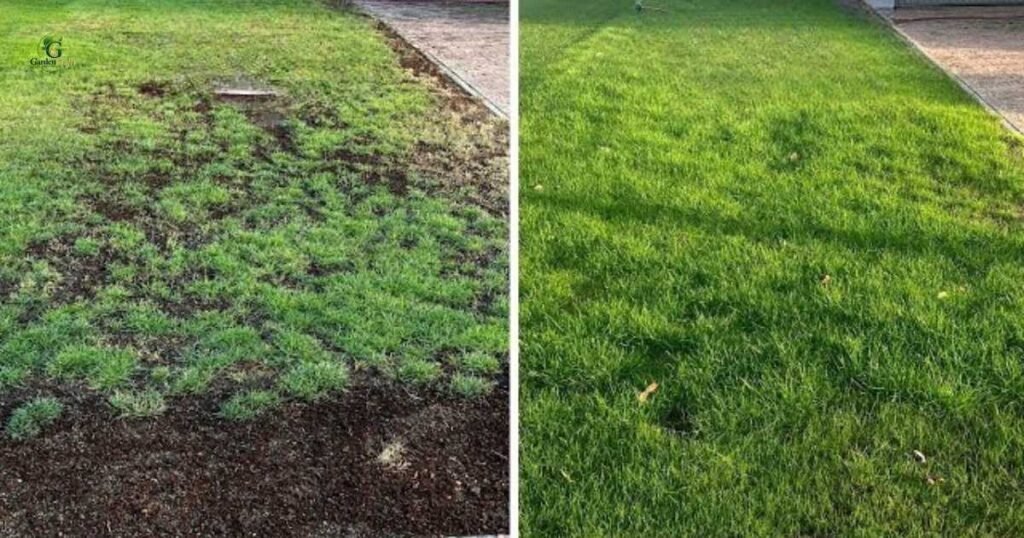
New Grass Growth:The waiting period may test your patience, but remember that healthy grass isn’t solely about visible growth; it’s about cultivating a robust root system. During this initial phase, ensure you’re providing adequate water and nutrients, as these factors significantly influence your lawn’s development.
Patience Pays Off: Embracing patience pays off in the long run, leading to a lush, green carpet that not only beautifies your space but also contributes to environmental health. Trust the process, and soon enough, you’ll be celebrating the transformation of your lawn into the vibrant oasis you envisioned.
You may also read: Zoysia Grass What Is Compact Soil? Natural Weed Killer
Benefits of Overseeding for Cool-Season Lawns
Cool-Season Grass:Overseeding is a powerful tool for enhancing cool-season lawns, especially as the warmer soil temperatures host seeds that thrive in cooler air. This method not only rejuvenates tired grass but also fosters a healthier lawn ecosystem.
By introducing new seeds, homeowners can combat diseases and pests that stress existing grass, paving the way for vibrant, lush growth that flourishes before winter sets in.
Thicker Grass Before Winter: of the most rewarding benefits of overseeding is the promotion of steady growth, leading to a thicker turf that can withstand the challenges of cooler months.
The combination of optimal seed germination in warm soil and the invigorating effects of cool air allows for faster sprouting and an impressive establishment of grass.
Benefits of Overseeding for Warm-Season Lawns
Active Growth Periods: Overseeding during active growth periods offers a transformative boost for warm-season lawns, helping them flourish with improved density and resilience.
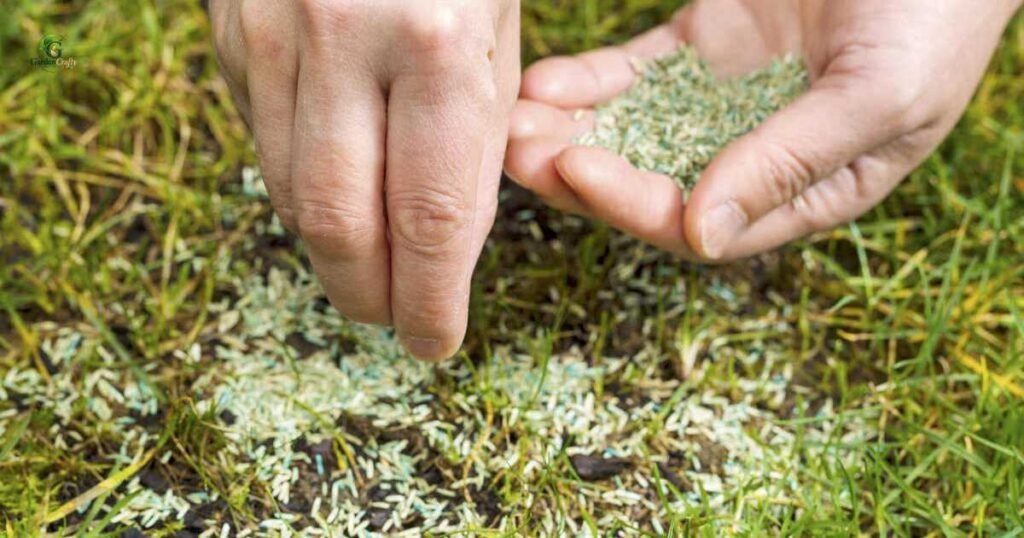
Filling Thin Areas: By filling thin areas with robust new grass varieties, homeowners can ensure better lawn coverage that not only enhances aesthetics but also promotes healthier growth. This technique allows for a seamless blend of existing grass with fresh seedlings, resulting in a denser turf that can withstand the challenges of the warm months.
Faster Heat-Stress Recovery: Introducing new grass types adept at quick heat-stress recovery can further fortify your lawn. As temperatures rise, these resilient varieties can handle the stress more effectively, alleviating concerns about brown patches or wilting.
The strategic timing of overseeding can lead to a lawn that not only looks vibrant but also exhibits remarkable endurance throughout the season.
How Much Grass Seed Is Usually Needed
| Lawn Type | Typical Seed Amount (per 1,000 sq. ft.) |
| Cool-Season Mix | 4–6 lbs |
| Bluegrass | 2–3 lbs |
| Warm-Season Mix | 1–2 lbs |
When Overseeding Results May Fall Short
Overseeding can breathe new life into a tired lawn, but the results can sometimes disappoint.
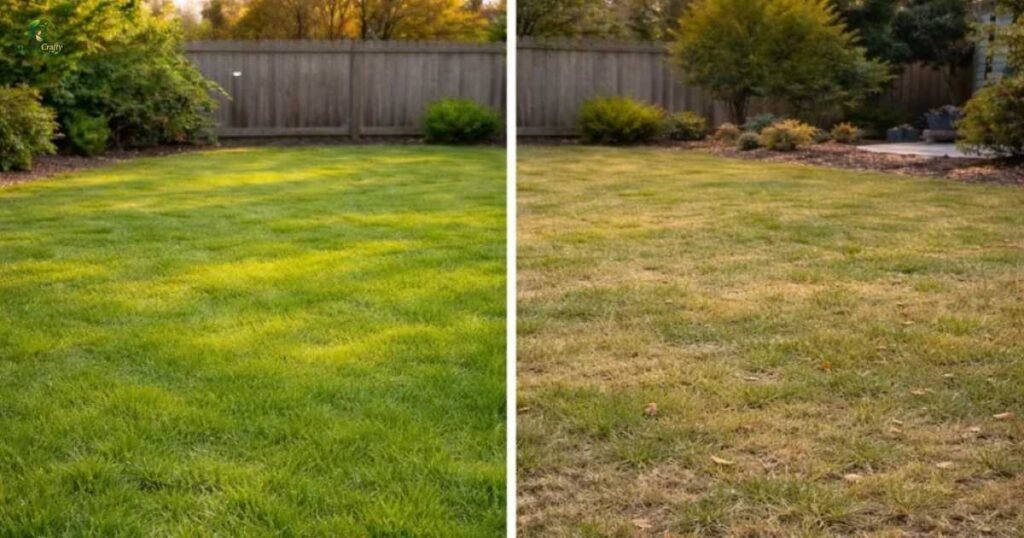
Poor Seed-to-Soil Contact: One common pitfall is poor seed-to-soil contact, which hinders germination. Without proper contact, seeds may languish, deprived of the essential conditions needed for growth. This can turn a well-intentioned effort into a wasted endeavor, leaving bare patches where vibrant grass should thrive.
Insufficient Watering:Insufficient watering is often overlooked. After overseeding, maintaining consistent moisture is crucial; seeds need a damp environment to sprout. Neglecting this aspect can lead to a lack of robust growth, leaving the lawn looking patchy.
Ignored Soil Problems: Ignored soil problems, such as compaction or nutrient deficiencies, may impede seed establishment. Addressing these underlying issues beforehand can pave the way for a far better over seeding success, ultimately transforming your lawn from a disheartened landscape into a lush, verdant haven.
Benefits of Overseeding Lawn
Overseeding a lawn helps fill in thin, bare, or damaged areas with fresh grass. It creates a thicker and healthier-looking lawn while improving its overall appearance. New grass can also help crowd out weeds and reduce exposed soil. With proper watering and care, overseeding can restore a lawn without completely replacing it.
Overseeding can also improve the lawn’s ability to handle regular foot traffic and environmental stress. A dense layer of grass helps protect the soil from erosion and moisture loss. It may also improve the lawn’s color and uniformity throughout the growing season. Choosing the right seed for your existing grass is important for the best results.
Benefits of Overseeding
Benefits of overseeding is that it improves lawn density without requiring a complete renovation. Fresh grass seed grows into weak or sparse areas, creating a fuller and more attractive surface. This can make an older lawn look younger and healthier. Overseeding is also generally less disruptive than starting a lawn from scratch.
Regular overseeding can help maintain strong grass coverage as the lawn ages. It can replace grass plants that have been damaged by drought, disease, insects, or heavy use. A thicker lawn may also make it harder for weeds to establish themselves. When combined with proper mowing, watering, and fertilizing, overseeding can support long-term lawn health.
Benefits of Overseeding With Ryegrass
Overseeding with ryegrass: can provide quick germination and a green appearance when existing warm-season grass becomes dormant. Ryegrass is commonly used to maintain a green lawn during cooler months. It can also provide temporary coverage over areas that look thin or brown. This makes it a popular choice for seasonal lawn improvement.
Ryegrass can create a dense surface that improves the appearance and usability of a lawn during winter. It generally establishes faster than many other cool-season grasses when conditions are suitable. However, it may compete with permanent grass when temperatures rise. Proper timing and seed rates are important to prevent unwanted competition.
Benefits of Overseeding in Fall
Overseeding cool-season lawns: Soil temperatures can remain favorable while air temperatures become cooler. These conditions support seed germination and early root development. Fall overseeding can help repair summer damage caused by heat, drought, and heavy activity. It also gives new grass time to establish before winter.
Overseeding in fall can produce a thicker lawn that enters winter in better condition. Cooler weather can reduce stress on young grass compared with hot summer conditions. Adequate moisture and good seed-to-soil contact are still essential for successful establishment. Preparing the lawn properly before seeding can significantly improve results.
Benefits of Aeration and Overseeding
Aeration and overseeding work: well together because aeration creates openings in compacted soil. These openings allow grass seed to reach the soil more easily and improve contact between seed and soil. Aeration can also help air, water, and nutrients move into the root zone. This creates better conditions for new grass to establish.
Combining these two practices can be especially useful when a lawn is thin or growing poorly because of soil compaction. The new seedlings can develop through the openings created during aeration. This may result in better germination and more consistent grass coverage. Watering the lawn properly after treatment is important for supporting new growth.
Benefits of Aerating and Overseeding Lawn
Aerating and overseeding a lawn can help improve both soil conditions and grass density at the same time. Aeration reduces compaction and creates small channels through the soil. Overseeding then introduces fresh grass seed into areas where existing plants are weak or missing. Together, these practices can help rejuvenate an aging lawn.
This combination can also improve the lawn’s ability to recover from everyday wear and environmental stress. New grass fills gaps while established grass continues to provide existing coverage. Better soil access can support stronger root development when moisture and nutrients are available. For the best results, both practices should be performed during the appropriate growing period for the grass type.
Benefits of Core Aeration and Overseeding
Core aeration removes small plugs of soil from the lawn, helping relieve compaction more effectively than simply making surface holes. It improves access to air, water, and nutrients around the grass roots. After core aeration, grass seed can settle into the openings and make better contact with the soil. This makes core aeration and overseeding a useful lawn-renovation combination.
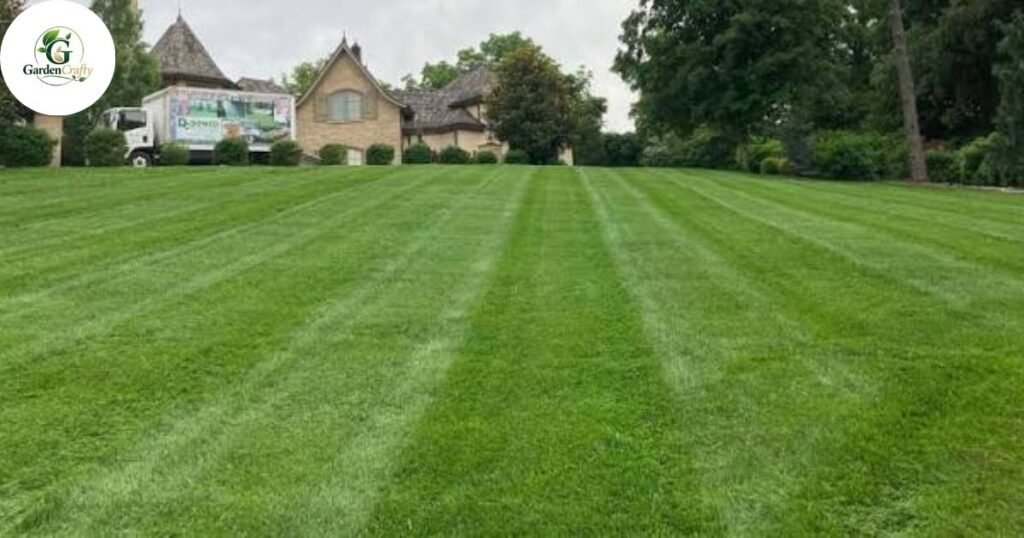
The process can help improve thin areas and encourage new grass growth without completely removing the existing lawn. As the soil plugs break down, organic material can return to the soil surface. New seedlings can establish in the spaces created by the aeration process. Consistent moisture and suitable growing conditions are essential after overseeding.
How Effective Is Overseeding?
Overseeding can be highly effective: when the lawn has thin areas but still contains a healthy base of existing grass. Its success depends on factors such as seed quality, soil preparation, moisture, temperature, and timing. Good seed-to-soil contact is particularly important for successful germination. Proper mowing and watering after seeding can further improve establishment.
Overseeding is not always the best solution for severely damaged or completely bare lawns. Poor soil conditions, heavy thatch, extreme compaction, or unsuitable grass varieties can limit results. Preparing the soil and selecting seed that matches the lawn’s growing conditions can make a significant difference. With proper care, overseeding can gradually create a thicker and healthier lawn.
Can You Use Too Much Seed When Overseeding?
Yes, using too much seed when overseeding can create problems rather than producing a better lawn. Excessive seedlings may compete with one another for water, nutrients, sunlight, and space. This competition can result in weak grass plants and uneven growth. Following the recommended seeding rate for the specific grass variety is therefore important.
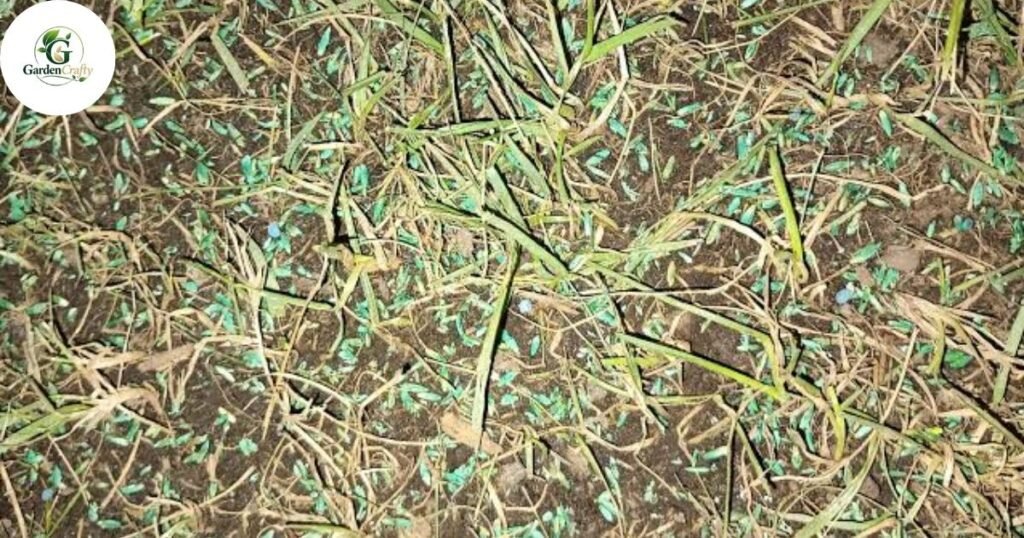
Using the correct amount of seed allows each plant enough room and resources to develop properly. Too much seed can also make the lawn more vulnerable to disease because dense growth may restrict airflow. Applying seed evenly helps create consistent coverage without overcrowding. For the best results, always follow the seed manufacturer’s recommended application rate.
Conclusion
The benefits of overseeding a lawn extend far beyond mere aesthetics; they contribute to a healthier ecosystem in your own backyard. Regular overseeding helps rejuvenate tired grass, encourages a diverse plant community, and reduces the prevalence of weeds.
It’s a proactive measure that prepares your lawn for changing weather conditions and enhances its overall durability. The small investment of time and effort in overseeding can yield substantial rewards, providing you with a beautiful outdoor space for years to come.
FAQs
Do I really need to overseed my lawn?
Overseeding your lawn can be a valuable practice, especially if you want to maintain a lush and healthy appearance. This process involves spreading grass seed over your existing turf, which can help fill in bare spots.
Can you overseed directly on a lawn?
You can overseed directly on an existing lawn, and it’s a common practice for improving the health and appearance of your grass. It’s crucial to prepare the lawn properly. Start by mowing the grass shorter than usual and raking up any debris which could hinder seed-to-soil contact.
What are the common overseeding mistakes?
Overseeding can be a great way to enhance a lawn, but several common mistakes can hinder its success. One of the biggest errors is not properly preparing the soil beforehand. Failing to aerate or rake the lawn can lead to poor seed-to-soil contact, which is essential for germination.
What is the difference between seeding and overseeding?
Seeding refers to the initial process of planting grass seeds in bare or newly cultivated soil. This is typically done when establishing a new lawn or repairing large patches where grass has died out. Overseeding is the practice of spreading grass seeds over an existing lawn.
What is the proper way to overseed a lawn?
The first step is to prepare the lawn by mowing it to a lower height than usual to allow the seeds to make good contact with the soil. Spread the grass seed evenly across the lawn using a broadcast spreader, ensuring you follow the recommended seeding rate for your specific grass type.