Zoysia Grass: Seed Selection, Types, Best Fertilizer, Seasonal Impact for Planting
This article dives deep into the numerous advantages of Zoysia grass, including seed selection and the various types available, ensuring you make informed choices for your lawn.
Zoysia grass might just be your secret weapon. We’ll uncover everything you need to know about choosing the right Zoysia grass seeds, the types available, and which fertilizers work best for its thriving growth. You’ll also gain insights into seasonal care to ensure your lawn flourishes year-round.
At first Choosing the Right Grass Seed
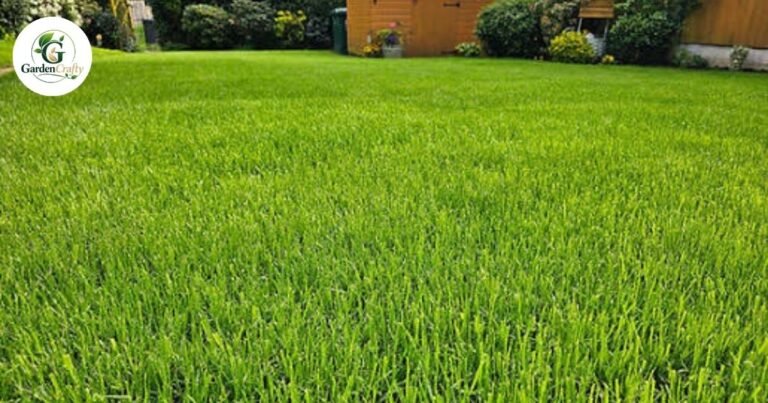
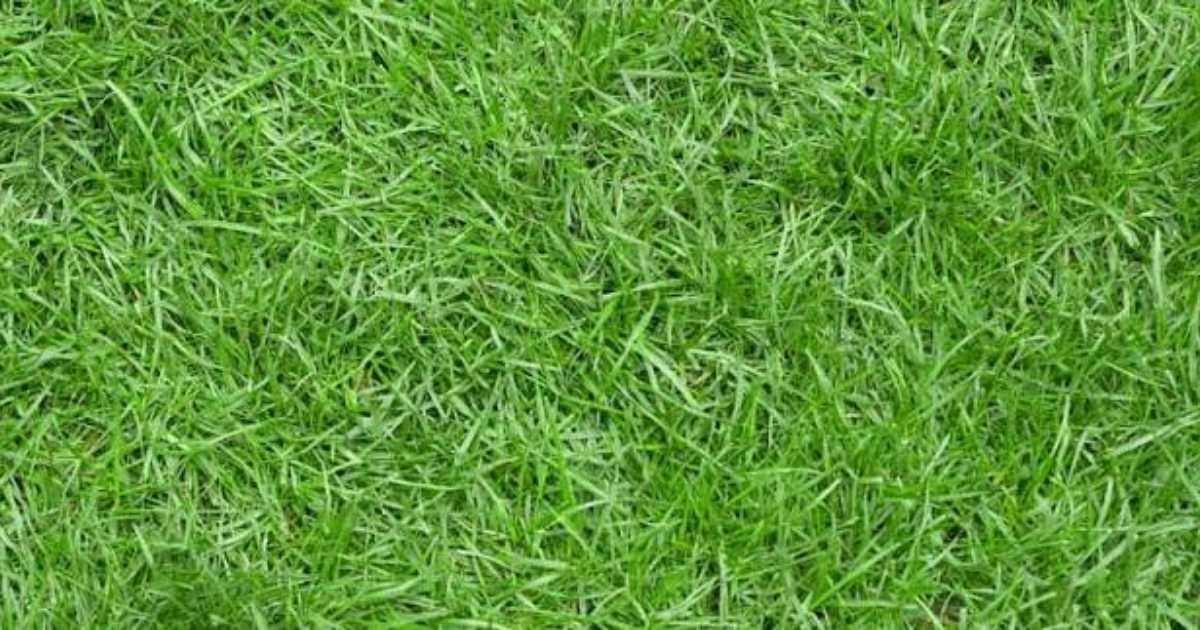
Zoysia thrives in warmer climates, offering a lush, carpet-like appearance that stands out against conventional grasses. Its ability to choke out weeds makes it an appealing option for lawn enthusiasts seeking a low-maintenance solution.
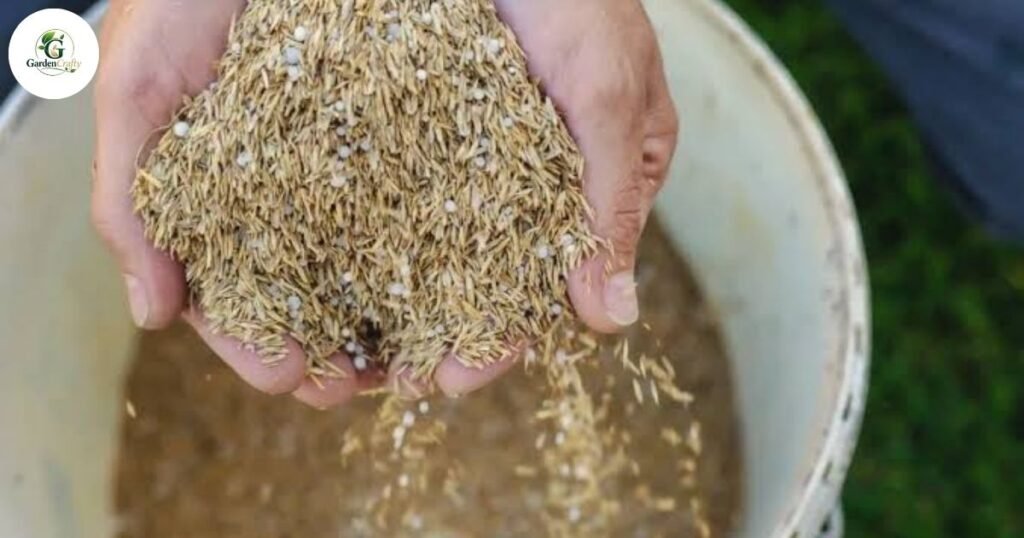
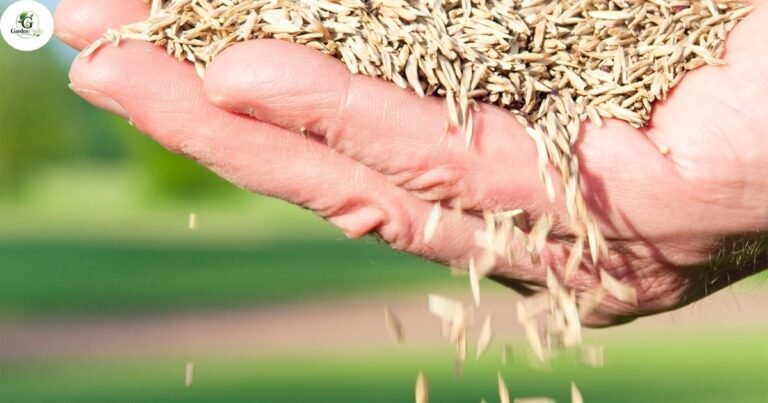
The debate between coated vs. uncoated Zoysia seeds also plays a significant role in your selection process. Coated seeds, often treated with fertilizers or herbicides, can provide an early boost, but they might not be suitable for all soil types. Uncoated seeds may require more initial care, such as consistent watering and monitoring of ideal temperature and moisture conditions for germination.
Ideal Temperature and Moisture for Germination Zoysia grass seeds prefer temperatures between 70°F to 90°F with consistent moisture levels, ensuring a robust start and maximizing their potential to thrive in your yard. Making the right choice now sets you up for a vibrant lawn for years to come.
Common Zoysia Grass For Lawn
Zoysia grass is a popular choice for lawns due to its resilience and adaptability, making it ideal for various climates.
Zoysia Japonica: Features, Uses & Varieties: Zoysia Japonica stands out with its robust features and versatility. This variety is known for its wear tolerance and ability to thrive in both sun and partial shade. Commonly used for residential lawns, it offers several cultivars, including Meyer and Emerald, renowned for their fine texture and lush green appearance.
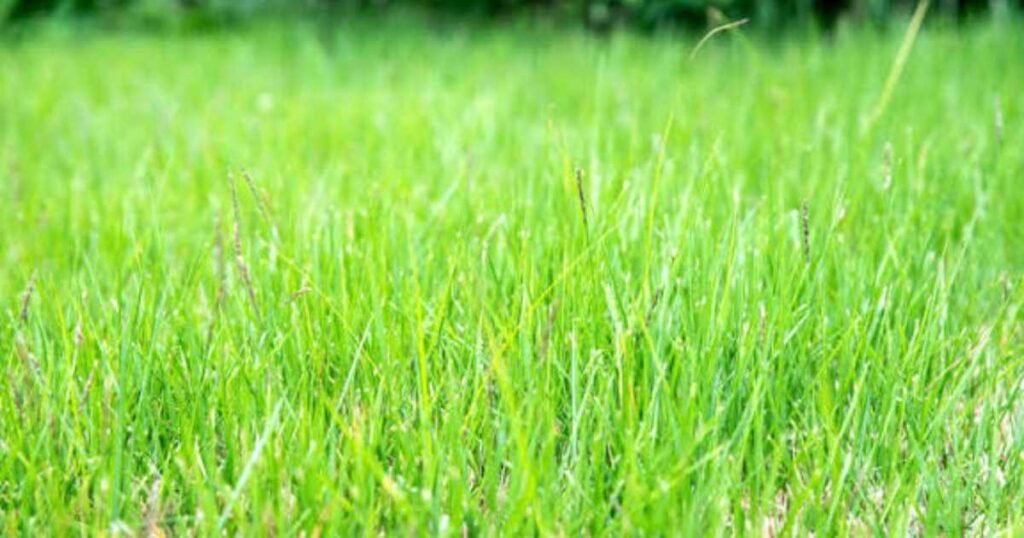
Zoysia Matrella & Tenuifolia: Features and Uses: It brings unique characteristics to the table. Zoysia Matrella, sometimes referred to as the “Manilagrass,” exhibits a dense growth pattern that creates a soft carpet effect underfoot, ideal for high-end lawns and golf courses.
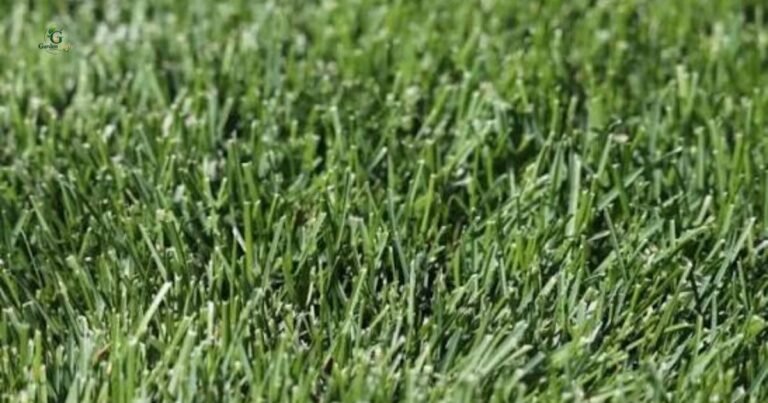
Zoysia Tenuifolia, or the “Korean Velvet Grass,” is prized for its exceptional drought resistance and low growth habit, requiring minimal mowing. Each of these Zoysia grass varieties presents distinct growth characteristics, catering to different aesthetic and functional requirements, ultimately allowing homeowners to create dynamic, resilient landscapes in diverse environments.
You may also read: Difference Between Weeds and Grass
   Natural Weed Killer
                What Fertilizer to Use in Spring
How to Plant Zoysia Grass Seed?
Planting Zoysia grass seed can transform your lawn into a lush, resilient oasis, but timing and preparation are key to success.
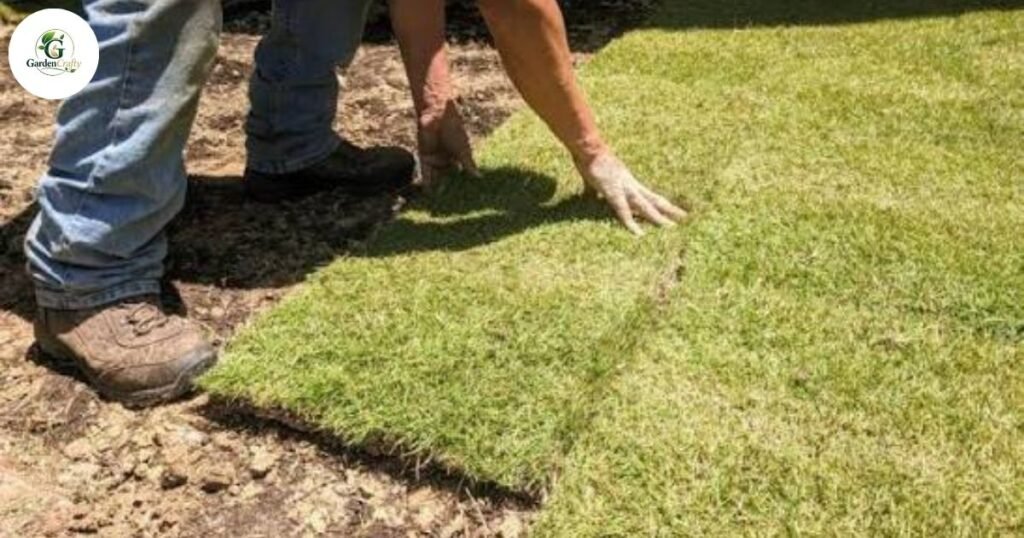
Best Time to Plant Zoysia Grass:The best time is during the warm months, typically from late spring to early summer, when soil temperatures reach at least 70°F. This warmth triggers seed germination, allowing the grass to establish itself robustly.
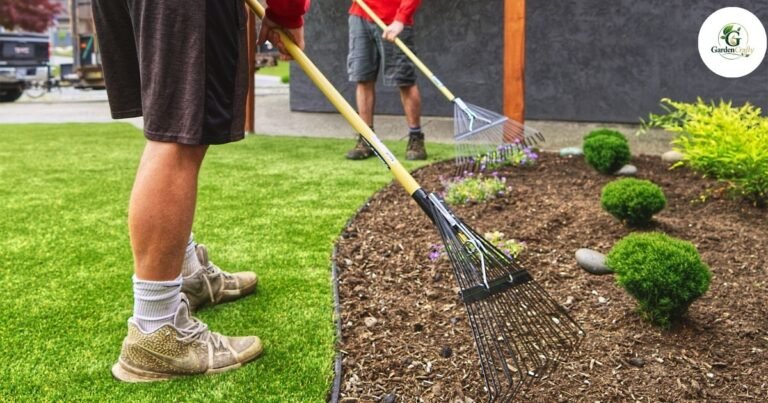
Preparing the Soil Before Planting:Clear the area of debris, create an even surface, and till the soil to a depth of at least six inches. Testing soil pH and adding necessary amendments can foster a healthy growth environment.
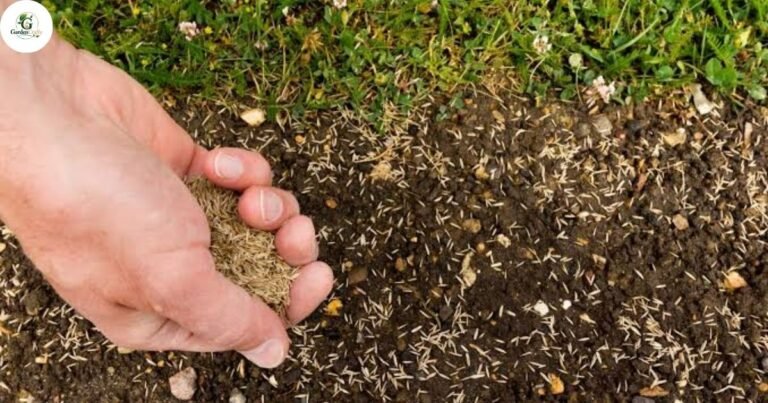
Spread and Press Zoysia Seed: Used a broadcast spreader for even coverage. Aim for a rate of about one to two pounds of seed per 1,000 square feet. After sowing, lightly press the seeds into the soil this enhances seed-to-soil contact and improves germination rates.
Watering and Germination Requirements Watering is critical; keep the soil consistently moist but not saturated. Germination can take anywhere from two to three weeks, so patience is essential. During this period, avoid foot traffic on your newly planted lawn to ensure the seedlings thrive. With care and attention, your Zoysia grass will flourish, providing a beautiful, dense carpet for your outdoor space.
The Best Fertilizer for Zoysia Grass
Nurturing Zoysia grass, understanding its fertilizer requirements is key to achieving that lush, green lawn.
Best Fertilizer Blend for Zoysia:The best fertilizer blend for Zoysia typically contains a balanced ratio of nitrogen, phosphorus, and potassium, which are essential for promoting healthy growth and rooting.
Look for products labeled with an N-P-K ratio of around 3-1-2; this ensures adequate nitrogen for lush foliage, phosphorus for root development, and potassium for overall resilience against environmental stress.
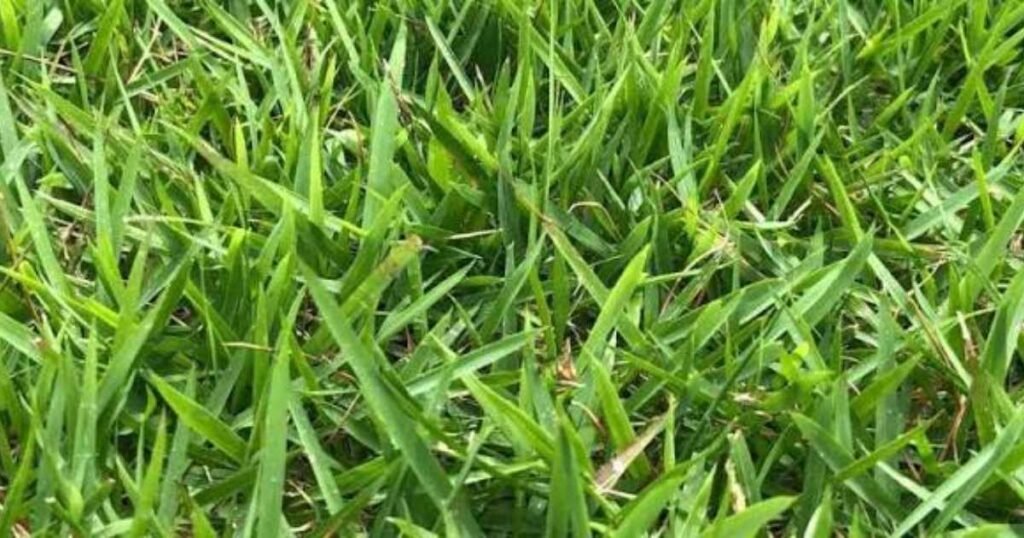
How to Avoid Over-Fertilizing Zoysia Grass: Applying too much fertilizer can lead to excessive growth, increased susceptibility to pests, and even lawn burn. A soil test can provide insight into existing nutrient levels, helping you tailor your fertilization approach.
Opting for slow-release fertilizers can minimize the risk of over-fertilization, providing a steady supply of nutrients throughout the growing season and ensuring your Zoysia grass thrives without the pitfalls of overindulgence.
When to Fertilize?
Spring fertilization: This timing is crucial for maximizing plant vigor. As temperatures rise and days lengthen, plants awaken from dormancy and begin their growth cycle.
This is the perfect opportunity to apply a balanced fertilizer, as it promotes robust root development and lush foliage. Consider using a slow-release formula that supplies nutrients gradually, supporting sustained growth throughout the season.
Mid-summer fertilization: It can also be beneficial, particularly for heavy feeders like vegetables and flowering annuals. However, moderation is key; over-fertilizing during this period might lead to excessive growth that reduces plant resilience and predisposes them to stress. It’s an ideal time to assess your plants’ nutrient needs, adjusting your fertilization based on their performance and growth habits.
Avoid late-fall fertilizing: As this can lead to nutrient runoff and plant vulnerability. Applying fertilizer too late encourages new growth that may not harden off before winter, making plants susceptible to frost damage.
By focusing your fertilization efforts in spring and mid-summer, you set your garden up for enduring beauty and health, ensuring that your plants are not only thriving but also well-prepared for the changing seasons.
Zoysia vs. Bermuda Grass: Which Is Right for Your Lawn?
Zoysia grass vs. Bermuda is a common comparison when choosing warm-season turf.
Both grasses perform well in warm weather and can tolerate periods of heat. Zoysia generally grows into a dense, carpet-like lawn with slower establishment. Bermuda usually spreads quickly and performs especially well in sunny areas.
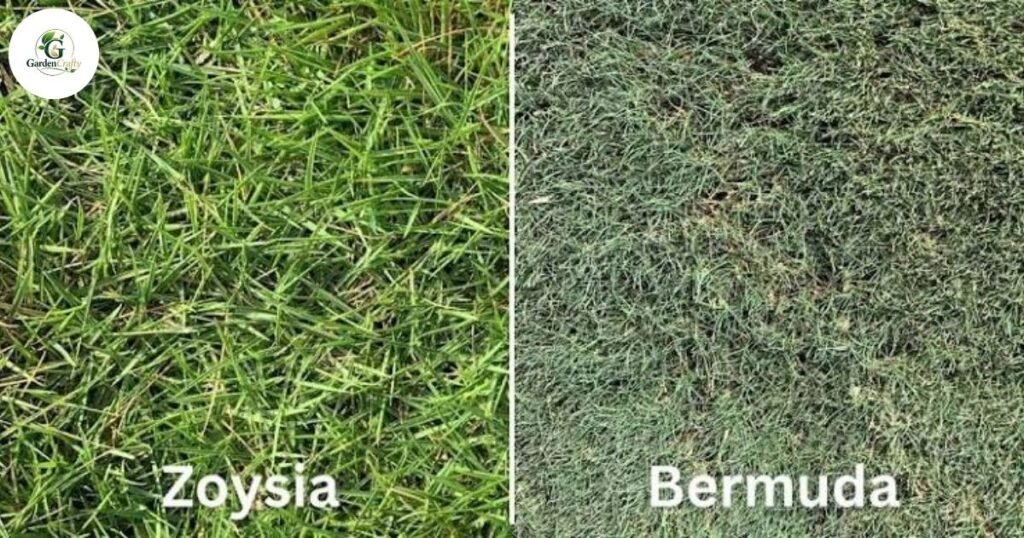
When comparing Zoysia grass vs. Bermuda, consider sunlight and maintenance needs. Bermuda typically prefers full sun and can spread aggressively under good conditions. Zoysia can offer better tolerance for some partially shaded lawn areas. Your local climate and intended lawn use should guide the final choice.
Zoysia and Bermuda also differ in their growth and recovery patterns.Bermuda can recover quickly from heavy traffic because of its vigorous spreading habit.Zoysia forms dense turf that can also handle regular lawn activity.
Both require appropriate mowing, watering, fertilizing, and seasonal care.
Zoysia Grass Scientific Name
The scientific name Zoysia grass comes from the genus Zoysia. Several turfgrass species belong to this genus and are used for lawns .Common species include Zoysia japonica, Zoysia Marella, and Zoysia tenuifolia. Each species has different growth habits and lawn characteristics.
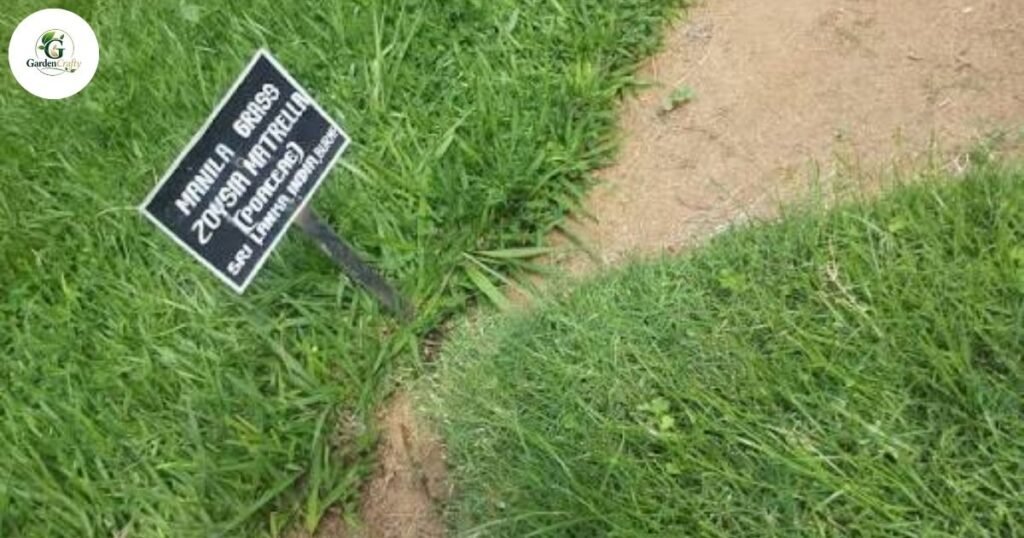
Knowing the Zoysia grass scientific name can help when selecting a specific variety. Zoysia japonica is widely used because of its adaptability and winter tolerance. Zoysia Marella is known for producing fine-textured and dense turf. Zoysia tenuifolia generally has a very fine texture and slower growth.
Different Zoysia species can vary in color, texture, and establishment speed.Some varieties are better suited to colder areas than others.Others are selected for their fine appearance and dense growth pattern.
Understanding these differences makes it easier to choose suitable turf for your lawn.
Zoysia Grass Types:Best Varieties Compared
There are several Zoysia grass types available for residential and commercial lawns. Popular types include Zoysia japonica, Zoysia Marella, and Zoysia tenuifolia. They differ in blade texture, growth rate, shade tolerance, and cold tolerance. Selecting the right type depends on your lawn’s growing conditions.
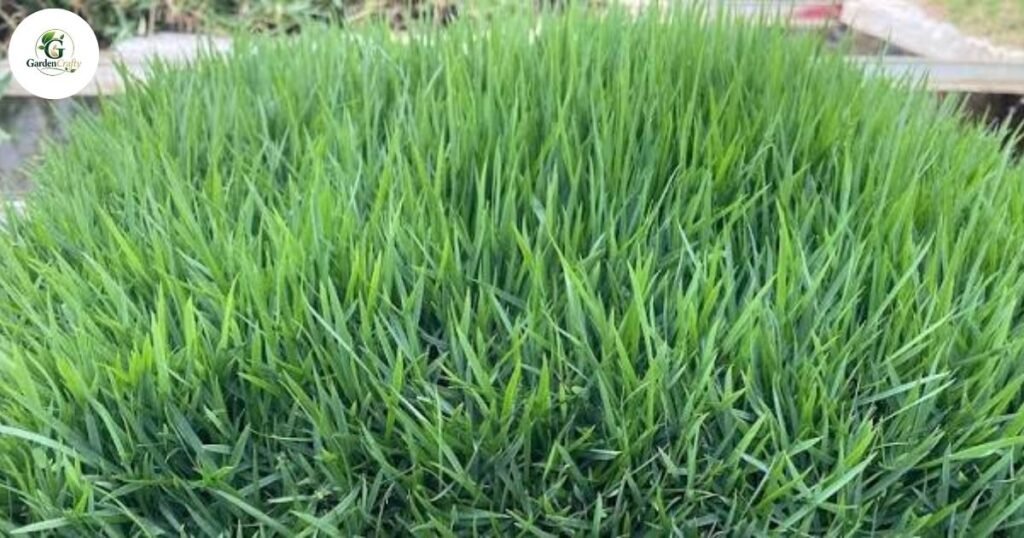
Zoysia japonica varieties are often chosen for their durability and adaptability.Zoysia matrella varieties can create dense turf with a finer appearance.Zoysia tenuifolia is valued for its very fine blades and soft lawn texture.Each type has advantages depending on climate, sunlight, and maintenance preferences.
When choosing among Zoysia grass types, consider how much sunlight your lawn receives .You should also think about soil quality, rainfall, and expected foot traffic .A suitable variety can establish more successfully when matched to local conditions .Proper mowing and watering will further support healthy Zoysia growth.
Zoysia Grass Common Name
Zoysia grass is commonly known simply as Zoysia or Zoysia turfgrass. The name refers to several warm-season grasses belonging to the Zoysia genus. These grasses are widely used for lawns, sports fields, and landscaping .Their dense growth makes them popular for creating attractive turf.
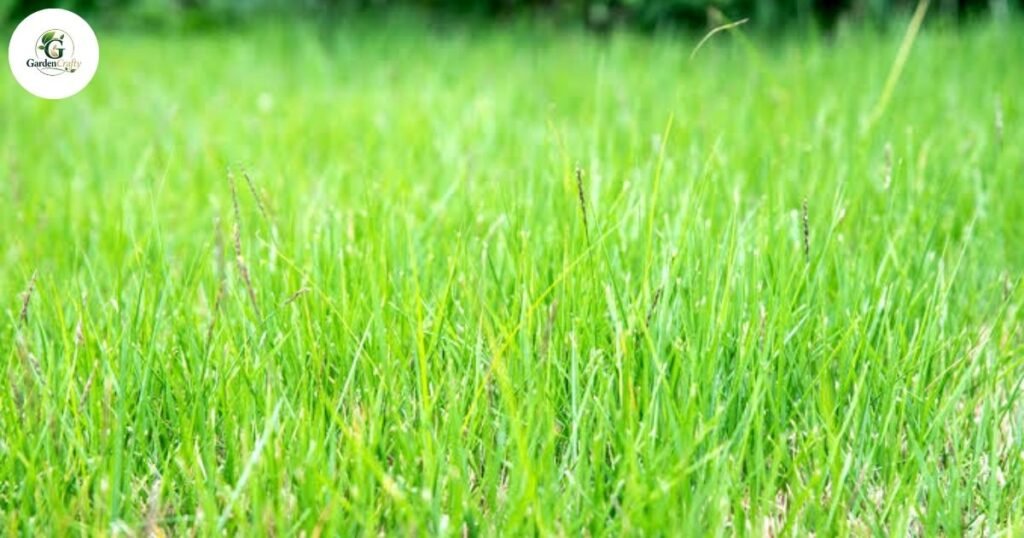
The Zoysia grass common name can vary slightly depending on the variety.Some specific cultivars are marketed under their individual variety names.Garden centers and turf suppliers may also describe them as Zoysia turf or Zoysia sod.Checking the scientific and variety names can prevent confusion when purchasing.Zoysia is especially popular in regions with warm growing seasons.
It can create dense turf when grown under suitable conditions.Many homeowners choose it because it can tolerate heat and moderate drought.Regular maintenance helps the grass maintain a healthy and uniform appearance.
Zoysia Grass for Sale
Finding Zoysia grass for sale is usually easy through local turf suppliers and garden centers. It may be available as seed, sod, plugs, or established pieces of turf. Availability depends on the Zoysia variety and your local growing region .Always check that the product is suitable for your climate before buying.
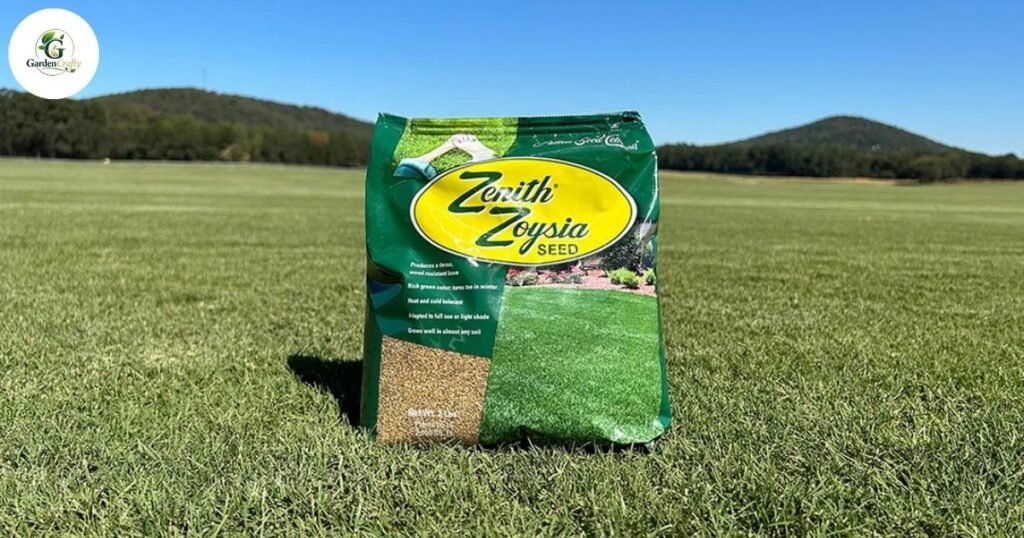
Zoysia sod is a convenient option when you want faster lawn coverage.Seed can be useful for larger areas where a slower establishment period is acceptable.Plugs can also be planted gradually to reduce the initial amount of material needed.The best option depends on your budget, lawn size, and preferred establishment speed.
Before purchasing Zoysia grass for sale, compare the variety and quality carefully.Look for healthy turf with good color and minimal signs of weeds or disease.Ask the supplier about recommended planting times and maintenance requirements.Choosing quality material can give your lawn a stronger start.
Zoysia Grass Price
The Zoysia grass price can vary depending on the variety and form you purchase .Seed, sod, and plugs generally have different costs and installation requirements. The size of your lawn will also affect the total amount you need to spend .Local availability can further influence pricing.
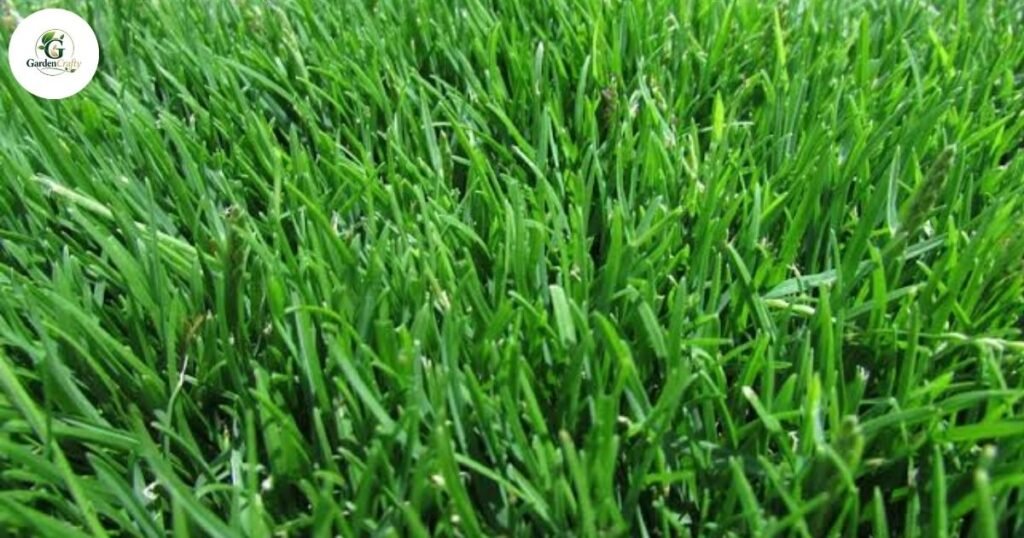
Zoysia sod usually costs more initially because it provides established turf.Seed can have a lower starting cost but may require more time to establish.Premium Zoysia varieties may also cost more than standard options.Comparing several suppliers can help you understand the available price range.
When considering Zoysia grass price, include preparation and installation costs.You may need to budget for soil preparation, delivery, fertilizer, and watering.Professional installation can add to the overall project cost as well.Planning the complete budget helps avoid unexpected lawn expenses.
Zoysia Grass Problems
Although Zoysia is generally durable, it can experience several common lawn problems.
Poor drainage, excessive shade, and incorrect watering can weaken the turf. Pests and fungal diseases may also affect Zoysia under unfavorable conditions .Identifying the cause early can help prevent further lawn damage.
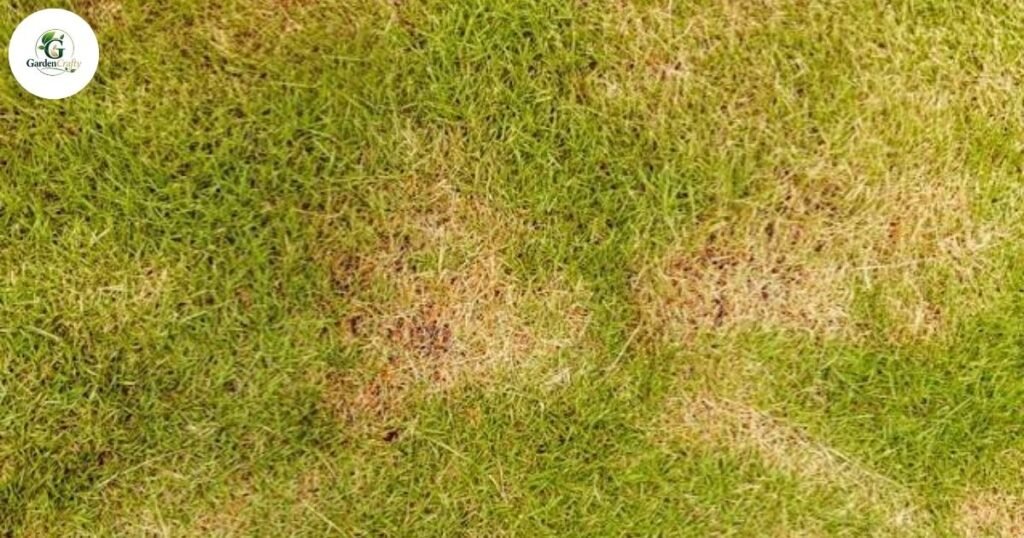
One common Zoysia grass problem is slow recovery after environmental stress.The grass may also develop thin areas when sunlight or soil conditions are unsuitable.Overwatering can create conditions that encourage fungal problems and root damage.Balanced maintenance can help keep the turf stronger and more resilient.
To reduce Zoysia grass problems, maintain appropriate mowing and watering practices.Avoid keeping the soil constantly saturated or allowing it to become extremely dry.Improve drainage where standing water regularly collects on the lawn.
Regular observation can help you notice changes before they become serious.
Zeon Zoysia Grass
Zeon Zoysia grass is a popular fine-textured Zoysia variety used for residential lawns. It is known for its dense growth and relatively fine leaf blades. This variety can provide an attractive appearance when maintained properly. It is often considered for lawns where appearance and turf density are important.

Zeon Zoysia can perform well in warm conditions with adequate sunlight.It also has useful shade tolerance compared with some warm-season grasses.However, the exact performance depends on soil, climate, and lawn maintenance.Proper establishment is important for achieving dense and consistent turf.
When planting Zeon Zoysia grass, prepare the soil carefully before installation.Provide adequate moisture while the new turf is becoming established.Once established, follow a suitable mowing and fertilizing schedule.These practices can help maintain healthy growth throughout the growing season.
Zoysia Sod
Zoysia sod is a convenient way to establish a lawn with immediate turf coverage .It consists of mature grass and soil held together by roots and other plant material. Sod can reduce the waiting period compared with growing a lawn from seed. It is especially useful when a finished lawn appearance is needed sooner.
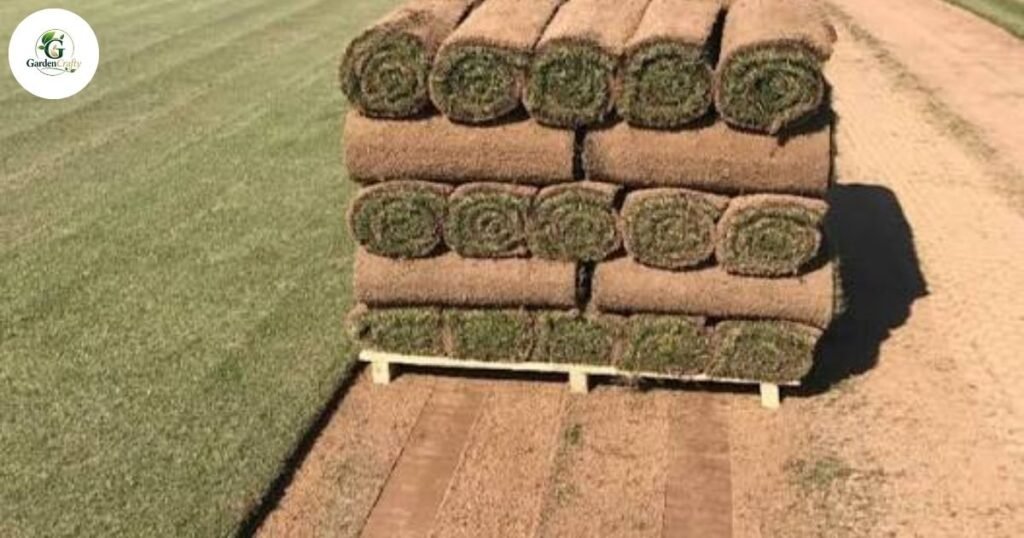
Before installing Zoysia sod, prepare and level the soil properly.Remove large rocks, weeds, and debris from the planting area.Lay the sod pieces closely together without leaving large gaps between them.Water the newly installed turf thoroughly according to local conditions.
After installation, Zoysia sod needs consistent moisture while its roots establish.Avoid excessive foot traffic during the early establishment period.Gradually adjust watering as the roots become established in the underlying soil.Regular mowing can begin once the sod has rooted firmly.
Zoysia Grass Sod
Zoysia grass sod can create a dense and attractive lawn without waiting for seed to mature .It is available in different varieties with varying textures and growth characteristics .Choosing a variety suited to your climate can improve long-term lawn performance .Good soil preparation is essential before laying the sod.
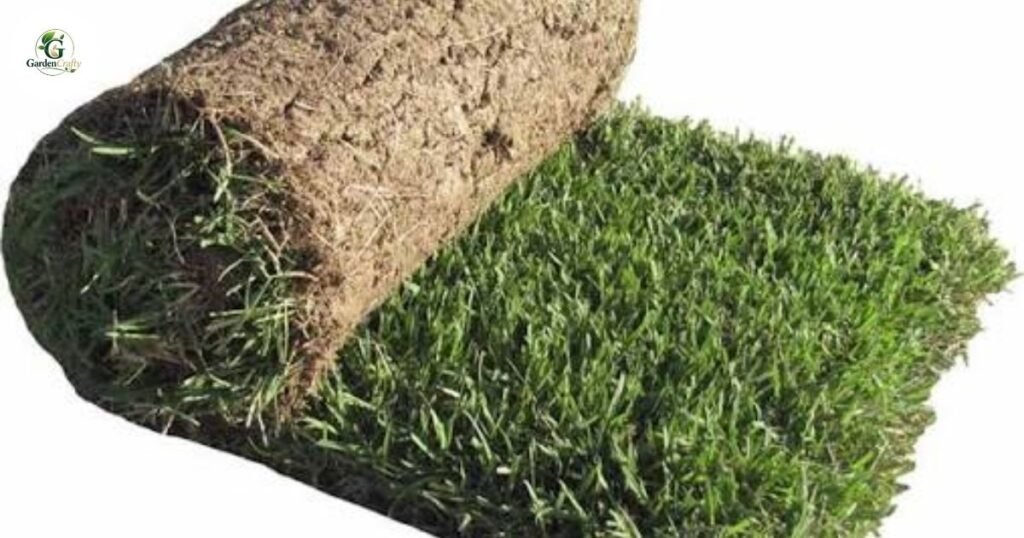
When installing Zoysia grass sod, make sure the soil surface is smooth and level.Place each piece tightly against the next to minimize visible gaps.Water the turf immediately after installation to help prevent drying.Continue monitoring moisture until the roots become established.
The long-term success of Zoysia grass sod depends on proper lawn maintenance.Mow at an appropriate height and avoid removing too much leaf tissue at once.Water deeply and appropriately rather than keeping the soil constantly wet.With consistent care, Zoysia sod can develop into a dense and durable lawn.
Conclusion
Zoysia grass offers a unique blend of resilience and beauty that can transform any yard into a stunning landscape. By carefully selecting the right seeds and utilizing tailored fertilizers, you can ensure robust growth and longevity. It’s essential to consider seasonal impacts to fully leverage the grass’s benefits throughout the year.
As you cultivate your lawn, remember that consistency in care and attention to the specific needs of your chosen Zoysia variety can make all the difference. Don’t wait any longer; start planning your Zoysia grass lawn today for a lush and inviting space.
FAQs
What type of Fertilizer is best for zoysia grass?
A balanced fertilizer with a ratio of about 3-1-2 or 4-1-2 (N-P-K) is often recommended. This means higher nitrogen content, which promotes robust growth and vibrant color. Granular fertilizers are usually a good option.
What is the best time to plant Zoysia seeds?
The best time to plant Zoysia seeds is typically in late spring to early summer, around mid-May to early June, when soil temperatures consistently reach about 65°F (18°C) or higher.
How to get Zoysia to Spread Faster?
To encourage faster spreading of Zoysia grass, start by ensuring optimal growing conditions. This means providing plenty of sunlight, as Zoysia thrives in full sun, ideally receiving at least 6-8 hours of direct sunlight daily.
Which Fertilizer is best for new Grass seed?
Starting new grass seed, a starter fertilizer is your best bet. They typically have a higher phosphorus content (the middle number in the N-P-K ratio) to promote root development, which is crucial for establishing a strong lawn.
What are the top 3 Fertilizers?
Ammonium nitrate is a popular nitrogen-rich fertilizer, promoting leafy growth. Superphosphate is rich in phosphorus, which is crucial for root development. Potassium sulfate, which is vital for overall plant health.