What Is Lawn Thatch? A Simple Guide for Homeowners
Lawn thatch is the spongy layer of organic material that accumulates between the soil and grass surface, and understanding it is crucial for maintaining a lush lawn.
We’ll demystify lawn thatch, highlighting its causes, effects, and management strategies. By the end, you’ll be equipped with the knowledge to ensure your yard flourishes.
What Does Lawn Thatch Look Like?
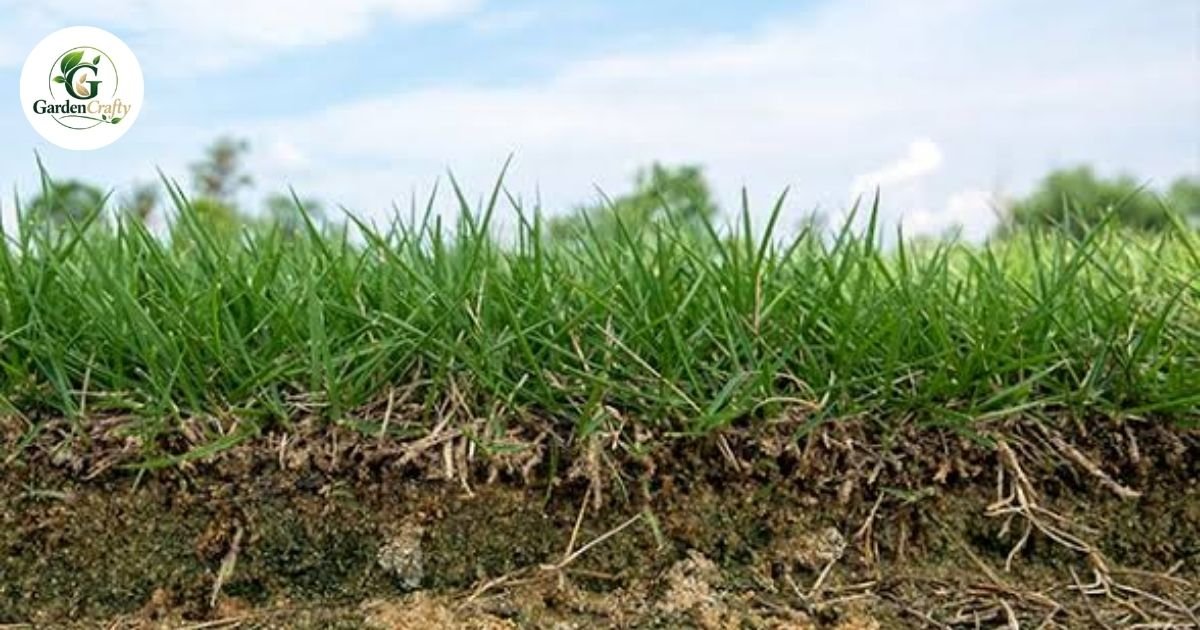
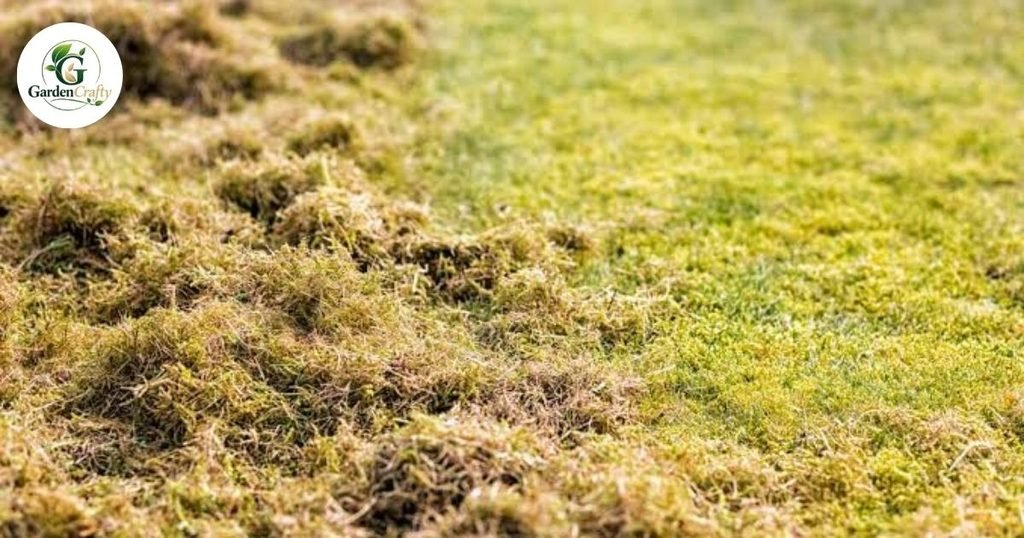
When inspecting your lawn, a dense brown layer between soil and grass can often be a telltale sign of thatch.
Grass Stems And Roots: This organic buildup consists of tangled grass stems and roots that haven’t fully decomposed, creating a mat that can affect the overall health of your turf.
While a thin layer of thatch can be beneficial, fostering moisture retention and a habitat for beneficial microorganisms, excessive buildup transforms your lawn into a spongy, uneven landscape.
Spongy Lawn: Visually, thatch may manifest as a brown, fuzzy layer just beneath the grass, making your lawn feel soft or spongy underfoot. If you notice water pooling in certain areas after rain or if your lawn struggles to breathe, it might be time to address thatch accumulation.
By understanding what thatch looks like and how it behaves, you can take the necessary steps to ensure a thriving, resilient lawn, revitalizing its beauty and vigor.
Why Soil Conditions Affect Thatch Buildup
Soil conditions play a crucial role in determining the health of your lawn, and one of the most overlooked aspects is their impact on thatch buildup.
Healthy Soil: Healthy soil, rich in organic matter and microorganisms, promotes robust grass growth, which can naturally manage thatch accumulation.
Compacted Soil: Compacted soil hinders root development and limits water penetration, leading to stressed grass that produces excessive organic debris, one of the primary contributors to thatch.
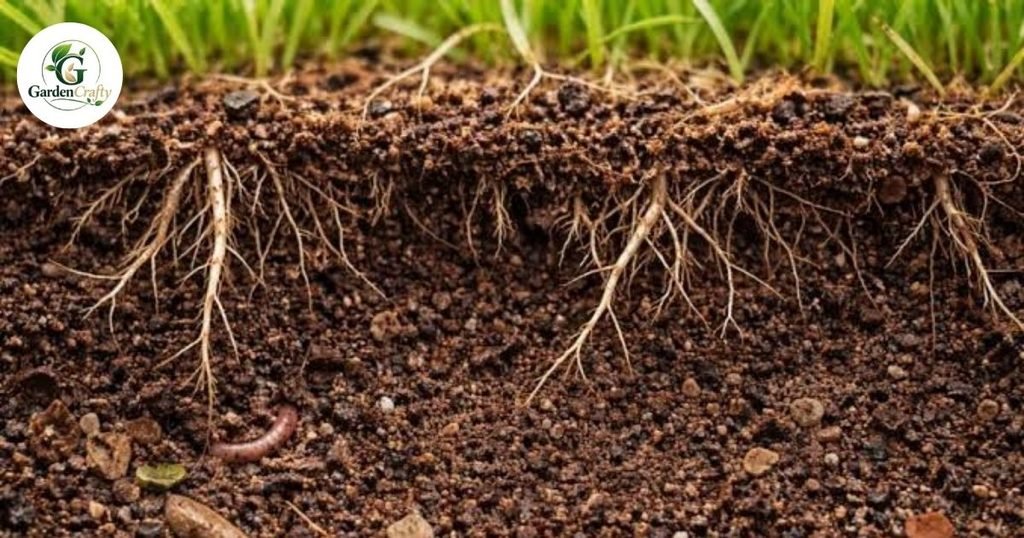
Low Soil pH: A low soil pH can adversely affect soil biology, reducing nutrient availability and encouraging the dominance of grass species that may not efficiently break down dead plant material.
Poor Soil Health: Poor soil conditions can create a vicious cycle where thatch buildup exacerbates soil compaction and diminishes overall lawn vitality.
Improving Soil Biology: By focusing on improving soil biology through methods such as aeration, compost addition, and pH balancing, homeowners can create an environment where healthy grasses thrive and thatch becomes a manageable concern rather than a pervasive problem.
How Much Lawn Thatch Is Normal?
Every lawn has some thatch, a natural accumulation of organic material like grass clippings and roots.
Thin Layer Under ½ Inch Is Healthy: This layer, when kept healthy, should ideally be a thin layer under ½ inch. A moderate amount of thatch serves as a cushion for your lawn, providing insulation and aiding in moisture retention.
Thatch Layer ½ Inch Or More: The balance is key; once thatch reaches ½ inch or more, it becomes imperative to monitor it closely. When thatch thickens beyond this healthy threshold, it can create a habitat for pests and diseases, choke out new grass growth, and hinder water and nutrient absorption.
Regular inspections can help you maintain that balance, ensuring your lawn thrives. Consider aerating your yard or utilizing organic methods to break down excess thatch, allowing your lawn to breathe and flourish.
How Thick Should Lawn Thatch Be?
When it comes to lawn thatch, understanding its thickness can be pivotal for maintaining a vibrant and healthy yard.
- A thatch layer of less than ½ inch is considered healthy, providing essential benefits without suffocating your grass. This optimal thickness allows air and water to penetrate the soil, promoting strong root development and overall lawn vitality.
- If your thatch measures between ½ to ¾ inch, it’s time to monitor your lawn closely. While it still offers some benefits, an increase may lead to drainage issues or pest infestations, necessitating renovation techniques like aeration or dethatching.
- If you find that the layer exceeds ¾ inch, it’s likely causing stress on your grass, limiting its access to nutrients and water. This thick buildup can create an adverse environment, making grass vulnerable to diseases.
Taking proactive steps to manage your thatch can ensure a lush, resilient lawn for years to come.
Lawn Thatch Thickness Guide
This table shows how different thatch thickness levels affect lawn health and when dethatching may be needed.
| Thatch Thickness | Lawn Condition | Recommended Action |
| Less than ½ inch | Healthy | No action needed |
| ½ – ¾ inch | Monitor closely | Improve soil health |
| More than ¾ inch | Likely causing stress | Consider dethatching |
What Causes Thatch Buildup?
Thatch buildup is often misunderstood as merely a layer of dead grass clippings, but it’s much more complex.
Overwatering: Key contributors include overwatering, which creates an environment ripe for rapid grass growth resulting in more organic material than the soil can effectively decompose. This surplus of biomass accumulates quicker than beneficial microbes can break it down, leading to an unhealthy thatch layer.
Excess Nitrogen Fertilizer: Another significant factor is the use of excess nitrogen fertilizer. While nitrogen is essential for lush, green lawns, over-fertilization stimulates growth beyond what the lawn can manage, leading to an overload of organic matter.
Compacted Soil: Compacted soil can exacerbate the problem. When soil is compacted, water and air struggle to penetrate, stifling microbial activity that aids in decomposition. Thus, a cycle emerges where grass thrives above while the soil struggles below, further promoting thatch accumulation.
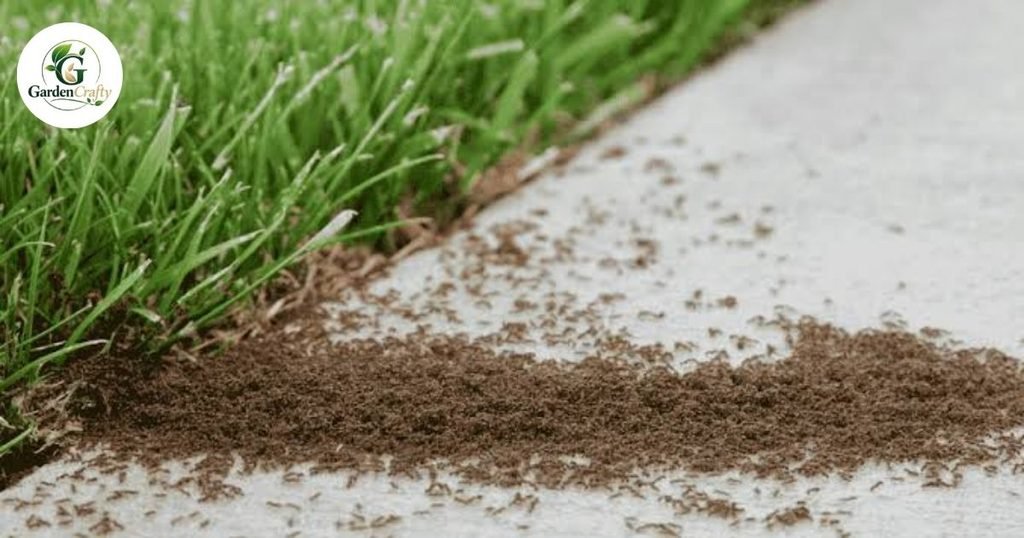
Poor Drainage: Poor drainage prevents water from soaking into the soil and contributes to excess moisture retention. This damp environment fosters the growth of grass clippings, dead roots, and organic debris, which accumulate over time, forming a thick layer that inhibits healthy grass growth and nutrient absorption.
Spreading Grass Types: Spreading grass types such as Kentucky bluegrass and fescue can exacerbate thatch problems. While these varieties are popular for their lush appearance and resilience, their dense growth habits mean fallen leaves and organic matter are less likely to decompose naturally.
Instead, they contribute to the thatch layer, particularly in climates where conditions favor rapid growth.
Do Grass Clippings Cause Lawn Thatch?
No, Grass clippings do not cause thatch. Grass clippings have long been misunderstood in the conversation about lawn care, particularly when it comes to thatch buildup.
Return Nutrients To The Soil: Many homeowners worry that leaving clippings on the lawn will exacerbate thatch, but the reality is quite the opposite. Grass clippings return valuable nutrients to the soil as they decompose, promoting a healthier lawn and reducing the need for additional fertilizers.
Thatch Buildup: Thatch mainly forms from the buildup of tough stems, roots, and crowns, not from the soft, green blades of grass that you mow. As clippings break down, they contribute to soil health rather than contribute to thatch layers.
Instead of fearing that clippings will be a problem, consider them an ally in cultivating a lush, green lawn.
Which Grasses Develop Thatch?
When it comes to thatch development, some grasses are notably more susceptible than others.
High Risk Grasses: High-risk grasses include varieties like Kentucky bluegrass and Bermudagrass, which are popular for their lush appearance but can easily become problematic.
Kentucky Bluegrass: Kentucky bluegrass, often lauded for its rich color and dense growth, tends to accumulate organic material beneath its surface due to slow decomposition rates in cooler climates. This accumulation can lead to a thick, impenetrable layer of thatch, hindering water and nutrient absorption.
Bermudagrass: Bermudagrass, celebrated for its drought resistance and resilience, can also fall victim to thatch buildup, particularly in warm, humid regions. Its vigorous growth can result in excess clippings and root material that do not break down fast enough, creating a thick mat that stifles the underlying soil.
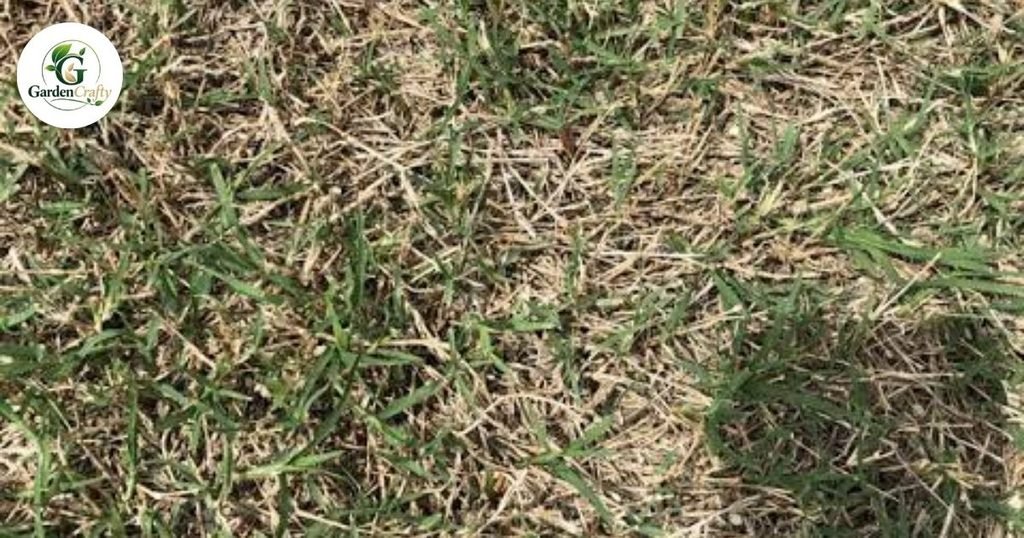
Zoysia Grass: Zoysia grass is notorious for developing thatch, a dense layer of organic material that accumulates between the soil and the grass blades. This warm-season grass thrives in sunny environments, but its growth habits contribute to thatch buildup as it spreads through horizontal rhizomes and stolons.
Tall Fescue Produces Less Thatch: Tall fescue presents a more favorable option for reducing thatch accumulation. This cool-season grass, known for its deep roots and drought resistance, typically produces less thatch than its Zoysia counterpart. Its growth pattern encourages a more uniform absorption of water and nutrients, allowing for a healthier lawn ecosystem.
By choosing tall fescue, lawn enthusiasts can enjoy the benefits of a robust, low-maintenance grass that minimizes the challenges associated with thatch, paving the way for a vibrant and thriving landscape.
Grass Type and Thatch Risk
This table compares common grass types by their risk of developing excessive thatch, helping you understand which lawns may need closer monitoring.
| Grass Type | Thatch Risk Level |
| Kentucky Bluegrass | High |
| Bermudagrass | High |
| Zoysia Grass | High |
| Tall Fescue | Moderate to Low |
Pros and Cons of Lawn Thatch
Understand the benefits and drawbacks of lawn thatch to know when it helps your grass and when it becomes a problem.
Pros
A thin layer of lawn thatch can play a pivotal role in maintaining a healthy yard.
Protects Roots: One of its standout benefits is its ability to protect roots from extreme temperatures, insulating them against both sweltering heat and biting cold. This natural barrier ensures that your grass maintains a stable environment, fostering deeper root growth and overall resilience.
Reduces Moisture Loss: Thatch effectively reduces moisture loss by serving as a sponge, absorbing rainfall and dew that might otherwise evaporate quickly. This moisture retention not only supports the grass during dry spells but also reduces the need for frequent watering, thereby promoting economic and environmental sustainability.
Cushions Foot Traffic: Thatch acts as a cushion against foot traffic, absorbing impact and mitigating the risks of soil compaction. This cushioning effect can make a significant difference in high-traffic areas, preserving the beauty and health of your lawn while allowing it to endure the hustle and bustle of everyday life.
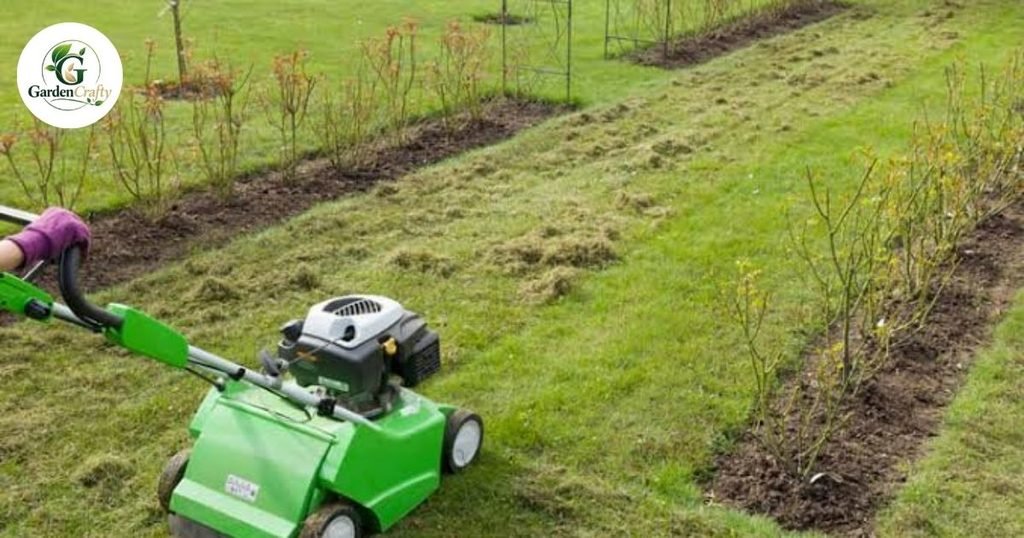
Cons
A thick layer of thatch can have its hidden advantages, primarily in creating a plush, soft lawn that feels inviting underfoot.
Blocks Water And Nutrients: It’s crucial to approach thatch with a balanced perspective. While it can effectively block water and nutrients from reaching the soil, creating a barrier that demands careful management, this can also lead to a natural filtration system that encourages deeper root growth if maintained properly.
Increases Disease Risk: Excessive thatch buildup increases disease risk by creating a damp environment ideal for pathogens. Understanding this duality allows you to harness the benefits of thatch while mitigating its downsides, leading to a thriving, resilient lawn.
Signs Your Lawn May Have a Thatch Problem
One of the most telling signs of a thatch problem is the spongy feeling underfoot when walking across your lawn.
Spongy Feeling When Walking: This cushioned sensation indicates an excess layer of organic debris, making it feel more like a trampoline than a well-maintained yard. Not only can this affect your lawn’s appearance, but it can also signal underlying issues with water and nutrient absorption, as the thick layer prevents proper penetration into the soil.
Water Pooling After Irrigation: Another red flag is the pooling of water after irrigation or rainfall. If you notice your lawn retaining water like a sponge instead of draining properly, it’s likely due to compacted thatch suffocating essential microorganisms and roots. This can lead to waterlogged soil, promoting a breeding ground for pests and diseases.
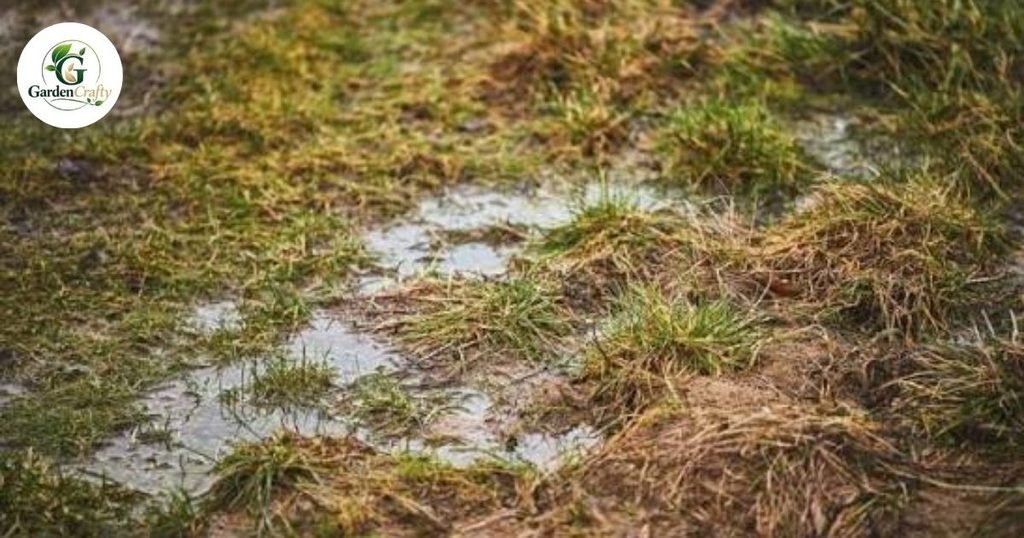
Grass Thinning Despite Fertilizing: If you’re noticing that your grass is thinning despite fertilizing, it might be a subtle sign that thatch is taking over your lawn. This layer of organic material accumulates between the soil and grass blades, creating a barrier that prevents vital nutrients from reaching the roots.
Brown Mat Visible Under Grass: As you wander through your yard, keep an eye out for a brown mat visible under the grass; this brown layer is often an indicator of excessive thatch buildup. Thick layers of thatch can trap moisture and foster the perfect environment for pests and diseases, making your lawn vulnerable.
If your grass appears healthy on the surface yet struggles to grow deeper roots, it’s time to dig a little deeper. Regularly monitoring these signs will help you maintain a vibrant lawn, promoting both growth and resilience against environmental stresses.
How to Measure Lawn Thatch
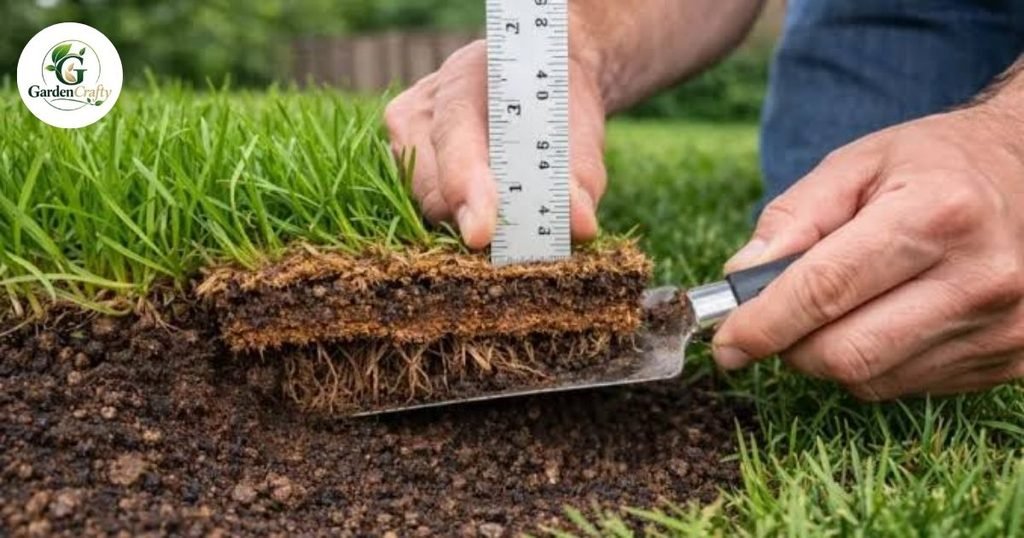
To measure lawn thatch effectively, start by using a shovel or trowel to cut a small wedge 2 to 3 inches deep into your turf. This allows you to peel back the grass layer and expose both the thatch and the soil beneath.
When you remove the wedge, you’ll likely see a distinct layer of organic debris, which is your thatch. A thatch layer of more than half an inch indicates it might be time to take action.
Identify the Brown Layer Above the Soil: To effectively measure lawn thatch, first identify the brown layer above the soil, which consists of dead grass, roots, and other organic matter.
This buildup can inhibit water and nutrient absorption, so monitoring its thickness is crucial for maintaining a healthy lawn. Use a hand trowel to extract a small plug of grass, ensuring you’re reaching down to the soil level; this will reveal the thatch layer clearly.
Measure its thickness with a ruler: Next, measure its thickness with a ruler. A healthy thatch layer should ideally be between a quarter inch to a half inch; anything beyond that indicates excessive buildup. Remember, measuring in multiple spots across your lawn can provide a more accurate picture of thatch distribution.
What Your Measurement Means
Understanding your lawn’s measurement can reveal much about its health and needs.
Under ½ Inch: If you find your grass growing under ½ inch, it’s a promising sign that your lawn is healthy. This short growth typically indicates strong roots and optimal soil conditions, allowing your grass to thrive with minimal intervention.
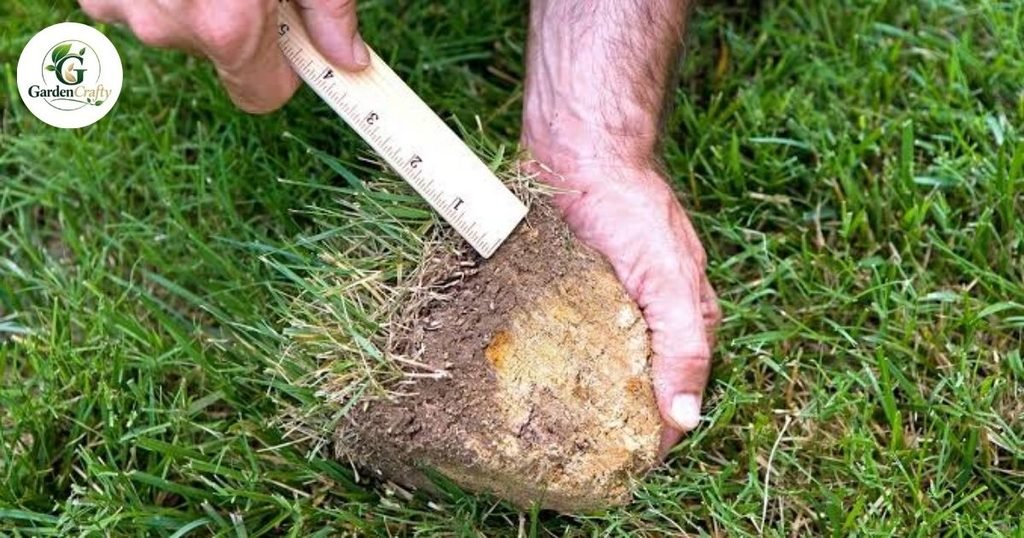
Around ½ Inch: When your grass measures around ½ inch, it’s a cue to monitor conditions closely. This could indicate shifts due to weather or soil health, prompting a watchful eye on moisture and nutrients.
Over ¾ Inch: If your lawn stretches beyond ¾ inch, it’s a signal that action may be required to restore balance. This overgrowth can lead to stress on the turf, attracting pests and diseases. Regular measurement becomes a crucial tool, helping you tune into your lawn’s needs and foster its vibrant life.
Thatch vs. Soil Compaction
Learn the key differences between lawn thatch and soil compaction, including their causes, effects, and the best ways to manage each problem.
Lawn Thatch
Above the soil lies a thin yet important layer known as thatch, made of plant debris such as dead grass, leaves, and organic matter. A light accumulation can retain moisture and provide a habitat for beneficial microorganisms.
Excess thatch creates a barrier that limits water and nutrient absorption, leading to a lawn that struggles to thrive.When you walk on a lawn with healthy thatch, you’ll notice it often feels spongy underfoot, a sign that it’s doing its job.
However, if the layer becomes too thick, it can stifle growth and make your grass more susceptible to disease. Regular dethatching is essential to maintain a balanced lawn, ensuring that vital resources reach the roots while also promoting a vibrant, resilient green carpet.
Soil Compaction
Soil compaction occurs when the air pockets inside the soil are squeezed out, often caused by traffic or dense clay layers. This process transforms the once-loose structure into a hardened mass, making it feel unyielding underfoot.
As compaction increases, vital nutrients struggle to penetrate, hindering root development and reducing overall plant health. The impact of compacted soil extends beyond the surface. Inside the soil, beneficial microorganisms struggle to thrive, diminishing its fertility and leading to a cascade of ecological consequences.
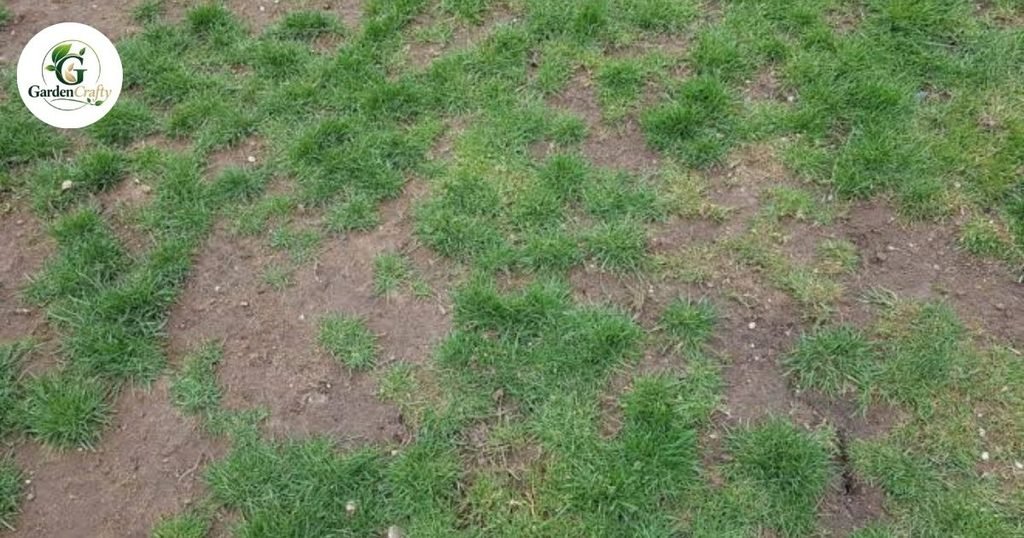
Moreover, compacted soil can disrupt water infiltration, resulting in unwanted runoff and erosion.
Compaction Test by Pushing a Screwdrive: Soil compaction is often overlooked as a mere technicality in construction and landscaping, but it plays a crucial role in determining the longevity and stability of structures.
One intriguing method to assess soil compaction is the compaction test by pushing a screwdriver into the ground.
This hands-on technique allows homeowners and contractors alike to gauge soil density simply and effectively. If the screwdriver meets significant resistance, it’s a telltale sign that the soil is compacted, indicating readiness for load-bearing applications or the need for further treatment.
Benefits of Dethatching Your Lawn
Dethatching your lawn can be transformative, especially if your grass is too thick and layered with a dense thatch buildup.
Improve Water Absorption: This natural debris, a mix of dead grass and organic matter, can hinder essential processes. By removing it, you allow air to circulate more freely, which not only improves water absorption but also enhances the vitality of your lawn’s root system.
Help Fertilizer Reach Roots: When the thatch layer is reduced, fertilizers can reach the roots more effectively. This direct access means your grass can absorb nutrients more efficiently, promoting lush growth and vibrancy.
Increase Root Growth: This newfound aeration promotes vital root growth, allowing your grass to absorb nutrients more effectively. As a result, your lawn not only becomes more resilient to stressors but also showcases a vibrant, lush look.
Improve Grass Density: Dethatching directly contributes to improving grass density, which is essential for a robust lawn. When the grass can breathe and receive adequate sunlight, it encourages the growth of new shoots.
This renewed density not only enhances the aesthetic appeal but also reduces the chances of weed establishment, as a thicker canopy can outcompete unwanted invaders.
Step-by-Step: How to Dethatch Properly
- Mow slightly shorter than usual.
- Choose a dethatching rake or machine.
- Adjust settings to pull up the thatch layer.
- Make one pass across the lawn.
- Make a second pass in another direction if needed.
- Rake and remove debris completely.
Avoid removing all thatch in one session if the layer is very thick.
When to Dethatch Based on Your Region
Find the best time to dethatch your lawn based on your region, grass type, and seasonal growing conditions.
Northern US
In the Northern US, where cool-season grasses like Kentucky bluegrass thrive, the optimal time to dethatch is typically in early spring or early fall. These seasons align with the grass’s natural growth cycles, allowing it to recover quickly from the stress of dethatching.
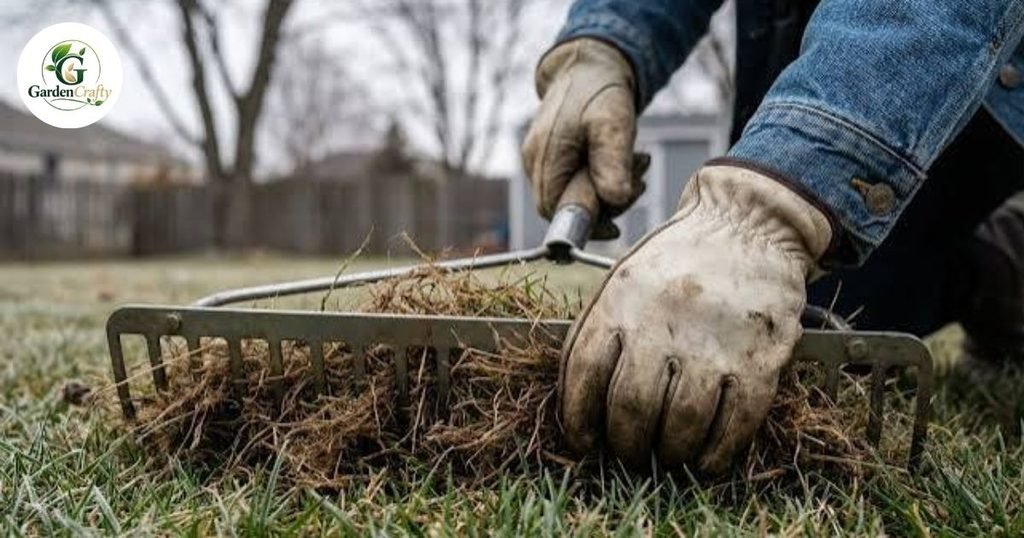
A well-timed dethatch during these months can improve air circulation and nutrient absorption, revitalizing your lawn just when it needs a boost.
Southern US
In the Southern US, where warm-season grasses such as Bermuda dominate, late spring to early summer is ideal for dethatching. This timing coincides with their peak growth phase, ensuring a robust recovery.
Northern US
The Transition Zone where cool and warm-season grasses meet requires a more tailored approach. Homeowners must assess their specific grasses before deciding when to dethatch, as timing can significantly impact lawn health.
Understanding these regional nuances not only optimizes grass vitality but also enhances the overall resilience of your landscape.
Dethatching Tool and Cost Comparison
When considering dethatching your lawn, the choice of tools can drastically impact both your wallet and your effort.
Manual Rake: A manual rake offers a low-cost solution but demands significant physical effort, making it ideal for those who enjoy a hands-on approach to lawn care. While this option is budget-friendly, it can be time-consuming, especially for larger lawns, and may not achieve the same depth of thatch removal as more advanced methods.
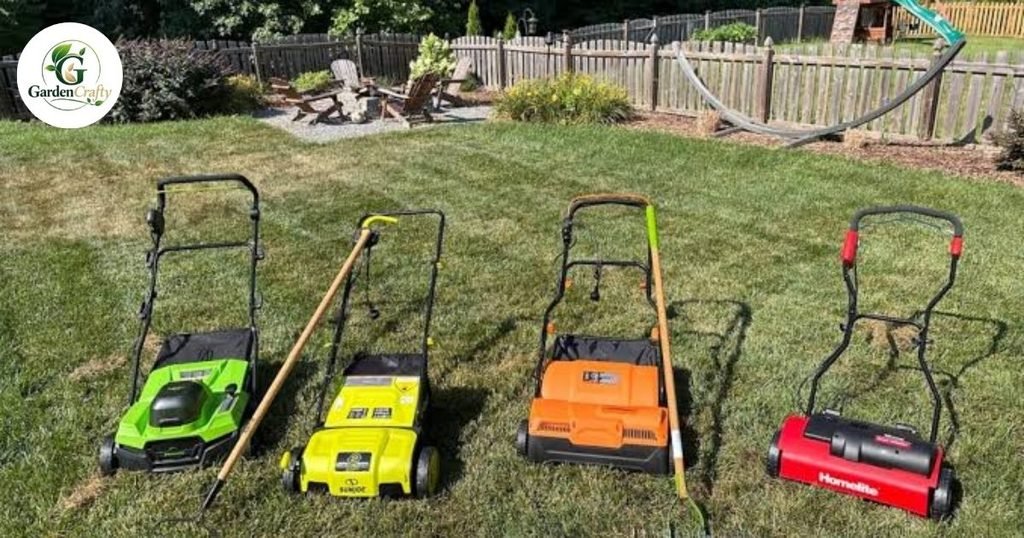
Power Dethatcher Rental: Renting a power dethatcher strikes a balance between cost and effort. With a moderate rental fee, this option allows you to tackle larger areas more efficiently without breaking your back.
Professional service: For a fuss-free experience, hiring a professional service may be the best route, albeit at a higher price point. These experts not only alleviate the physical strain but also ensure thorough results, giving your lawn the rejuvenation it deserves without the hassle of DIY.
Ultimately, weighing the cost against the effort and desired outcome can guide you to the best dethatching solution for your needs.
What to Do After Dethatching
After dethatching, the work doesn’t stop; it’s the perfect time to rejuvenate your lawn.
Remove Loose Debris: Start by removing loose debris that the dethatching process has unearthed. Raking up dead grass and thatch not only enhances your lawn’s appearance but also prevents the buildup of mold and pests that could hinder new growth. This clearing sets the stage for what’s next.
Water Lightly: Once your lawn is debris-free, it’s essential to water lightly to keep the soil damp, which aids in the establishment of grass roots. Aim for a gentle bath rather than a soak, as too much water can cause runoff and wash away the nutrients you’re about to introduce.
Overseed Thin Areas: After that, consider overseeding thin areas to promote a lush, dense yard. Seeding now allows for optimal growth during the growing season, filling in gaps and enhancing overall resilience.
Apply Balanced Fertilizer: Applying a balanced fertilizer shortly after dethatching can stimulate new growth and bolster the lawn’s overall health. This infusion of nutrients is crucial as the grass begins to recover, providing it with the energy needed to fill in the gaps left by the removed thatch.
Avoid Heavy Traffic: It’s equally important to protect your lawn from further stress during this recovery period. Avoid heavy traffic for at least 2 to 4 weeks after dethatching; this allows the grass to establish stronger roots without the hindrance of foot or vehicle traffic.
Consider light watering and gentle maintenance routines to promote an environment conducive to growth.
Recovery Timeline After Dethatching
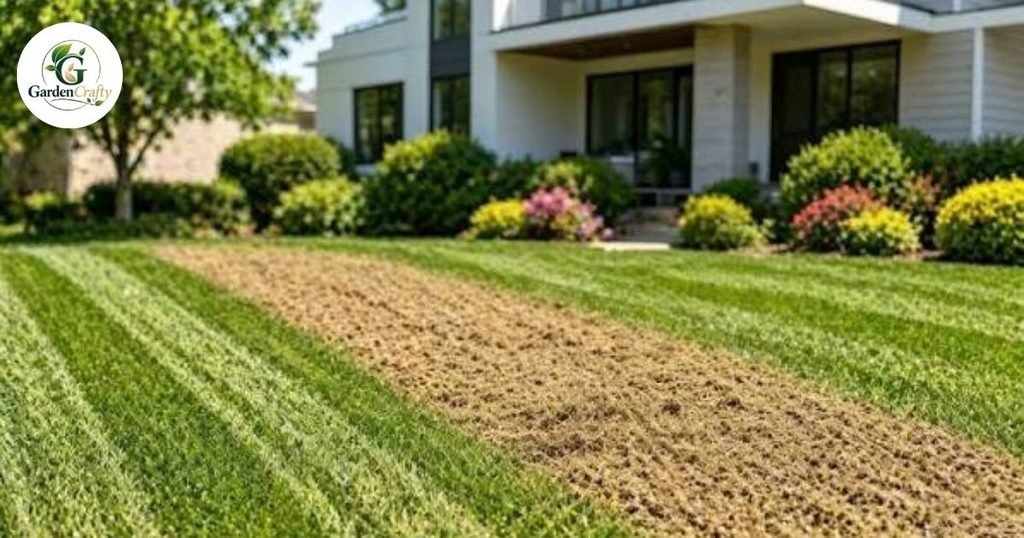
Week 1: Lawn looks thin
In the initial days following dethatching, your lawn may appear sparse and thin, prompting some concern. This is completely normal, as the process of removing thatch can temporarily disrupt the established turf.
During Week 1, the soil is exposed, and sunlight reaches the grassroots, triggering a chain reaction that primes your grass for rejuvenation. While it might look bare, this period is crucial for preparing the ground for new growth.
Week 2–3: New growth begins
During weeks 2 and 3, the landscape begins to shift. If you’ve provided adequate moisture and nutrients, you’ll likely notice the first signs of new growth emerging from the soil, signaling that the grass is responding positively to the dethatching.
This is the ideal time to adjust your watering routine to ensure the young shoots receive the hydration they need without becoming oversaturated.
Week 4+: Lawn starts filling in
By Week 4 and beyond, your lawn should start to fill in, showcasing a lush and resilient landscape. This gradual recovery not only enhances the aesthetic appeal but also fortifies the grass against pests and disease, rewarding your patience and efforts.
How to Prevent Thatch Buildup
To prevent your lawn from thatch buildup:
Water Deeply But Not Too Often: To prevent thatch buildup, it’s essential to water deeply but not too often. This encourages deep root growth and allows the grass to thrive without creating a saturated environment where excess organic matter can accumulate.
When watering, aim for about an inch of moisture per week, ensuring that the soil can absorb it effectively. By doing so, you promote healthy grass while minimizing the conditions that favor thatch development.
Use Proper Fertilizer Rates: Another crucial strategy is to use proper fertilizer rates. Over-fertilization not only promotes lush growth but also increases the likelihood of thatch becoming a persistent issue.
Opt for slow-release fertilizers that match your grass type and consider conducting a soil test to tailor nutrient applications accordingly.
Aerate Compacted Soil: Regularly aerating compacted soil can significantly mitigate thatch buildup. Aeration creates channels for air, water, and nutrients to penetrate the soil, allowing grass roots to access essential resources while also breaking down existing layers of thatch.
Mow at Recommended Height: Mowing at the recommended height is crucial. When you cut grass too short, it can stress the plants, leading to less vigorous growth and a lesser ability to break down organic material. Aim to mow at about one-third of the grass blade to ensure optimal photosynthesis and root development.
Support Soil Biology With Organic Matter: Another effective strategy is to support soil biology with organic matter. By regularly incorporating compost or well-rotted mulch, you create a living environment rich in microorganisms that naturally break down organic debris, including thatch.
It enhances soil health, improves nutrient absorption, and facilitates decomposition. Rotating with cover crops can introduce diverse root structures that further aerate the soil, helping to mitigate thatch issues effortlessly. Embracing these holistic practices not only beautifies your lawn but also leads to lasting ecological benefits.
Can Severe Thatch Require Gradual Treatment?
Severe thatch can feel overwhelming, but tackling it with a gradual approach might be your lawn’s best bet.
Dethatch In Stages: Dethatching in stages allows for a more controlled recovery, minimizing stress on the grass and ensuring it has time to bounce back. When you dethatch in smaller increments, you reduce the risk of exposing the soil to excessive sunlight and erosion, giving your lawn a chance to thrive as it heals.
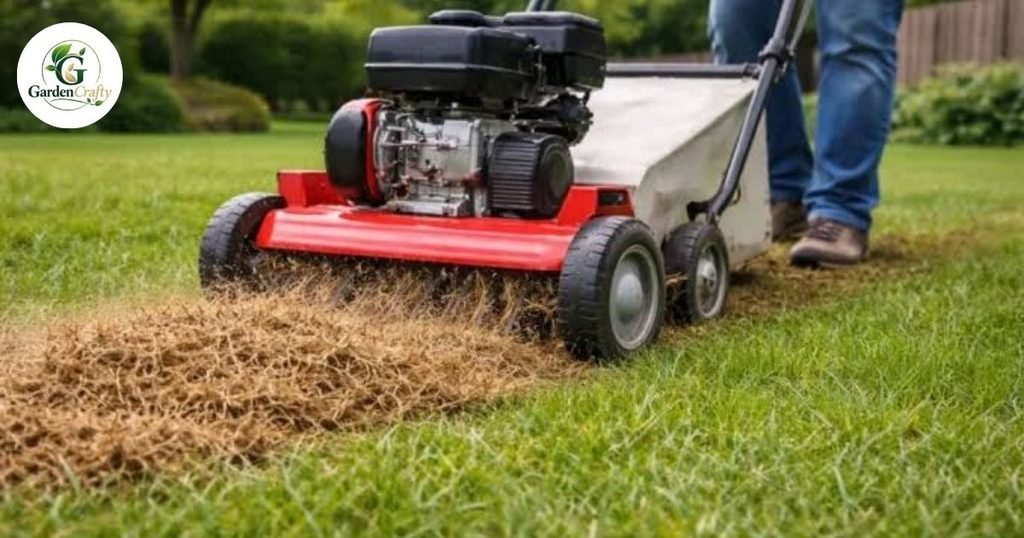
Combine With Core Aeration: By combining dethatching with core aeration, you create an optimal environment for grassroots to flourish. Core aeration loosens compacted soil, promoting better water and nutrient absorption. This dual strategy not only helps manage thatch but also enhances soil health.
Add Compost Topdressing:To finish off the treatment, consider adding compost topdressing after aeration; this will fortify your lawn with essential nutrients, further supporting robust growth and resilience against future thatch buildup.
Embracing a gradual, multi-faceted approach can rejuvenate your lawn, paving the way for a lush and healthy landscape.
Common Myths About Lawn Thatch
Myth 1: Every lawn needs yearly dethatching.
Every lawn needs yearly dethatching often leads homeowners to believe they must schedule this task annually, regardless of their lawn’s health. In reality, dethatching should be dictated by the specific condition of your grass and soil.
Assessing the thatch layer is key if it’s less than half an inch thick, regular raking may suffice. Over-dethatching can actually stress your lawn, causing more harm than good.
Myth 2: Moss is thatch.
Another common misconception is that Moss is thatch. While moss may thrive in damp, shady areas, it’s not the same as thatch, which consists of dead grass and roots.
Moss often indicates underlying issues like poor drainage or low soil fertility, suggesting that addressing the lawn’s conditions is more critical than focusing solely on thatch removal.
Myth 3: More dethatching is always better.
More dethatching is always better and can lead to overzealous lawn care measures. Dethatching too frequently or aggressively can disrupt the soil structure and eradicate crucial beneficial organisms.
Instead, practice moderation; monitor for thatch buildup and let your lawn dictate the frequency of dethatching. Sometimes, a gentle maintenance approach is all that’s needed to achieve a lush, vibrant lawn.
Explore More Lawn Care Guides
- A lawn that looks green on the surface can still be suffocating underneath. Our Lawn Aeration guide explains how to spot compacted soil, the difference between core and liquid aeration, and the exact timing window for your region so your grass can actually absorb the water and nutrients you’re already giving it.
- Not every heat wave means giving up on new seed entirely. Our Heat Wave Grass Seed guide breaks down which varieties like Bermuda, Zoysia, and heat-tolerant fescue blends actually germinate in soaring temperatures, plus the exact watering schedule and soil temperature checks that separate a successful planting from a wasted one.
- Bare patches don’t always mean starting over. Our Benefits of Overseeding guide walks through how introducing new seed into existing turf thickens grass, crowds out weeds, and improves drought and foot-traffic resilience, plus the right timing and common mistakes that can undercut the results.
- Not every warm-season grass handles heat and foot traffic the same way. Our Zoysia Grass guide breaks down seed selection, the differences between Zoysia Japonica, Matrella, and Tenuifolia, plus the exact fertilizer ratio and seasonal timing that keeps it thriving without constant mowing.
- A patchy lawn doesn’t always mean you need to reseed from scratch. Our guide on Will Grass Spreads on Its Own breaks down which grass types fill in bare spots naturally through rhizomes and runners, which ones need overseeding instead, and how long that natural spread actually takes.
- Before you reach for a spreader or a shovel, it helps to know what’s actually growing in your yard. Our guide on Difference Between Weeds and Grass breaks down the real differences in leaf shape, root systems, and seasonal growth patterns including grassy weeds like crabgrass that are often mistaken for lawn grass itself.
Final Thoughts
To sum up, lawn thatch may seem like a minor annoyance, but it can have significant impact on the health of your lawn if left untreated. By familiarizing yourself with its causes and solutions, you can effectively manage thatch and enhance the overall quality of your garden.
Implementing routine care measures, such as proper mowing and fertilization, can help mitigate thatch buildup and promote a flourishing green space. Start today by evaluating your lawn’s condition and consider making the necessary adjustments to ensure its vitality.
FAQs
Is Dethatching a Lawn Really Necessary?
Dethatching is not necessary for most lawns. You only need to do it if a spongy layer of dead grass and roots (thatch) builds up thicker than 1/2 inch on your soil. If the layer is thin, it helps hold moisture. If it gets too thick, it blocks water, air, and food.
How do I Get Rid of Thatch in my Lawn?
To get rid of thatch in your lawn, remove the spongy layer of dead grass and roots using a manual thatch rake for small yards, an electric dethatcher or scarifier for larger areas, or core aeration if the layer is thick. Do this during the peak growing season.
Does Dethatching Damage Grass?
Yes, dethatching can hurt your lawn if it is done too aggressively, at the wrong time of year, or when the grass is stressed or dormant. Because the process tears up turf and exposes roots, doing it incorrectly can leave your yard full of bare patches, prone to weeds, or slow to recover.
How Many Times Can I Dethatch my Lawn?
Most healthy lawns only need to be dethatched every 1 to 3 years. Rather than following a strict calendar schedule, you should inspect the layer of dead grass and organic debris (thatch) sitting between your green lawn and the soil.
Will Grass Grow Back After Dethatching?
Yes, grass will grow back after dethatching. It is completely normal for a lawn to look sparse, brown, and “trashed” right after the process because the machine pulls up dead organic matter and exposes bare soil. Most healthy lawns recover and show active new growth within 2 to 4 weeks.