Types Of Grass: What Does Bermuda Grass Look Like?
If you’re looking for a lush, resilient lawn, Bermuda grass might just be your answer. What Does Bermuda Grass Look Like? Known for its bright green color and durability, this grass is perfect for warm climates and high-traffic areas.
We will examine the visual traits and growth patterns of Bermuda grass, and you’ll discover why it stands out among other grass varieties.
How to Recognize Bermuda Grass Quickly
Bermuda grass: Bermuda grass is easily identifiable by its distinctive features. Its thin blades form a densely packed carpet, giving it a lush appearance that can instantly elevate any lawn.
Characteristic is the sharp tips of the grass blades, which can sometimes catch the light, making the lawn shimmer in the sunlight. Look closely at the color; a vibrant green hue typically denotes healthy Bermuda, while any yellowing could indicate stress or nutrient deficiency.
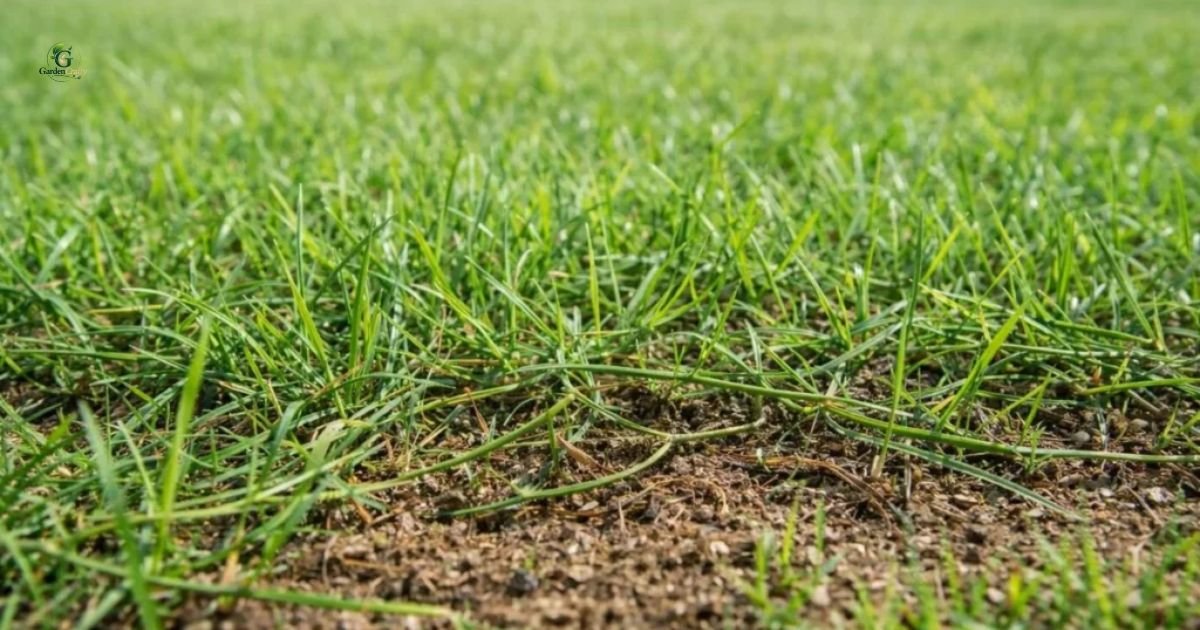
Sideways Runners and Seasonal Growth: Another key insight lies in the growth pattern. Bermuda grass spreads through sideways runners, or stolons, which can be an effective way to cover bare patches quickly.
These runners allow the grass to thrive during seasonal growth, making it a popular choice for sunny climates. If you’re trying to recognize Bermuda grass, observe these horizontal growth habits, especially during warmer months.
This ability to fill in spaces not only enhances the aesthetic of your yard but also indicates its resilience and adaptability to various environments.
What Is Bermuda Grass?
Warm-Season Grass: Bermuda grass is a popular choice among homeowners and landscapers for its vibrant green color and resilience in sunny climates. This warm-season grass thrives in full-sun environments, boasting an impressive ability to withstand heat and drought conditions.
Its fast-spreading growth pattern allows it to establish quickly, making it ideal for quick lawn repairs or complete overhauls.
Dense Mat: What sets Bermuda grass apart is its formation of a dense mat, which not only enhances visual appeal but also helps suppress weeds, creating a lush landscape. The grass’s aggressive nature can be a double-edged sword, as it may take over garden beds or neighboring areas if not properly managed.
With regular mowing and maintenance, it can be kept in check, revealing its stunning, thick texture. For those looking to bring vibrant life to their outdoor spaces, Bermuda grass offers a tenacious yet beautiful solution.
What Does Bermuda Grass Look Like Up Close?
Fine Texture and Thin Blades: Up close, Bermuda grass reveals its distinct fine texture, characterized by its thin blades that create a lush, carpet-like appearance. The grass grows densely, with each strand exhibiting a beautiful blue-green color that transforms under sunlight, enhancing its vibrant allure.
As you examine the tips, you notice their pointed edges, perfectly designed to withstand heat and drought, making Bermuda grass a resilient choice for warm climates.
You my also read about: What Does Kentucky Bluegrass Look Like?
Bermuda Grass Leaf Size and Shape
Narrow, Pointed Blades: Bermuda grass is renowned for its narrow, pointed blades that not only contribute to its aesthetic appeal but also influence its growth habits. These slender leaves grow sideways, forming a dense mat that is ideal for lawns and recreational areas.
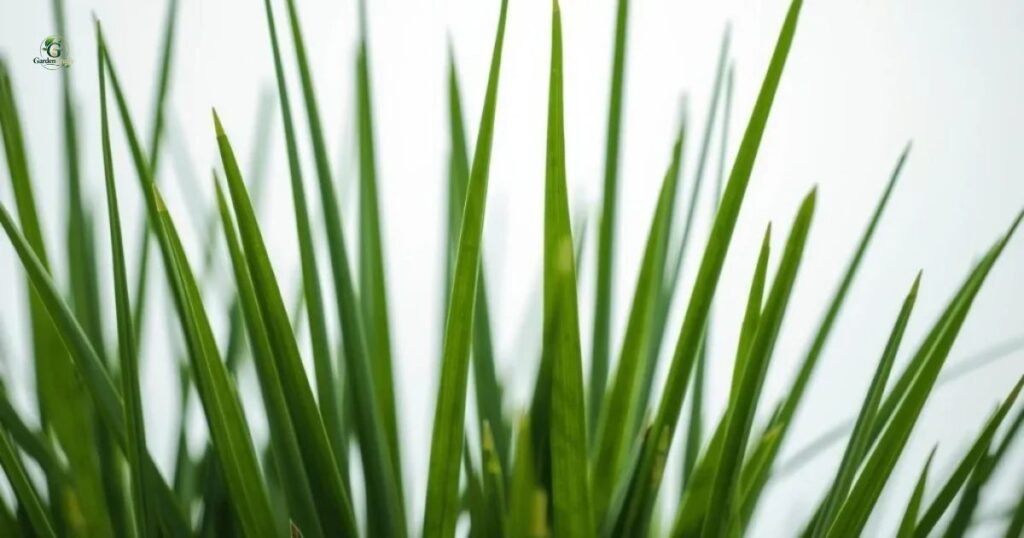
The unique shape of Bermuda grass leaves allows them to capture sunlight more efficiently, promoting vigorous growth and enhancing its resilience against drought conditions. This adaptability makes it a favorite among homeowners and professional landscapers alike.
Sideways Growth: The narrowness of the blades also plays a crucial role in how Bermuda grass interacts with its environment. These pointed blades minimize water loss, enabling the grass to maintain lush green coverage even in the heat of summer.
Their sideways growth pattern means that each blade effectively supports the surrounding turf, creating a robust network that can withstand heavy foot traffic.
This remarkable combination of size and shape not only serves functional purposes but also adds to the overall durability and visual appeal of Bermuda grass lawns.
Bermuda Grass Measurements and Growth Size
Thin Blades: Bermuda grass is renowned for its thin blades and vibrant green hue, making it a popular choice for lawns and sports fields alike. When measuring growth size, it’s essential to understand that it thrives in well-drained soil, encouraging robust lateral expansion.
Longer Unmowed: Bermuda grass reaches its optimal height of 1 to 3 inches when mowed regularly. If left unmowed, it can extend beyond 6 inches, resulting in a lush, albeit less manageable, landscape.
This growth variability offers homeowners the flexibility to create a tailored aesthetic, whether they prefer a tidy lawn or a more natural look. Regular monitoring and adjustment of mowing height can significantly influence the grass’s health and visual appeal, contributing to a vibrant outdoor space.
How Bermuda Grass Grows and Spreads
Bermuda grass employs two primary growth methods: above-ground stolons and below-ground rhizomes, each contributing to its impressive ability to establish and spread rapidly. The stolons, which are horizontal stems that creep across the soil surface, allow the grass to expand laterally, forming a dense carpet of lush green.
Below-Ground Rhizomes: The rhizomes grow beneath the surface, sending out roots and shoots that further anchor and proliferate the grass. This underground growth enhances its resilience against drought and foot traffic, making Bermuda grass a popular choice for sports fields and high-traffic areas.
What Do Bermuda Grass Seed Heads Look Like?
Finger-Like Spikes: Bermuda grass seed heads are a fascinating feature that adds texture and visual interest to lawns and landscapes. Characterized by their unique finger-like spikes, these seed heads typically exhibit a star-like shape consisting of 3-6 distinct spikes extending outward.
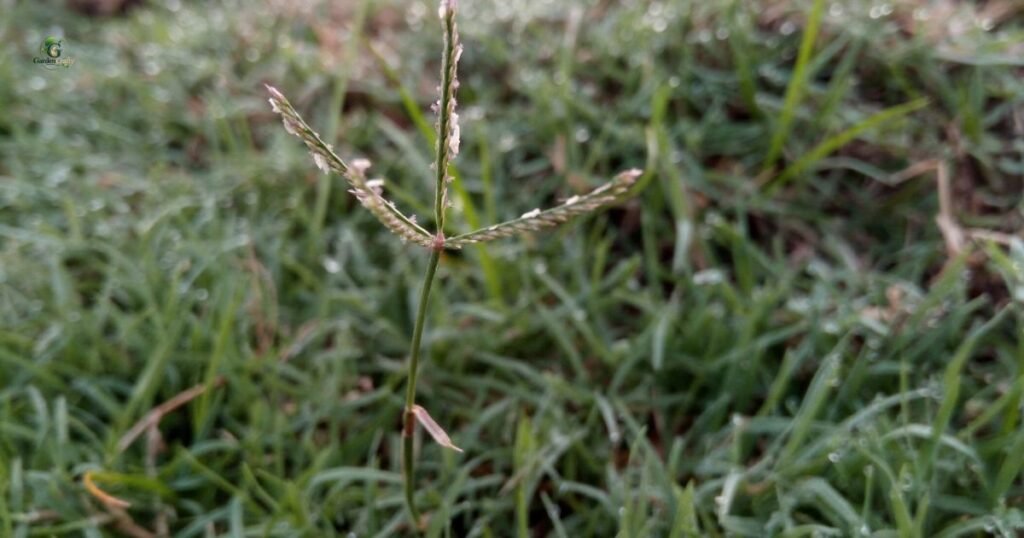
This striking formation not only enhances the aesthetic appeal of your garden but also serves as an indication of the grass’s reproductive cycle.
Light Green to Brown: As the season progresses, these seed heads transition from a vibrant light green to a rich brown, offering a dynamic color palette that complements the earth tones of the surrounding environment. Transformation can be a reminder of nature’s cycles, as the changing hues reflect the grass’s adaptation to its environment.
For gardeners and landscape enthusiasts, recognizing the visual nuances of Bermuda grass seed heads can deepen appreciation for this resilient grass variety, emphasizing its role in creating lush, sustainable outdoor spaces.
What Does Bermuda Grass Look Like in Different Seasons?
Spring: In spring, Bermuda grass transforms from its winter dormancy, gradually reawakening as it shifts to a vibrant green. This phase is marked by an invigorating burst of growth, as the grass begins its active cycle.
Homeowners eagerly anticipate this seasonal revival, witnessing not just a color change but also the renewed energy that invites backyard gatherings and outdoor activities.
Summer: As summer arrives, Bermuda grass reaches its peak, growing rapidly and developing a rich, lush tone that blankets lawns in thick, verdant beauty. This is the time when proper maintenance becomes essential to keep the grass healthy and lush, as its lushness invites outdoor fun.
Winter: As fall approaches, this lively growth begins to slow; the rich green color starts to fade, signaling the approach of winter. Though it may appear lifeless, it’s important to remember that the grass is simply conserving energy, readying itself for dormancy while remaining very much alive beneath the surface.
What Does Bermuda Grass Look Like When It First Grows?
Light Green and Thin Blades: When Bermuda grass first emerges, it’s an enchanting sight with its light green thin blades that peek through the earth, symbolizing the promise of spring.
Unlike other grasses that may boast a dense look from the onset, Bermuda grass showcases its distinctive character with a low growth habit that provides a delicate, carpet-like appearance. Each blade is slender and graceful, creating a soft texture that is as inviting as a lush oasis.
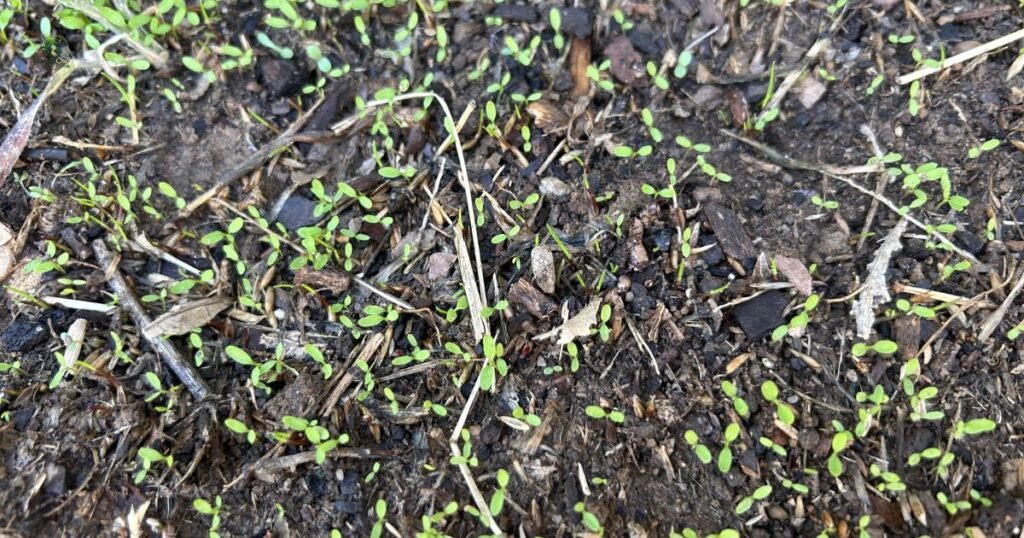
Early Runners: It establishes itself, early runners unfurl, spreading outward and creating a network that enhances the turf’s resilience. These early growth stages not only signify a flourishing lawn but also indicate Bermuda’s ability to rapidly adapt to its environment.
This unique growth pattern not only makes it visually appealing but also functional, allowing the grass to effectively outcompete weeds and fill in bare spots over time.
Witnessing these initial phases is crucial for lawn enthusiasts, as it sets the stage for the vibrant, robust lawn that Bermuda grass ultimately promises.
Does Bermuda Grass Look Different in Shade?
Patchy Lawn: Bermuda grass, known for its resilience and lush green appearance in full sun, undergoes notable transformations when subjected to shade. In such environments, you may notice the grass sporting thinner blades, lacking the robust growth typical of its sunnier counterparts.
This slimmed-down foliage results in a pale color that can leave your lawn looking less vibrant and somewhat faded, leading to a patchy lawn that can be frustrating for homeowners.
Full Sun: The grass’s ability to photosynthesize diminishes in limited light, affecting its growth cycle and overall health. While Bermuda thrives in full sun, shade can stifle its dynamic and lush aesthetic, transforming an otherwise flourishing lawn into a sparser version of itself.
To combat this, consider mixing in shade-tolerant species or adjusting your landscape design to enhance sunlight exposure. Embracing these strategic adjustments can help maintain a vibrant and lush outdoor space, even in the less-than-ideal conditions of shade.
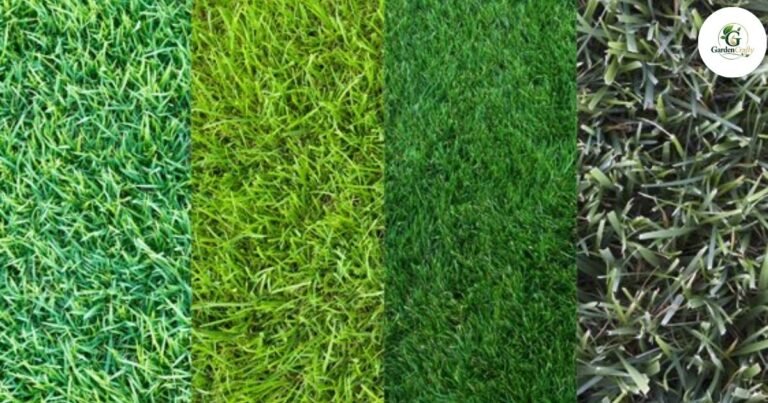
Types of Bermuda Grass and How They Look
Lighter Green and Less Dense: When exploring the varieties of Bermuda grass, you’ll encounter distinct types that vary in both appearance and growth characteristics.
Common Bermuda features a lighter green hue with a less dense growth pattern, making it ideal for casual lawns and recreational areas. This variety is resilient and establishes quickly, which is why many homeowners opt for it despite its softer texture.
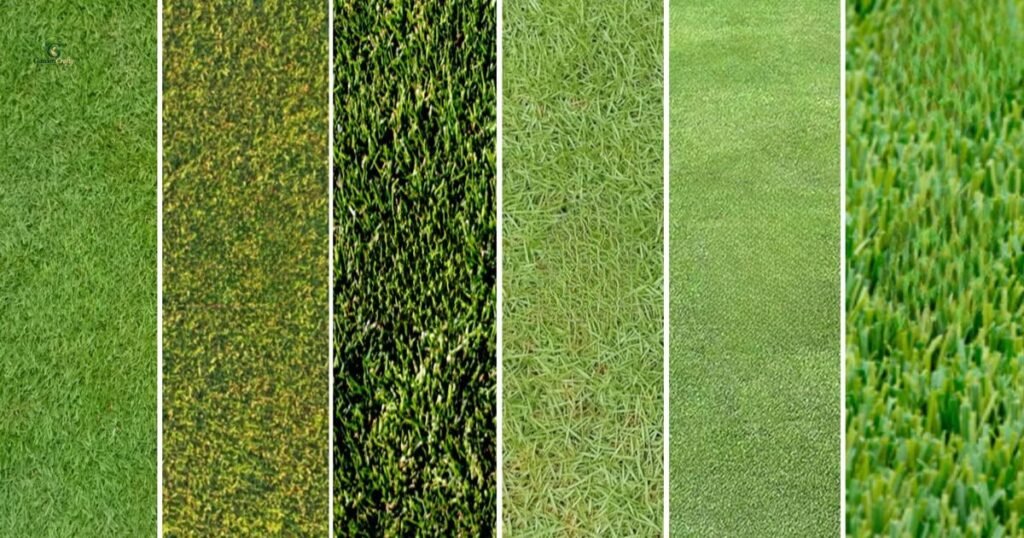
Darker Green and Very Dense: Tifway 419 showcases a darker green color and a very dense growth habit, making it the go-to choice for golf courses and athletic fields. This variety not only enhances the lawn’s aesthetic appeal but also provides superior wear tolerance.
Another intriguing option is Yukon, known for its medium to dark green shade and a fine texture that strikes a balance between density and softness, offering an inviting look while still thriving in various conditions.
Each type offers unique benefits and visual qualities, catering to different landscapes and preferences.
How to Identify Bermuda Grass in Your Lawn
Thin Blades and Sideways Runners: Identifying Bermuda grass in your lawn can be an enlightening process. Start by examining the grass blades; Bermuda grass features thin blades that lie flat and often have a distinct sheen.
you glance over your lawn, look closely for sideways runners, known as stolons, which creep along the ground and contribute to its hearty spread. These growth habits make it quite distinct from other turf varieties.
Finger Seed Heads and Winter Browning: you’ll notice the unique seed heads that emerge. These seed heads are often clustered and produce a fine texture, contrasting with the overall look of your lawn. Keep an eye out for winter browning, a phenomenon that occurs when temperatures dip, causing Bermuda grass to go dormant and turn a tan or brownish hue.
This seasonal change is a telltale sign of its presence, as other grasses may not exhibit such dramatic transformations. Understanding these characteristics not only aids in identification but also helps in nurturing your lawn effectively.
When You Can Be 100% Sure It Is Bermuda Grass
Thin Blades and Sideways Runners: Bermuda grass with 100% certainty hinges on a few distinct characteristics. Firstly, the grass boasts thin blades that give it a delicate, yet lush appearance. When examining the turf closely, you’ll notice sideways runners’ stolons spreading across the soil, enabling this grass to expand and thrive even in challenging conditions.
This characteristic not only assists in its growth but also contributes to its ability to withstand wear and tear, making it a favorite for high-traffic areas like sports fields and golf courses.
Winter Browning and Visual Identification: As winter approaches, pay attention to the phenomenon of winter browning, where the vivid green hues dim to a muted brown.
Despite this seasonal dormancy, Bermuda grass remains resilient. Its visual identification is further solidified by a slightly coarse texture compared to other turf grasses, setting it apart.
Understanding these unique traits not only assists in accurate identification but also enhances your lawn care regimen, ensuring you nurture a healthy, vibrant Bermuda grass lawn year-round.
Bermuda Grass vs Look-Alike Grasses
Thin Blades: When comparing Bermuda grass to its look-alike counterparts, the striking differences in growth patterns and aesthetics become apparent. Bermuda grass, with its fine, thin blades, offers a lush, manicured appearance, making it a popular choice for golf courses and residential lawns alike.
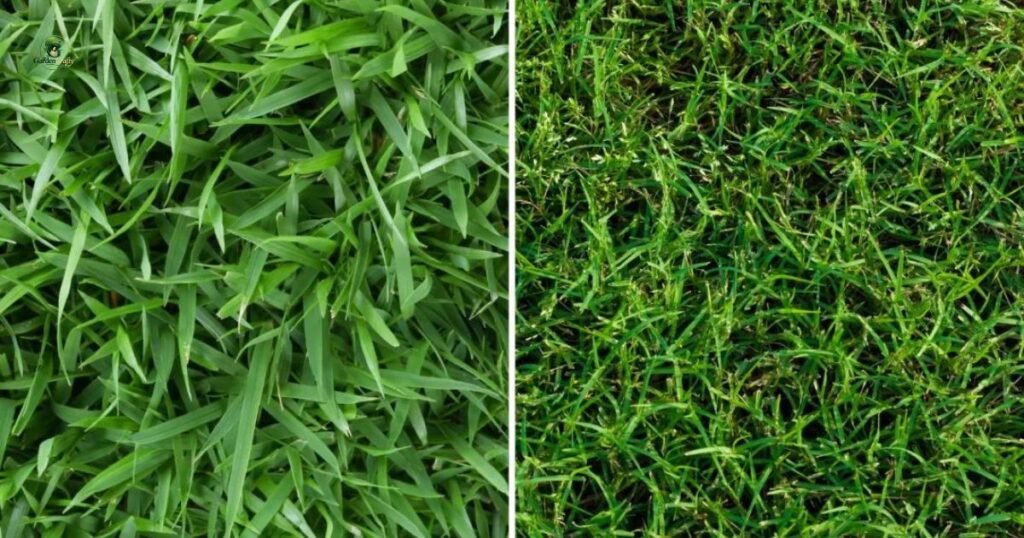
Spreading Runners: Its fast spreading runners can quickly cover bare patches, making maintenance a breeze during the growing season. It’s essential to recognize that grasses like Zoysia provide a different charm with their thicker blades and slower growth rate, which can lead to a denser and more luxurious lawn over time.
Thicker Zoysia: Bermuda’s vibrant green hue contrasts sharply with the darker tones of Zoysia, which thrives in varying climates. For those seeking instant coverage, Bermuda’s aggressive spreading capabilities are unparalleled; however, the thicker blades of Zoysia require less mowing and offer better drought resistance.
Fast Spreading: This makes understanding the nuances between these grasses vital for homeowners aiming for a specific aesthetic or functional goal.. Whether you lean towards the fast-spreading Bermuda or the resilient Zoysia, knowing your lawn’s needs will yield the most rewarding results.
Why Bermuda Grass Often Looks “Out of Place”
Low Growth: Bermuda grass often seems to stand out in mixed lawns due to its rapid growth and vibrant green hue, which can clash with the softer textures of other species. Its aggressive expansion means it can dominate the landscape, leading to stark contrasts with slower-growing grasses.
Sun Response: This boldness not only alters the aesthetic of a lawn but can also impact the health of neighboring plants, as Bermuda’s notorious sun response allows it to thrive in sunny areas while overshadowing others that prefer shaded conditions.
Bermuda grass’s low growth habit can create an unusual visual dynamic, especially when interspersed with taller, lush grasses. Homeowners may find that its low profile leads to a patchy appearance if not carefully managed, causing an uneven lawn that feels out of sync with the surrounding environment.
Mixed Lawn: These traits can help lawn enthusiasts better harmonize their green spaces, ensuring that the robust characteristics of Bermuda grass complement rather than disrupt the overall beauty of a mixed lawn.
Is Bermuda Grass a Lawn Grass or a Weed?
Warm-Season Lawns: Bermuda grass often sparks debate among lawn enthusiasts: is it a desired grass or an unwanted grass? As a staple of warm-season lawns, Bermuda grass thrives in heat, boasting a robust, dense growth that many homeowners covet.
Cool-Season Lawns: Its ability to withstand drought and heavy foot traffic makes it a favorite for recreational areas and golf courses. However, this same resilience can turn it into a double-edged sword, invading cool-season lawns and gardens, much to the dismay of gardeners seeking a more refined aesthetic.
The real intrigue lies in its dual nature. While Bermuda grass is celebrated for its lush, green carpet in the right environment, it can quickly overstep its bounds. In cooler climates, where cool-season lawns flourish, Bermuda’s aggressive growth can crowd out more delicate species, treating them like unwelcome guests at a garden party.
This unique perspective challenges us to reconsider our relationship with this hardy grass. Can we harness its vigor for our benefit while managing its potential for chaos? By understanding Bermuda grass’s quirks, homeowners can make informed decisions about their lawns, balancing beauty and practicality.
What NOT to Do Before Identifying Bermuda Grass
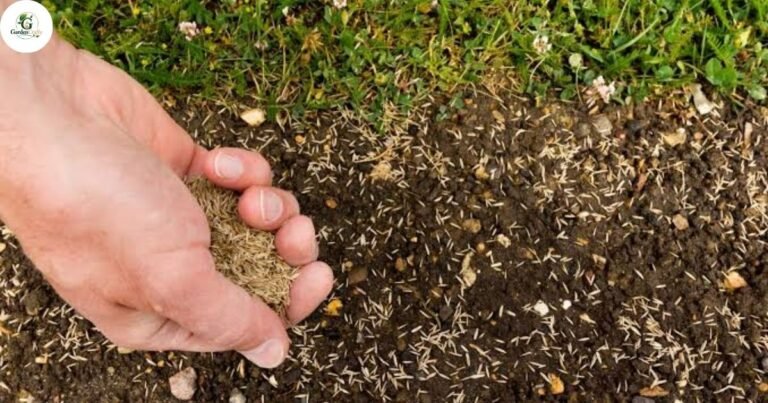
Avoid Reseeding: Before you dive into maintaining your lawn, avoid jumping the gun on reseeding without first confirming your grass type. Identifying Bermuda grass is essential because it has specific growth habits and requirements that differ vastly from other varieties.
Mistaking it for fescue or bluegrass, for instance, can lead you to select the wrong fertilizers or herbicides, which might harm your lawn instead of helping it thrive.
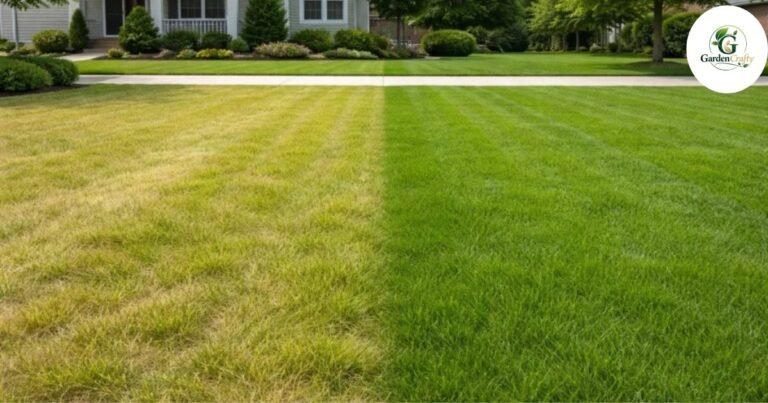
Winter Browning: Another key misstep is neglecting to address winter browning properly. Bermuda grass goes dormant in cooler months, often leading to a brown, lifeless appearance that can be alarming. Before panicking, recognize that this is a natural process for Bermuda grass.
Using pre-emergent herbicides or other products meant for actively growing grass during this time can worsen the situation. Instead, educate yourself on how to care for your lawn based on its growth cycle.
Understanding these fundamentals will ensure that you’re taking the appropriate measures to keep your lawn healthy all year round.
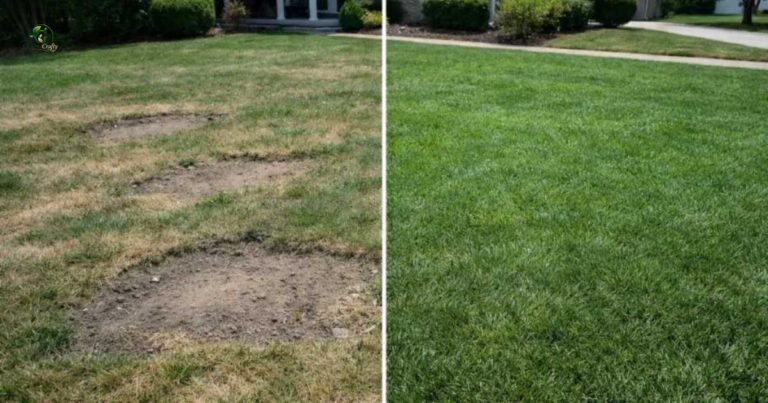
Why Bermuda Grass May Look Thin or Patchy
Shade: Bermuda grass, cherished for its vibrant green hue and durability, can sometimes present a less-than-ideal appearance, appearing thin or patchy. One major culprit is shade; Bermuda thrives in full sunlight, and even partial shade can inhibit its growth.
If trees or structures overshadow your lawn, consider strategic trimming or relocating any obstructions to promote healthier grass growth.
Cold Weather: Cold weather also plays a significant role in the grass’s vitality. Bermuda is a warm-season grass, and when temperatures drop, it tends to enter dormancy, leading to uneven patches. This phenomenon might surprise those expecting a lush green lawn year-round. Additionally, low nutrient levels can contribute to a lackluster appearance.
Foot Traffic: Regular soil testing can reveal nutrient deficiencies, guiding you to the right fertilizers and amendments. Lastly, foot traffic can compact the soil, limiting root expansion and causing wear in high-traffic areas. Implementing zones for activities and rotating them can help your Bermuda grass recover and thrive.
Common Questions About Bermuda Grass
Winter Dormancy: Bermuda grass, a popular choice for warmer climates, often raises questions about its maintenance and appearance. A common concern is its winter dormancy; understanding this cycle can alleviate worries about a lackluster lawn in cold months.
While Bermuda grass may turn brown and appear lifeless during winter, this dormancy is a natural protective mechanism, enabling it to conserve energy and thrive again when temperatures rise.
Spreading Runners: Another frequent inquiry pertains to its growth habit. Known for its thin blades and spreading runners, Bermuda grass can quickly establish a lush, dense turf. Homeowners often marvel at how it fills in bare spots effortlessly.
It’s essential to remember that this aggressive growth can require regular mowing and trimming to keep it contained, especially if planted near flower beds or other landscaping features. With the right care and knowledge of its unique characteristics, Bermuda grass can be an enduring choice that beautifies any lawn.
Quick Identification
Thin Blades and Pointed Tips : Navigating the diverse world of plants can be a challenge, but utilizing a Quick Identification Table can streamline the process significantly.
By focusing on characteristics such as thin blades, pointed tips, and spreading runners, enthusiasts and professionals alike can swiftly identify various species.
Recognizing the distinct form of thin blades coupled with pointed tips can lead you straight to grasses or specific sedges that thrive in your region.
Spreading Runners: The presence of spreading runners often indicates a more aggressive growth habit, making it important to identify these plants quickly to manage them effectively in your landscape. An essential aspect to note in this quick scanning process are the finger seed heads, which can serve as a key distinguishing feature.
These unique identifiers not only enhance your plant knowledge but also enriches your gardening experience, leading to healthier, more aesthetically pleasing gardens. Embrace this method to cultivate your connection with plant life!
When Identification Matters the Most
Correct Identification: Identification is critical in agriculture, especially when it comes to reseeding. The success of new crops hinges on selecting the right species based on soil conditions, climate, and existing flora.
A misstep in correct identification can lead to wrong treatments, ultimately jeopardizing yield and wasting resources. By prioritizing accurate identification, farmers not only enhance crop viability but also safeguard their investments from unnecessary expenses.
Avoiding incorrect treatment: rooted in poor identification prevents the cycle of trial and error that can drain finances and time. For instance, applying the wrong fertilizers or herbicides due to misidentified crops can lead to stunted growth or, worse, damage that’s irreversible.
By investing in proper identification techniques like soil sampling and plant diagnostics cultivators set themselves on a path toward sustainability and success. Recognizing the nuances of local ecology can turn potential pitfalls into profitable opportunities, proving that knowing your crops is as vital as nurturing them.
Conclusion
Bermuda grass is a vibrant and adaptable turf that showcases a lush green hue, fine texture, and a dense growth pattern. Its ability to thrive in warm climates makes it a popular choice for lawns, golf courses, and sports fields.
What Does Bermuda Grass Look Like? The unique characteristics of Bermuda grass, such as its drought resistance and rapid growth, contribute to its widespread appeal.
FAQS
How can I tell if I have Bermuda grass?
To determine if you have Bermuda grass, start by examining its appearance. Bermuda grass typically has a fine to medium texture, grows in a dense and lush manner, and has a vibrant green color during the growing season.
What are the drawbacks of Bermuda grass?
It does come with several drawbacks. One major issue is its aggressive growth habit, which can lead to invasiveness. It can spread rapidly and may invade neighboring flower beds or gardens, making it a challenge for homeowners looking to maintain a tidy landscape.
What is the common name for Bermuda grass?
The common name for Bermuda grass is simply “Bermuda.” This hardy, warm-season grass is known for its vibrant green color and ability to thrive in sunny environments, making it a popular choice for lawns, golf courses, and sports fields.
Are Bermuda grass and crabgrass the same thing?
Bermuda grass and crabgrass are not the same, though they are often confused due to their appearances and growing habits.