
Grass Types: A Simple Guide to Lawn Grasses in the USA
If you think all grasses are created equal, think again! The type of grass you choose can make or break your lawn’s aesthetic and health. This article will serve as your go-to guide for understanding grass types in the USA, offering practical advice on selecting the best variety for your home.
From drought-resistant options to shade-loving grasses, you’ll learn how to cultivate a lawn that meets your specific needs and preferences.
What Are Grass Types?
Grass types are different kinds of lawn grasses that grow best in specific climates. The two main types are cool-season grasses and warm-season grasses. Choosing the right type depends on your location, sunlight, and how you use your lawn.
| Grass Type | Best Climate | Shade | Drought | Traffic | Maintenance |
| Tall Fescue | Cool / Transition | Medium | High | Medium | Low |
| Kentucky Bluegrass | Cool | Low | Low | Medium | Medium |
| Fine Fescue | Cool | High | Medium | Low | Low |
| Bermudagrass | Warm | Low | High | High | Medium |
| Zoysia | Warm / Transition | Medium | Medium | Medium | Low |
| St. Augustine | Warm | High | Low | Medium | Medium |
Cool-Season and Warm-Season Grass Types
Cool-season grasses thrive in the temperate zones, boasting vibrant colors and lush growth during the cooler months. Varieties like Kentucky bluegrass and fescue are not only resilient but also ideal for regions experiencing distinct seasonal shifts.
Their growth peaks in spring and fall, making them perfect for climates with mild summers and cold winters. These grasses can exhibit a phenomenon called “winter color,” where certain species retain their green hues even under snow, adding a unique visual appeal to winter landscapes.

On the flip side, warm-season grasses, such as Bermuda and Zoysia, come alive in the heat, flourishing during the hot summer months. These varieties are drought-resistant, making them suitable for regions with high temperatures and low rainfall. A fascinating aspect of warm-season grasses is their ability to enter a state of dormancy in the winter, conserving resources until conditions improve.
This adaptive strategy not only enhances survival but also ensures that when they regain their vigor, they provide a robust, attractive lawn for the sun-soaked months ahead. Understanding the unique characteristics of these grass types can transform your lawn care approach, allowing for a garden that’s both sustainable and striking throughout the year.
Cool-Season Grass Types
Cool-season grasses thrive in the transitional zones of the climate map, flourishing when temperatures are mild. Varieties like Kentucky bluegrass, fescue, and ryegrass each bring unique qualities to the table.
Kentucky bluegrass, is celebrated for its lush appearance and deep root system, making it drought-tolerant and resilient in the face of wear and tear. Tall fescue boasts an unparalleled adaptability, allowing it to thrive in diverse soil types and moisture levels, catering to homeowners with varying yard conditions.
These grasses not only serve aesthetic purposes but also play a critical role in soil health. Their deep roots create natural pathways that encourage water infiltration, reducing runoff and promoting sustainability.
Warm-Season Grass Types
Warm-season grasses thrive in the heat of summer, offering a lush, vibrant landscape from late spring through early fall. Species like Bermuda, Zoysia, and Buffalo grass are not only hardy but also have unique growth habits and aesthetic qualities that cater to varying landscape designs.
Bermuda grass is a popular choice for athletic fields due to its resilience and dense growth, making it ideal for heavy foot traffic. In contrast, Zoysia grasses have a slower growth rate but reward patience with a soft, luxurious texture that stays green even under drought conditions.

One fascinating aspect of warm-season grasses is their adaptability to different climates and soil types. For example, Buffalo grass is native to the Great Plains and thrives in drier conditions, often requiring less water and maintenance than other grass types. This makes it an environmentally friendly option, appealing to eco-conscious homeowners.
Integrating warm-season grasses into landscapes can increase biodiversity, as they provide habitat for local wildlife and promote healthier soil structures. By embracing these diverse options, gardeners can create sustainable, beautiful outdoor spaces that shine under the summer sun.
Transition-Zone Grass Types
Transition-zone grass types offer a unique blend of resilience and adaptability, catering to a diverse climate that ranges from hot summers to chilly winters. This hybrid environment often poses challenges for homeowners aiming for lush landscapes, yet the right grass choices can transform these hurdles into opportunities.
Fescue, zoysia, and Bermuda grasses are the standout contenders, each bringing their own strengths to the table. Fescue, particularly tall fescue, thrives in cooler conditions and showcases drought resistance, making it ideal for both low and moderate levels of foot traffic.
Meanwhile, zoysia provides that coveted thick, carpet-like texture, creating an inviting space that feels luxurious underfoot. Its slow growth means it requires less frequent mowing, a perk for those who prefer a low-maintenance yard but still want a beautiful lawn.
Turfgrass Categories Based on Use
Turfgrass categories based on use reveal a fascinating interplay between function and aesthetics in landscapes. From robust recreational fields to luxurious lawns, understanding the unique attributes of each type can inform landscaping decisions.
Athletic turfgrass blends, often engineered for wear tolerance and recovery, highlight the need for durable solutions in high-traffic environments. These resilient varieties can withstand not only physical stress but also various climatic conditions, truly embodying the blend of nature and engineering.
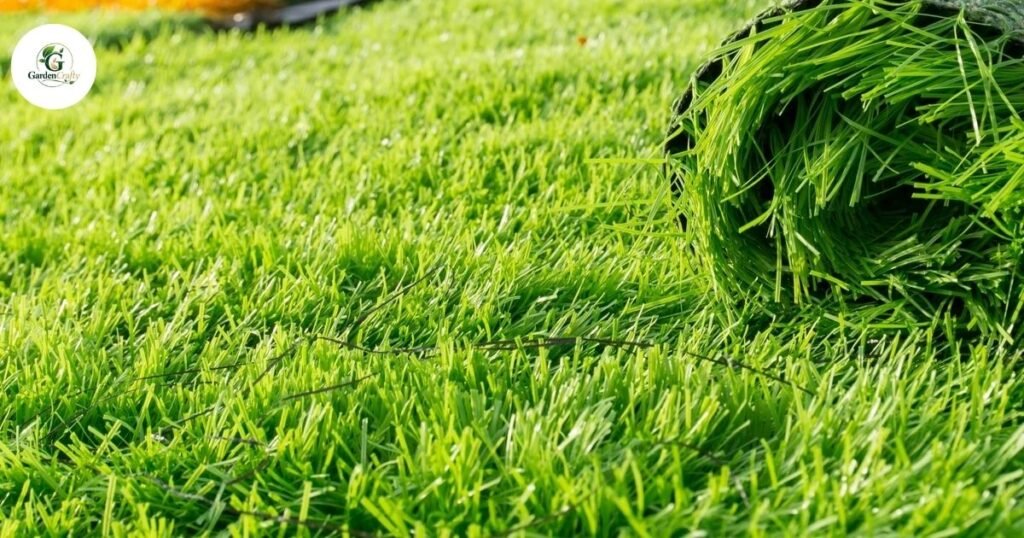
On the other hand, ornamental grass types focus on visual charm and enhance the ambiance of residential spaces. These grasses allow homeowners to express their unique style, with choices ranging from lush fescue to vibrant zoysia, each providing distinct textures and colors across seasons.
By choosing ornamental grasses that thrive in local climates, homeowners can create low maintenance yet striking landscapes, promoting biodiversity and reducing water consumption.
A deeper understanding of turfgrass categories empowers individuals to make choices that satisfy both practical needs and aesthetic desires, ensuring that every lawn is a reflection of its environment and the lifestyle of its caretaker.
Lawn Turf
Lawn turf not only enhances the aesthetic appeal of a property but also plays a pivotal role in environmental health.
By absorbing carbon dioxide and releasing oxygen, a well-maintained turf can improve air quality, making your outdoor space a breathing sanctuary amidst urban landscapes. Turf acts as a natural water filtration system, helping to reduce runoff and prevent soil erosion, which is particularly crucial in regions prone to heavy rains or flooding.
Sports Turf
Sports turf has evolved beyond a simple playing surface; it now defines the very essence of athletic performance and sustainability.
Advanced technologies in turf design are paving the way for eco-friendly solutions, allowing venues to maintain lush, vibrant fields without the extensive water usage of traditional grass. This innovation not only promotes environmental stewardship but also reduces maintenance costs, making it a win-win for sports organizations and the planet.
Utility Turf
Utility turf is rapidly emerging as an innovative solution for both residential and commercial landscapes, transforming the way we think about outdoor spaces. Traditional grass, which requires constant maintenance and resources, utility turf offers a resilient alternative that thrives in a variety of conditions.
Its diverse applications range from playgrounds and sports fields to eco-friendly urban landscaping, serving not just aesthetic purposes but practical ones too.
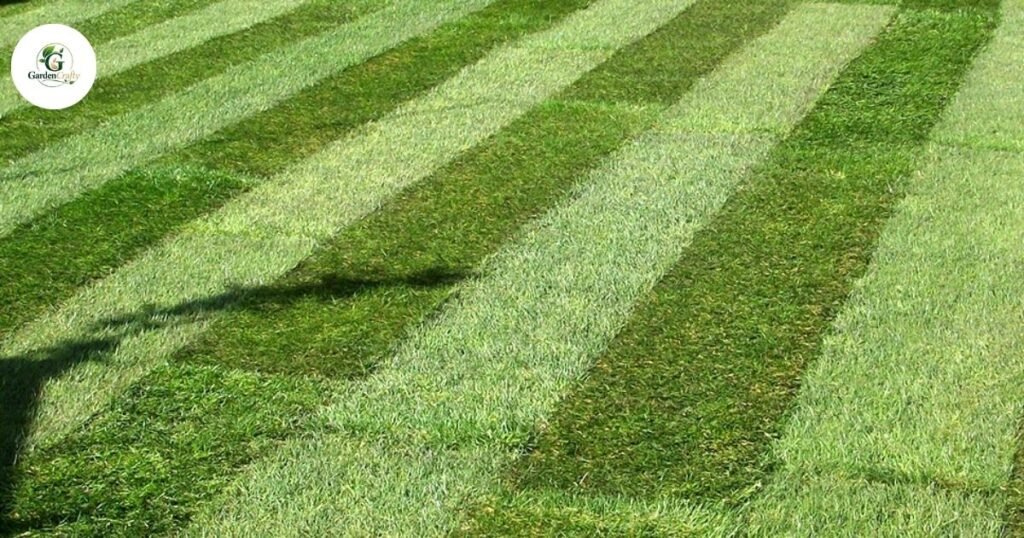
One of the most exciting aspects of utility turf is its potential for water conservation. As climate change intensifies, regions are grappling with droughts and water shortages. By replacing natural grass with synthetic alternatives, we can significantly reduce water usage and create sustainable environments that still look vibrant and inviting.
Cultivars, Varieties, Blends, and Mixes
In the world of plant cultivation, cultivars, varieties, blends, and mixes represent a rich tapestry of biodiversity. Each category offers distinct characteristics that can profoundly influence both aesthetics and functionality.
Cultivars, bred for specific traits, showcase the art of selective breeding, allowing gardeners and farmers to tailor their crops for taste, resilience, and visual appeal. A tomato cultivar developed for a shorter growing season can make it possible to enjoy fresh produce in regions where frost typically limits options.

Varieties, on the other hand, often highlight the beauty of genetic diversity found in nature. When exploring heirloom varieties, for example, one can tap into historical flavors and textures often lost in modern agriculture.
Blends and mixes, which combine different types or species, provide a unique opportunity to create synergistic effects; think of a wildflower mix that attracts a diverse array of pollinators, enhancing the ecosystem’s health. This not only benefits the plants themselves but can also contribute to soil enrichment, making it a harmonious practice for anyone interested in sustainable gardening.
Turfgrass Species for the Midwest
The Midwest offers a unique challenge for turfgrass enthusiasts due to its distinct weather patterns and soil types. Cool-season grasses such as Kentucky bluegrass, perennial ryegrass, and tall fescue thrive in this region, each bringing its own strengths and benefits.
Kentucky bluegrass, with its lush green hue and self-spreading capability, is often the go-to choice for homeowners looking for a picture-perfect lawn. It requires adequate moisture and can be susceptible to drought stress.
Perennial ryegrass stands out for its rapid germination and establishment, making it ideal for quick patches and overseeding. Its fine texture and dark green color elevate turf quality, but it generally does not perform as well in the heat of summer compared to its deep-rooted counterpart, tall fescue.
Tall fescue, characterized by its drought resistance and adaptability, has gained popularity due to its ability to endure the intense Midwestern heat and varying soil conditions. Understanding the nuances of these turfgrass species can transform not just your lawn aesthetics, but also its overall health and resilience.
Other Species Occasionally Used
While dogs and cats often steal the spotlight as pets, numerous other species occasionally grace our homes, offering unique companionship and a variety of benefits. Ferrets, with their playful antics and social nature, provide a different kind of energy in a household.
Their curious behavior can be an endless source of entertainment, encouraging owners to engage in interactive play while fostering a bond that resembles that of traditional pets.
What Does Each Grass Type Look Like?
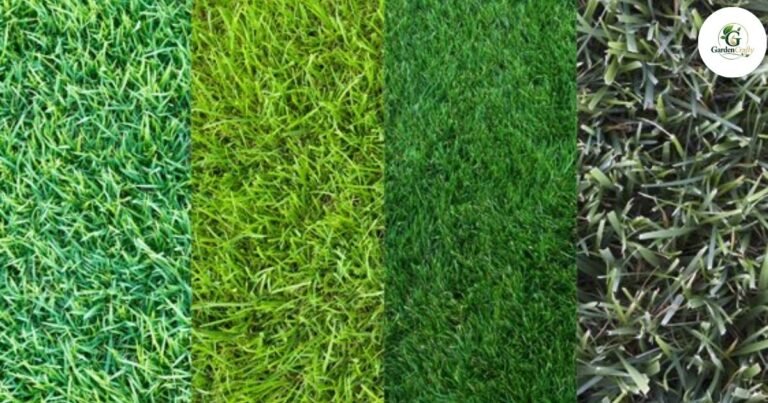
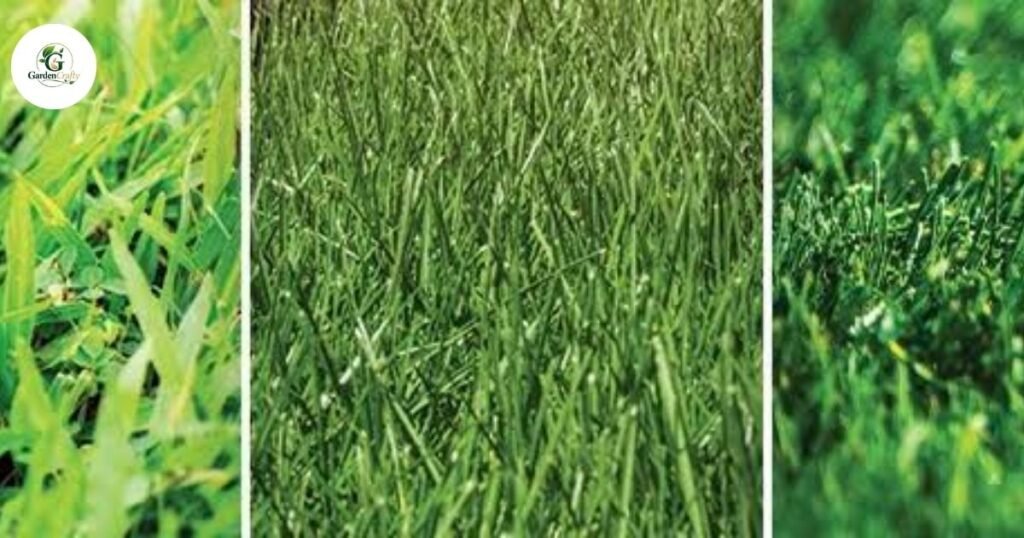
When exploring the diverse world of grass types, each variety displays unique characteristics that can transform a landscape. Kentucky bluegrass boasts lush, velvety blades that form a dense, carpet-like expanse, creating an inviting play area or a serene backyard retreat.
Its rich, emerald hue becomes more vibrant in cooler weather, making it a favorite for cool climates, but it struggles in extreme heat and drought. On the other hand, Bermuda grass showcases a robust yet fine texture, with a more sun-loving disposition that thrives in warmer regions.
Its deep green leaves become particularly luscious during summer months, presenting a resilient choice for sports fields and golf courses. Fescue grass, characterized by its wide blades and deep roots, offers versatility, appearing in a variety of hues from light green to dark blue-green, adapted to both sunny and shaded areas.
Grass Type Characteristics
Grass types in the Pokémon universe are not just about their verdant aesthetics; they embody resilience and symbiosis with nature. These Pokémon often showcase a unique blend of defensive and supportive abilities, making them invaluable in battles.
Moves like Leech Seed not only sap an opponent’s energy but also restore health, emphasizing the communal spirit of nature where one life sustains another. This reflects a broader lesson about the importance of interdependence in ecosystems.
Grass types often mirror real-world plant behaviors, highlighting how they adapt to their surroundings. For example, many Grass Pokémon exhibit growth patterns akin to plants that thrive in specific environments, whether lush forests or arid fields.
This adaptability makes Grass types inherently dynamic, inviting trainers to explore strategies that leverage their versatility. Encountering a Grass type is like stepping into a miniature ecosystem, rich with the potential for growth, healing, and powerful synergy.
Expert Insight: Rhizomatous Tall Fescue
Rhizomatous Tall Fescue (RTF) is rapidly emerging as a lawn and landscape favorite due to its remarkable adaptability and resilience. Unlike traditional cool-season grasses, RTF offers a unique growth characteristic: its ability to propagate through rhizomes.
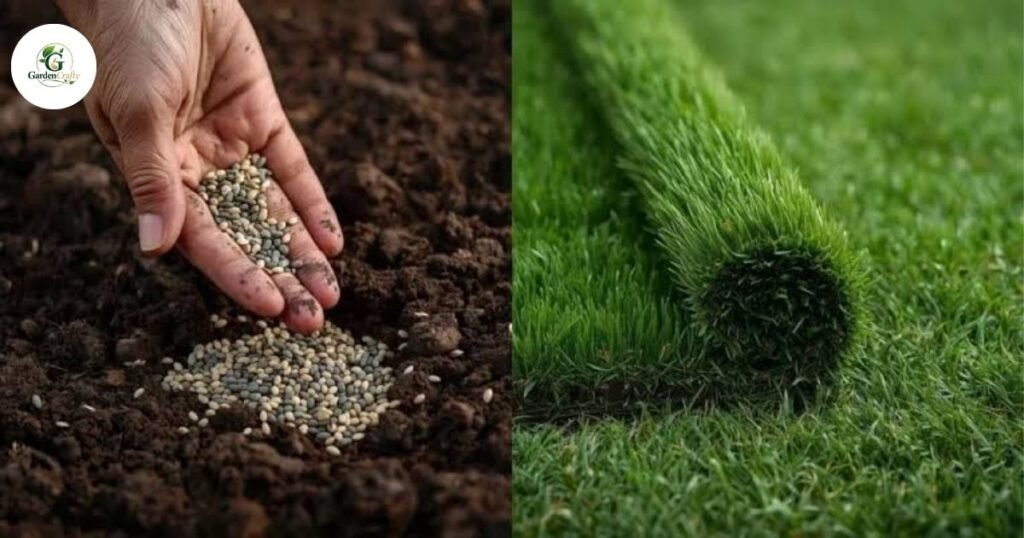
This means that even in the face of drought and foot traffic, it can self-repair and maintain a lush, green appearance. Homeowners and landscapers alike are increasingly recognizing its potential not just for aesthetics but for sustainability, thanks to its deep root system that effectively accesses moisture and nutrients, reducing the need for supplemental irrigation and fertilizers.
How to Identify What Grass You Have
Identifying the type of grass in your yard is more than just a matter of aesthetics; it influences how you care for your lawn. Begin by examining the texture and color of the grass blades some varieties, like Kentucky bluegrass, feature a rich green hue and soft, fine blades, while Bermuda grass is coarser and displays a golden tint during drought.
A simple tug test can further distinguish between types; if the grass pulls easily from the soil, it may indicate a weak rooting system typical of certain species.
| Check | What to Look For |
| Blade Width | Thin = Fine grasses, Wide = Coarse grasses |
| Color | Blue-green = Kentucky Bluegrass, Bright green = Bermudagrass |
| Growth Habit | Spreading = Rhizomes/Stolons, Clumping = Bunch-type grasses |
| Season Growth | Spring/Fall = Cool-season, Summer = Warm-season |
General Grass Care by Season
Spring heralds a revival for your lawn, making it the perfect time to aerate and overseed. This invigorating process not only strengthens grass roots but also promotes thicker growth, giving you that lush, green look.Consider applying a slow-release fertilizer to nurture the lawn as it awakens from winter dormancy.
Be vigilant against weeds; early spring is when they begin to sprout, so a pre-emergent herbicide can be your best ally. As summer rolls in, focus on hydration and mowing. Regularly watering your lawn preferably early in the morning ensures deep roots and drought resistance.
Mowing at a higher cutting height can also create shade and conserve moisture, reducing stress on grass during those sweltering days. Consider introducing a fescue blend, which thrives in heat and can help mitigate water usage.
When fall arrives, it’s time to prepare your lawn for the winter months. This season is ideal for aeration and applying a nutrient-rich fertilizer, which fuels root development just as colder temperatures set in. Raking leaves is not just about aesthetics; it also prevents mold and promotes airflow.
This transitional phase lays the groundwork for a vibrant spring, ensuring that your lawn not only survives winter but thrives in warm weather.
Spring
As the earth awakens from its winter slumber, spring unfolds like a vibrant tapestry of renewal. This season is not merely a transition; it’s a symphony of growth where blossoms compete for attention and the air is imbued with the sweet scent of possibility.
Each budding flower and greening blade of grass serves as a reminder of resilience, the quiet determination of life breaking through the cold, hard ground.
Summer
Summer is a season that invites exploration and adventure, where the sun casts an enchanting glow on everyday life. Beyond barbecues and beach days, summer offers a unique sensory tapestry, from the scent of blooming flowers that fill the air to the lively sounds of cicadas humming their rhythmic tunes.
Nature thrives in this season, reminding us of the intricate beauty found in long, warm evenings, as vibrant sunsets paint the sky with hues of orange and pink.
Fall
As the leaves transform into a tapestry of fiery reds, bright oranges, and warm yellows, fall invites us to slow down and savor the beauty of change. This season is not just a visual feast; it presents an opportunity for reflection and renewal.
The crisp air, a gentle reminder of the year’s cycle, encourages us to embrace transition in our own lives. Just as nature sheds what no longer serves it, we too can let go of burdens, creating space for new experiences and growth.
Winter
Winter wraps the world in a crystalline embrace, transforming familiar landscapes into ethereal wonderlands. Each snowflake embodies nature’s artistry, showcasing the beauty of individuality in a season often seen as barren. These chilly months invite us to slow down and appreciate the quietude, as the world takes a breath, allowing us time for reflection and connection.
Best Time to Plant Grass
The best time to plant grass largely hinges on your region’s climate, but a pivotal window for most areas falls between late summer and early fall. This period provides ideal growing conditions: soil is warm enough for seed germination, while cooler air temperatures reduce stress on young grass. Fall precipitation typically increases, allowing for natural irrigation when nature takes over the watering responsibilities.
For those in warmer climates, late spring can also be a good option, particularly for warm-season grasses. However, planting during this time necessitates careful attention to soil moisture and temperature, as the impending heat can be harsh on tender new seedlings.
An often-overlooked strategy is to enrich your soil with organic matter before sowing seeds; this not only enhances nutrient availability but also fosters a robust network for root establishment. By timing your planting and preparing your soil thoughtfully, you’ll set the stage for a lush, resilient lawn that thrives in the seasons to come.
Grass Types by USDA Climate Zones
Choosing the right grass type for your lawn is crucial, and understanding USDA climate zones can significantly enhance your success. In cooler regions, such as USDA zones 3 and 4, cool-season grasses think Kentucky bluegrass and perennial ryegrass thrive, as they flourish during spring and fall’s moderate temperatures. These grasses not only provide lush green lawns but also offer robust root systems for withstanding colder winters.
| Region | Best Grasses |
| Northeast | Kentucky Bluegrass, Tall Fescue |
| Midwest | Tall Fescue, Kentucky Bluegrass, Ryegrass |
| Southeast | Bermudagrass, St. Augustine, Centipedegrass |
| Southwest | Bermudagrass, Buffalograss |
| Pacific Northwest | Fine Fescue, Ryegrass |
| California | Tall Fescue (North), Bermudagrass (South) |
Additional Turfgrass Species
Exploring the realm of additional turfgrass species unveils a world of biodiversity suited for various climates and uses. Beyond the typical Kentucky bluegrass and Bermuda, species like fine fescue and zoysia grass offer unique advantages. Fine fescue thrives in shady environments, making it ideal for woodland gardens or shaded parks where traditional grasses struggle. Its fine texture and low growth habit provide an elegant lawn appearance and require less frequent mowing.
On the other hand, zoysia grass, with its dense growth and drought-resistant qualities, promotes not just durability but also sustainability. This warm-season grass excels in transitional zones, offering resilience during extreme weather events.
Homeowners and landscapers are increasingly drawn to zoysia for its ability to outcompete weeds while maintaining a lush, green aesthetic throughout the summer months. Embracing these alternative species allows for tailored landscapes that enhance not just beauty but also ecological balance.
Blends, Mixes, and Overseeding
Blends, mixes, and overseeding are essential strategies for cultivating a vibrant and resilient lawn or garden. A well-chosen blend can bring together the strengths of different grass types, such as drought resilience, shade tolerance, and disease resistance.
For instance, combining fescue and bluegrass can create a lush lawn that thrives under diverse conditions while minimizing maintenance needs. This tailored approach not only enhances visual appeal but also fosters a more sustainable landscape by encouraging biodiversity.
Overseeding is another powerful tool in the gardener’s arsenal. It provides a rejuvenation boost by introducing fresh seeds into an existing lawn, effectively crowding out weeds and filling in bare patches. This method is particularly beneficial during transitional seasons, as it capitalizes on the natural conditions to encourage swift germination.
Quick Grass Characteristics Comparison
When comparing various types of grass, it’s essential to consider their unique characteristics beyond just color and texture. Fine fescue varieties, like creeping red fescue, offer an elegant touch with their delicate blades, making them perfect for shady spots. Bermuda grass thrives in full sun and is known for its resilience and quick growth, making it a top choice in warmer climates for sports fields and lawns alike.
Popular Grass Comparisons
When comparing popular grass types, Kentucky bluegrass often stands out for its lush, rich color and adaptability to cooler climates. Its slow germination and higher maintenance needs can be a turn-off for busy homeowners.
Perennial ryegrass emerges as a favorite for quick patches and rapid establishment, making it ideal for those eager for instant gratification. Yet, its vulnerability in extreme heat and drought may leave some seeking more resilient options.
Bermuda grass shines in sunny, warm regions, boasting excellent drought tolerance and wear resistance, making it a prime choice for sports fields and high-traffic areas. But this vigorous grower often demands frequent mowing and can be invasive, challenging those aiming for a pristine landscape.
Fescue grass, with its adaptability and shade tolerance, serves as a middle ground, providing a balance between aesthetics and ease of care. Each of these grasses tells a unique story, a blend of beauty and practicality that reflects the diverse lifestyles and preferences of today’s homeowners.
Best Grass by Lawn Need
When choosing the best grass for your lawn, it’s crucial to consider your specific needs and local climate. For regions with intense sun exposure, Bermuda grass shines as a resilient option. This warm-season grass thrives in sunny environments and can endure drought conditions, making it perfect for homeowners who want a lush lawn without constant watering. Its quick recovery rate after wear and tear makes it ideal for high-traffic areas, such as playgrounds or sports fields.
If you’re situated in a cooler climate, Kentucky bluegrass could be your best bet. This grass type not only boasts a rich, vibrant color but also forms a dense, carpet-like lawn that’s great for cooler temperatures. Its ability to self-repair through underground rhizomes provides long-lasting resilience, while its aesthetic appeal can transform your outdoor space into a serene haven.
For shaded areas, consider fescue, which tolerates lower light levels and has a coarse texture perfect for those softer, shaded spots. Each type of grass serves a distinct purpose, aligning with both environmental demands and personal preferences, which emphasizes the importance of selecting the right grass for your lawn’s unique needs.
Practical Advice for Choosing and Using Grass Types
When considering the best grass type for your lawn, understanding your specific needs can make all the difference. For sun-soaked areas, warm-season grasses like Bermuda or Zoysia thrive, offering a thick, lush carpet that’s perfect for active families or those who enjoy outdoor gatherings. These grasses are drought-resistant and hold up well under foot traffic, making them ideal for backyards that host summer barbecues.
If your lawn frequently resides in shade or cooler climates, cool-season grasses such as Kentucky Bluegrass or Fescue can provide the vibrancy you seek. These varieties flourish in cooler temperatures, maintaining a rich green hue and requiring less water, which is both environmentally friendly and cost-effective.
Hybrid mixes can also be an excellent solution, offering the resilience of warm-season grasses with the adaptability of cool-season types, ensuring your lawn stays vibrant year-round, regardless of shifting weather patterns. Each selection of grass not only speaks to aesthetic preference but reflects a lifestyle choice, paving the way for an inviting outdoor space tailored to your unique needs.
Common Mistakes When Choosing Grass
One of the most common mistakes when selecting grass is failing to consider local climate conditions. Many homeowners unknowingly choose types that thrive in different environments, leading to patchy lawns that require excessive maintenance.
It’s essential to conduct a bit of research or consult local gardening experts who understand the nuances of your region’s weather patterns, soil types, and the amount of sunlight available in your yard.
Another often-overlooked aspect is the intended use of the lawn. For families with children or pets, opting for a grass type that can withstand wear and tear is crucial. Choosing aesthetic appeal over durability might result in vibrant, but fragile, grass that can’t handle daily activity.
Thinking beyond the superficial beauty of a grass type and considering its resilience can save time, effort, and money in the long run. When making a choice, blend personal preferences with practical considerations to cultivate a lawn that’s both beautiful and functional.
Turfgrass Selection Summary
Selecting the right turfgrass is more than just picking a pretty green; it’s a blend of science and artistry that profoundly impacts the aesthetics and sustainability of a landscape. Factors such as climate, soil type, and intended use can dictate the best choices.
Cool-season grasses like Kentucky bluegrass thrive in northern climates with high moisture, while warm-season varieties like Bermuda flourish under the sun in southern regions, showcasing the importance of regional adaptability.
Innovations like drought-resistant hybrid grasses are revolutionizing how we think about turf, addressing water scarcity while still providing vibrant, playable surfaces.integrating grass types with local ecosystems can enhance biodiversity, supporting wildlife and promoting a more resilient environment.
Elevating turfgrass selection to a holistic perspective not only cultivates beautiful lawns and sports fields but also fosters a symbiotic relationship with the surrounding ecosystem. Embracing these considerations can lead to landscapes that are not just visually stunning, but sustainable and functional for future generations.
What You Need to Know About Different Types of Grasses
Understanding the different types of grasses can transform your landscaping and gardening efforts. Ornamental grasses, for instance, not only add texture and color to your garden but also provide a habitat for wildlife, attracting birds and beneficial insects.
Varieties like Miscanthus and Fountain Grass create dynamic focal points, swaying gently in the breeze and bringing movement to static yard designs.
On the functional side, cool-season grasses, such as Kentucky Bluegrass and Fescue, thrive in northern climates, offering lush, green lawns during spring and fall. Warm-season grasses like Bermuda and Zoysia excel in southern regions, withstanding heat and drought.
Choosing the right grass type isn’t just about aesthetics; it impacts maintenance needs, water consumption, and even soil health. With a deeper understanding, homeowners can create sustainable landscapes that flourish with minimal ecological impact.
How to Maintain Different Grass Types
Types of Grass for Landscaping offer a variety of options to create a beautiful, healthy, and low-maintenance lawn. From lush Bermuda grass to shade-tolerant fescue, each type has unique benefits for different landscapes. Choosing the right grass depends on your climate, soil, sunlight, and lawn care needs.
How Much Grass Seed to Overseed a Lawn depends on your grass type, lawn size, and the condition of your existing turf. Generally, overseeding requires about 2–4 pounds of grass seed per 1,000 square feet, although rates vary by grass variety. Choosing the right seed and spreading it evenly helps fill thin areas and create a thicker, healthier lawn.
Overseeding Fescue in the Fall is an excellent way to fill thin patches and create a thicker, greener lawn before winter. The cooler temperatures and mild soil conditions help fescue seeds germinate and establish strong roots. Proper soil preparation, regular watering, and timely overseeding can improve lawn health and prepare your grass for the next growing season.
Conclusion
Understanding the various grass types available for lawns in the USA is essential for any homeowner looking to achieve a lush and healthy yard. From the resilient Bermuda grass suitable for warmer regions to the cool-season fescues that thrive in northern climates, there’s a perfect option for every landscape.
By considering factors such as climate, sun exposure, and intended use, you can select the grass types that best meet your needs. Maintaining a beautiful lawn doesn’t have to be complicated; with the right knowledge, you can set your grass up for success.
FAQs
What are the main types of grass for lawns in the USA?
The primary grass types are cool-season grasses (like Kentucky bluegrass) and warm-season grasses (like Bermuda grass). Choosing depends on your region and climate.
How do I determine which grass type is best for my area?
Consider your local climate, sun exposure, and soil type. Local extension services can provide specific recommendations based on your region.
When is the best time to plant grass seed?
Cool-season grasses are best planted in early spring or fall, while warm-season grasses thrive when planted in late spring or early summer.
How often should I water my lawn?
Generally, lawns need about 1 to 1.5 inches of water per week. Adjust based on rainfall and the specific needs of your grass type.