
Humic Acid For Lawns: Benefits, Uses, And Best Practices
Enter humic acid, a natural compound that not only enhances soil health but also promotes lush, green growth. We’ll delve into the benefits of using Humic acid for lawns, explore its various applications, and provide you with best practices to achieve the yard of your dreams. Whether you’re a seasoned gardener or a novice, understanding humic acid is essential for a thriving lawn.
Humic Acid For Lawns (humic acid for lawns near me)
Humic acid, a natural organic compound derived from decomposed plant and animal materials, can transform the health of your lawn.

Unlike conventional fertilizers that often lead to nutrient leaching and soil depletion, humic acid enhances soil structure by improving aeration and moisture retention. This means your lawn can thrive even during dry spells, reducing the need for excessive watering.
What Is Humic Acid?
Humic acid is a key player in the dynamics of soil health, acting as a powerful organic soil amendment. Derived from the breakdown of organic matter, it enriches soil by enhancing nutrient availability and improving moisture retention.
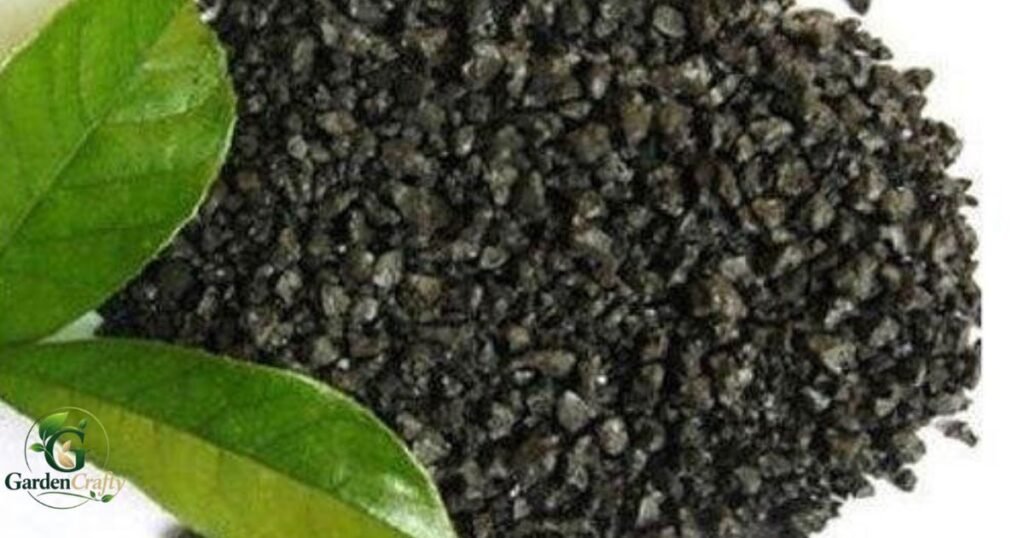
This natural powerhouse increases the soil’s cation exchange capacity, allowing it to hold onto essential nutrients like potassium, calcium, and magnesium, making them more accessible to plant roots.
Adding Acid To Soil: Is That What Humic Acid Does?
Humic acid plays a pivotal role in enhancing soil health, but it doesn’t merely add acidity. Instead, it transforms the soil’s chemical and physical properties, promoting a more balanced environment for plant growth.
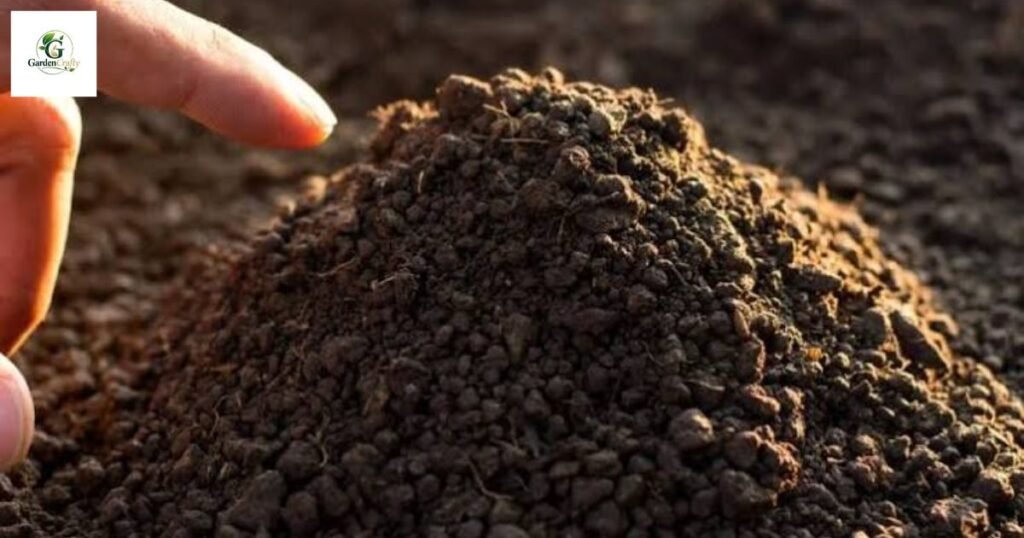
When humic acid decomposes, it releases essential nutrients and enhances the soil’s cation exchange capacity, allowing it to hold onto vital minerals more efficiently. This process encourages beneficial microbial activity, creating a vibrant ecosystem that further supports plant health.
How Humic Acid Supercharges Your Soil?
Humic acid acts as a transformative agent in soil, addressing the detrimental effects of poor soil, a common culprit behind weak roots, poor water utilization, and low nutrient efficiency. By enhancing soil structure, humic acid promotes better aeration and drainage, paving the way for robust root systems.
This revitalization enables plants to penetrate deeper into the soil, accessing hidden moisture and nutrients that would otherwise remain out of reach.
Humic acid acts as a natural powerhouse for soil, particularly when it comes to loosening compacted areas. By breaking down stubborn soil clumps, it enhances the soil’s structure, making it easier for roots to penetrate and expand.
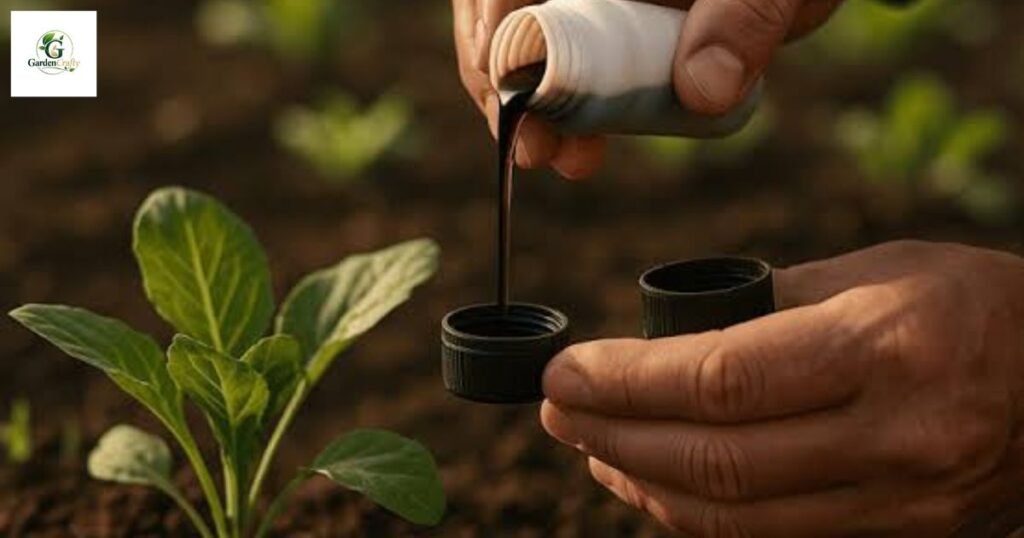
This not only improves airflow around roots, fostering a healthier growing environment, but also promotes the activity of beneficial microorganisms that contribute to a thriving ecosystem.
Humic acid is remarkable for its ability to hold moisture longer, creating a reservoir for plant roots. This is especially crucial in drought-prone areas, where water retention can mean the difference between a flourishing garden and a parched one.
Humic acid reduces nutrient loss through leaching, ensuring that essential minerals stay within reach of plants rather than washing away with rain.
Science & Evidence Behind Humic Acid
Recent humic acid research has unveiled its multifaceted role in environmental and agricultural sustainability. Once dismissed as mere soil organic matter, humic acid is now recognized for its potential to enhance nutrient availability and improve soil structure.
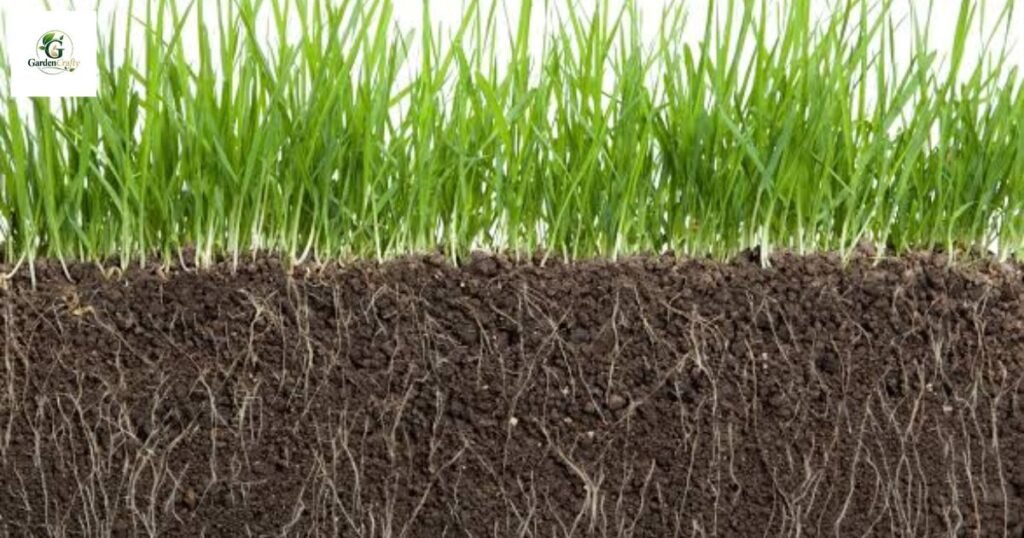
This organic compound forms a complex network of interactions with minerals, promoting microbial activity and fostering a healthier ecosystem. Studies suggest that humic acid can chelate essential nutrients, making them more accessible to plants, thereby increasing crop yields without the need for synthetic fertilizers.
Key Benefits At A Glance
- Improves soil structure
- Helps roots absorb nutrients
- Supports deeper root growth
- Improves water retention
- Boosts soil microbial activity
Benefits Of Humic Acid For Lawns
Using humic acid for lawns supports long-term lawn improvement.
Better Nutrient Uptake
Humic acid plays a pivotal role in enhancing nutrient availability within the soil, acting as a natural chelator that binds essential nutrients.
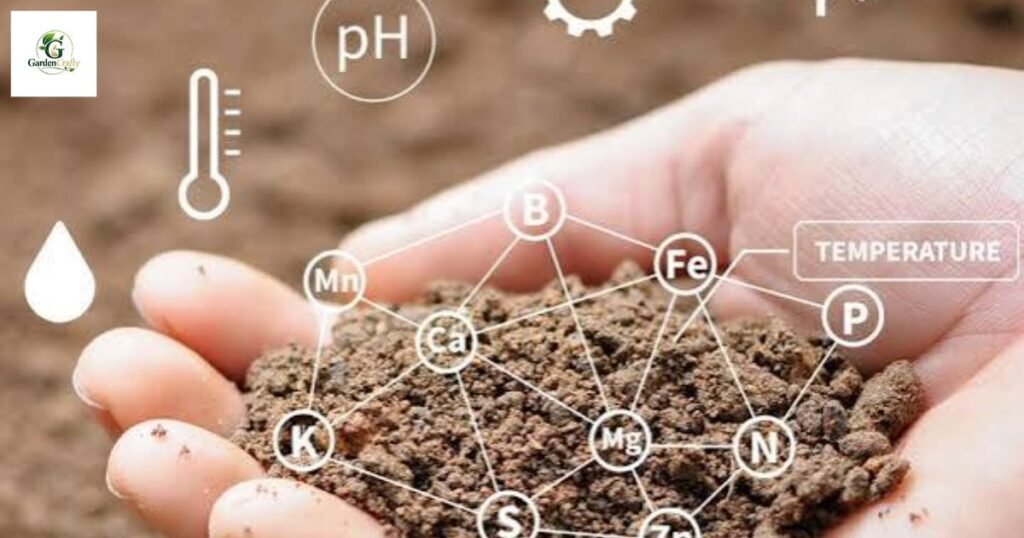
This binding process not only prevents these nutrients from leaching away but also facilitates their gradual release, ensuring plants can access them when needed. By improving soil structure, humic acid promotes aeration and water retention, creating an ideal environment for root growth and microbial activity.
Improved Water Retention
Humic acid for soil structure plays a pivotal role in this process. By binding to soil particles, humic acid creates a network of aggregates that allows for better aeration and reduced runoff, effectively capturing moisture. This means that even during dry spells, your plants can access water more efficiently, reducing the need for frequent irrigation.

Stronger Root Growth
The biodiversity within healthy soil contributes to stronger root growth through symbiotic relationships. Mycorrhizal fungi, for example, form partnerships with plant roots, extending their reach further into the soil and facilitating more efficient nutrient uptake.

This network not only reinforces the physical stability of the plant but also enhances its resilience to environmental stressors, such as drought or disease.
Healthier Soil Life
At the heart of this thriving environment lies humic acid, a powerful organic compound that enhances soil structure and nutrient availability. By promoting the growth of beneficial soil microbes, humic acid transforms barren soils into hubs of biological activity, allowing plants to access essential nutrients more effectively.

This interaction not only supports plant health but also boosts resilience against pests and diseases.
How Humic Acid Helps With Heat, Drought, And Disease?
Humic acid emerges as a powerful ally in managing heat and drought stress, transforming how plants adapt to challenging climates. By enhancing soil structure, humic acid improves water retention, allowing roots to access moisture even during dry spells.

This not only alleviates drought stress but also promotes robust root recovery, ensuring that plants remain resilient in the face of adversity. As a bonus, healthier root systems facilitate better nutrient uptake, which is crucial during periods of extreme heat.
Can Humic Acid Stabilize Soil PH?
Humic acid plays a pivotal role in stabilizing soil pH, acting as a natural buffer in how soils interact with various nutrients and environmental factors. By enhancing the soil’s organic matter content, humic acid can mitigate drastic pH fluctuations often seen in agricultural lands, especially those subjected to consistent fertilizer applications or erosion.

Why Should You Test Your Soil First?
- By analyzing nutrient levels, you gain valuable insights into what your plants truly need. For instance, deficiencies in key nutrients can lead to stunted growth or poor yields, while excesses can be just as detrimental, causing toxic imbalances.
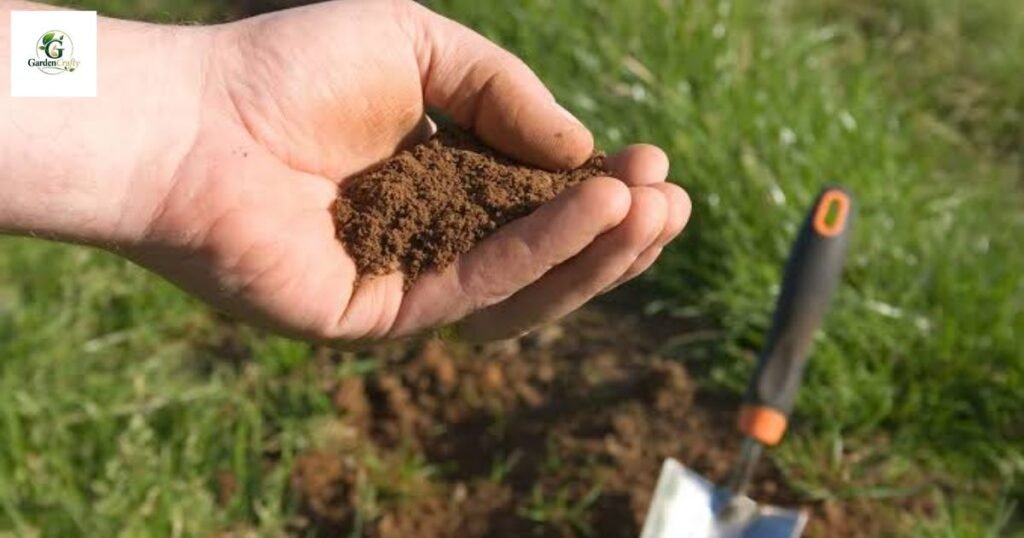
- The pH range of your soil is equally crucial; it affects nutrient availability and microbial activity, ensuring that essential elements are accessible to your plants.
- Organic matter acts as a sponge, holding moisture during dry spells and contributing to a thriving ecosystem of beneficial microorganisms.
Is Fulvic Acid The Same As Humic Acid?
The debate of humic acid vs fulvic acid extends into their applications. For instance, fulvic acid is celebrated not just for soil enhancement but also for its potential health benefits, such as improving gut health when taken as a supplement.
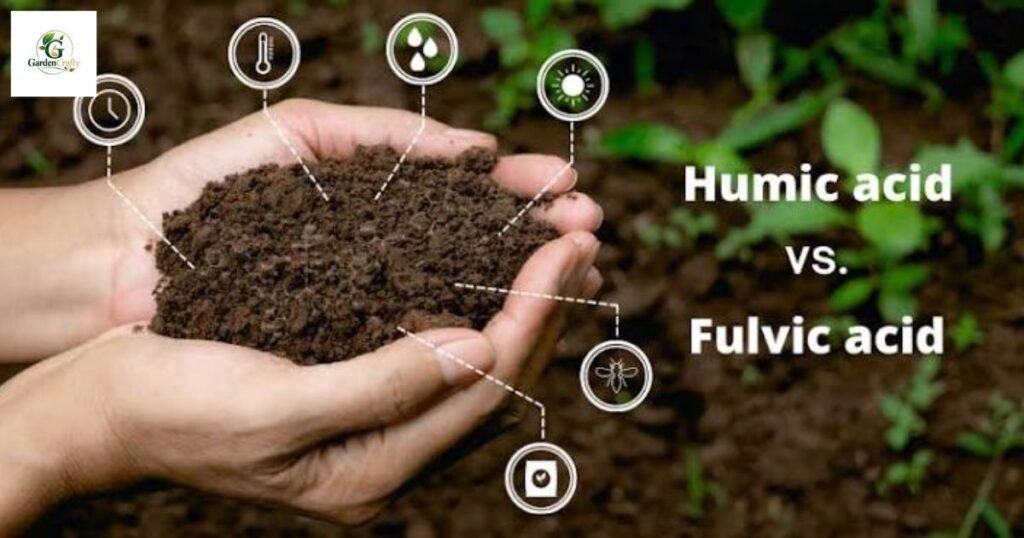
In agriculture, this means that while humic acid might help build a strong soil foundation, fulvic acid can directly influence plant physiology.
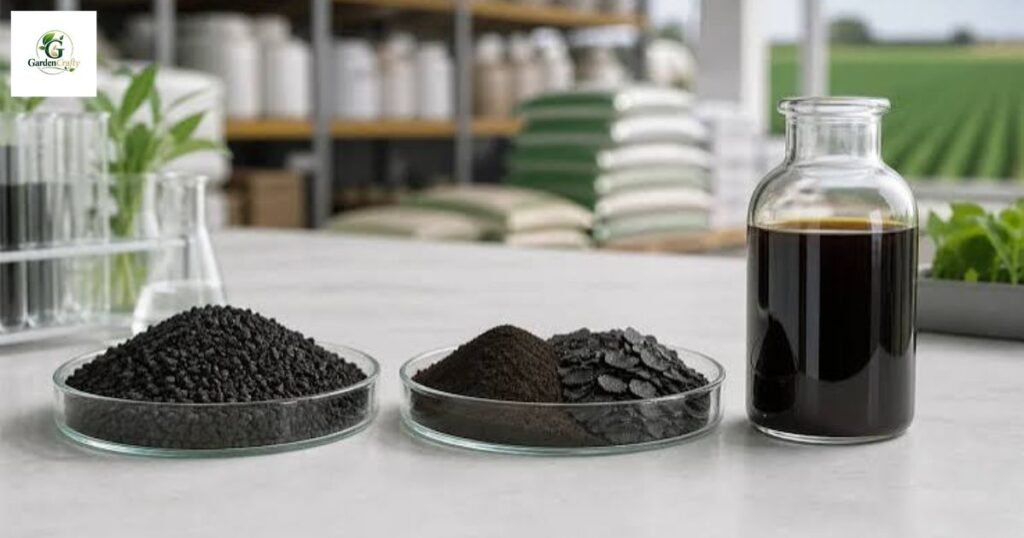
Liquid Or Granular Humic Acid?
| Feature | Liquid Humic Acid | Granular Humic Acid |
| Application | Sprayed with a hose or sprayer | Spread with a fertilizer spreader |
| Soil Contact | Quickly distributed with water | Breaks down gradually with moisture |
| Release Pattern | Often faster initial availability | Often more gradual |
| Application Area | Easy for lawns and smaller areas | Convenient for lawns and larger areas |
| Best Use | Quick and even soil application | Long-term soil amendment |
| Application Frequency | Depends on product label | Depends on product label |
How To Apply Humic Acid To Your Lawn?
Applying humic acid to your lawn is a transformative process that enhances soil health and promotes robust growth. Start by selecting a high-quality humic acid product, available in liquid or granular form, tailored for turf use.

For liquid applications, dilute the humic acid according to the manufacturer’s instructions and use a sprayer for even distribution. For granular humic acid, consider using a broadcast spreader for precise application. Water your lawn thoroughly after spreading to activate the humic acid, encouraging it to integrate with the soil more effectively.
Practical Application Rate Examples
The humic acid application rate is crucial for maximizing its benefits. For instance, when treating lawns and gardens, an application rate of about 2 to 5 gallons per acre is often recommended. This not only enhances nutrient uptake but also improves soil structure, making it easier for roots to penetrate.
Factors such as soil type and crop needs can influence the optimal rate, showcasing the importance of a personalized approach.
How Much And How Often To Apply?
Humic acid application frequency, timing is everything. For optimal results, consider applying humic acid during key growth phases of your plants, such as during initial planting and when they’re actively growing.
This approach allows for maximum nutrient uptake, enhancing soil health and plant vitality. However, it’s important not to overdo it; a good rule of thumb is to apply every 4 to 6 weeks to maintain a balanced soil ecosystem without overwhelming it.
How Fast Can You See Results?
When exploring humic acid results, many growers are eager to witness the transformation in their plants. One of the most immediate benefits is enhanced root growth. Humic acid improves soil structure, allowing roots to penetrate deeper and access more nutrients.
The stress tolerance of plants significantly improves with the application of humic acid. During periods of drought or extreme temperatures, plants fortified by humic acid show remarkable resilience, maintaining their vitality while others may struggle.
Why Patience Pays Off?
- The long-term benefits of integrating humic acid into your lawn care routine reveal themselves over time. Initially, you may not see dramatic changes, but with consistent application, the soil structure improves, water retention increases, and resistance to disease strengthens.
- In the world of gardening and agriculture, patience emerges as a critical virtue, especially when leveraging powerful tools like humic acid. By taking the time to allow humic acid to work its magic, you’re not just enhancing soil health; you’re cultivating an environment where plants can thrive.
- By allowing nature to take its course, you foster a rich, complex interaction among soil, water, and plants, leading to lasting lawn improvement that shortsighted approaches simply can’t match. In the end, the wait transforms your garden into a thriving testament to the art of patience in nurturing life.
Humic Acid And Different Lawn Types
For cool-season grasses, such as Kentucky bluegrass and fescue, applying humic acid in early spring just as growth begins is particularly beneficial. This timing enhances root development and nutrient uptake, ensuring your lawn is robust enough to withstand the summer heat.

These grasses thrive on the microbial activity that humic acid encourages, making it a secret weapon in achieving that lush, green carpet.
| Lawn Type | Best Application Timing | Key Note |
| Cool-season lawns | Spring and fall | Apply during active growth |
| Warm-season lawns | Late spring and summer | Apply during active growth |
| Dormant lawns | Avoid application | Wait until grass resumes active growth |
| Newly established lawns | During active growth | Follow the product label carefully |
Humic Acid And Compacted Soil
Humic acid for compacted soil acts as a transformative agent, breathing life into otherwise lifeless earth. When soil becomes compacted, it loses crucial aeration and drainage, leading to stunted plant growth and poor nutrient absorption.
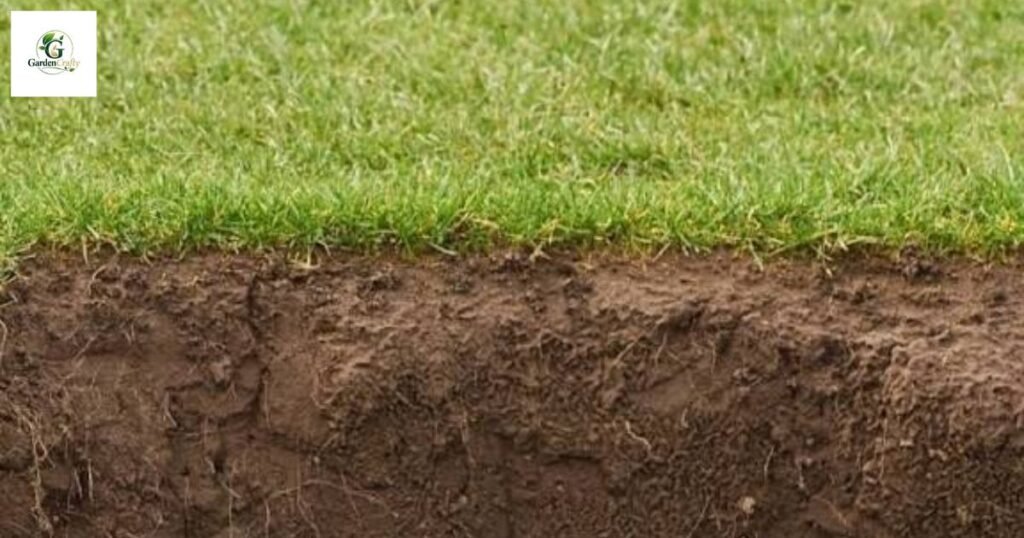
By incorporating humic acid, you not only improve soil structure but also enhance its ability to retain moisture and nutrients, creating a thriving ecosystem for roots. This natural compound works to break down dense particles, promoting a looser, more workable texture that encourages earthworms and beneficial microorganisms to flourish.
Using Humic Acid With Fertilizer
Humic acid with fertilizer can transform the way plants absorb nutrients, enhancing both their growth and resilience. Humic acid acts as a natural chelator, binding essential nutrients in the soil and improving their availability to plants. This synergistic effect leads to a more efficient use of fertilizers, potentially reducing the amount needed and minimizing environmental impact.
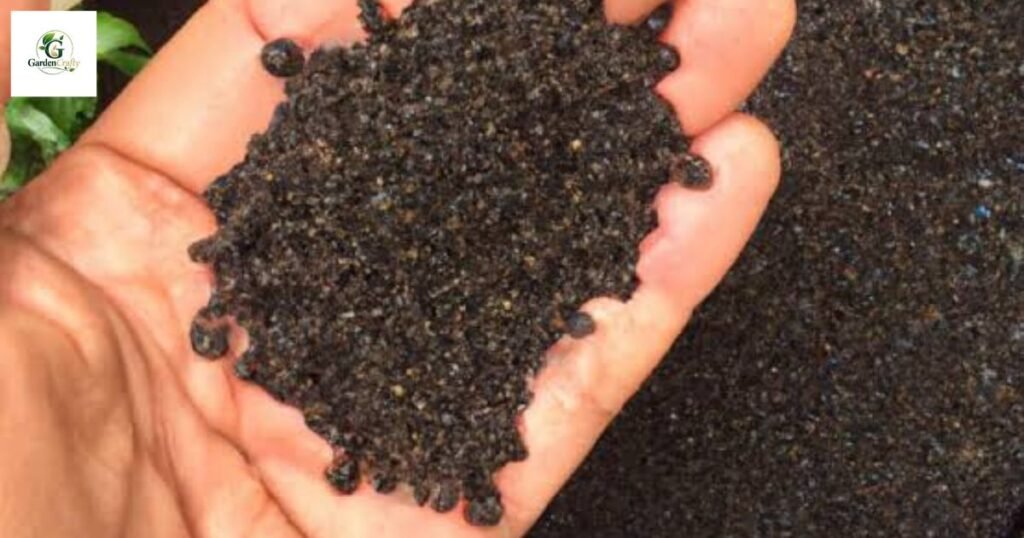
By breaking down organic matter, humic acid fosters a healthier soil ecosystem, promoting beneficial microbial activity that further aids nutrient uptake.
Cost Expectations For Homeowners
The cost of humic acid, a natural organic compound derived from decomposed plant and animal matter, can be a game-changer for garden and lawn enthusiasts. Typically priced between $20 to $50 per gallon, this investment enhances soil structure, increases nutrient availability, and promotes healthier plant growth.
While the initial outlay may seem significant, the long-term benefits including reduced need for chemical fertilizers and improved plant resilience can offset these costs in the grand scheme of maintaining a vibrant landscape.
When Humic Acid Makes Sense?
- Humic acid for lawns can be a game-changer, particularly when wanting to enhance soil health without resorting to synthetic fertilizers.
- When soil testing reveals deficiencies in nutrients or poor microbial activity, humic acid offers a natural solution that not only improves nutrient availability but also promotes the growth of beneficial soil organisms.
Can You Reduce Nitrogen If Using Humic Acid?
- When humic acid is paired with nitrogen-rich fertilizers, its natural chelating properties can stabilize and release nutrients gradually, reducing the risk of leaching and runoff. This synergy not only preserves the nitrogen within the soil but also promotes healthy microbial activity, further enhancing nitrogen availability.

- Humic acid into your soil management strategy can significantly enhance nitrogen efficiency, allowing for more sustainable use of fertilizers.
Estimated Cost Per 1,000 Square Feet
- Liquid humic acid typically costs more upfront due to its concentrated formulation, but its ease of application can significantly lower labor costs and time spent.
- Granular humic acid might appear more economical at first glance, yet it often requires additional water and longer activation periods to achieve the same benefits, leading to potential hidden costs.
Common Mistakes To Avoid
Avoid these errors:
- using humic acid instead of fertilizer
- skipping soil testing
- expecting fast color change
- applying too often
Correct use brings better results.
Products That Contain Humic Acid
- Primarily found in soil conditioners and organic fertilizers, humic acid enhances soil structure, nutrient retention, and microbial activity. This organic compound improves the soil’s capacity to hold moisture and essential nutrients, promoting healthier plant growth while reducing the need for synthetic inputs.
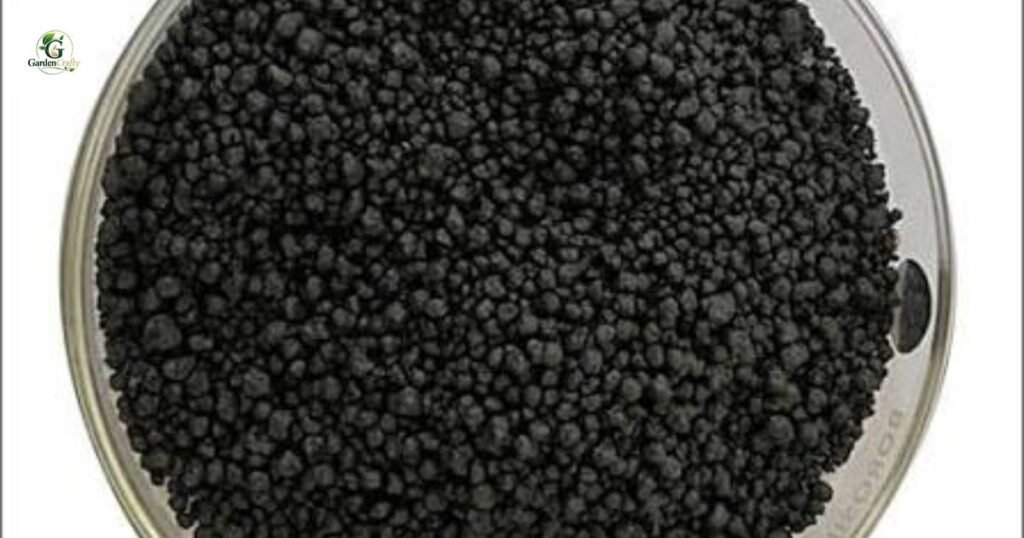
- Liquid biostimulants containing humic acid are revolutionizing how growers approach plant care. These concentrated formulations not only boost nutrient uptake but also stimulate root development and resilience against environmental stresses.
The Organic Advantage
Humic acid is gaining traction in the realm of organic lawn care, and for good reason. Products infused with this powerful compound enhance soil structure, improve nutrient availability, and boost microbial activity. The form of granules, liquid concentrates, or bio-stimulants, these formulations can transform your ordinary lawn into a lush, vibrant haven.

Is Humic Acid Right For Your Lawn?
Humic acid may help if:
- Fertilizer results fade quickly
- Soil feels hard or compacted
- Water runs off instead of soaking in
- Grass struggles during heat or drought
Humic acid may not be needed if:
- Soil is loose and rich in organic matter
- Grass already responds well to fertilizer

Related Guides to Maximize Soil Health
Since the article notes that water running off instead of soaking in is a sign humic acid may help, our guide to Lawn Drainage Solutions covers other underlying causes of poor water absorption you may want to rule out first.
And since compacted soil is specifically mentioned as a condition humic acid can improve, our complete guide to lawn aeration explains how physically opening up the soil can work alongside humic acid for faster results.
If Kentucky bluegrass is part of your cool-season lawn, our guide on what Kentucky bluegrass looks like can help you confirm your grass type before timing your spring humic acid application.
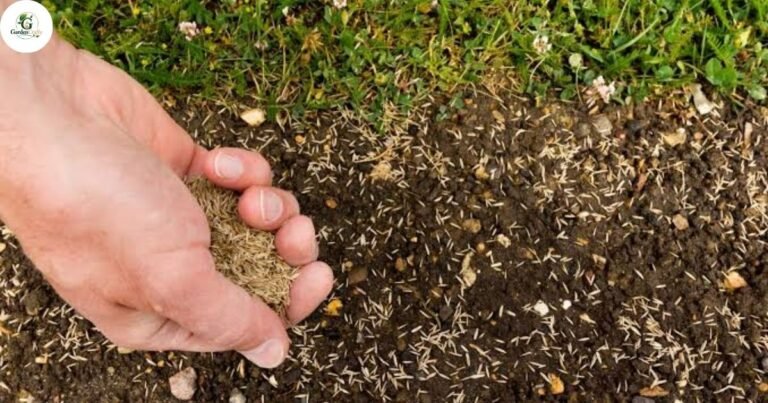
Pairing humic acid with new seed often gives the best results, so our guide on the Benefits of Overseeding covers how to combine the two for a thicker lawn.
If your lawn leans warm-season instead, our dedicated guide to Zoysia Grass covers its specific soil and feeding needs.
And to confirm which seasonal timing applies to your region before applying, our guide to Grass Zones in the U.S. breaks down cool-season versus warm-season zones across the U.S.
Conclusion
The benefits of Humic acid for lawns are undeniable, offering a natural solution to common turf issues while promoting overall plant vitality. By improving soil health and optimizing nutrient absorption, humic acid can be a game-changer for your lawn care strategy.
Implementing the recommended best practices ensures that you maximize its advantages, leading to lush, green, and thriving grass. Whether you’re dealing with compacted soil or simply aiming for superior turf quality, humic acid can help you achieve your lawn goals.
FAQs
When should I apply Humic Acid to my Lawn?
Applying humic acid to your lawn is best done during the growing season, typically in the spring or early fall. This is when grass is actively growing and can benefit most from the enhanced nutrient uptake and improved soil structure that humic acid provides.
Which is better, NPK or Humic Acid?
NPK (nitrogen, phosphorus, potassium) or humic acid is better, it really depends on your lawn’s needs. NPK fertilizers are critical for providing the essential nutrients that promote growth and fertility.
Can I apply too much Humic Acid to my Lawn?
Applying too much humic acid to your lawn can lead to issues such as nutrient imbalances and excessive organic buildup. While humic acid is beneficial for enhancing soil structure, nutrient uptake, and microbial activity, over-application may negatively affect plant health and growth.
Can I apply Humic Acid and Fertilizer at the same time?
Apply humic acid and fertilizer at the same time, as they can complement each other in promoting healthy lawn growth. Humic acid helps to improve nutrient absorption, making fertilizers more effective.
How long does Humic Acid stay in Soil?
Humic acid can persist in the soil for varying lengths of time, depending on several factors such as soil type, microbial activity, climate, and the initial concentration of humic acid.
Where can I buy Humic Acid for my Lawn?
Humic acid is available at garden centers, nurseries, agricultural supply stores, and lawn care shops. It is also sold on online marketplaces and on manufacturers’ own websites. Always check the product label to make sure it is suitable for lawn or turf use.
How do I apply Humic Acid to my Lawn?
Humic acid can be applied as a liquid spray, a granular spread, or a soluble powder mixed with water. Follow the product label for the correct dilution or spreading rate. Apply evenly across the lawn, then water it in lightly so the product reaches the soil.