Overseeding Fescue in Fall: A Step-by-Step Guide for Thicker Grass
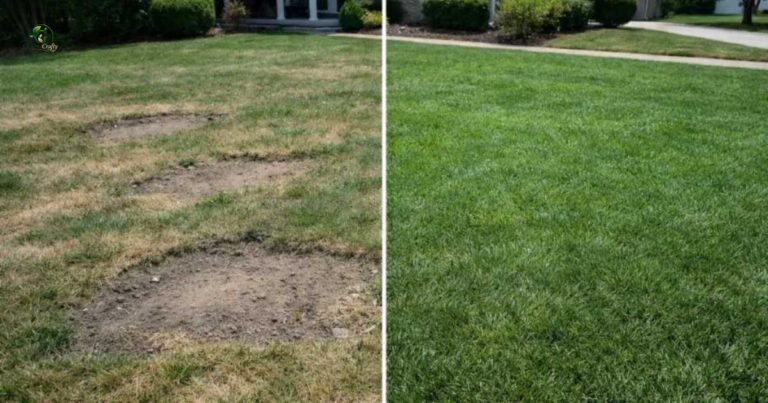
It will guide you through the crucial process of Overseeding Fescue in the Fall ensuring your lawn thrives even after summer stress. Understanding how summer heat damages fescue lawns and why fall is the best time to overseed can make all the difference in achieving a lush, thick lawn.
The impact of soaring temperatures can leave your grass thin and struggling. explore effective strategies for fall Overseeding Fescue in fall that will revitalize your lawn and combat the damage caused by summer heat.
Why Overseed Fescue in Fall?
Overseeding fescue in the fall is a strategic choice that brings numerous benefits, especially after a summer laden with heat stress.
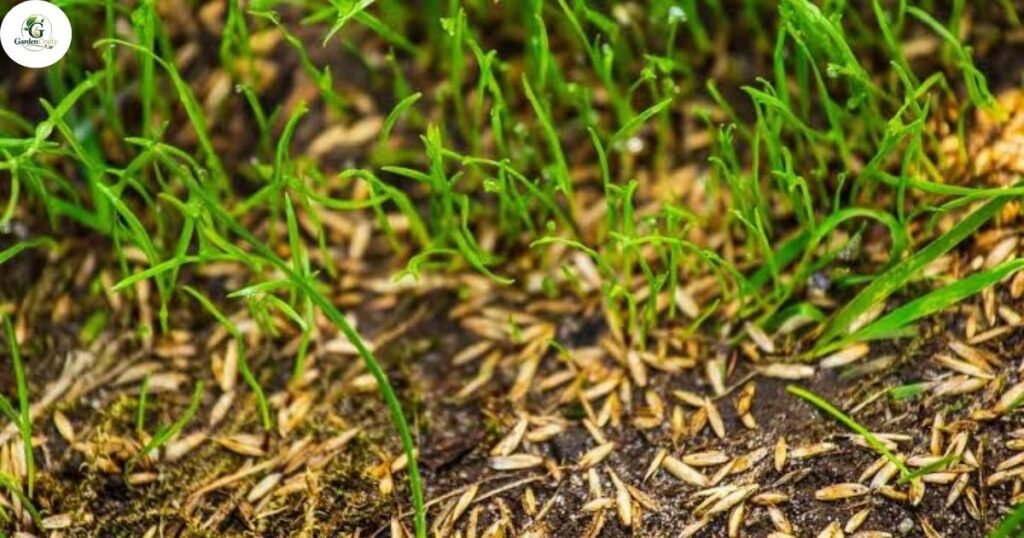
How Summer Stress Weakens Fescue Lawns: As summer heat can weaken fescue lawns, overseeding in the cooler months becomes a remedy for the damage inflicted during peak temperatures. This season allows new seedlings to establish roots before the harsh winter settles in, enhancing the lawn’s vigor and resilience for the next growing season.
Fall vs. Spring Overseeding for Weed Competition: Fall offers ideal conditions for growth, such as cooler temperatures and increased moisture from autumn rains, which significantly reduce competition from aggressive weeds compared to spring overseeding.
In the spring, weed seeds are already laying in wait for the warming soil, making it challenging for delicate fescue seedlings to thrive. By choosing to overseed in fall, you not only address the gaps created during the summer but also leverage the optimal growth environment that allows fescue to flourish, setting the stage for a lush, healthy lawn come springtime.
What is Overseeding? Its Pros and Cons
Overseeding is a transformative lawn care technique that involves spreading new grass seed over an existing lawn without turning the soil.
What Is Fescue Lawn Overseeding?It specifically refers to introducing new fescue seeds into your established fescue lawn, enhancing its vibrancy and resilience. This method is especially beneficial for those struggling with thin and patchy lawns, as it provides a quick solution to boost density and color.
Benefits of Overseeding Older Fescue Grass:The benefits of overseeding older fescue grass extend beyond mere aesthetics; it rejuvenates struggling lawns, introduces disease-resistant varieties, and improves drought tolerance.
How Overseeding Keeps Your Lawn Thick and Healthy:This process helps in maintaining a lush, thick carpet of green while reducing the chances of invasive weeds taking hold. By ensuring your lawn is consistently thick and healthy, overseeding prepares it to better withstand stressors like extreme weather or foot traffic, making it a vital part of any proactive lawn care strategy.
Best Timing for Overseeding Fescue in Fall
When it comes to overseeding fescue in the fall, timing is everything.
Best Soil and Air Temperatures for Fescue Overseeding:The best soil and air temperatures for fescue overseeding hover around 50 to 65 degrees Fahrenheit. This range not only promotes optimal seed germination but also allows the roots to establish before winter sets in. Hitting this sweet spot means monitoring local weather trends closely, especially as days shorten and temperatures begin to dip.

When to Overseed Fescue in Fall: It aims to seed at least 4 to 6 weeks before the first frost. This allows your fescue to germinate and establish itself, reducing the risk of stress from impending winter conditions.
Risks of Seeding Too Early or Too Late:However, sowing too early can expose young seedlings to unpredictable temperature swings, while seeding too late may leave them vulnerable to frost damage. Striking the right balance is crucial. You want lush, thriving grass come spring, not patchy remnants of an unsuccessful sowing.
Fall Overseeding Timing by Region
Understanding how location affects fescue overseeding timing can significantly impact the success of your lawn.
| Region | Best Fall Overseeding Window | Main Risk If Delayed |
| Northern States | Late August–Mid September | Early frost and limited root growth |
| Transition Zone | Early September–Early October | Cooler soil slows germination |
| Southern Cool-Season Lawns | Mid-September–Late October | Weak root development before winter |
Best Fall Overseeding Time for Northern Areas:In Northern areas, the best fall overseeding time typically falls between late August and mid-September. This window takes advantage of cooler temperatures and increased rainfall, allowing new seeds to germinate before the frosty days settle in. Plan for consistent moisture and moderate temperatures to ensure robust establishment.
Fescue Overseeding Timing in the Transition Zone:In the Transition Zone, timing is crucial due to the variable climate. Here, fescue overseeding should ideally occur from mid-September to early October, striking a balance between warm soil temperatures for germination and avoiding the risk of early frost.
Fescue Overseeding Timing in Southern Areas:Southern areas, on the other hand, may push the overseeding window into October, where warmer winters allow for later sowing without risking frost. Each region has its own unique climate challenges, making awareness of local conditions essential for a lush, healthy lawn that thrives after overseeding.
Seed Selection for Overseeding
When it comes to overseeding with tall fescue, selecting the right seed can drastically affect the outcome of your lawn.
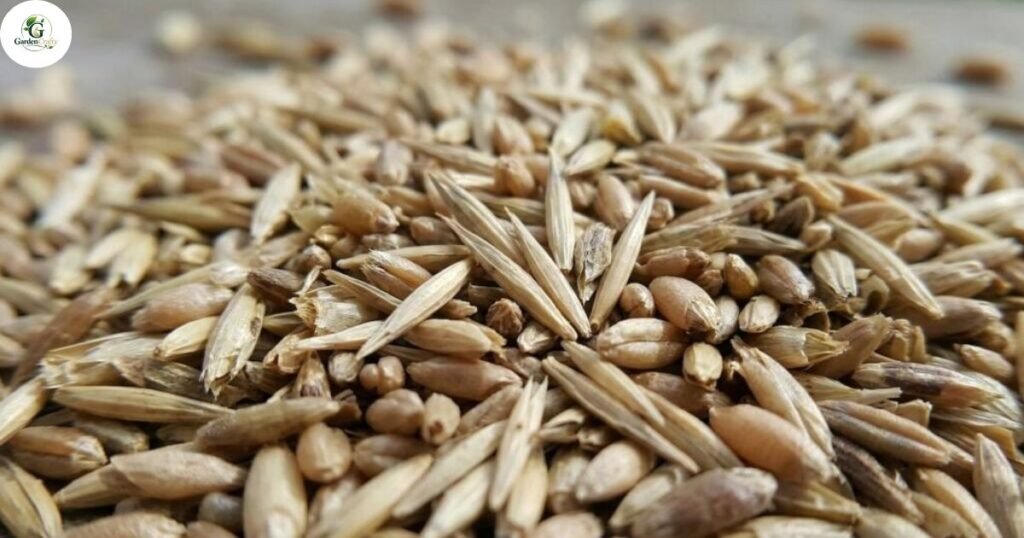
Tall Fescue Seed Quality and Germination Rate:Focus on the quality of fescue seed, particularly its germination rate; higher germination rates lead to quicker establishment and a denser turf, ensuring your lawn thrives. Look for suppliers who provide certified seed, as this guarantees purity and vigour, which can significantly enhance the performance of your grassy oasis.
Why Low Weed Seed Content Matters: Another critical factor is the low weed seed content. Seeds tainted with weeds can introduce competition and diminish the overall health of your fescue. Aim for a seed blend with minimal weed seeds to encourage strong, healthy growth.
Ideal Soil pH for Healthy Fescue Growth:Understanding the ideal soil pH for healthy fescue growth typically between 6.0 and 7.0 can make a significant difference in nutrient uptake and overall plant vitality.
Testing your soil before overseeding allows you to amend conditions for optimal performance, setting the stage for a lush, green landscape that’s the envy of your neighbourhood.
Make a Plan Before You Overseed
Before diving into overseeding, it’s essential to create a solid plan that sets you up for success.
Fescue Overseeding Preparation Checklist:Start with a Fescue overseeding preparation checklist that includes measuring your lawn’s square footage. This crucial step ensures you purchase the right amount of seed without wasting money or effort. Remember, not all grass seed is created equal; selecting high-quality fescue tailored to your local climate can lead to a thriving lawn.
Check Weather and Prepare Watering:Next, pay attention to the weather forecast. This is your ally in the overseeding process. Ideal conditions for germination can dramatically influence your results, so plan your seeding for when rain is expected or prepare a watering schedule to keep the soil moist.
Lastly, maximize the short fall overseeding window by getting ahead of seasonal changes. Fall is a prime time for fescue, as the cool temperatures and shorter days create a nurturing environment for young grass to establish. With these strategies in place, you’ll transform your lawn into a lush oasis.
Prep the Lawn Before Seeding
To achieve a lush, vibrant lawn, preparing the lawn before overseeding is crucial.
Remove Dead Grass & Lawn Debris: Begin by thoroughly removing dead grass and lawn debris. This not only creates a clean slate but also helps prevent pests and diseases that could undermine your new seeds. Transitioning to a healthy lawn requires ensuring good seed-to-soil contact; the seeds need direct contact with the soil for germination and growth.
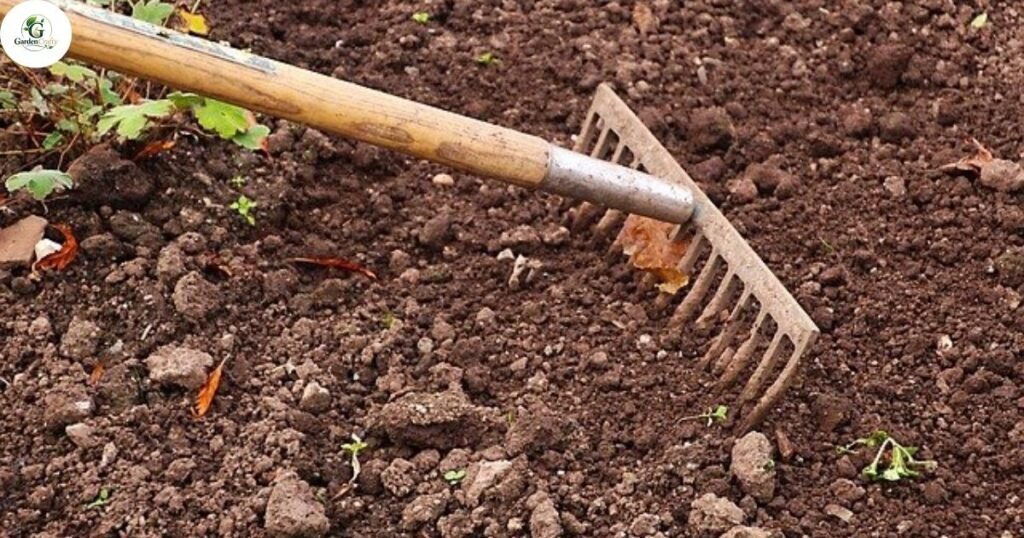
Aerate Hard Soil for Better Growth:Another vital step is aerating hard soil, which promotes better growth by allowing air, water, and nutrients to penetrate deeper. Aeration breaks up compacted soil and facilitates improved seed-to-soil contact, significantly boosting your chances of a successful overseed.
When the lawn is well-prepped and the seeds have a fighting chance to establish themselves, you’re on the path to a healthier, greener turf that thrives all season long. Remember, the effort you invest now will pay off in vibrant, resilient grass that stands the test of time.
Temperature Check Before Seeding
Checking soil temperature before seeding is a crucial step that many gardeners overlook.
Use a Soil Thermometer:Using a soil thermometer allows you to measure the temperature at a depth of 2–3 inches, providing a more accurate understanding of the conditions your seeds will face.
Different crops have specific temperature ranges for optimal germination; for instance, cool-season crops thrive in slightly lower temperatures, while warm-season varieties require warmth to take root and flourish. Ignoring this can lead to poor germination rates and stunted growth.
Avoid Soil That Is Too Hot or Cold:Avoiding soil that is too hot or cold is essential for successful planting. Soil that’s overly cold can inhibit seed growth, leading to slow or erratic germination, while excessively warm soil can risk damaging the seed or creating a hostile environment for emerging roots.
The right soil temperature creates the foundation for healthy seedlings and bountiful harvests. By taking just a few moments to check soil temperature, you’re not only setting your seeds up for success but also maximizing the potential of your garden.
Seeding Rate for Overseeding Fescue
When it comes to overseeding fescue, the right overseeding rate is crucial for establishing a lush, resilient lawn.
Spread Seed Evenly: A general recommendation is to spread seed at a rate of 5 to 10 pounds per 1,000 square feet, but this can vary based on your specific conditions and desired outcomes. Using the right overseeding rate not only enhances competition with weeds but also promotes a healthy, dense turf that can withstand various environmental stresses.
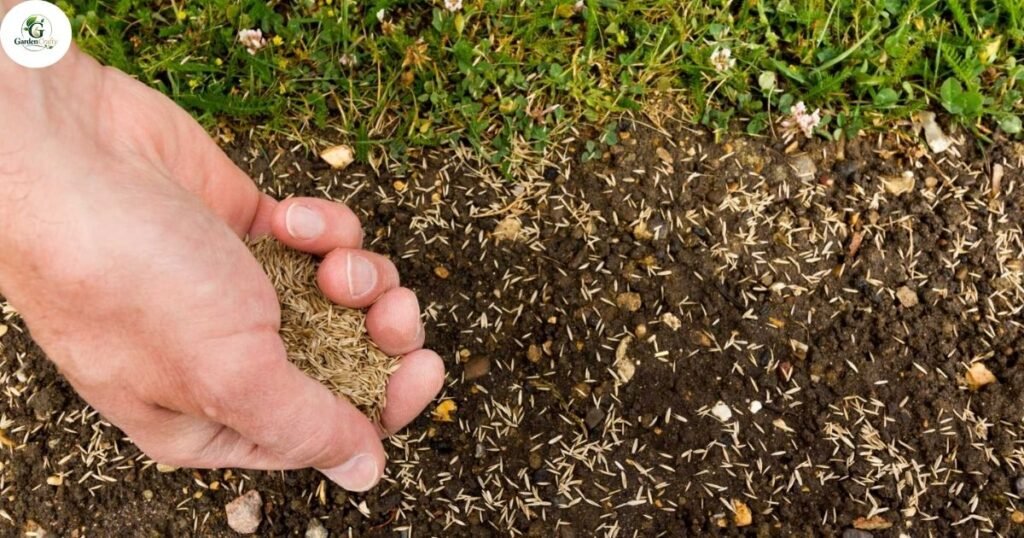
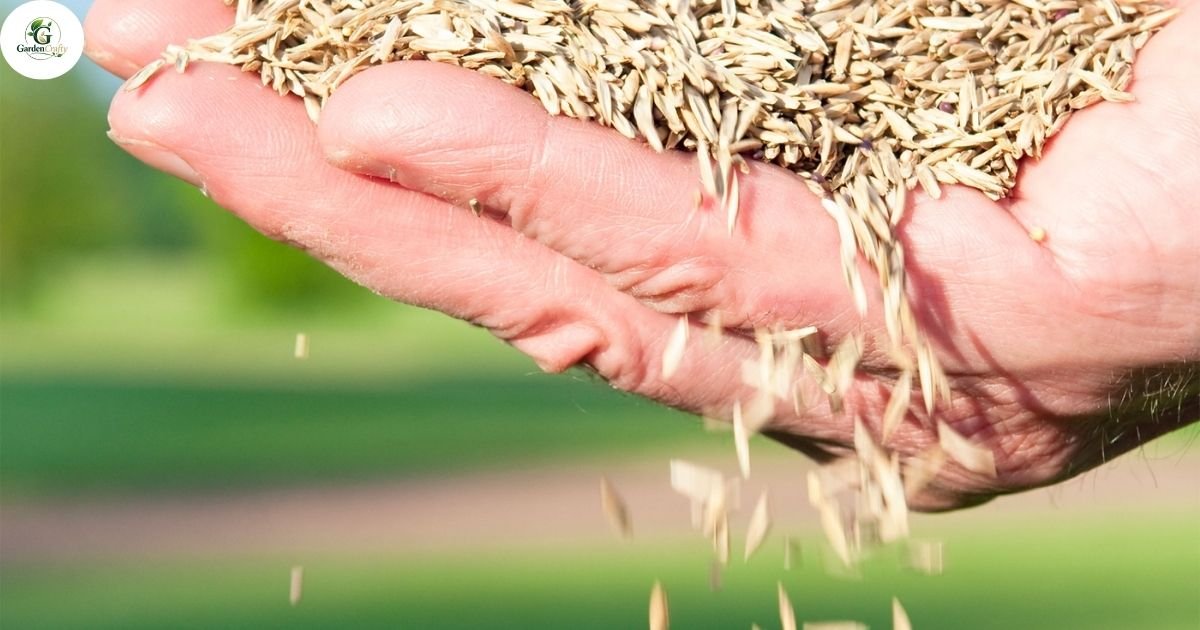
Use a broadcast spreader:Achieving an even spread is equally important; consider using a broadcast spreader to ensure that you avoid overcrowding or bare gaps in your lawn. This uniform application helps fescue seedlings establish successfully, creating a smooth, cohesive look.
Monitor Germination & Soil Conditions:As you monitor germination and soil conditions, be attentive to moisture levels and temperature, as these factors significantly influence seed viability and growth. By fine-tuning your overseeding approach, you not only optimize seedling development but also foster a thriving, vibrant lawn that will be the envy of your neighborhood.
How to Apply the Seed?
Applying the seed effectively can significantly impact your lawn’s health and appearance.
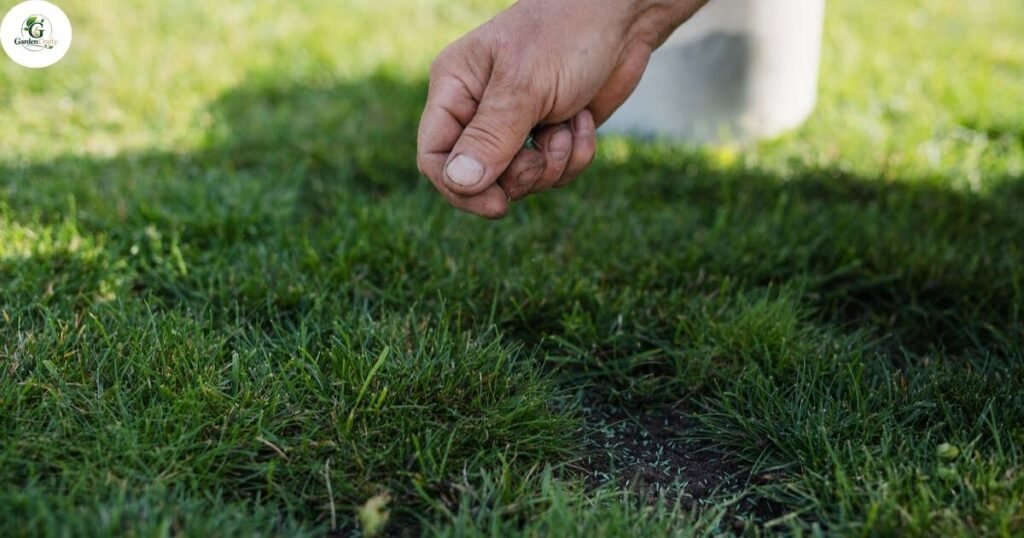
Use a Broadcast Spreader:One of the best tools for this task is a broadcast spreader, which ensures an even distribution of fescue seed across your lawn. For optimal results, consider spreading the seed in two directions. This crisscross technique helps cover every inch of soil, reducing the likelihood of bare patches and promoting uniform growth.
Rake Lightly After Seeding:After seeding, it’s crucial to rake lightly over the area. This not only helps the fescue seed make good contact with the soil but also keeps it near the surface, where it can benefit from sunlight and moisture.
The key to a vibrant lawn lies in the thoughtful application of seeds combined with care after sowing; taking these steps enhances germination rates and leads to a lush, thriving landscape that you’ll be proud to showcase.
Starter Fertilizer After Overseeding Fescue
When overseeding fescue, applying a starter fertilizer is key to fostering healthy growth and establishing robust roots.
Support Strong Root Growth:By choosing a phosphorus-rich fertilizer, you can effectively support strong root development, which is crucial for the young grass to thrive. Phosphorus works wonders by encouraging root expansion, helping the fescue establish itself quickly in the newly prepared soil.
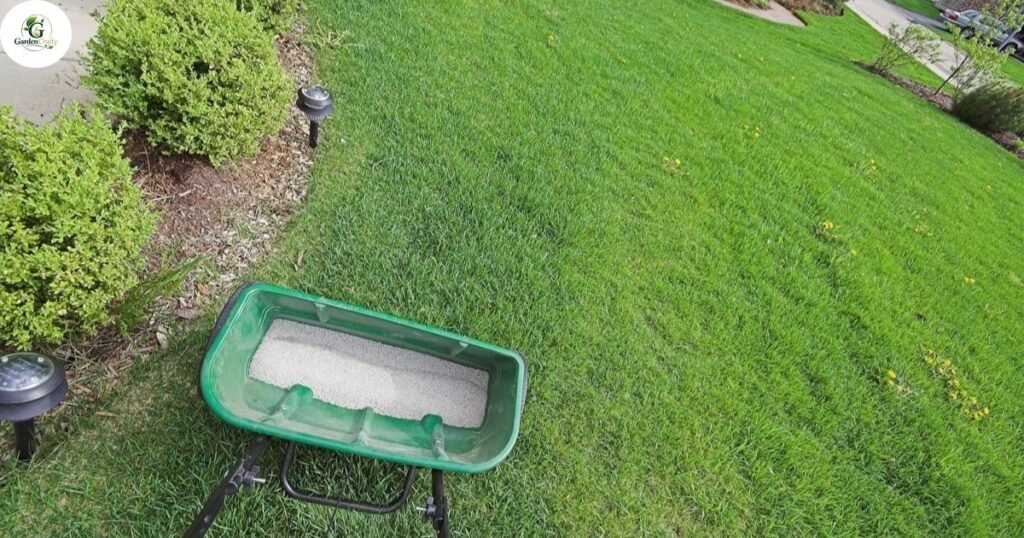
Avoid Over-Fertilizing Young Grass:Over-fertilizing can be detrimental to young grass, leading to nutrient burn or stunted growth. Instead, consider a balanced approach: apply the starter fertilizer at seeding, ensuring that the delicate seedlings receive the nutrients they need without overwhelming them.
This thoughtful strategy not only enhances your lawn’s resilience but prepares it for the challenges of varying weather conditions, ultimately yielding a lush and vibrant fescue turf.
Water Management After Overseeding
| Time Period | Watering Frequency | Goal |
| Days 1–7 | 2–3 times per day (light) | Keep soil consistently moist |
| Days 8–21 | Once per day | Support healthy new growth |
| After 3 Weeks | 2–3 times per week (deep) | Encourage strong, deep roots |
Keep Soil Damp After Seeding:After overseeding, maintaining optimal moisture levels is crucial for seed germination and healthy growth. It’s essential to keep the soil damp after seeding, as this encourages the seeds to sprout effectively.
Water Frequently During the First Week:During the first week, water frequently, ideally in short intervals, to prevent the soil from drying out. This not only fosters an ideal environment for the seeds but also helps them establish strong roots early on.
Reduce Watering After Sprouts Appear:As new grass begins to emerge, it’s time to adjust your watering regimen. You can reduce watering after sprouts appear, spacing out the sessions while still ensuring the soil retains some moisture. This balance helps the young grass develop resilience and promotes a deep root system.
Avoid Overwatering or Underwatering:Be vigilant about avoiding overwatering or underwatering; too much moisture can suffocate young roots, while too little can hinder germination. Monitoring soil moisture levels with your fingers or using a moisture meter can provide valuable insights, ensuring your overseeded lawn thrives without the risk of stress from improper watering.
Care for Young Fescue Grass
Protect New Grass From Foot Traffic:To nurture young fescue grass, it’s crucial to protect it from foot traffic during its initial growth phase. Newly established grass is especially vulnerable, and heavy foot traffic can not only hinder development but also lead to patchy areas and uneven growth. Consider marking off designated play areas or using mulch to create barriers, allowing your fescue to thrive without the disruption of daily activity.
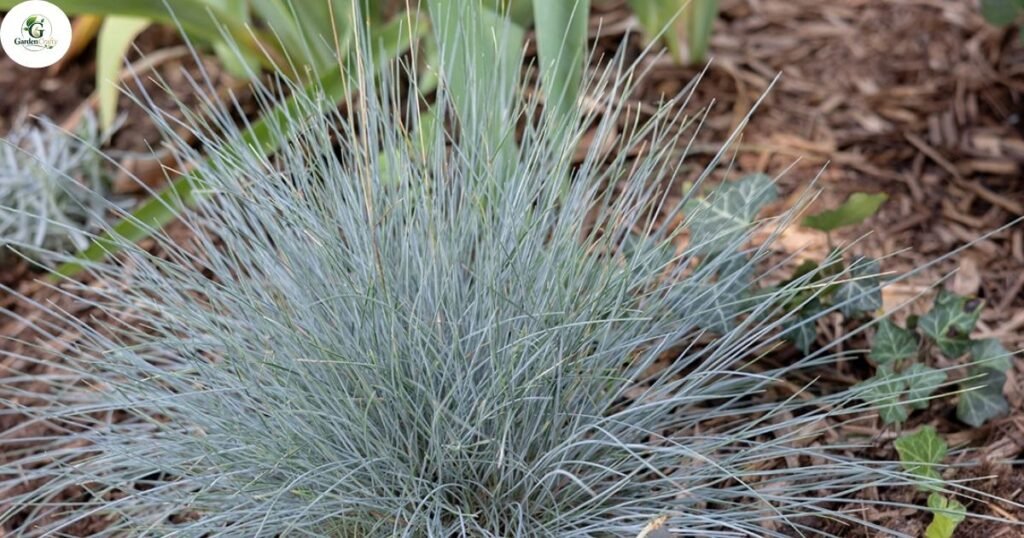
Wait Before Mowing:When it comes to mowing, timing is everything. Wait until your grass reaches about three inches in height before taking that first cut; this ensures a robust root system is in place.
Follow the One-Third Mowing Rule:Once you start mowing, adhere to the one-third mowing rule: never remove more than one-third of the grass height at a time. This approach not only helps maintain healthy growth but also encourages deeper root penetration, resulting in a lush and resilient lawn.
Mowing After Overseeding
Mowing after overseeding is a delicate balance that can significantly influence your lawn’s success.
Maintain the ideal fescue height:you should wait until the grass reaches about 3 to 4 inches before your first cut. This allows the new seedlings to establish deeper roots, developing a robust foundation without competing for essential nutrients. Mowing regularly not only keeps your lawn looking neat but also encourages thick growth, which is vital for suppressing weeds.
Avoid Scalping the Lawn:Avoid scalping the lawn during this critical phase, as removing too much grass can stress the young seedlings. When you keep your grass slightly taller, you protect the roots and create a microenvironment that retains moisture, fostering better health for the new fescue.
Embracing this mindful mowing technique ensures your lawn flourishes, transforming it into a lush, vibrant space that thrives through all seasons.
More Tips for a Healthy Lawn
How Much Grass Seed to Overseed a Lawn? depends on the lawn size, grass type, and how thin the existing turf is. Using the right amount helps new grass establish evenly without overcrowding.
Learning How to Get Rid of Clover in Your Lawn? starts with understanding why clover is growing in your turf. Proper mowing, watering, and lawn care can help create stronger grass that competes with clover.
Understanding Grass Zones in the U.S. can help you choose a grass variety that suits your local climate. Different zones have different temperature and growing conditions, so selecting the right grass is important.
What Happens If You Overseed Too Late in Fall
Overseeding too late in fall presents unique challenges that can hinder the success of your lawn’s rejuvenation efforts.
Watch for Cold Soil & Frost:As temperatures dip, grass seeds struggle to germinate in cold soil, often leading to poor establishment before frost sets in.
This not only compromises the seed’s viability but also stunts any potential growth, leaving your lawn patchy when spring arrives. Understanding late-fall overseeding risks is crucial; a late sowing can transform what should be a lush green oasis into a barren landscape.
Protect New Grass From Winter Damage: Winter runway for new grass poses its own set of dangers. The fledgling seedlings are especially vulnerable to winter damage, as they lack the strength and resilience needed to survive harsh conditions.
Protecting your new grass from the elements becomes vital; using mulch blankets or protective covers can enhance their chances but might still not offset the risks posed by late overseeding.
Choosing the right overseeding timing not only enhances germination but also sets the stage for a robust lawn come spring, allowing your efforts to truly flourish.
Common Problems and Fixes
Common fescue overseeding problems often stem from environmental factors and improper techniques.
Why Fescue Seed Fails to Germinate:One of the primary reasons why fescue seed fails to germinate is inadequate soil preparation. For optimal results, ensure the soil is aerated and free from debris, as compacted ground can significantly hinder seed-to-soil contact. Additionally, improper watering schedules can exacerbate issues; seeds need consistent moisture without being waterlogged.
Causes of Patchy and Uneven Growth:Causes of patchy and uneven growth often involve inconsistent seeding rates or varying soil conditions across your lawn. To combat this, consider using a spreader that allows for uniform seed distribution.
incorporating a light layer of mulch can help retain moisture and aid germination, creating a more even growth environment. A well-timed application of a slow-release fertilizer can also provide essential nutrients, promoting a healthy, lush lawn that thrives in the long run.
Conclusion – Overseeding Fescue in Fall
Overseeding fescue in Fall months can significantly transform your lawn into a thick and vibrant space. Adhering to the detailed steps provided in this guide will set the foundation for a healthier turf capable of enduring the challenges of winter and beyond.
The benefits of overseeding are substantial, including improved drought resistance and a more attractive appearance.
FAQs
How do I Thicken my Fescue Grass?
To thicken your fescue grass, start by ensuring proper mowing practices. Keep your mower blades sharp and set at the right height typically around 3 to 4 inches for fescue. This encourages deeper root growth and allows the grass to develop a healthier, denser appearance.
What is the Best Fertilizer to use when Overseeding in the Fall?
When overseeding in the fall, the best fertilizer to use is a slow-release, starter fertilizer specifically formulated for new grass. Look for a product with a balanced ratio of nitrogen, phosphorus, and potassium (often represented as N-P-K) such as a 10-20-10.
How Thick Should you put Grass Seed Down?
When seeding a lawn, the general recommendation is to spread grass seed at a rate of about 1 to 2 pounds per 1,000 square feet, depending on the type of grass you’re using and the area you’re covering. For new lawns, a thicker layer of about 3 to 4 pounds per 1,000 square feet.
Is it too Late to put Down Fescue Seed?
While the best time for sowing fescue seed typically falls in early spring or early fall, it may still be feasible to plant it later in the season, depending on your climate. If you’re in a milder region, you can sometimes sow fescue seed into late fall, giving it a chance to germinate before winter sets in.
How Long Until Fescue Germinates?
Fescue grass typically germinates within 7 to 12 days, depending on various factors such as soil temperature, moisture levels, and the specific type of fescue being planted. Ideal soil temperatures for germination are between 50°F and 65°F (10°C to 18°C).