7 Best Types of Grass for Landscaping: A Complete Guide
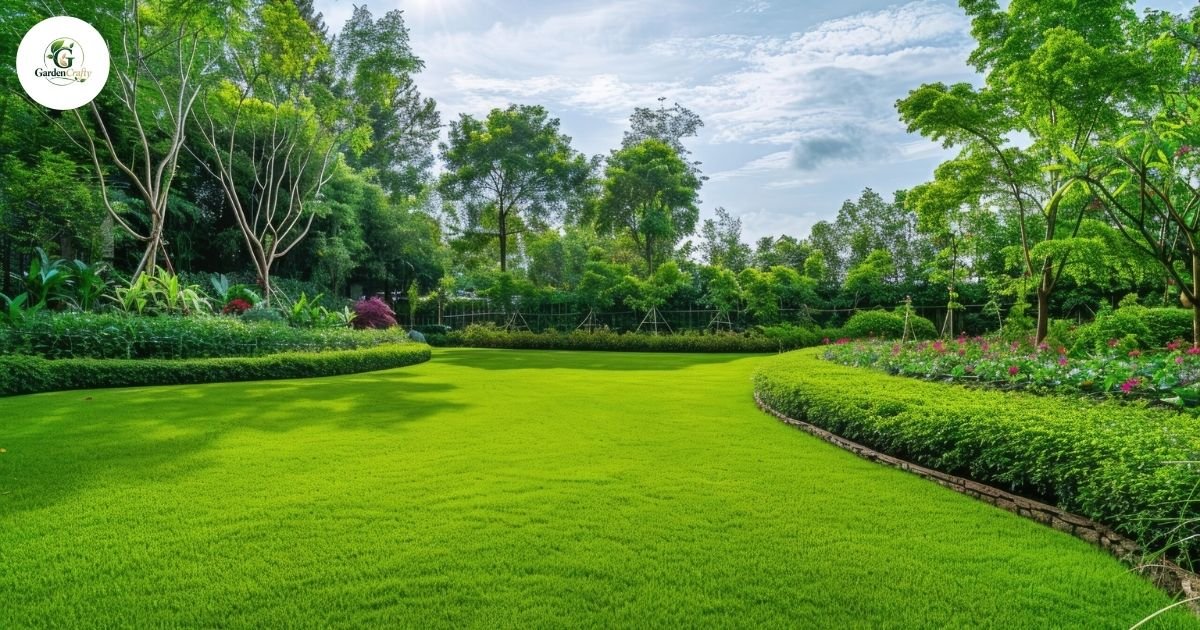
Imagine stepping onto a carpet of green that invites you to relax or entertain. The right types of grass for landscaping can give you that experience, but with countless options available, how do you choose?
This comprehensive guide delves into the seven best types of grass, tailored for various climates and lawn uses. By reading on, you’ll discover which varieties will thrive in your area and enhance your home’s curb appeal.
Quick Answer
The best grass for landscaping depends on climate and yard use. Cool-season grasses work best in northern areas, while warm-season grasses handle heat better in southern regions. Shade, traffic, and maintenance level also affect the right choice
Grass Types by US Region
When considering grass types across the U.S., it’s fascinating how regional climates dictate not just aesthetics but functional benefits. In the South, for instance, Bermuda grass thrives under the sun’s relentless embrace, boasting resilience to foot traffic and a vibrant green that beckons backyard gatherings.
Transitioning to the Midwest, the cool-season grass varieties like Kentucky bluegrass come into play, flaunting their rich texture and deep roots that withstand seasonal shifts, making them ideal for lawns that flourish with minimal fuss in the cooler months.
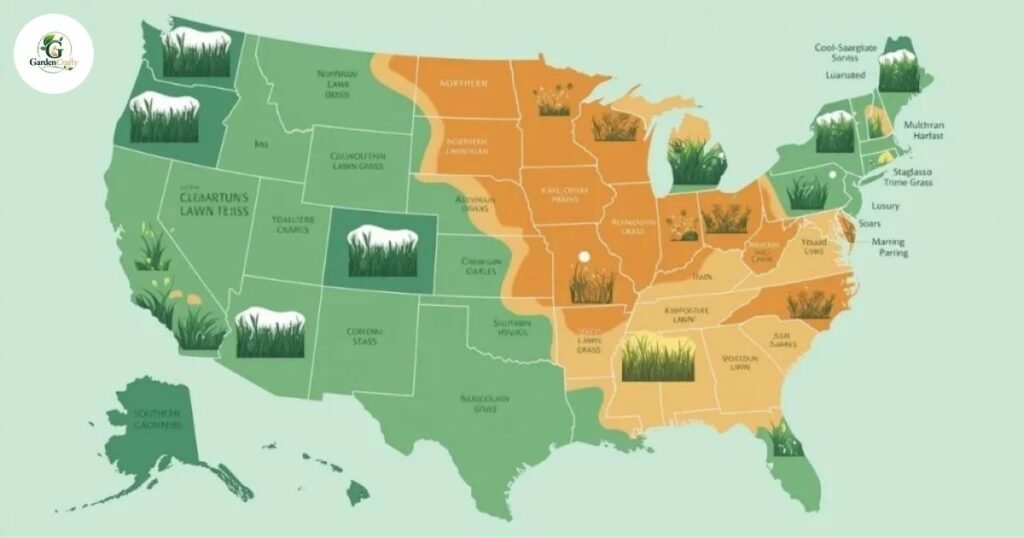
Heading further west, the arid climates of the Southwest introduce a unique array of drought-resistant grasses. Buffalograss, native to the plains, showcases stunning adaptability, requiring less water while still providing a lush, green terrain.
In the Pacific Northwest, the temperate climate allows fescue and ryegrass to dominate, offering lush landscapes that can tolerate wet weather and maintain their vigor through the rainy seasons.
Northern States
The Northern States, often characterized by their breathtaking landscapes and rich cultural heritage, serve as a testament to resilience and innovation. Here, the harsh winters are met with vibrant community spirit, fostering a unique blend of outdoor sports and indoor pursuits that enrich the quality of life.
From the stunning vistas of the Rocky Mountains in Montana to the serene lakes of Minnesota, each location offers a distinct palette of experiences, inviting both adventure seekers and tranquility lovers to explore its charms.
Southern States
The Southern States are often considered a tapestry of culture, tradition, and innovation, each thread woven with unique narratives. From the soulful rhythms of jazz in New Orleans to the savory BBQ styles of the Carolinas, the South is a celebration of its diverse heritage.
Yet, what truly sets these states apart is the resilience and communal spirit of their communities, which shine brightly through festivals and local gatherings.
In recent years, the South has emerged as a hub for creative industries and entrepreneurship. Cities like Nashville and Atlanta have transformed into music and tech powerhouses, attracting talent from across the country.
This fusion of old and new creates an exciting juxtaposition: historic plantation homes stand proudly alongside modern art galleries, illustrating the South’s ability to embrace change while honoring its rich past. As locals continue to shape a vibrant future, the Southern States remind us that the essence of progress lies in understanding and celebrating one’s roots.
Transition Zone Areas
Transition Zone Areas serve as dynamic interfaces where distinct ecosystems meet, blending characteristics of both neighboring environments. These zones often exhibit rich biodiversity, as species adapt and evolve in response to the unique conditions that arise from this blending of habitats.
For instance, the brackish waters of estuaries create a productive environment that supports both marine and terrestrial life, offering a thriving ground for various fish species, migratory birds, and plant life that utilize the dual characteristics of salinity.
Compare Grass Types
When comparing grass types, it’s essential to consider not just their aesthetic appeal but also their adaptability to climate and use. Cool-season grasses, like Kentucky bluegrass and fescue, thrive in northern regions, offering lush, dense lawns that can withstand cooler temperatures.
They may struggle during the sweltering summer months, leading to browning and dormancy. In contrast, warm-season grasses, such as Bermuda and zoysia, flourish in southern climates, with their resilience to heat and drought making them perfect for high-traffic areas.
Cool-Season Grasses
Cool-season grasses, such as Kentucky bluegrass and fescues, thrive in the temperate climates of fall and spring, showcasing lush green hues that set the stage for a vibrant landscape. One of their intriguing characteristics is the ability to grow most actively when nighttime temperatures dip, making them ideal for areas that experience hot summers but have cooler evenings.

This growth cycle not only boosts their metabolism but also enhances their resilience, allowing them to withstand the stresses of summer heat better than many warm-season counterparts.
Common Cool-Season Grass Types
Cool-season grasses thrive in regions with brisk winters and moderate summers, making them ideal for northern climates. Among the most popular is Kentucky bluegrass, celebrated for its lush, vibrant color and dense growth.
This grass variety not only creates a stunning lawn but also offers excellent self-repair capabilities due to its rhizomatic growth. However, it’s worth noting that Kentucky bluegrass may require more water and maintenance to flourish, especially in drought conditions.
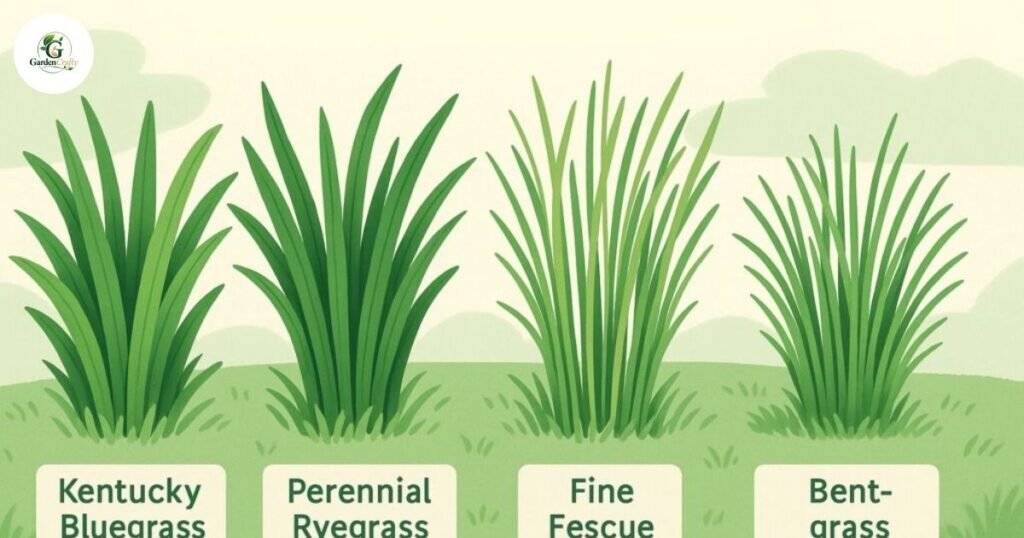
Another contender is perennial ryegrass, known for its quick germination and ability to establish rapidly. This makes it a favorite for overseeding and creating instant green coverage in spring or fall. Its fine texture and rich color enhance lawns, yet it’s crucial to know that it might struggle in extreme heat.
Tall fescue stands out for its adaptability, boasting a deep root system that allows it to endure drought and heat better than its counterparts. With a coarse texture and tolerance to varying soil types, tall fescue is a great option for transitioning zones, proving that even in a world of seasonal changes, some grasses can thrive against the odds.
Warm-Season Grasses
Warm-season grasses thrive in the heat of summer, showcasing vibrant green hues that can transform a landscape into a vivid oasis. Unlike their cool-season counterparts, these grasses are native to warmer climates, making them perfectly suited for regions where temperatures soar.
They not only endure heat but often flourish with it, entering their peak growth phase when daylight hours lengthen. This seasonality can be advantageous for homeowners looking to have a lush lawn or garden that stands out during summer gatherings.
Common Warm-Season Grass Types
Warm-season grasses thrive in the heat of summer, providing lush, vibrant lawns that are both drought-resistant and adaptable to various soil types. Among these, Bermuda grass reigns supreme, known for its fine texture and resilience.
It’s a favorite for golf courses and athletic fields, owing to its ability to recover quickly from foot traffic and drought. However, what sets Bermuda apart is its adaptability; with the right care, it can thrive in well-drained sandy soils while also handling clay-based terrains.
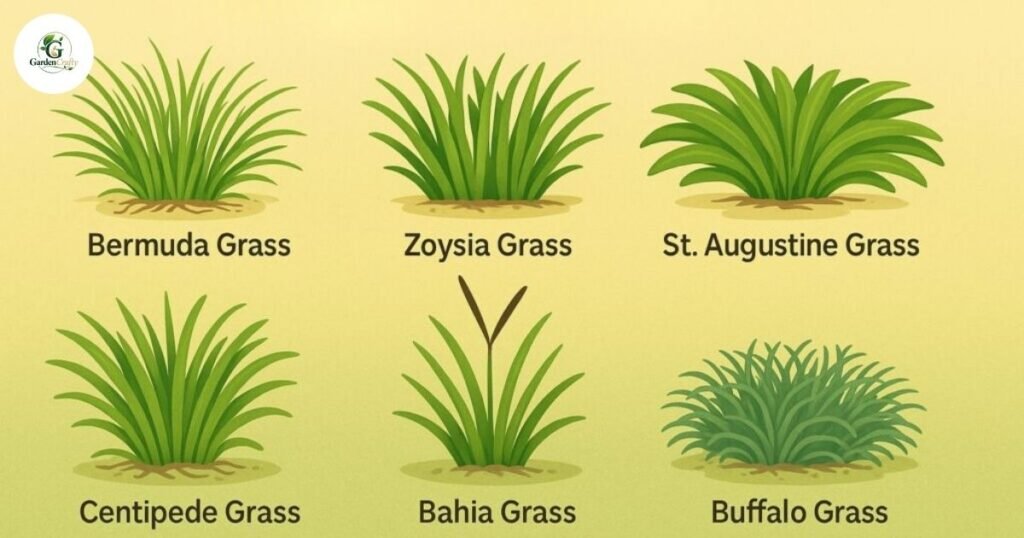
Another noteworthy contender is Zoysia grass, a robust option that offers a different charm with its dense growth and shade tolerance. Zoysia not only conserves moisture but also suppresses weeds, making it a low-maintenance choice for homeowners seeking a lush lawn without constant upkeep. In contrast to its cousin Bermuda, Zoysia grows slower in the spring, but this patience is rewarded with a thick carpet of green that holds up well under foot traffic.
Drought-Tolerant Grasses
Drought-tolerant grasses are not just survivalists; they’re innovative players in eco-friendly landscaping. As traditional lawns fall victim to water restrictions and climate changes, these resilient varieties like buffalo grass and fescue present sustainable alternatives that conserve resources while delivering lush aesthetics.
Their deep root systems, often reaching impressive depths, help them tap into moisture that’s out of reach for more conventional grasses, allowing them to thrive even in challenging conditions.
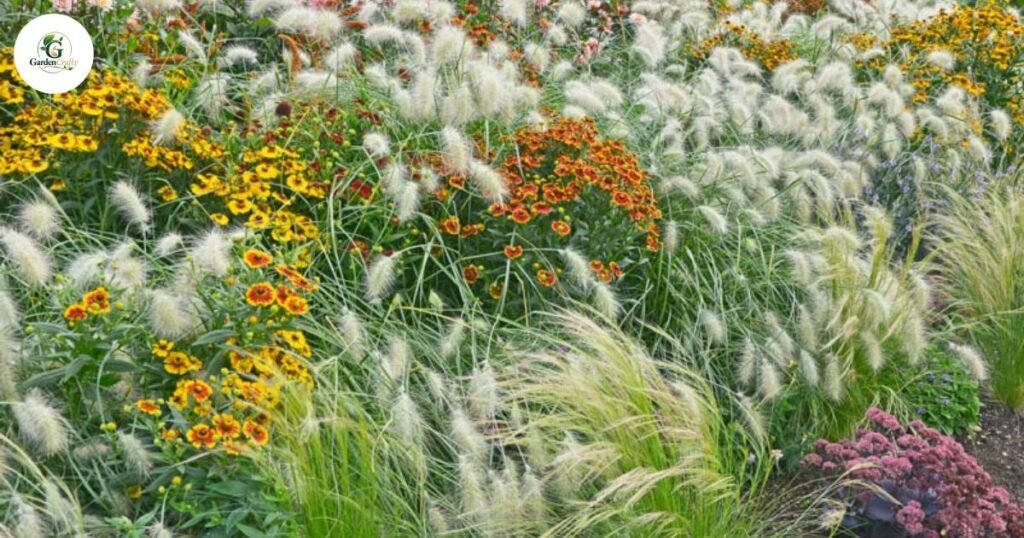
When integrated into a garden, drought-tolerant grasses can create stunning visuals with their dynamic textures and colors. Imagine a golden wave of buffalo grass swaying under the sun, complemented by patches of ornamental fescue shimmering in the breeze.
Beyond their beauty, these grasses support local ecosystems by providing habitats for pollinators and reducing soil erosion.
Ornamental Grass Types
Ornamental grasses bring dynamic texture and movement to gardens, transforming ordinary landscapes into vibrant sanctuaries. Among the diverse types, Calamagrostis acutiflora, commonly known as reed grass, stands out not just for its striking plumes but also for its resilience.
This perennial thrives in a range of conditions and offers year-round interest, with feathery flower spikes that dance gracefully in the wind, creating a mesmerizing display even in late autumn.
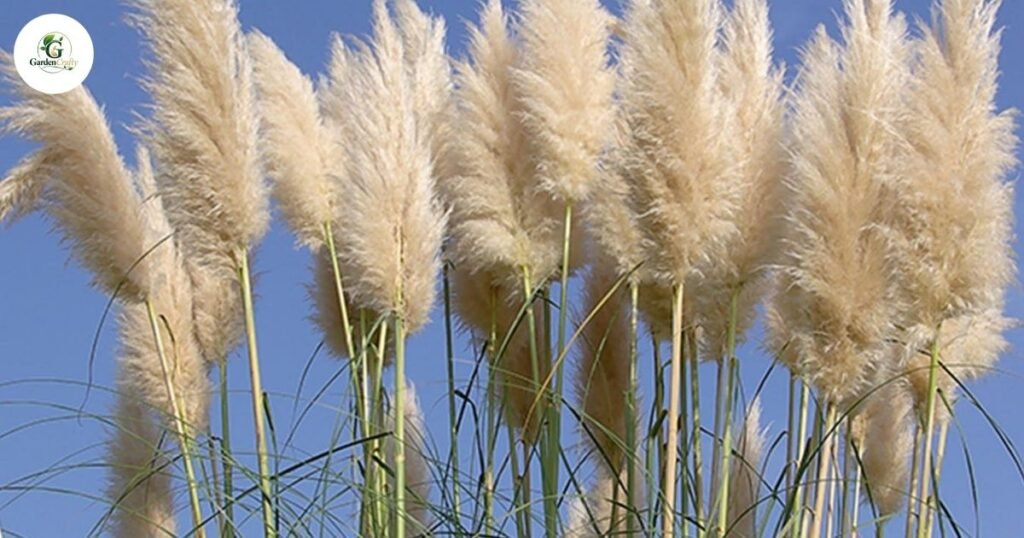
Another fascinating choice is Miscanthus sinensis, or Japanese silver grass, which adds a touch of exotic flair. Its tall, arching canes are perfect for softer borders or as dramatic focal points, especially when lit by the low autumn sun.
Miscanthus is also an eco-friendly choice, as it sequesters carbon and supports local wildlife. For those looking to elevate their garden’s aesthetic while contributing to biodiversity, incorporating these grasses provides both beauty and ecological benefits, showcasing how functional landscaping can enhance the environment.
Popular Ornamental Grasses
Ornamental grasses have surged in popularity due to their versatility and low maintenance, offering a dynamic aesthetic that transforms any garden space.
The graceful movement of varieties like Miscanthus sinensis, commonly known as maiden grass, can create a soothing backdrop, with its feathery plumes swaying gently in the breeze.
Not only do these grasses bring textural contrast to floral arrangements, but they also serve as natural privacy screens, thriving in various climates and soil types while attracting beneficial wildlife.
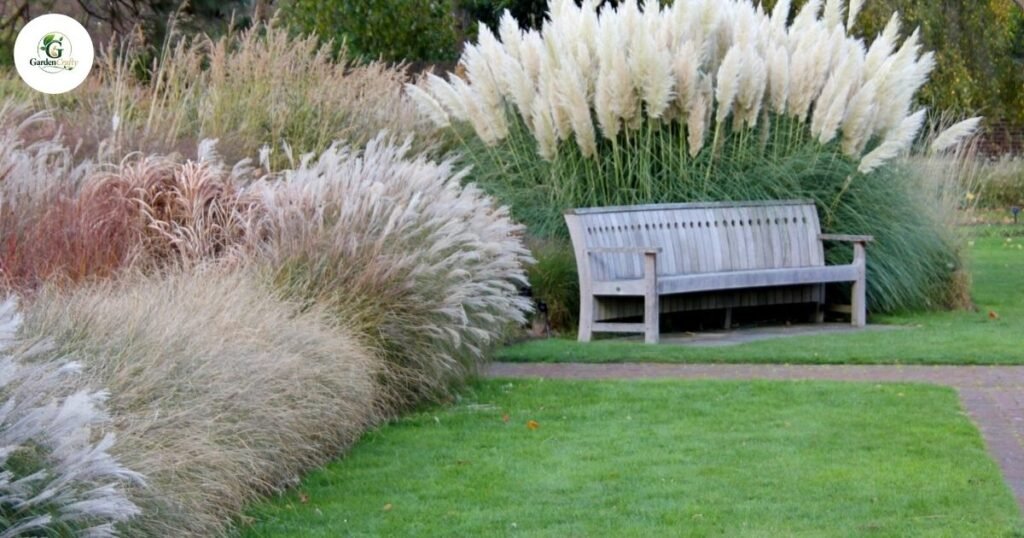
Switching gears to the striking Panicum virgatum, or switchgrass, this native North American species stands out with its upright form and vibrant fall hues. Its resilience in poor soils and drought conditions makes it a sustainable choice for eco-conscious gardeners.
Carex grasses, such as Carex morrowii, present an opportunity for unique foliage color and texture, ideal for shaded areas.
Utilizing these ornamental grasses not only enhances visual appeal but also contributes to biodiversity, as they support local fauna and promote healthier ecosystems. Embracing these plants can redefine garden aesthetics while aligning with sustainable practices.
Low-Maintenance Grass Options
When choosing low-maintenance grass options, it’s essential to consider the climate and soil type, as this directly impacts your lawn’s health and appearance.
For instance, fescue varieties, especially tall fescue, thrive in a range of conditions and boast deep roots that can tap into underground moisture, making them resilient during dry spells.
Another underrated option is zoysia grass, which, while slow to establish initially, spreads widely and chokes out weeds once mature, leading to less upkeep over time.
Fast-Growing Grass for Lawns
When it comes to establishing a lush lawn quickly, fast-growing grasses offer an impressive solution. Varieties like Perennial Ryegrass and Bermuda are not just appreciated for their rapid germination rates; they also adapt remarkably well to various climates, making them ideal for homeowners looking to upgrade their outdoor spaces in no time.
Perennial Ryegrass, for instance, germinates within 5 to 10 days, providing a quick green cover that’s perfect for high-traffic areas or overseeding during transitional seasons.

Speed isn’t the only factor to consider. Fast-growing grasses often have unique textures and colors that can enhance your landscape’s aesthetic. Incorporating blends that include fine fescues with coarse varieties can create a vibrant tapestry that not only thrives quickly but also promotes biodiversity, attracting beneficial insects and birds.
Many of these grasses require less water and are more resistant to pests, ultimately leading to reduced maintenance time and cost. With the right mix, your lawn can serve as an eco-friendly oasis that establishes a lasting impression not just a quick fix.
Grass for Shaded Areas
A shaded areas can be a challenge for both novice and experienced gardeners. While many traditional grass types struggle in low-light conditions, a few resilient varieties thrive under the canopy of trees and buildings.
Fine fescue, for example, is a group of grasses that not only tolerates shade but also provides a lush, textured look to your outdoor space. The advantage of selecting the right grass extends beyond aesthetics; it can significantly reduce water usage and maintenance efforts in less sunlit zones.
Incorporating native shade-loving plants and ground covers alongside your grass can enhance biodiversity and promote a healthier ecosystem. Think of plants like hostas or ferns that can fill in the gaps while creating a more natural, layered effect. This contrasts beautifully with your grass, all while providing habitat for local wildlife.
Grass for High-Traffic Areas
Choosing the right type of grass can make all the difference in maintaining a lush, green landscape. Opt for resilient varieties like Kentucky bluegrass or tall fescue, which not only withstand the wear and tear from foot traffic but also recover quickly when compacted.
These grasses boast deep root systems that enable them to thrive even under pressure, ensuring that your lawn remains vibrant and healthy.

Another innovative approach for high-traffic zones is the incorporation of turf alternatives such as clover or creeping thyme. These ground covers not only tolerate heavy use but also offer unique benefits.
Clover, for instance, naturally fixes nitrogen in the soil, enriching it without the need for synthetic fertilizers. Creeping thyme provides a fragrant carpet of color that can withstand the rigors of play and footfall, making it an eye-catching choice as well.
Native Grass Species
Native grass species are vital to maintaining ecological balance, acting as the foundation for diverse ecosystems. These grasses, adapted to local climates, play a crucial role in soil stabilization, preventing erosion while enhancing water retention.
Their deep root systems not only anchor the soil but also facilitate nutrient cycling, making them instrumental in sustainable agriculture and land management.
Grass Alternatives for Landscaping
In the quest for sustainable landscaping, grass alternatives present an innovative pathway to create lush, low-maintenance spaces. Ground covers such as clover and creeping thyme not only add vibrant textures but also serve functional purposes.
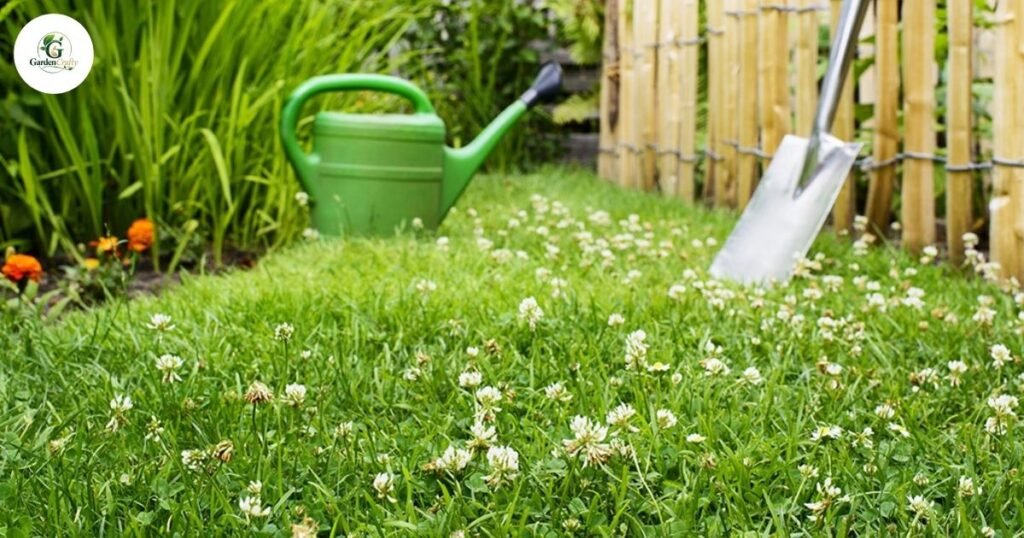
Clover, for instance, acts as a natural nitrogen fixer, enriching soil health while requiring minimal water. Meanwhile, creeping thyme thrives in sunny spots, releasing a delightful fragrance that beckons pollinators.
Another captivating option is the usage of ornamental turf-like sedges and fescues. These grass alternatives provide the visual appeal of a verdant lawn without the maintenance headaches associated with traditional grass. They are adept at tolerating drought and poor soil conditions, making them ideal for eco-conscious homeowners.
Lawn Grasses for Sun and Shade
When selecting lawn grasses, understanding the unique characteristics of sun and shade is essential for achieving a vibrant outdoor space. Grasses such as Kentucky bluegrass thrive in full sunlight, showcasing a lush, emerald hue that brightens any landscape.
| Yard Condition | Best Grass Types |
| Full Sun | Bermuda, Zoysia |
| Partial Shade | Tall Fescue, Zoysia |
| Heavy Shade | Fine Fescue |
| High Foot Traffic | Bermuda, Tall Fescue, Perennial Ryegrass |
| Low Maintenance | Centipede, Buffalo Grass, Zoysia |
| Dry Areas | Buffalo Grass, Zoysia, Bermuda |
Mixed Lawns Are Often Best
Mixed lawns, comprising various grass species and even clover or wildflowers, offer a vibrant tapestry of benefits that go beyond mere aesthetics. This biodiversity enhances resilience against pests and diseases, as a mix of plants creates an ecosystem where harmful insects and pathogens find it harder to thrive.
Mixed lawns often require less water and fertilizer, adapting better to changing weather conditions than traditional monoculture grasses. This not only promotes sustainability but also reduces maintenance effort and environmental impact.
How to Visually Identify Grass Types
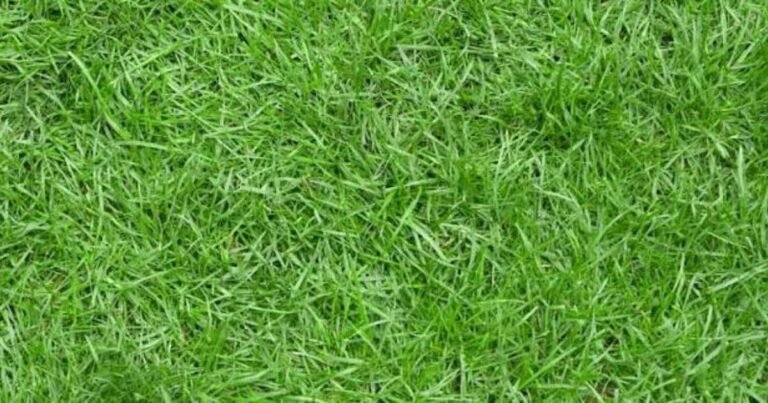
Recognizing grass types involves paying attention to subtle details that can transform your lawn care or landscaping efforts. Start by examining the blade shape: fine-bladed grasses like fescue often have a slender, soft appearance, while coarse varieties such as Bermuda grass feature broader, thicker blades.
Next, consider the color; vibrant greens indicate healthy growth and can vary by species, with some grasses boasting a rich emerald hue, while others lean toward a bluish tint.
Another key aspect is the growth habit: some grasses like Kentucky bluegrass grow in dense, lush patches, while others, such as zoysia, have a more sprawling or irregular growth pattern.
Observe how the grass behaves under stress; resilient varieties may endure drought or foot traffic better than others, informing future care strategies.
Grass Growth Habits
Grass growth habits can vary significantly depending on environmental factors, but two primary types of cool-season and warm-season grasses exhibit distinct behaviors. Cool-season grasses, like Kentucky bluegrass and fescue, thrive in the spring and fall, experiencing a surge in growth with cooler temperatures and adequate moisture.
They often enter a state of dormancy during the summer heat, conserving resources and leaving lawns looking parched. This adaptation allows them to prioritize root development over top growth, enhancing their resilience in challenging climates.
Bunch-Type Grasses
Bunch-type grasses, often overlooked in favor of their sprawling counterparts, offer a unique visual and ecological charm that can transform any landscape. These grasses grow in distinct clumps, creating textured layers that add depth and interest to gardens and meadows alike.
Their dense growth habit not only provides a natural habitat for small wildlife but also serves as a stunning backdrop for flowering plants, enhancing biodiversity and aesthetics.
A remarkable features of bunch-type grasses is their adaptability to various soil types and climates. This versatility makes them ideal candidates for sustainable landscaping, as they often require less water and maintenance than traditional turf grasses.
Spreading Grasses
Spreading grasses can transform any landscape, providing both aesthetic appeal and ecological benefits. These resilient plants, characterized by their ability to cover large areas quickly through underground runners or stolons, serve as a natural solution for erosion control and ground cover.
By promoting a dense mat of roots, they help retain soil moisture and suppress weeds, making them essential allies in sustainable gardening and landscaping.
Seed vs Sod for Landscaping
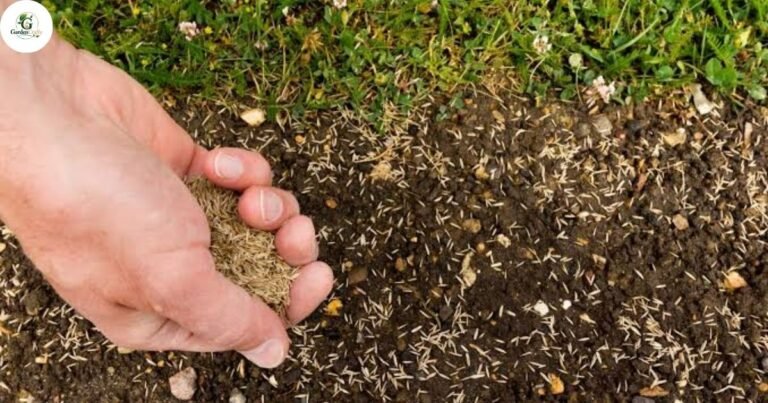
The debate between seed and sod takes center stage for many homeowners. Seed offers a cost-effective approach, allowing for a more tailored selection of turfgrass suited to specific climates and soil conditions.
Sowing seed promotes deeper root systems, fostering a more resilient lawn over time. It may require patience, as germination takes time, but the reward is a lush, robust landscape that develops its character as it matures.
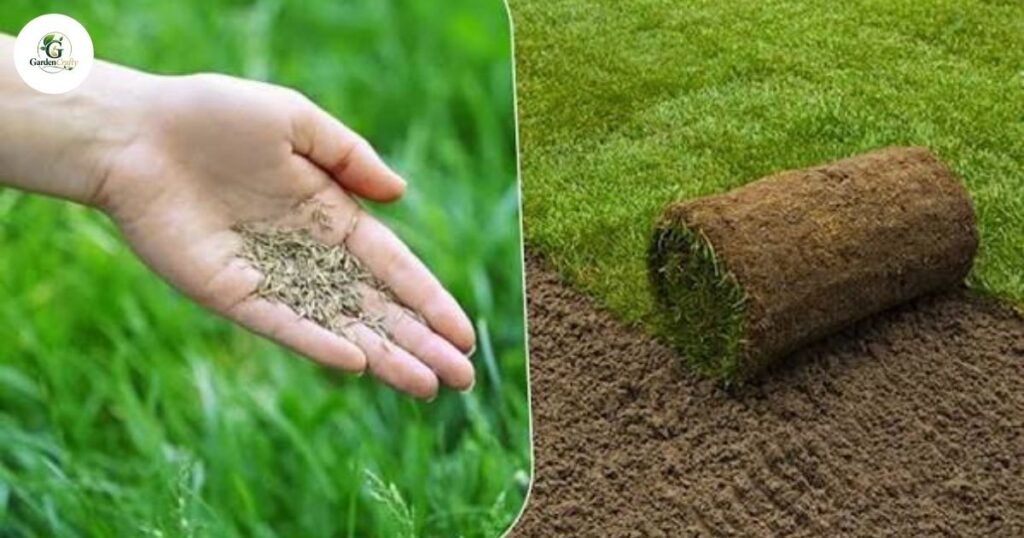
Sod presents an instant gratification alternative, transforming your yard into a verdant oasis overnight. This choice is particularly appealing for those in a hurry to enhance their curb appeal or ready to host gatherings.
Grass Grown From Seed
Grass grown from seed is not just a means to cover bare patches; it’s a canvas for creativity and ecological balance. Unlike sod, which is often installed for instant gratification, seeding allows gardeners to cultivate a specific mix of grass tailored to local conditions, providing a unique opportunity to enhance biodiversity.
This approach encourages a more profound connection with the landscape, transforming bare soil into a sustainable ecosystem that supports pollinators and beneficial microbes.
Understanding the nuances of seed selection can lead to surprising benefits. For instance, choosing drought-resistant varieties can significantly reduce water consumption, aligning with environmentally conscious practices while still ensuring a lush lawn.
The process promotes a sense of patience and investment watching those first blades of grass push through the soil can evoke a deeper appreciation for the natural world. Each step, from soil preparation to growth, tells a story of resilience and revival that instant solutions simply cannot match.
Grass Installed as Sod
Grass installed as sod offers an immediate transformation, turning bare patches into lush landscapes almost overnight.
A standout advantages of sod is its ability to establish strong root systems rapidly, allowing homeowners to enjoy a vibrant green lawn in a fraction of the time compared to traditional seeding methods. With the right care, sod can adapt to and thrive in various climates, making it an ideal choice for diverse environments.
Cost and Expectations
Cost and expectations often dance a delicate waltz, influencing choices and emotions in both personal and professional realms. When evaluating an investment be it financial, emotional, or time-related it’s essential to assess not just the price tag, but the potential returns and experiences that come with it. Unexpectedly high costs can lead to disillusionment, while surprisingly low expenses might generate a sense of gratitude, both reshaping our satisfaction levels.
Grasses in the Transition Zone
The Transition Zone, with its unique climate and soil challenges, fosters a diverse array of grass species that exhibit remarkable adaptability. Here, you can find cool-season grasses like tall fescue thriving alongside warm-season varieties like zoysiagrass, creating a vibrant tapestry of green that changes with the seasons.
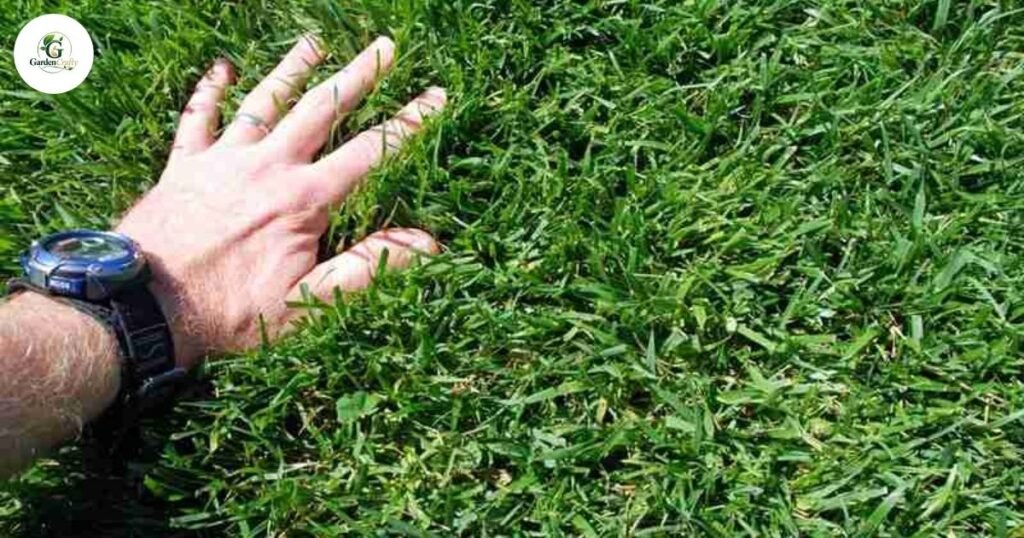
This ecological richness is not merely aesthetic; it offers an extraordinary opportunity for homeowners and landscapers to craft resilient and visually stunning lawns that can withstand the region’s temperature fluctuations.
Choosing the Right Lawn for Your Yard
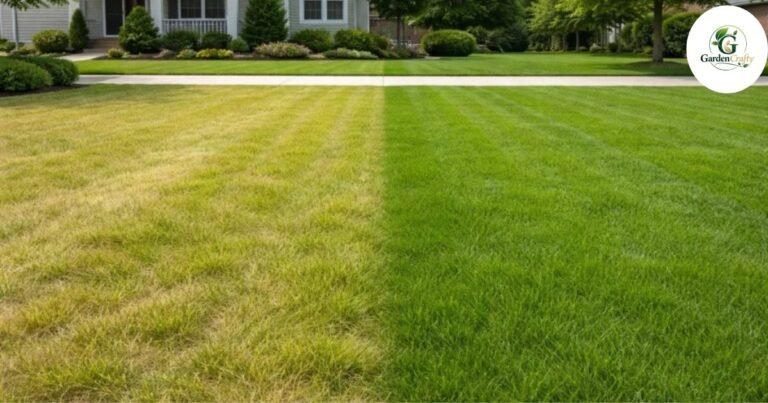
Learning How to Get Rid of Clover can help you restore a healthier, more uniform lawn. You can remove clover by hand, improve soil conditions, and maintain thick, healthy grass to prevent it from spreading. For larger areas, use a suitable lawn-safe weed control method and follow the product instructions carefully.
Understanding Grass Zones is essential for choosing the right grass type for your lawn. Different regions have different temperatures, rainfall levels, and growing seasons, so selecting grass suited to your climate can help create a healthier and more attractive landscape.
Lawn Aeration is the process of creating small holes in the soil to improve the flow of air, water, and nutrients to the grass roots. It helps relieve soil compaction, encourages deeper root growth, and can make your lawn healthier, thicker, and more resilient.
Kentucky Bluegrass is a popular cool-season grass known for its rich blue-green color, soft texture, and dense growth. It spreads through underground rhizomes, allowing it to repair damaged areas and create a thick, attractive lawn.
Conclusion
The seven types for grass landscaping discussed in this guide offer a variety of possibilities for homeowners looking to upgrade their landscaping. From shade-loving varieties to those that thrive in sunny spots, there’s something for every environment and personal preference.
Knowing the specific requirements and characteristics of each grass type can lead to a more sustainable and visually appealing landscape. Make sure to consider factors like climate, and maintenance needs before making your selection.
FAQs
Which Grass Type is Best?
The best grass type depends on your climate and usage. For warm regions, Bermuda grass is ideal, while cool-season areas benefit from Kentucky bluegrass.
What is Poor Man’s Grass?
Poor man’s grass, commonly known as Bermudagrass, is a resilient, low-maintenance turf grass often used for lawns, sports fields, and golf courses due to its drought tolerance and rapid growth.
What are all the Grass Types?
There are three main categories of grass types: cool-season grasses, warm-season grasses, and transitional grasses. Cool-season grasses, like Kentucky bluegrass and fescue, thrive in northern climates, while warm-season grasses, such as Bermuda and Zoysia, perform best in southern regions.