5+ Proven Fertilizer Guide: What Fertilizer to Use in Spring
Understanding fertilizer numbers and what your lawn needs is crucial for achieving that lush, green landscape you desire. What fertilizer to use in spring, the ideal timing for application, and the common mistakes many homeowners make during this critical season.
Choosing what fertilizer to use in spring can be overwhelming, especially if you don’t understand fertilizer numbers and how they affect your specific grass type.
Why Spring Fertilizer Matters
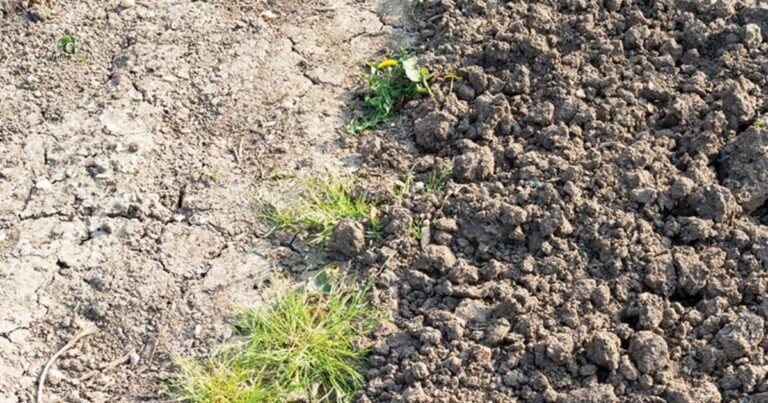
As winter fades, your lawn emerges from dormancy, and understanding how winter affects your lawn is crucial.
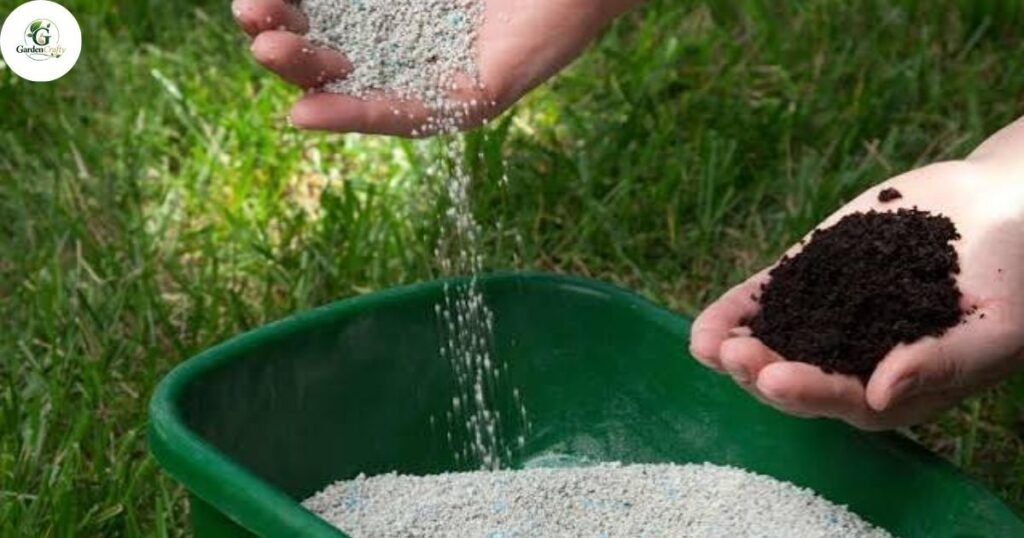
Why Grass Needs Nutrients in Spring:The frigid temperatures and snow can deplete essential nutrients in the soil, leaving your grass hungry for rejuvenation. Spring fertilizer plays a pivotal role in replenishing these nutrients, ensuring that your lawn has all it needs for a vibrant growth spurt. This is particularly important because grass needs nutrients in spring to kick start robust photosynthesis, setting the stage for a lush, green landscape.
Key Benefits of Spring Fertilizer:The key benefits of spring fertilizer extend beyond mere aesthetics; they include supporting healthy root and grass growth. Fertilizers designed for spring often contain a balanced mix of nitrogen, phosphorus, and potassium, which work harmoniously to develop resilient roots while enhancing the grass’s overall health.
Supporting Healthy Root and Grass Growth;Proper fertilization can improve soil structure and moisture retention, creating a nurturing environment for your lawn to thrive through the warmer months. Don’t overlook the power of spring fertilizer. It’s the best investment you can make for a flourishing lawn that’s prepared to withstand summer’s challenges.
What Fertilizer Should You Use in Spring?
Spring is the perfect time to nurture your lawn back to life, and understanding nitrogen in spring fertilizer is key.
Nitrogen is the powerhouse nutrient that stimulates lush, green growth, making your lawn not just look vibrant but also healthier.
Choosing the Right Fertilizer NPK Ratio:When choosing the right fertilizer, pay attention to the NPK ratio, which stands for nitrogen (N), phosphorus (P), and potassium (K). For instance, a fertilizer with an NPK ratio of 20-5-10 offers a robust boost of nitrogen, ideal for vigorously greening up your turf.
How to Read Fertilizer Numbers Like 20-5-10 and 16-0-8:But it’s not just about numbers; understanding what each element does for your lawn can transform your approach to lawn care. While nitrogen promotes growth, phosphorus supports root development and potassium enhances overall resilience.
You might come across specialized formulas like 16-0-8 that focus solely on nitrogen and potassium, perfect for established lawns that may not need additional phosphorus. By evaluating your lawn’s specific needs and reading fertilizer numbers accurately, you can ensure a thriving, healthy landscape this spring.
2-Second Decision
- ✔ Want green lawn → high nitrogen fertilizer
- ✔ Seeding lawn → starter fertilizer
- ✔ Normal lawn → balanced fertilizer
NPK Quick Decision Table
| Goal | Example Ratio | When to Use |
| Improve green color | High nitrogen (20-5-10) | When grass is actively growing and needs more color |
| Grow new grass | Starter fertilizer (10-20-10) | When seeding or establishing new grass |
| General spring feeding | Balanced fertilizer (10-10-10) | For routine spring lawn maintenance |
| Improve root strength | Higher potassium (e.g., 10-5-15) | When grass needs better stress tolerance and root support |
If You Live in the North
Living in the North presents a unique opportunity for lawn enthusiasts to embrace the benefits of cool-season grass. As temperatures gradually rise in spring, this type of grass thrives, kicking off a resilient growth cycle.
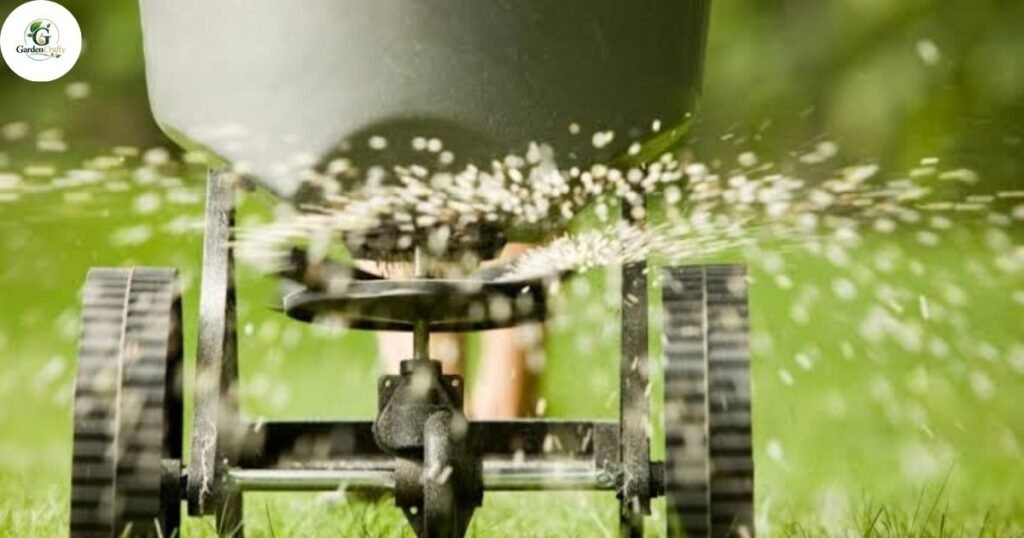
Spring Fertilizer Needs for Cool-Season Lawns:Cool-season varieties, like Kentucky bluegrass and fescue, are fueled by the spring fertilizer needs specific to their growth patterns. A balanced application in early spring can enhance root development, setting the stage for a lush, green lawn that withstands the summer heat.
Warm-season grasses: such as Bermuda and zoysia, require different attention during spring growth. In northern climates, they may struggle to establish themselves until later in the season, emphasizing the importance of effective lawn management.
Spring Fertilizer Needs for Warm-Season Lawns:Understanding the spring fertilizer needs for warm-season lawns means tailoring strategies to help these grasses thrive when temperatures rise. By shifting focus to proper nutrient applications, you can create a robust lawn that celebrates the beauty of each season while enjoying the unique challenges that Northern living brings.
If You Live in the South
When to Fertilize Warm-Season Grass:Living in the South means experiencing the lush renewal of warm-season grass as spring rolls in, but knowing when to fertilize is crucial to achieving that vibrant lawn.
How Warm-Season Grass Grows in Spring:Warm-season grass thrives when temperatures consistently hit the sweet spot of 70 to 90 degrees Fahrenheit. Most Southern homeowners often mistake the early warmth of spring as a cue to jump into fertilizer application; however, understanding how warm-season grass grows in spring is key to avoiding early fertilization damage.
It’s advisable to hold off on feeding your lawn until the grass shows signs of active growth usually around mid to late spring.
Choosing Fertilizer for Transition Zone Lawns:For those in the transition zone, choosing the right fertilizer is equally vital. Opting for a balanced fertilizer that includes essential nutrients can set your lawn up for long-term health.
Not all fertilizers are created equal, and selecting the right one can mean the difference between a thriving lawn and a patchy disaster. By timing your fertilization properly and selecting a quality product, you set the stage for lush, green grass that makes your outdoor space a welcoming retreat throughout the warmer months.
What Is the Best Fertilizer for Grass in Spring?
Choosing the right fertilizer for your lawn in spring can set the stage for a lush, vibrant yard all season long.
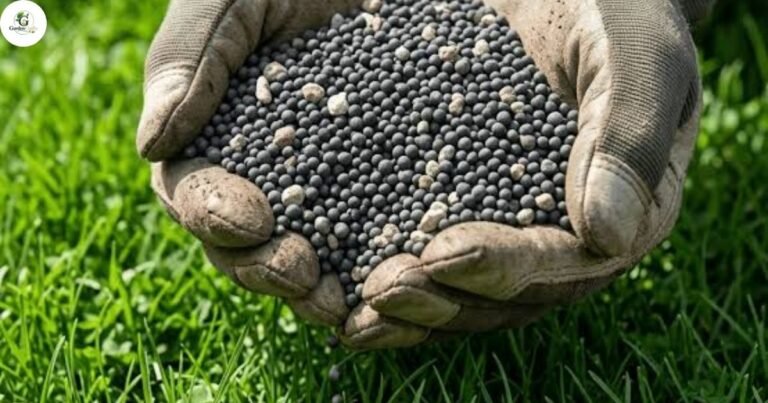
Common Types of Spring Fertilizer:Among the common types of spring fertilizer, balanced fertilizers are a go-to for general lawn feeding. These typically contain equal parts of nitrogen, phosphorus, and potassium, making them versatile and great for revitalizing tired grass.
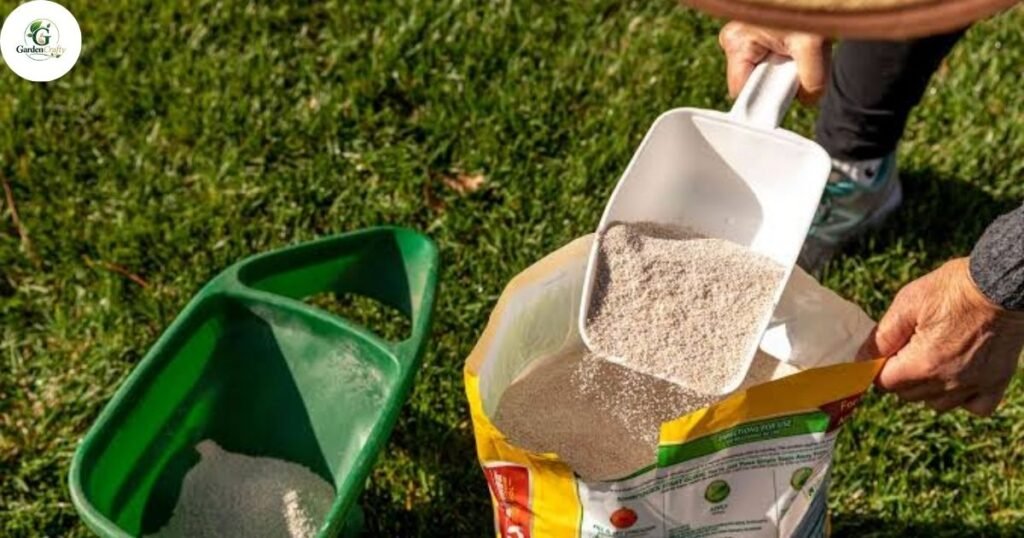
If your priority is to achieve a rich, green lawn, a high-nitrogen fertilizer should be your top pick. This type not only promotes robust growth but also enhances the color, leaving your neighbors green with envy.
Slow-Release Fertilizer for Long-Lasting Growth:For those looking for long-term solutions, consider incorporating a slow-release fertilizer into your spring routine. This method ensures a steady supply of nutrients over time, reducing the risk of nutrient runoff and minimizing the need for frequent applications.
By opting for slow-release formulas, you can enjoy a consistently healthy lawn that thrives through fluctuating weather conditions. The best fertilizer aligns with your lawn’s specific needs and your growth goals, making an informed choice essential for achieving that dream landscape.
Seeding in Spring? Skip the Pre-Emergent
In the quest for a lush, verdant lawn, many homeowners rely heavily on pre-emergent fertilizers for weed control.This often overlooked detail can hinder your spring seeding efforts.
Why Pre-emergent Can Stop Grass Seed;When you apply pre-emergent, you inadvertently create a barrier that not only prevents weeds but also halts the germination of your freshly sown grass seed. The timing of your seeding and fertilization choices becomes crucial, as using pre-emergent can stifle your grass’s potential for a healthy start.
Using Starter Fertilizer for New Grass:Consider leveraging starter fertilizer specifically designed for new grass. This approach not only nurtures your seedlings but also provides the nutritional boost they need to establish robust root systems quickly. Opt for a balanced starter mix that delivers essential nutrients without the hindrance of pre-emergent chemicals.
By focusing on enriching your soil with the right fertilizers, you pave the way for a thriving lawn without the worry of weeds interfering during those crucial first weeks of growth. Embrace a smarter strategy this spring and watch your lawn flourish!
Why Spring Fertilizer for Lawns Is Important
Benefits of Spring Lawn Feeding:Spring fertilizer is crucial for invigorating your lawn after the long winter dormancy. As temperatures rise, grass becomes more active, and a well-timed feeding provides essential nutrients that kickstart its growth cycle.
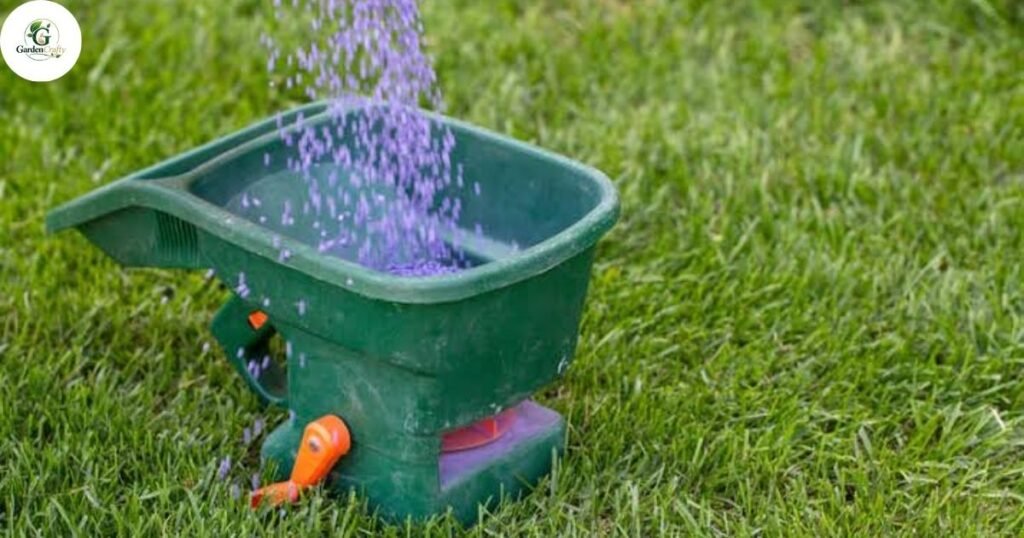
The benefits of spring lawn feeding extend beyond mere aesthetics; it helps grass grow thicker, creating a dense carpet that not only looks appealing but also suppresses weeds. A vigorous lawn can outcompete weed growth, leading to a healthier, more resilient outdoor space.
The right fertilizer:Incorporating the right fertilizer promotes deep root development, ensuring your lawn can access moisture and nutrients more effectively. This strong foundation is vital because a healthy lawn is not just about greenness; it’s about creating an ecosystem that thrives.
Supporting a Healthier Lawn and Reducing Weeds:Supporting a healthier lawn enhances its ability to withstand drought and disease, making it more sustainable over time. A strong spring start matters not only for this season but sets the stage for year-round vitality, making your yard the envy of the neighborhood.
Best Grass Fertilizer for Spring: Growth and Protection
Choosing the best grass fertilizer for spring not only enhances growth but also lays the foundation for a lush, healthy lawn.
How Weed-and-Feed Products Work: An effective options is the use of weed-and-feed products, which combine fertilizer and herbicides to tackle both grass nutrition and weed control.
Understanding how these products work is crucial; they release nutrients while simultaneously eliminating unwanted weeds, allowing your grass to thrive without competition for essential resources. Timing is everything. Apply these products early in the spring when temperatures rise, ensuring that your grass is actively growing and can absorb the nutrients efficiently.
Avoiding Damage to New Grass:Careful application is essential to avoid damaging new grass. When using weed-and-feed, always check that the grass is established, typically waiting at least six weeks after seeding. Ensure even distribution to prevent patches of burnt grass or ineffective weed control.
For those looking for an alternative, granular fertilizers can be used in tandem with spot treatments for weeds, providing a more controlled approach to lawn care. By pairing the right fertilizer with effective weed control, you’ll create an enviable landscape that flourishes throughout the growing season.
Application Rate for Spring Lawn Fertilizers
Follow Fertilizer Label Directions:When it comes to applying spring lawn fertilizers, understanding the application rate is crucial for nurturing a vibrant, healthy lawn. The key to a thriving green space is adhering to fertilizer label directions, which provide specific amounts tailored to your grass type and soil condition.
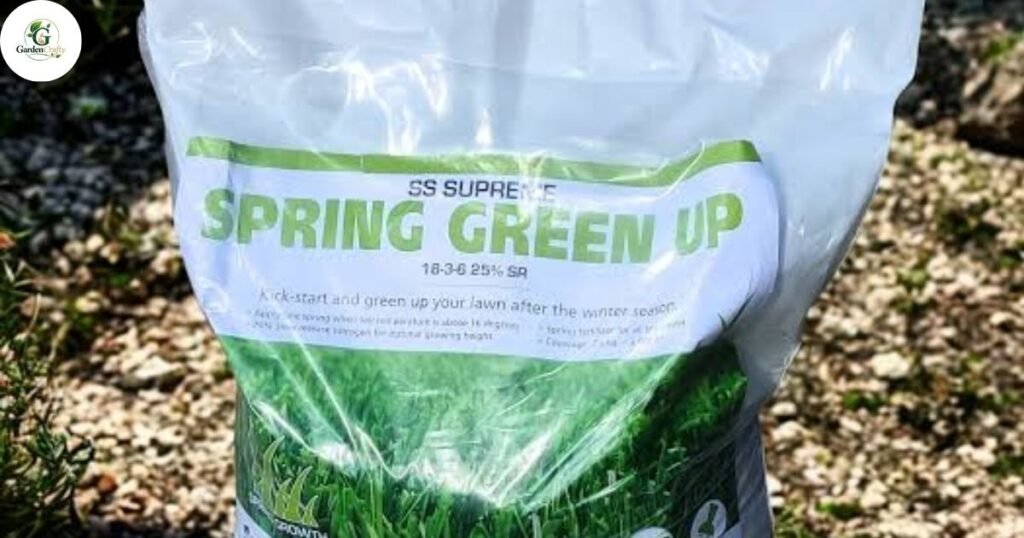
Ignoring these guidelines can lead to problems caused by over-fertilizing, such as burning your lawn or creating imbalances in soil nutrients.
Tips for Applying Fertilizer Safely:To apply fertilizer safely and effectively, consider timing and environmental conditions. Early morning or late afternoon are ideal, as temperatures are cooler, reducing evaporation and promoting absorption.Use tips for applying fertilizer safely, such as employing a spreader for even distribution and avoiding windy days.
How to Prevent Fertilizer Damage:If you do encounter fertilizer damage, take immediate action by watering the area heavily to dilute the excess nutrients, potentially saving your lawn from extended harm. With the right approach, your spring fertilization efforts can cultivate the lush, green landscape you’ve always desired.
When Is the Right Time in Spring to Fertilize?
Timing matters.
Grass can only use fertilizer when it is actively growing.
Spring Fertilizer Timing Guide
| Lawn Type | When to Fertilize | Key Note |
| Cool-season grass | Early spring | Apply after active growth begins |
| Warm-season grass | Mid to late spring | Wait until grass has fully greened up |
| Newly seeded lawn | At seeding or after germination | Use a starter fertilizer only if needed |
| Established lawn | During active spring growth | Apply based on soil needs and fertilizer label |
| Dormant grass | Do not fertilize | Wait until active growth resumes |
Should You Test Your Soil Before Fertilizing?
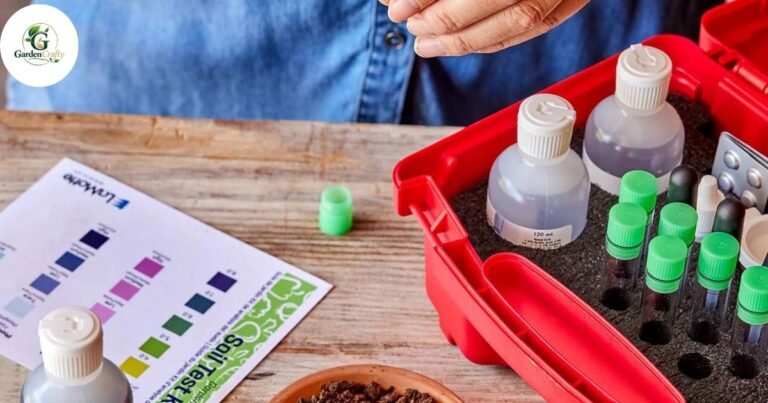
Why Soil Testing Matters Before Spring Fertilizing:Testing your soil before fertilizing is a pivotal step that many gardeners overlook. Why soil testing matters before spring fertilizing is simple: it provides essential insights into nutrient levels, pH balance, and organic matter.
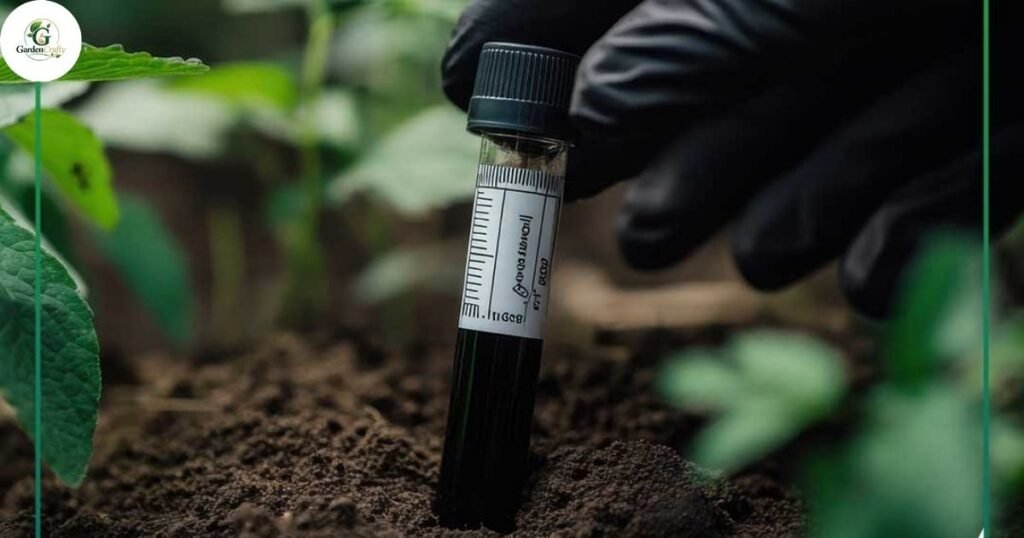
What a Soil Test Tells You:A comprehensive soil test reveals what a soil test tells you about its fertility helping you understand not only what nutrients are abundant but also what’s lacking. This knowledge empowers you to make informed decisions, ultimately saving you money and ensuring your plants receive the appropriate nutrients they crave.
When Your Lawn Needs Phosphorus:Timing is also critical; knowing when your lawn needs phosphorus can significantly affect its health and growth. Applying phosphorus before your lawn actually needs it can lead to runoff issues, harming local waterways and compromising eco-balance.
Moreover, choosing the right fertilizer based on soil test results ensures that you’re not just applying a generic blend; you’re meeting your landscape’s specific needs. By embracing soil testing, you’re investing in a more sustainable and vibrant garden that thrives season after season.
Spring Fertilizer for Gardens, Flowers, and Shrubs
As spring unfolds, the rejuvenation of gardens springs forth, making it the ideal time for targeted fertilization. Spring fertilizer for different plants can be a game-changer, allowing gardeners to tailor nutrients specifically for their needs.
Fertilizing Vegetable Gardens in Spring:For instance, fertilizing vegetable gardens in spring often requires a blend high in nitrogen to promote leafy growth, while flowering plants benefit from balanced formulations that encourage blooms without excessive foliage.
Feeding flowers, shrubs, and trees:Feeding flowers, shrubs, and trees with the right nutrients creates a harmonious landscape, ensuring that each plant thrives in its niche. The misconception that lawn fertilizer can double as garden food can undermine your efforts; it typically contains weed suppressants harmful to delicate blooms and vegetables.
By choosing specialized fertilizers, you can foster lush growth, vibrant colors, and resilient plants that stand up to pests and disease. Spring is not just a season of new beginnings; it’s a time to nurture the beauty that you’ll enjoy throughout the year.
Related Lawn Guides
Fall is an ideal season to improve thin and patchy lawns with Overseeding Fescue in Fall.
It helps fescue establish strong roots while temperatures are cooler and more favorable.
With proper watering and soil preparation, you can achieve a healthier, fuller lawn.
Knowing How Much Grass Seed to Overseed a Lawn helps prevent uneven growth and wasted seed. The right amount depends on your grass type, lawn condition, and the size of the area.
Using the correct seeding rate can support thicker and more consistent grass growth.
Choosing the right Types of Grass for Landscaping can make your outdoor space healthier and more attractive. Different grass varieties perform better depending on sunlight, soil, climate, and maintenance needs.
Learning How to Get Rid of Clover in Your Lawn can help keep your grass looking clean and well maintained. Regular mowing, proper watering, and healthy soil can reduce conditions that encourage clover growth.
Weather Conditions to Avoid When Fertilizing
Understanding how weather affects spring fertilizer application is crucial for achieving optimal lawn health.
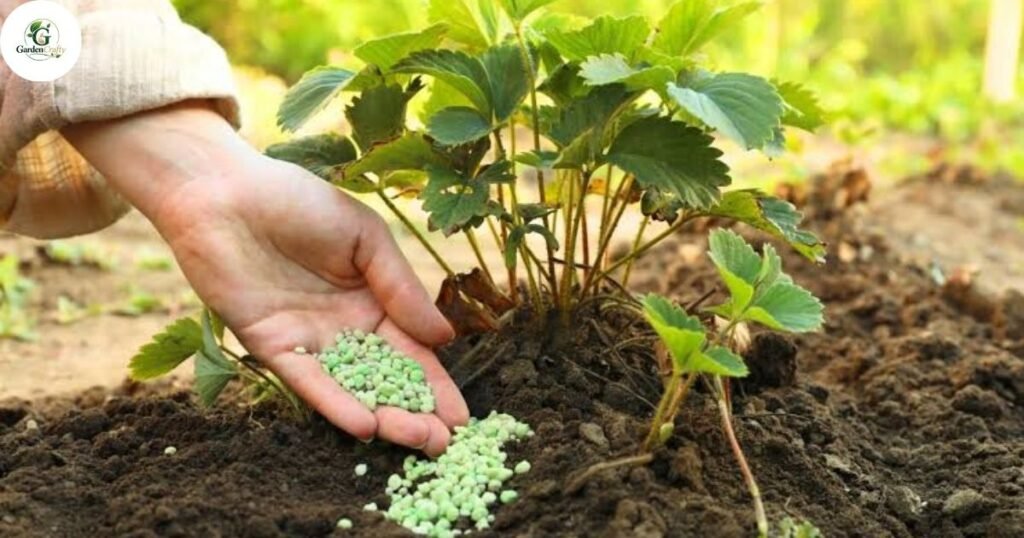
Best Weather Conditions for Fertilizing:Ideal conditions for fertilizing usually include mild temperatures, overcast skies, and slight humidity. Hot, dry days can lead to rapid evaporation, causing essential nutrients to dissipate before they reach the roots. Furthermore, applying fertilizer just before heavy rainfall can wash away valuable nutrients, leading to nutrient loss and diminishing your lawn’s health.
When Not to Fertilize Your Lawn: When not to fertilize your lawn is as important as knowing when to do it. For instance, avoid fertilizing during extreme heat or drought conditions; plants under stress will struggle to absorb the nutrients effectively. Freezing temperatures can hinder nutrient uptake, rendering your efforts futile.
The Different Types of Spring Fertilizer
Spring Fertilizer Quick Guide
| Fertilizer Type | Best Use | Avoid If |
| High-nitrogen fertilizer | Boosting green color and leaf growth | Grass is dormant or heat-stressed |
| Slow-release fertilizer | Steady, long-term feeding | Quick results are needed |
| Starter fertilizer | Supporting new grass during seeding | No new grass is being established |
| Weed-and-feed | Feeding grass while controlling weeds | You plan to seed soon |
| Balanced fertilizer | General lawn feeding when nutrients are needed | Soil already has sufficient nutrients |
Types of Spring Fertilizer for Different Lawn Needs
Spring is the perfect time to rejuvenate your lawn, and understanding the types of spring fertilizer suited for different needs can make a significant difference.
Fertilizers for new grass
For instance, fertilizers for new grass typically feature a higher phosphorus content, promoting robust root development. In contrast, if you’re tackling pesky weeds or moss, a well-balanced fertilizer with pre-emergent properties can help prevent their growth while encouraging healthy grass. Choosing the right product tailored to your lawn’s specific challenges can create an environment where healthy growth thrives.
Choosing Between Liquid and Granular Fertilizer
When deciding between liquid and granular fertilizer, consider your lawn’s size and your ability to water properly. Liquid fertilizers offer quick absorption and are great for immediate nutrient boosts, while granular options provide a slow-release solution, feeding the lawn over time.
Common Spring Fertilizer Mistakes to Avoid
Be cautious, though; common spring fertilizer mistakes include over-application, which can lead to nutrient runoff and environmental damage.
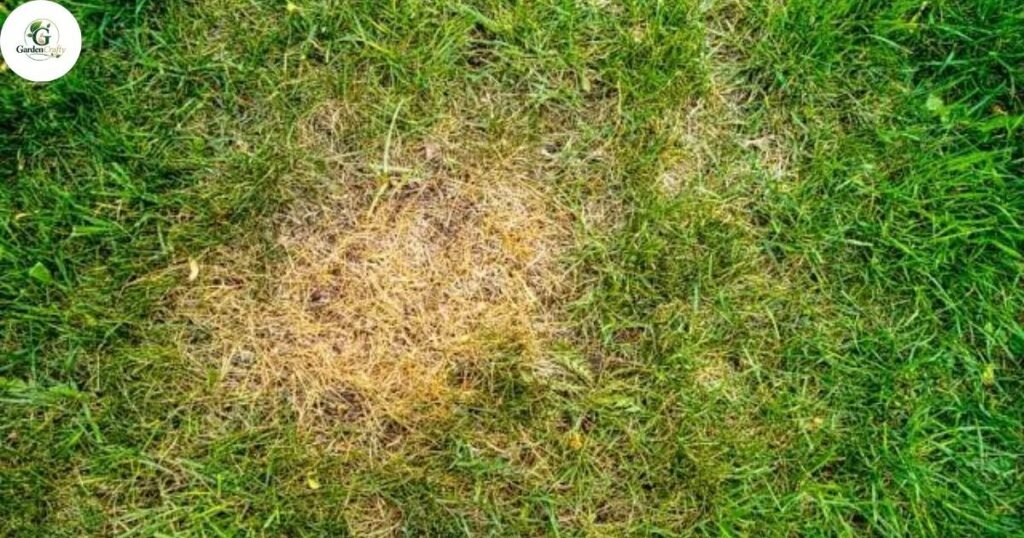
Applying the right fertilizer at the right time ensures your lawn not only flourishes but also remains sustainable. Keep these considerations in mind to achieve that vibrant spring lawn you’ve always wanted!
Conclusion
Selecting the What Fertilizer to Use in Spring is crucial for maximizing plant health and yield. Organic options, such as compost and manure, enrich the soil while providing essential nutrients in a gentle manner.
Synthetic fertilizers can offer a quick boost to your plants, but they should be used thoughtfully to avoid nutrient runoff.
FAQs
What is the Best Fertilizer for Spring?
The best fertilizer for spring is typically a balanced, slow-release fertilizer with an N-P-K ratio of around 10-10-10 or 14-14-14. This provides essential nutrients nitrogen, phosphorus, and potassium that promote healthy growth in plants, lawns, and gardens.
What Type of Fertilizer do I use in the Spring?
In the spring, a balanced fertilizer with an N-P-K ratio of around 10-10-10 or 20-20-20 is ideal for promoting healthy growth in your plants. This will provide essential nutrients nitrogen for leaf development, phosphorus for root and flower growth.
Can I use 32 0 10 Fertilizer in the Spring?
Yes, you can use 32-0-10 fertilizer in the spring. This high nitrogen formulation is excellent for promoting lush, green growth, especially for cool-season grasses and early blooming plants.Be mindful of the application rates to avoid over-fertilization, which can lead to burning your plants.
What Fertilizer Numbers to use in Spring?
In spring, it’s beneficial to use a balanced fertilizer with numbers like 10-10-10 or 12-12-12, which indicates equal amounts of nitrogen, phosphorus, and potassium. This balance supports healthy growth, root development, and flowering in a variety of plants.
Which F ertilizer is Called the King of Fertilizer?
The fertilizer often referred to as the “king of fertilizers” is urea. This is primarily due to its high nitrogen content, which is essential for plant growth and development, making it one of the most widely used fertilizers in agriculture .Urea is favored for its efficiency and versatility.