Grass Zones in the U.S.: How to Select the Best Grass
Choosing the right type of grass for your specific region can make all the difference in achieving a lush, vibrant yard. With varying climates, soil types, and rainfall patterns across the country, understanding grass zones is essential for homeowners.
We’ll guide you through the different grass types suited for each zone and provide tips on selecting the best one for your needs.
What Are Grass Zones? (Quick Answer)
Grass zones are specific areas within a landscape that are dominated by grass species, serving vital ecological roles. These zones can range from expansive prairies to small patches in urban environments, each offering unique benefits.
For instance, grass zones in urban areas can significantly reduce heat, improve air quality, and enhance biodiversity by providing habitats for various wildlife species.
U.S. Grass Zones Map (Quick View)
Understanding the U.S. Grass Zones Map unveils a fascinating interplay between climate, geography, and the types of grass that thrive across the nation. Each zone, tailored to specific temperature ranges and precipitation patterns, provides a unique opportunity for homeowners and landscapers alike to select ideal grass species.
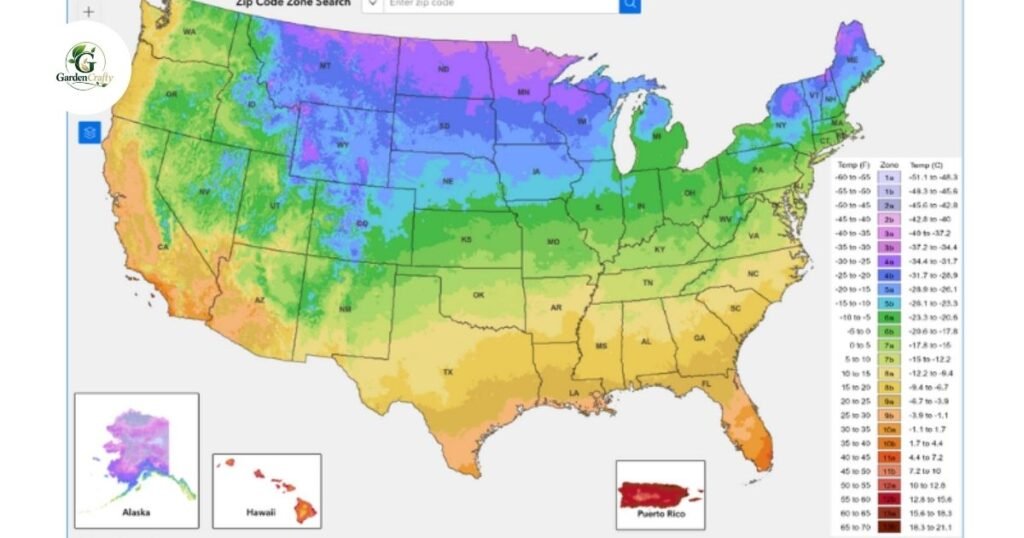
From the lush, cool-season grasses of the North, like Kentucky bluegrass, to the hearty warm-season varieties of the South, such as Bermuda grass, each zone harbors distinct characteristics that cater to the region’s ecological needs.
Best Grass by Zone (Quick Guide)
When choosing the best grass for your lawn, understanding your specific hardiness zone is key. In cooler regions, such as Zones 3 and 4, fine fescue varieties excel due to their shade tolerance and ability to withstand frost.
| Zone | Best Grass Types |
| Cool-season | Kentucky Bluegrass, Fine Fescue, Tall Fescue, Perennial Ryegrass |
| Warm-season | Bermuda Grass, Zoysia Grass, St. Augustine Grass, Centipede Grass |
| Transition zone | Tall Fescue, Zoysia Grass, Bermuda Grass, Kentucky Bluegrass |
Grass Zones vs USDA Zones (Important to Know)
Understanding the distinction between Grass Zones and USDA Zones is crucial for gardeners and landscapers looking to optimize their planting strategies. Grass Zones primarily focus on the types of grasses best suited for different climates, tailored to local conditions like humidity and precipitation.
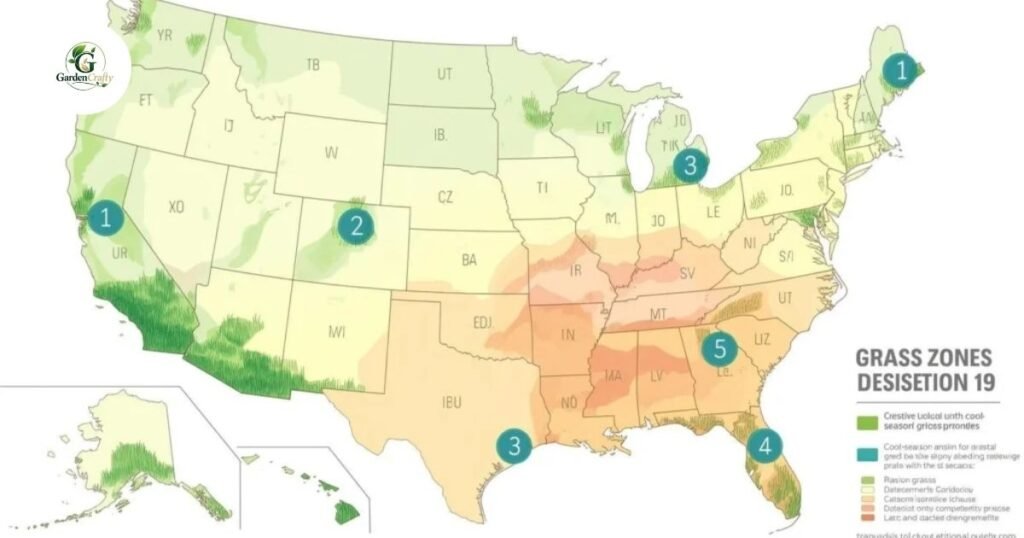
USDA Zones categorize regions based on average minimum winter temperatures, which can significantly impact plant survival. While a zone might indicate a plant can survive the winter, it doesn’t necessarily mean it’ll thrive in the unique microclimates of your backyard.
Why Grass Zones Matter for Lawn Success
Grass zones are crucial for achieving a thriving lawn, as they account for the diverse environmental conditions that can affect growth and health.
Understanding these zones allows homeowners to adapt their care strategies, such as adjusting irrigation patterns, selecting the right grass types, and ensuring optimal sunlight exposure.
For instance, shaded areas may benefit from shade-tolerant varieties, while sunlit spots can thrive with more vigorous sun-loving grasses, ultimately creating a cohesive and vibrant landscape.
How to Choose the Right Grass Seed for Your Region
- Choosing the right grass seed for your region requires more than just a glance at the label; it’s about aligning your lawn’s needs with local conditions. Start by assessing your region’s climate cool-season grasses thrive in northern areas with colder winters, while warm-season varieties prefer the southern heat.

- It’s crucial to consider factors such as temperature fluctuations, rainfall patterns, and even soil type. Incorporating regional characteristics can lead to a lush lawn that’s not only visually appealing but also resilient.
Best Grass Seed for Most Lawns
When selecting the best grass seed for your lawn, it’s crucial to consider your climate, soil type, and the amount of sunlight the area receives. For cool-season areas, a mix of Kentucky bluegrass, perennial ryegrass, and tall fescue provides a hearty blend that thrives in varying conditions.
The lush, vibrant green of Kentucky bluegrass is beloved for its aesthetic appeal, while perennial ryegrass establishes quickly, offering speedy results for those looking to beautify their yards in a hurry.
In warmer regions, a blend of Bermuda, zoysia, and fescue can create a resilient, adaptable lawn. Bermuda grass is excellent for sunny spots and offers a dense, carpet-like finish, while zoysia tolerates shade better and requires less mowing.
These grasses work synergistically to form a durable lawn that can handle foot traffic and varying conditions.
Grass Zones and Lawn Care in Different Locations
Understanding grass zones is crucial for optimal lawn care, as different regions have unique climates that dictate the best types of grass and maintenance strategies.
For instance, cool-season grasses thrive in northern climates where temperatures drop in winter, while warm-season grasses flourish in southern regions with hot summers.

Homeowners in the Midwest can capitalize on transitional zones by selecting hybrid varieties that offer resilience across varying seasonal conditions.
In coastal areas, the salt-tolerant grasses, such as Bermuda and Zoysia, not only withstand harsh winds but also resist salt damage, making them ideal for seaside lawns.
Cool-Season, Warm-Season, and Transition Zone Grasses
Cool-season grasses, thriving in the northern climate, offer lush green lawns in spring and fall, when temperatures are mild.
These grasses, such as Kentucky bluegrass and tall fescue, flourish during the cooler months and can endure chilly winters, but may struggle under the heat of summer. Their growth pattern aligns perfectly with the cooler temperatures of the northern states, making them a favorite for homeowners seeking vibrant, hardy lawns.
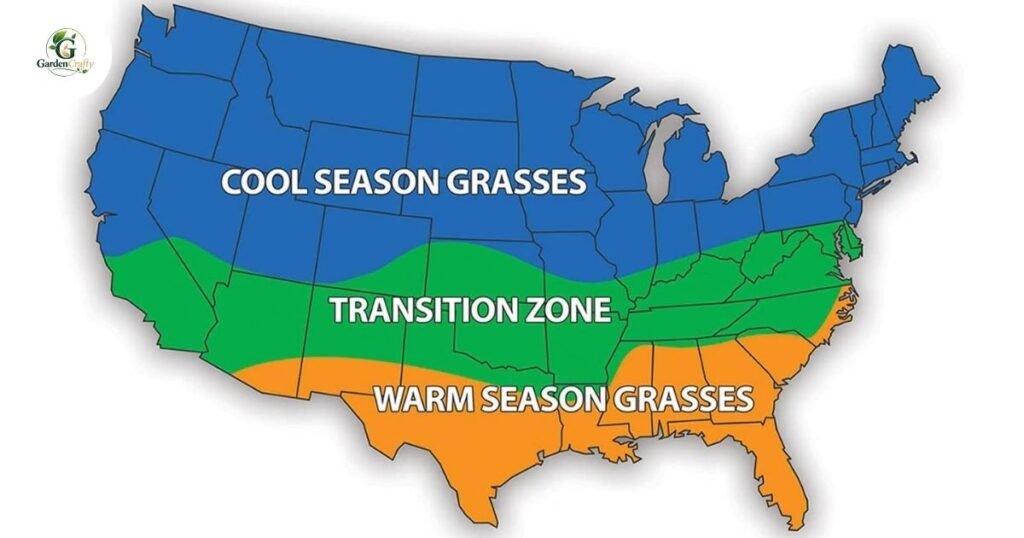
In contrast, warm-season grasses, like Bermuda and Zoysia, bask in the summer sun, thriving in the southern regions where temperatures consistently rise.
These grasses grow vigorously in warmer months and are often drought-resistant, making them ideal for lawns that experience intense heat. Their deep-root systems allow them to endure dry spells, offering a lush, resilient landscape even in challenging climates.
The transition zone, where cool-season and warm-season grasses mingle, presents unique challenges and opportunities. Homeowners in this region can opt for a blend, capitalizing on the strengths of both grass types.
Not only does this create a dynamic landscape, but it also allows for lawn resilience, capable of adapting to fluctuating temperatures. By understanding the nuances of each grass type, homeowners can cultivate a thriving, beautiful yard that stands up to the whims of nature.
Cool-Season Grass Zones
Cool-season grass zones, primarily found in the northern regions, thrive when temperatures dip, making them perfect for areas experiencing cold winters. These grasses, such as fescue, bluegrass, and ryegrass, are uniquely adapted to flourish during the cooler months, transitioning from a dormant state in the heat of summer.
Their peak growth occurs in spring and fall, which means homeowners and landscapers can enjoy lush greenery while their southern counterparts are battling heat stress.
Warm-Season Grass Zones
In the realm of warm-season grasses, understanding your specific zone can significantly enhance your lawn care strategy. Regions like the southern United States are blessed with natural warmth, making them ideal for vibrant varieties such as Bermuda and Zoysia.
These grasses thrive during the hottest months, growing lush and green while other cool-season varieties slow down or go dormant. Interestingly, even within warm-season zones, microclimates can shape grass performance, influenced by factors such as shade from trees, soil type, and moisture levels.
The Transition Zone
In the realm of warm-season grasses, understanding your specific zone can significantly enhance your lawn care strategy. Regions like the southern United States are blessed with natural warmth, making them ideal for vibrant varieties such as Bermuda and Zoysia.
These grasses thrive during the hottest months, growing lush and green while other cool-season varieties slow down or go dormant.
Interestingly, even within warm-season zones, microclimates can shape grass performance, influenced by factors such as shade from trees, soil type, and moisture levels.
The Transition Zone is where worlds collide, a space that embodies both challenge and opportunity. Here, two distinct ecosystems meet, creating a rich tapestry of biodiversity that thrives on the cusp of two environments.
This area, whether it be the edge of a forest blending into a grassland or the shoreline separating land from ocean, serves as a critical habitat. It shelters unique flora and fauna that may not exist elsewhere, demonstrating nature’s resilience and adaptability.
How Grass Handles Microclimates
Grass thrives in various microclimates, showcasing its remarkable adaptability. From shaded areas under tall trees to sun-soaked patches on a hillside, grass species adjust to local conditions by altering root depth, nutrient uptake, and water retention strategies.
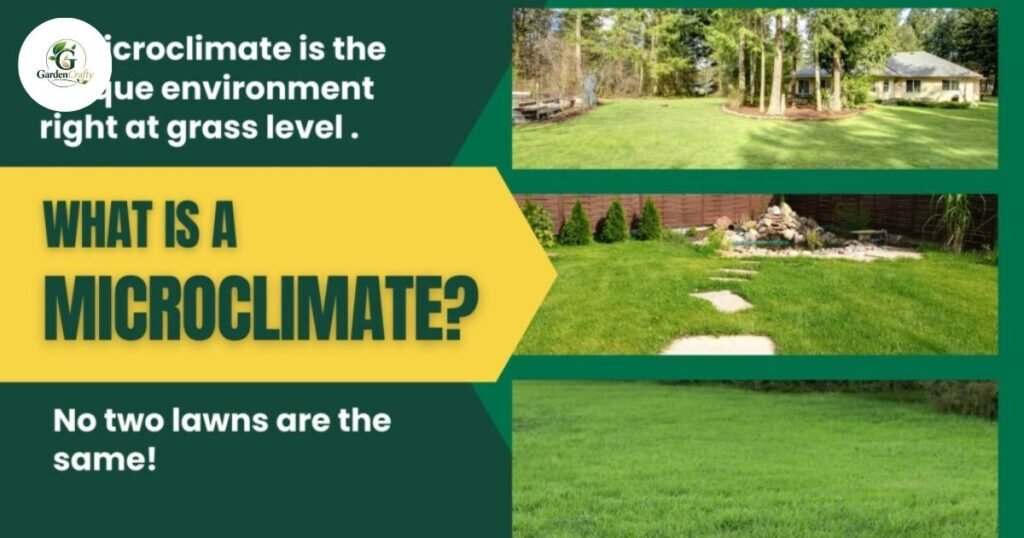
For instance, in cooler, moist microclimates, grasses often develop deeper root systems to tap into consistent moisture, enabling them to flourish where other plants might struggle.
Important Considerations Before Buying Grass Seed
When selecting grass seed, understanding your local climate is paramount. Different grass varieties thrive in specific temperatures and moisture levels.
For instance, cool-season grasses like Kentucky bluegrass flourish in northern regions, while warm-season varieties such as Bermuda grass are optimal for southern climates.
By choosing the right type based on your geographical zone, you can ensure a vibrant and resilient lawn that withstands seasonal changes.
What Do You Want Your Lawn to Look Like?
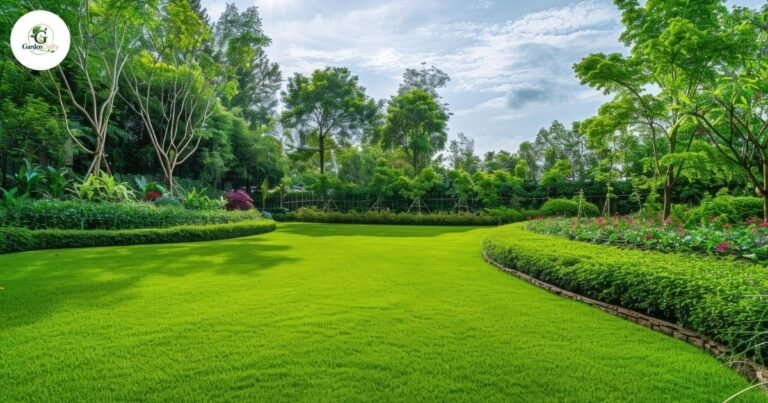
Imagine stepping outside your door to a vibrant oasis, where lush greenery meets meticulously curated flower beds that reflect your personal style. A well-designed lawn goes beyond mere aesthetics; it’s an extension of your home and lifestyle.
Considering the ambiance you want to create, do you envision a tranquil retreat with tall grasses swaying gently in the breeze, or a lively family space filled with bright blooms and playful zones for children and pets?
As you contemplate your ideal lawn, think about how different elements can serve practical purposes while still enhancing beauty. For instance, incorporating native plants not only adds color but also supports local wildlife, creating a dynamic ecosystem right in your backyard.
Elevating your vision further, consider seasonal changes planting for year-round interest ensures that your lawn remains a stunning spectacle through all four seasons, fostering an ever-evolving relationship with nature that invigorates your space and spirit.
How Much Time and Money Can You Spend?
Determining how much time and money you can allocate to a project or endeavor requires a delicate balance of assessment and prioritization. Instead of merely looking at your budget or calendar, consider what brings you joy or fulfillment.
Reflecting on your values can often lead to surprising insights about where you might want to reallocate your resources. For instance, investing in experiences rather than material goods can yield greater long-term satisfaction and memorable moments.
Know Your Growing Conditions
Understanding your unique growing conditions can significantly impact the success of your plants. Each garden is a microclimate, influenced by factors such as sunlight exposure, soil type, and humidity levels.
For instance, if your garden experiences prolonged periods of shade, consider choosing shade-tolerant plants that thrive in lower light conditions this can lead to a flourishing space that might otherwise struggle if planted with sun-hungry species .
How Will You Use Your Lawn?
Imagine your lawn as an extension of your living space, a canvas waiting to be painted with possibility. Beyond just a patch of grass, it can transform into an outdoor sanctuary, a vibrant gathering spot, or even a personal food source.
By integrating elements like raised garden beds or cozy fire pits, you can blend aesthetics and utility, creating a multifunctional area that adapts to your lifestyle. Consider innovative uses that elevate your lawn experience. How about designating a corner for mindfulness, complete with a meditation nook or yoga space surrounded by flora?
Or, if you’re an entertainer at heart, imagine incorporating outdoor games or movie nights under the stars, turning your lawn into a social haven. The way you choose to use your lawn reflects your values and passions, inviting not only recreation but also connection with nature and community.
The Turfgrass Zone
The Turfgrass Zone embodies more than just a patch of green; it represents a dynamic ecosystem that plays a crucial role in our environment. As an intricate blend of soil biology, climate, and human interaction, this zone showcases the remarkable adaptability of various turfgrass species.
For instance, Zoysia grass thrives in warmer climates while being remarkably drought-resistant, making it a sustainable choice for eco-conscious homeowners.
Recent trends highlight the connection between well-maintained turf and mental well-being. Studies suggest that spending time in natural settings, including well-kept lawns, can reduce stress levels and boost happiness.
Therefore, investing in high-quality turfgrass not only enhances aesthetic appeal but also contributes to a healthier lifestyle. Educating ourselves on the specific needs of local turf varieties can lead to more sustainable lawn care practices, fostering a harmonious relationship between our environments and our well-being.
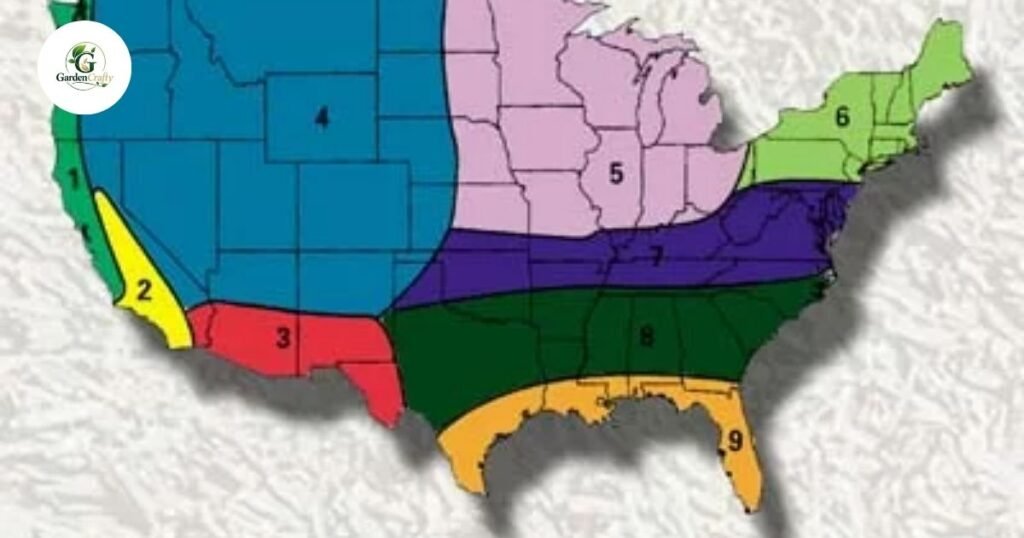
Zone 1: The Coastal West
This zone has mild temperatures and steady rainfall.
Cool-season grasses grow well here.
Good drainage is important.
Zone 2: The Western Transitional Zone
Temperatures vary by elevation.
Both grass types may work.
Local conditions matter more than maps.
Zone 3: The Arid Southwest
This region is hot and dry.
Water is limited.
Warm-season grasses perform best.
Drought tolerance is critical.
Zone 4: The Intermountain West
Winters are cold.
Summers are warm.
Cold-tolerant grasses are common.
Zone 5: The Midwest
This zone has four seasons.
Winters are cold.
Summers are warm.
Cool-season grasses are widely used.
Zone 6: New England and the Northeast
Long winters are common.
Snow and frost affect lawns.
Spring and fall drive most growth.
Zone 7: The Eastern Transitional Zone
This is a classic transition zone.
Both heat and cold stress lawns.
Grass choice here makes a big difference.
Zone 8: The Central Southeast
Temperatures stay warm most of the year.
Humidity is high.
Warm-season grasses grow best.
Zone 9: The Gulf Coast, Florida, and Hawaii
This zone stays warm year-round.
Grass grows fast.
Frequent mowing is needed.
Common Grass Types Used in Each Zone
When considering grass types, it’s essential to understand the unique climate and soil conditions of each USDA hardiness zone. In the cool-season zones such as the northern regions Kentucky bluegrass reigns supreme.
| Grass Zone | Cool-Season Grasses | Warm-Season Grasses | Notes |
| Zone 1 (Coastal West) | Kentucky Bluegrass, Tall Fescue, Perennial Ryegrass | — | Mild climate; good drainage is important |
| Zone 2 (Western Transitional) | Tall Fescue, Perennial Ryegrass | Bermudagrass, Zoysiagrass | Both cool- and warm-season options can work |
| Zone 3 (Arid Southwest) | Tall Fescue in cooler areas | Bermudagrass, Zoysiagrass | Hot and dry; drought tolerance is important |
| Zone 4 (Intermountain West) | Kentucky Bluegrass, Tall Fescue, Perennial Ryegrass | — | Cold winters and dry conditions |
| Zone 5 (Midwest) | Kentucky Bluegrass, Tall Fescue, Perennial Ryegrass | — | Large seasonal temperature changes |
| Zone 6 (New England & Northeast) | Kentucky Bluegrass, Tall Fescue, Perennial Ryegrass | — | Cold winters; cool-season grasses perform best |
| Zone 7 (Eastern Transitional) | Tall Fescue, Kentucky Bluegrass | Zoysiagrass, Bermudagrass | Careful grass selection is needed due to heat and cold |
| Zone 8 (Central Southeast) | Tall Fescue in cooler areas | Bermudagrass, Zoysiagrass, St. Augustinegrass | Hot summers and mild winters |
| Zone 9 (Gulf Coast, Florida & Hawaii) | — | St. Augustinegrass, Zoysiagrass, Bermudagrass | Warm climate; heat and humidity tolerance are important |
Common Cool-Season Grass Types
- When considering common cool-season grass types, Kentucky bluegrass stands out for its lush, vibrant appearance. Known for its rich color and resilience, it creates a thick carpet-like lawn that thrives in northern climates.
- Its slow germination can be a drawback for those eager for quick results; blending it with quicker germinating species like perennial ryegrass can effectively bridge that gap, providing both instant cover and long-term beauty.
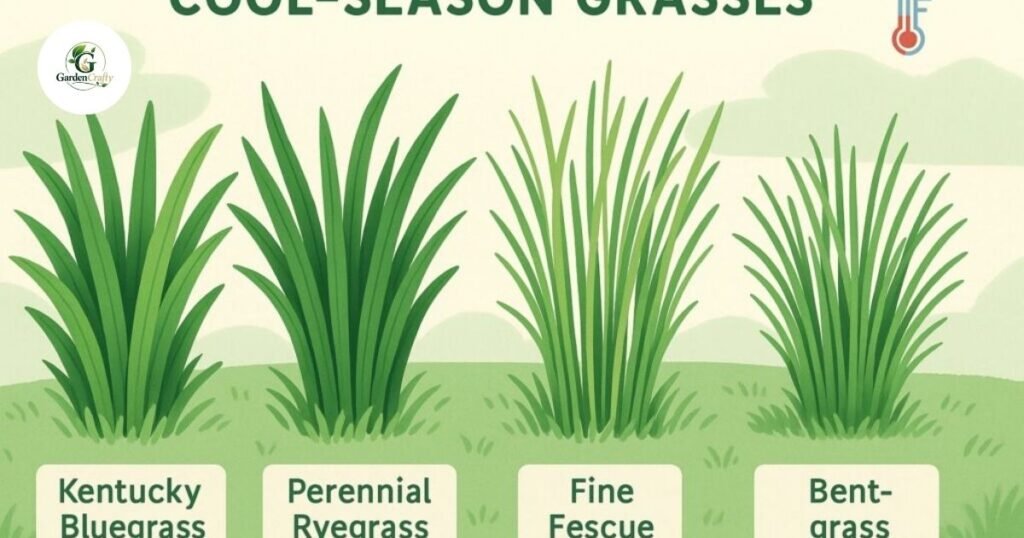
- Another contender is tall fescue, which has gained popularity for its adaptability. This grass type boasts a deep root system, making it exceptionally drought-resistant and heat-tolerant, ideal for regions with fluctuating temperatures.
- Often overlooked is its tolerance to wear and tear, making it suitable for high-traffic areas like sports fields and backyards. Its unique clumping growth habit not only helps in maintaining density but also reduces the mowing frequency, catering to the modern homeowner’s desire for low-maintenance landscaping.
Common Warm-Season Grass Types
Warm-season grasses thrive in the balmy days of summer, showcasing resilience and vibrant green hues when temperatures soar. Among these, Bermuda grass stands out for its rapid growth and exceptional wear tolerance, making it a favored choice for busy lawns and athletic fields.
Its ability to recover quickly from damage, combined with a dense growth habit, means that it can handle heavy foot traffic while maintaining a lush, carpet-like appearance.
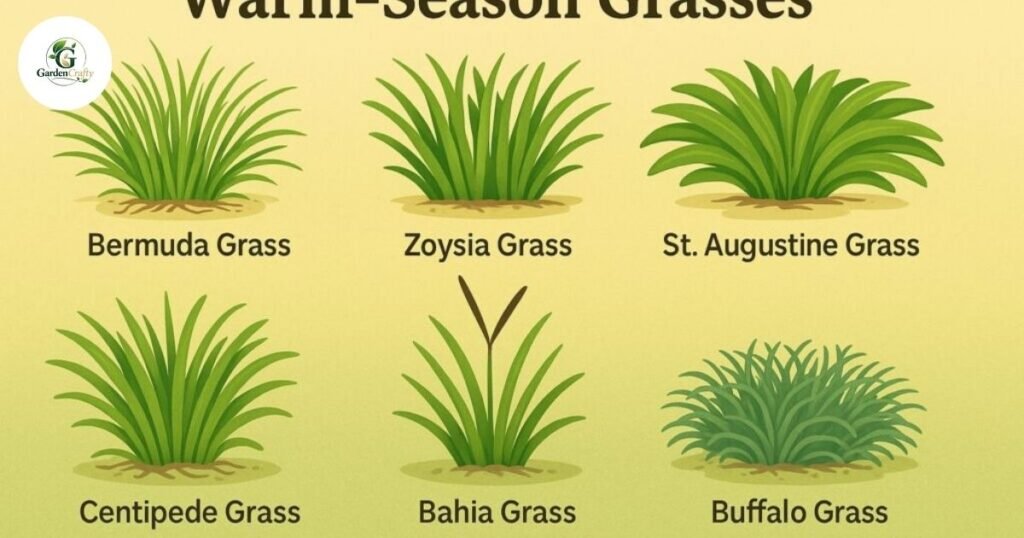
Zoysia grass, on the other hand, offers a different set of benefits. Known for its shade tolerance and drought resistance, zoysia is perfect for lawns that need to thrive in varied light conditions. It grows slowly initially but develops a robust root system, enhancing its resilience against heat and drought.
Tall Fescue, while technically a cool-season grass, shines as a transitional option for warm climates. Its deep roots allow it to endure droughts, providing a lush green lawn year-round.
With the rise of climate variability, Tall Fescue’s adaptability is becoming more appealing to homeowners who want to ensure their lawns remain resilient through fluctuating weather conditions a testament to its versatility in a changing environment.
Grasses Often Used in the Transition Zone
The Transition Zone, where humid subtropical and humid continental climates meet, offers a unique challenge for grass enthusiasts. Fescue, particularly tall fescue, has gained popularity due to its adaptability and drought tolerance, making it a staple in many lawns.
The deep roots of fescue allow it to thrive in varying soil conditions and withstand the heat of summer without losing its lush green color, presenting a resilient option for homeowners seeking low-maintenance landscapes.
Bermudagrass also shines in the Transition Zone, especially for those seeking vibrant, active outdoor spaces. This warm-season grass is ideal for lawns, sports fields, and golf courses due to its ability to recover quickly from wear and tear.
It does require attentive management and may need overseeding with more winter-hardy varieties to ensure year-round appeal, highlighting a thoughtful balance between seasonal beauty and resilience.
The key lies in understanding the specific microclimates within your yard and choosing the right grass types to create a thriving, dynamic environment that reflects the ebb and flow of nature itself.
Quick Examples by State
In California, sustainability shines through the innovative use of urban gardens, which transform city landscapes into lush ecosystems. These green patches not only promote biodiversity but also foster community engagement as residents band together to cultivate fresh produce.
This model highlights how local initiatives can significantly impact urban life, turning concrete jungles into thriving, edible landscapes.
How to Find Your Grass Zone
Finding your grass zone is all about discovering that unique space where your passions and skills intersect, promoting both personal fulfillment and growth. To begin, reflect on what activities make you lose track of time.
This could be anything from coding and painting to gardening or networking. Engaging deeply in these activities often leads to a state of flow, where your productivity soars and satisfaction peaks.
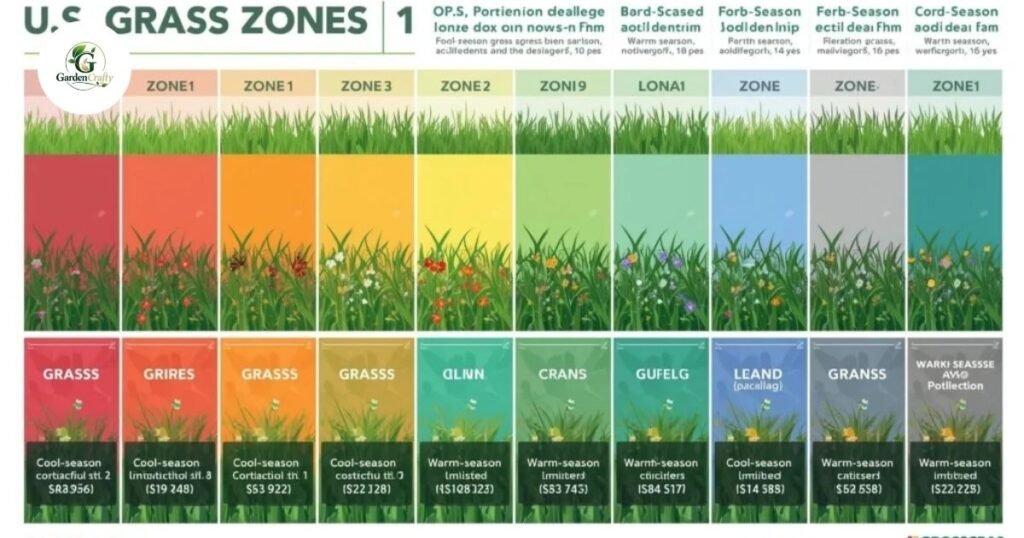
Next, consider your environment both physical and social. Are you surrounded by supportive colleagues and friends who challenge you positively, or do you find yourself in a space that stifles creativity?
Creating a conducive environment tailored to your interests can significantly enhance your ability to thrive. Join groups or communities that resonate with your grass zone; connections with like-minded individuals can ignite inspiration and motivate you to pursue your passions more vigorously.
Local Conditions That Can Change Your Grass Zone
- Local conditions play a pivotal role in determining your grass zone, often overriding the general guidelines provided by hardiness zones. For instance, microclimates created by neighboring structures or varying topography can significantly influence temperature and moisture levels.
- A home situated on a south-facing slope may experience more sunlight and warmth than one in a shaded valley, allowing for a wider variety of grass types that might otherwise be deemed unsuitable for the region.
- Soil characteristics, influenced by nearby water bodies or urban infrastructure, can also shift the balance. For instance, clay-heavy soil can retain moisture but may become compacted, affecting root growth and drainage.
- Sandy soils, while well-draining, can dry out quickly, necessitating specific grass types that thrive under such conditions. Understanding these nuances not only enhances your lawn’s resilience but also contributes to sustainable landscaping practices, transforming your outdoor space into a thriving ecosystem uniquely adapted to its environment.
Grass Zone Maps and Resources
Grass Zone Maps are essential tools for anyone interested in understanding the distribution and adaptability of various grass species across different climates and regions.
By visually representing data on soil types, precipitation patterns, and temperature ranges, these maps enable land managers, agronomists, and environmental enthusiasts to make informed decisions about pasture management and ecological restoration.
The nuanced insights offered by these resources help in tailoring land use strategies that are sustainable and ecologically sound, minimizing the risks of overgrazing and promoting biodiversity.
USDA Plant Hardiness Map
The USDA Plant Hardiness Map is more than just a tool for gardeners; it’s a gateway to understanding your landscape’s potential and limitations. By categorizing regions into specific hardiness zones based on average annual minimum temperatures, the map empowers both novice and seasoned horticulturists to make informed choices about plant selection.
Beyond the straightforward temperature guidelines, the map can inspire creativity, encouraging gardeners to experiment with microclimate areas that can be warmer or cooler depending on local geography or structures maximizing their plant diversity.
AHS Heat-Zone Map
The AHS Heat-Zone Map serves as a pioneering tool in understanding plant resilience against climate variability, offering gardeners and horticulturists a dynamic way to select the right plants for their environment.
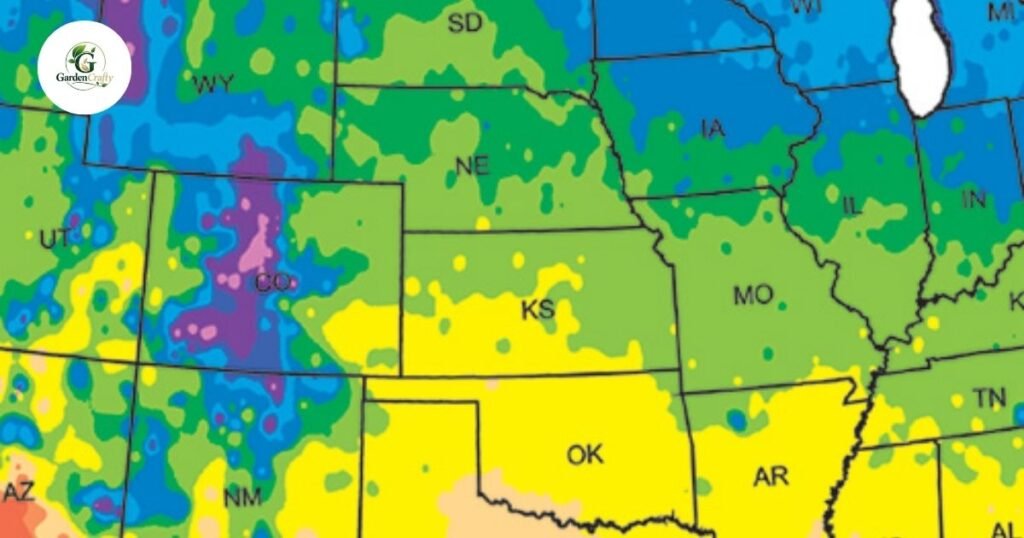
By identifying zones defined by high temperatures, this resource goes beyond traditional hardiness maps, which focus primarily on cold tolerance. For instance, knowing your specific heat zone allows you to choose plants that thrive under intense summer sun, ensuring a vibrant, sustainable garden even during the hottest months.
How to Use These Maps Together
When integrating multiple maps, synergy can unlock a deeper understanding of your surroundings. Considering overlaying demographic maps with transportation grids this combination reveals not only where populations concentrate but also how mobility impacts access to resources.
For instance, a community with robust public transport links can thrive economically, even if it sits in an area with lower-than-average income. Visualizing these layers together can spur insightful discussions about urban planning and social equity.
Grass Seeding and Fertilization
Grass seeding and fertilization are not merely tasks but foundational elements that set the stage for a vibrant lawn. When selecting grass seed, consider local climate and soil type; native grasses often thrive better as they are adapted to regional conditions. Mixing different seed varieties can create a more resilient lawn, capable of withstanding pests and diseases.
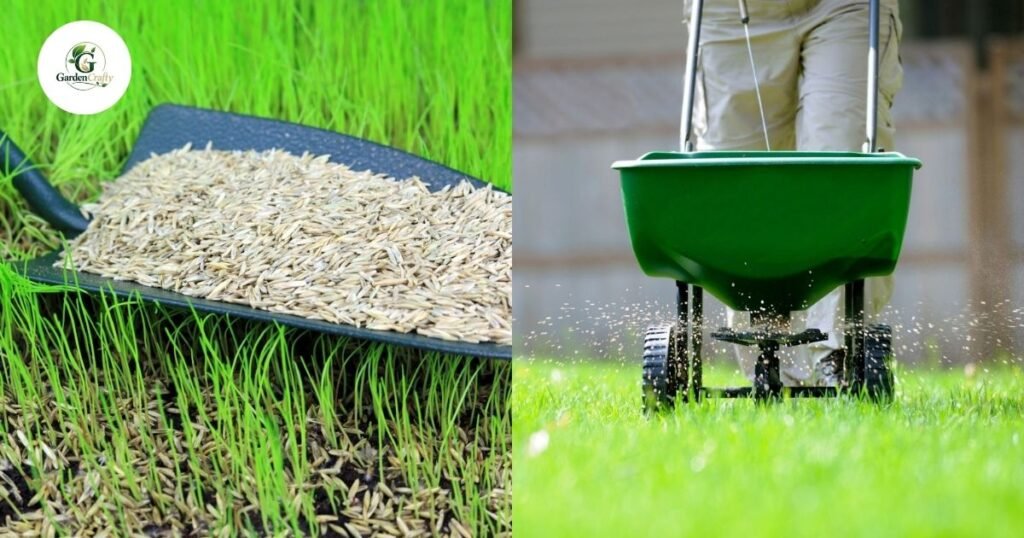
Fertilization is equally critical, but timing is key. Early spring is often touted as the best time for a nitrogen-rich fertilizer, while a balanced, slow-release formula in the fall can bolster root growth. Remember, less is often more; over-fertilization can lead to nutrient runoff, harming local ecosystems.
Incorporating organic compost not only nourishes the soil but improves its structure, promoting better water retention. By approaching grass seeding and fertilization with thoughtfulness and strategy, you’re not just cultivating a lawn but fostering a sustainable environment.
Seasonal Lawn Care by Grass Type
| Season | Cool-Season Grass | Warm-Season Grass | Notes |
| Spring | Light fertilization and regular mowing | Begin active watering and mowing as growth increases | Monitor growth and adjust care based on weather |
| Summer | Deep, infrequent watering during heat stress | Frequent mowing and regular watering | Watch for drought and heat stress |
| Fall | Seed, fertilize, and repair bare patches | Reduce fertilization and prepare for dormancy | Best season for planting cool-season grass |
| Winter | Avoid heavy traffic and unnecessary mowing | Minimal care while dormant | Protect grass from frost and excessive foot traffic |
Fall Lawn Care
Fall is also an optimal time to adjust your lawn’s nutrition. Applying a slow-release fertilizer late in the season fortifies the grass for winter dormancy, ensuring it has ample nutrients to draw upon as it awakens in spring. Consider adding organic compost; it enriches the soil with essential microorganisms, promoting a vibrant ecosystem beneath the surface.
Don’t forget to adjust your mowing height. Keeping your grass slightly longer as temperatures dip can provide extra insulation against frost, preventing damage and setting the stage for a resilient, healthy lawn come next year.
Winter Lawn Care
Winter lawn care is often overlooked, yet it’s crucial for a thriving lawn come spring. While many homeowners might think their plants and grass are dormant, winter actually presents an opportunity to prepare for a robust growing season.
One effective strategy is to focus on soil health consider a soil test to determine pH levels and nutrient deficiencies. Amending your soil with organic matter or specific fertilizers can set the stage for a vibrant lawn when warmer weather arrives.
Spring Lawn Care
As the frost melts away and the first tender shoots of grass appear, spring presents an opportune moment to rejuvenate your lawn. One innovative approach this season is to embrace soil health, focusing on aeration and microbial activity.
Instead of simply mowing, consider investing in a core aerator to relieve soil compaction, allowing nutrients and water to penetrate deeper. This not only supports grass growth but also enhances the biodiversity of beneficial microorganisms, creating a thriving ecosystem beneath the surface.
Summer Lawn Care
Pest management during summer also warrants attention, as grubs and other insects can swiftly wreak havoc on your landscape. Organic options like beneficial nematodes can help maintain ecological balance while effectively controlling infestations.
Don’t underestimate the power of regular mowing not just for aesthetics but to promote health. Keeping your mower blades sharp and adjusting the height to leave grass longer can provide natural shade to the soil, minimizing evaporation and slowing weed growth.
Embrace these practices, and you’ll not only sustain a vibrant lawn but also cultivate an eco-friendly haven that thrives through the heat.
If You Want a Quick Answer
In a world inundated with information, the allure of quick answers can be tempting, but they often come with caveats. Instant solutions can overshadow deeper understanding, reducing complex issues to mere sound bites.
The craving for immediate satisfaction may lead us to miss the nuanced layers of a topic, fostering a superficial grasp. Consider how rushed decisions in life whether in relationships, finances, or career paths can lead to regrettable outcomes.
Choosing the Best Grass Type for Your Region
Lawn thatch is a layer of dead grass, roots, and organic material that builds up between the soil and healthy grass blades. A thin layer can be beneficial, but too much thatch can block water, air, and nutrients from reaching the roots. Regular lawn care practices, such as proper mowing and aeration, can help keep thatch under control.
Lawn Damage from Dogs and How to Protect It can help homeowners understand common problems like urine spots, digging, and worn-out grass caused by pets.
What Does Bermuda Grass Look Like? Bermuda grass has fine, narrow blades and grows densely to create a thick, carpet-like lawn. Its color ranges from light to dark green, and it spreads quickly through above-ground runners and underground roots.
Lawn aeration helps improve soil by creating small holes that allow air, water, and nutrients to reach the grass roots more easily. It can reduce soil compaction and encourage deeper, healthier root growth, resulting in a stronger and greener lawn.
Conclusion
Selecting the right grass variety for your region is crucial for achieving a lush and healthy lawn. Understanding the specific grass zones in the U.S. allows homeowners to make informed decisions based on climate, sunlight, and soil conditions.
Whether you’re in a cool or warm season zone, matching your grass choice to your environment can save time, resources, and maintenance effort.
Remember, the right grass not only enhances curb appeal but also supports local ecosystems.
FAQs
What Are Grass Zones?
Grass zones are specific areas characterized by dominant grass species, often influenced by climate, soil type, and land management practices. These zones play a crucial role in ecosystems, supporting biodiversity and providing essential services like erosion control and carbon sequestration.
Are Grass Zones the Same as USDA Zones?
No, Grass Zones and USDA Zones are not the same. Grass Zones specifically relate to the adaptability of different grass types based on regional climate, while USDA Zones categorize areas based on winter minimum temperatures to assist in overall plant hardiness.
What Grass Grows Best in the Transition Zone?
The best grasses for the Transition Zone include tall fescue, which thrives in various conditions and offers drought resistance, and zoysiagrass, known for its heat tolerance and durability. These varieties can adapt well to the fluctuating temperatures typical of this region.
Why Does Grass Fail Even in the Right Zone?
Grass can fail even in the right zone due to improper soil conditions, such as compaction, poor drainage, or nutrient deficiencies. Factors like inadequate sunlight, excessive shade, or pests and diseases can hinder growth despite the ideal climate.