What Does Yard Cleanup Include? Complete Homeowner Guide
You’re not alone; many homeowners struggle to keep their outdoor spaces looking their best. This article will break down what Does yard cleanup includes, offering practical tips and insights for every season.
With this guide, you’ll learn how to effectively manage your yard and enjoy a beautiful landscape all year round.
What Is a Yard Cleanup?
Yard cleanup is the essential process of restoring and revitalizing your outdoor space, especially after the long winter months. As spring approaches and fall arrives, it becomes imperative to clear away debris, fallen branches, dead leaves, and unwanted weeds to enhance not only the beauty of your yard but also its functionality.
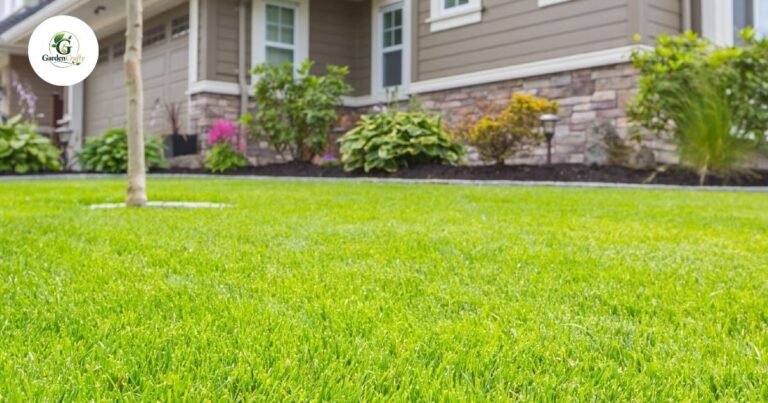
A clean yard can significantly impact the aesthetic appeal of your home, making it more inviting to guests and potential buyers alike.
Preparing your yard before selling a home is not just about aesthetics; it’s about presenting a well-maintained environment that allows buyers to envision their future. When prospective buyers see a yard that has been properly cleaned and maintained, they are more likely to feel confident in their investment.
Yard cleanup is often the unsung hero in maintaining a home’s curb appeal and overall aesthetic. Especially after storms, when the landscape may look like a war zone, it’s essential to assess the aftermath. Fallen branches, scattered debris, and overgrown vegetation can transform a once inviting space into an unkempt wilderness.
Why Seasonal Yard Cleanup Is Important
Lawns are kept healthy all year long by seasonal cleanup.
Seasonal yard cleanup serves as a critical proactive measure to enhance the health and aesthetics of your outdoor space. By diligently removing fallen leaves, branches, and other debris, you significantly reduce the chances of pests finding refuge in your yard.
When organic refuse is left to linger, it creates a breeding ground for fungi and bacteria that can severely hinder grass growth. A well-maintained yard allows the soil to breathe, promotes better water drainage, and provides an optimal environment for your grass to flourish. Investing time in seasonal cleanup not only beautifies your property but also fortifies it against the challenges of nature.
Seasonal yard cleanup is a vital practice that goes beyond mere aesthetics; it plays a crucial role in protecting plants before the weather changes. As temperatures shift, fallen leaves, debris, and weeds can harbor pests and diseases that threaten the health of your garden.
Clearing out clogged gutters and matted grass allows water to flow freely, preventing erosion and promoting deep root growth. This attention to detail makes a significant difference in how your landscape withstands seasonal weather extremes, giving you peace of mind as the seasons evolve. Embracing yard cleanup as a seasonal ritual not only nurtures your plants but also elevates your outdoor space, creating a welcoming haven throughout the year.
When to Clean Up Your Yard
There are two primary seasons when most homeowners tidy their yards.
Spring Cleanup
Winter-related harm is eliminated by spring cleanup.
Spring cleanup is not just about tidying up; it’s a restorative practice that breathes new life into your outdoor space. As you step outside, the first task is removing dead leaves and branches that have accumulated over the winter. This debris can trap moisture and foster mold, hindering the growth of your garden. Not only does clearing this clutter enhance your landscape’s aesthetic appeal, but it also prepares the soil for new growth.
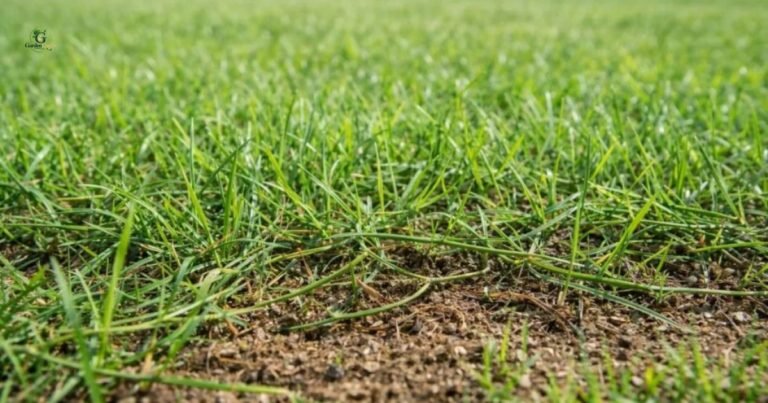
After addressing these remnants of winter, the next step is repairing lawn damage from harsh weather. Inspecting your yard for patches of browning or bare areas is crucial. These spots can be reshaped and revitalized through reseeding, which fills in those gaps and promotes a lush, green tapestry come summer.
Fall Cleanup
Cleaning up in the fall gets the yard ready for the winter.
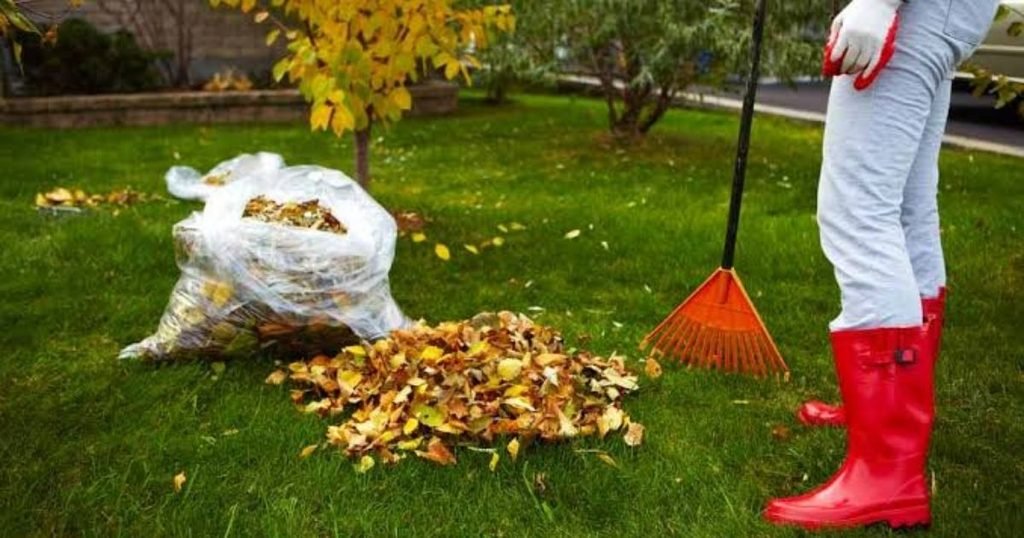
As the vibrant hues of autumn paint the landscape, it’s time to embrace fall cleanup, a crucial yet often overlooked aspect of garden maintenance. Heavy leaf removal not only keeps your yard looking tidy but also prevents smothering your turf and perennials underneath a thick blanket of foliage.
Utilizing a leaf blower or a mulcher can not only save time but also recycle nutrients back into the soil, creating a rich foundation for next season’s growth. Cutting back plants is another essential task during this transitional period.
By pruning perennials and trimming away dead or overgrown branches, you not only encourage new growth in the spring but also enhance air circulation, reducing the risk of diseases that linger in winter’s chill.Setting your mower blades slightly lower will help to deter fungal growth and prepare your grass for dormancy.
What Does Yard Cleanup Include?
To help homeowners realize exactly what needs to be done, a thorough yard cleanup typically involves work in multiple outside locations.
Remove Yard Debris
The first step is this.
Yard debris, such as fallen leaves, sticks, and branches, can quickly transform a picturesque garden into a cluttered landscape. Beyond merely aesthetic concerns, neglecting to address this build-up can hinder the health of your plants.
Dead plants and accumulated debris create a cozy habitat for pests and diseases, which can easily invade your thriving greens. Clearing out these remnants not only revitalizes your outdoor space but also fosters a healthier ecosystem.
Consider the transformative power of composting fallen leaves and dead plants. Instead of sending them to the landfill, you can enrich your soil with organic matter, leading to lush growth in your garden beds.
What Does Yard Cleanup Include?
Simple Breakdown: Leaf removal, grass cutting, plant pruning, and rubbish removal are all part of a basic yard cleanup. Depending on the state of the grass, a thorough cleanup may also involve mulching, aeration, fertilizer, and reseeding.
Pruning Trees and Shrubs
To get rid of damaged or overgrown sections, trees and shrubs are trimmed.
Pruning trees and shrubs is more than just an aesthetic choice; it’s a vital practice for fostering healthy plant growth. By selectively removing dead or overgrown branches, you not only enhance the overall structure of your plants but also create openings that allow for better sunlight exposure. This light penetration is crucial for photosynthesis, promoting lush foliage and vibrant blooms in the warmer months.
Embracing pruning as a regular part of yard maintenance empowers you to shape your garden, keeping it not just healthy but also a stunning visual centerpiece year-round. Whether you’re aiming for height, fullness, or simply a tidier look, thoughtful pruning opens doors to possibilities you might have never considered.
Lawn Maintenance
Main components of yard cleanup is lawn maintenance.
Maintaining a pristine lawn goes beyond merely mowing grass; it involves a holistic approach that elevates your outdoor space. Regular mowing not only keeps the grass at an optimal height for health but also stimulates growth, leading to a lush, vibrant carpet of green.
Pair this with precise edging along walkways, and you can create a sharp, well-defined border that enhances the visual appeal of your garden. The neat lines not only give your yard a polished look but also prevent grass from encroaching on pathways, maintaining clarity in your landscaping.
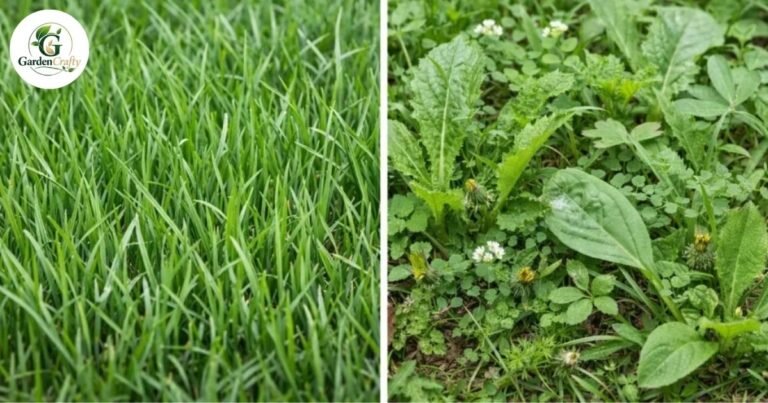
Equally important is the task of removing weeds, which can quickly become an eyesore and compete with your grass for essential nutrients. Embracing organic weed control methods not only safeguards soil health but can also promote biodiversity in your garden.
Consider mulching around flower beds and pathways to both suppress weeds and retain moisture, creating a thriving ecosystem.
Garden Bed Cleanup
Weeds and dead matter are gathered by flower and garden beds.
Garden bed cleanup is a crucial ritual that many gardeners overlook, but it can set the stage for a thriving spring season. Start by removing weeds that have taken hold during the cold months. These persistent intruders compete for nutrients and water, stifling the growth of cherished plants.
Next, consider the impact of clearing old mulch. While it serves as an insulator and moisture-retainer, old mulch can harbor pests and diseases if left unchecked. Replacing it with fresh material not only rejuvenates the soil but also provides a welcoming environment for beneficial organisms. Don’t forget to remove dead flowers. Those faded blooms can take away from a vibrant garden’s allure.
Lawn Aeration and Fertilization
Lawn aeration and fertilization play a pivotal role in revitalizing yards subjected to heavy use and seasonal stress. Aeration creates tiny holes in the soil, allowing essential nutrients, water, and air to penetrate deeper, promoting healthier root systems.
This process is especially crucial for lawns that endure frequent foot traffic, as compacted soil inhibits growth and restricts access to vital resources.
Following aeration, proper fertilization becomes a game-changer. By applying slow-release fertilizers, homeowners can provide a steady supply of nutrients that cater to the lawn’s specific needs throughout the growing season. This tailored approach not only fosters lush, vibrant grass but also enhances its resilience against pests and disease.
Reseeding or Adding Sod
After winter, high foot traffic, or neglect, bare patches of lawn may emerge.
To rejuvenating a tired lawn, the debate between reseeding and adding sod is often at the forefront. Reseeding is an art in itself spreading grass seed allows for a more gradual recovery, perfect for tidying up thin patches without disrupting the existing ecosystem.
Not only does this method foster a deeper-rooted lawn, but it also allows you to choose seed varieties that thrive in your specific climate, contributing to a more resilient and lush landscape.
Installing sod in damaged areas can deliver instant gratification. Nothing compares to the immediate transformation of rolling out fresh, green patches to replace unsightly bare spots. While sod requires a bit more initial investment, it provides a robust solution that establishes a lawn quickly.
Inspect Irrigation System
During cleanup, water systems are examined.
Regular inspections of your irrigation system can transform your garden from a patchy landscape into a flourishing oasis. Begin by conducting thorough sprinkler testing to ensure each unit distributes water evenly. Often overlooked, this step is crucial for identifying weak spots in your watering schedule and addressing areas that receive too much or too little moisture.
While testing, take the time to fix any leaks that may have developed over time. A small, unnoticed leak can waste gallons of water and lead to higher bills, not to mention the damage it can cause to your plants.
Adjusting spray direction is another key aspect of maintaining efficiency ensure that water hits only the intended areas, minimizing runoff and evaporation. By proactively managing these elements, you create a sustainable watering system that nurtures your plants while conserving resources.
Embrace routine checks as an opportunity to not only preserve your landscape but also to deepen your connection with nature. The more you understand your irrigation system, the better equipped you’ll be to make informed adjustments, leading to a thriving garden that meets both your aesthetic and ecological goals.
Mulch Installation
The look and health of a garden are enhanced by fresh mulch.
Mulch installation is a transformative practice that goes beyond mere aesthetics; it’s a strategic move for any gardener or landscaper. By applying a layer of organic or inorganic material, you create a protective barrier that plays a pivotal role in keeping soil moisture intact.
The retention of moisture not only nourishes your plants but also reduces the frequency of watering, making it an eco-friendly choice in times of increasing water scarcity.
A well-applied layer can significantly regulate soil temperature, fostering an ideal environment for roots to thrive, regardless of the season. As temperatures fluctuate, mulch protects the soil from extreme heat and cold, promoting a balanced ecosystem that enhances plant growth and resilience.
Embracing mulch installation is not just about upkeep; it’s an investment in the health and sustainability of your garden.
Clear Gutters and Hard Surfaces
Cleaning up the yard may involve more than just the grass.
Neglecting the maintenance of your outdoor spaces can lead to more than just aesthetic issues; it can create serious problems for your home. Clearing gutters is essential not only for effective water management but also for protecting your foundation from erosion. When leaves, debris, and moss accumulate, water can back up, potentially leading to roof damage and costly repairs.
Equally important are hard surfaces like patios and driveways, which can become slippery and unsightly when grime and algae build up.
Washing driveways and cleaning patios isn’t just about appearance; it also prevents long-term damage from the elements. A well-maintained surface allows for better traction and safety, enhancing outdoor enjoyment.
Dispose of Yard Waste Properly
It is necessary to remove all collected garbage.
Proper disposal of yard waste is not just a chore; it’s an opportunity to enhance the environment around us. By composting organic waste, you can tran
sform leaves, grass clippings, and small branches into rich fertilizer that nourishes your garden. This eco-friendly practice not only reduces landfill waste but also fosters a sustainable ecosystem right at your doorstep. Instead of merely hauling debris away, consider how those materials can contribute to the health of your soil.
Recycling yard material is another innovative approach that benefits both your garden and the planet. Many municipalities offer yard waste recycling programs that turn discarded materials into mulch or compost, keeping them out of landfills and conserving resources.
Engage your community by exploring local initiatives or establishing a neighborhood composting group, turning waste disposal into a collaborative effort.
Professional Yard Cleanup Process
Professional yard cleaning typically adheres to a precise, step-by-step procedure.
- Yard inspection to identify problem areas
- Removal of leaves, branches, and debris
- Lawn mowing and edging
- Garden bed cleanup and weed removal
- Pruning trees and shrubs
- Removal of dead plants and damaged branches
- Soil treatment such as aeration or fertilization
- Mulch replacement or fresh mulch application
- Cleanup of walkways, patios, and driveways
- Final lawn and landscape inspection
Safety Benefits of Yard Cleanu
Outdoor safety is also enhanced by routine yard cleanup.
Yard cleanup significantly enhances safety by transforming potentially hazardous areas into secure spaces for family and friends. Slippery walkways covered with wet leaves become a thing of the past when you regularly maintain your outdoor spaces.
These seemingly harmless remnants of storms may cause injury if someone trips or stumbles. Regularly removing yard waste not only mitigates this risk but also discourages pests from hiding in the debris.
Mosquitoes, rodents, and other unwanted critters often view these piles as perfect nesting spots; thus, a clean yard is not just aesthetically pleasing; it’s a crucial step in safeguarding your home and loved ones.
Cleanup for Overgrown or Neglected Yards
Rather than seasonal maintenance, some assets require thorough rehabilitation.
Transforming an overgrown or neglected yard can feel daunting, but it’s also an exciting opportunity to breathe new life into your outdoor space. Start by clearing large debris piles that have taken residence over the years. This not only cleans up the visual chaos, but also lays the groundwork for a healthier ecosystem.
As you restore damaged lawn areas, consider the soil beneath your feet. Aerating and fortifying compromised patches with rich compost can make a world of difference. This approach not only enhances the overall health of your lawn but will also bring a lush vibrancy back to your yard.
Yard Cleanup Tools and Equipment
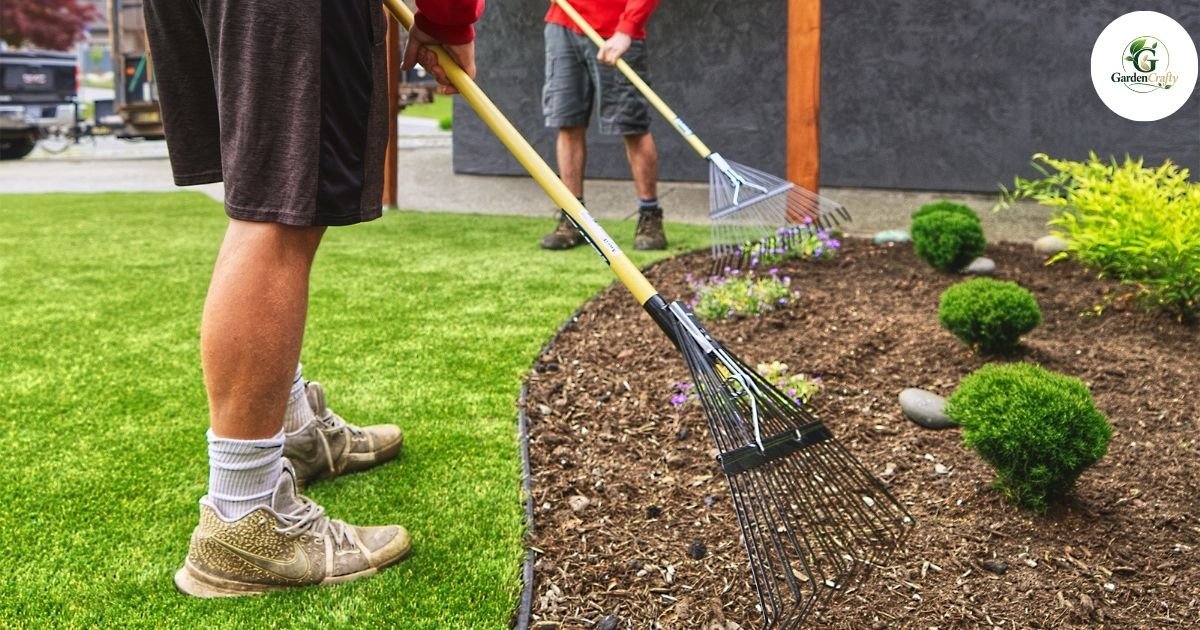
The right tools can transform the tedious task of tidying into a satisfying and efficient process. Leaf rakes, for example, are not just about gathering fallen leaves. Consider investing in a sturdy rake with a flexible head that can easily navigate tight spots, allowing you to gather debris without bending over excessively.
Lawn mowers, too, have evolved beyond mere grass-cutting machines. Modern models often come equipped with mulching capabilities that finely chop grass clippings, returning nutrients to your lawn while eliminating the need for bagging waste. High-tech options even feature self-propulsion and smart technology, making yard maintenance less of a chore and more of a joy.
Hedge trimmers are not just utilitarian tools; they come in various designs like battery-powered or corded varieties allowing you to sculpt your shrubs with precision and ease.
With ergonomic designs that fit comfortably in your hand, these shears allow for precision cuts that encourage healthy growth. Investing in a good pair can mean the difference between a thriving landscape and an overgrown jungle.
Blowers, on the other hand, are the unsung heroes of swift yard cleanup. Whether you’re clearing leaves from your driveway or prepping your garden for winter, a powerful blower can save time and energy. The latest models come with adjustable speeds, making it easy to tackle different debris types without damaging your plants or soil.
Among the sea of options, consider a model with a pivoting front wheel for enhanced maneuverability perfect for navigating tight corners and uneven terrain. Together, these tools form a dynamic trio that not only simplifies yard maintenance but also empowers you to take joy in the process of nurturing your outdoor space.
Why Proper Tools Matter During Yard Cleanup
Using the right tools speeds up work and lessens physical strain. Compared to simple domestic tools, professional equipment also enables deeper cleanup.
Basic Yard Cleanup vs Full Yard Cleanup
| Basic Cleanup | Full Yard Cleanup |
| Leaf removal | Tree trimming |
| Lawn mowing | Aeration |
| Weed removal | Overseeding |
| Light debris cleanup | Mulch installation |
| Bagging waste | Waste hauling |
| Lawn edging | Shrub and hedge pruning |
| Basic garden bed cleanup | Garden bed renovation |
| Removal of small branches | Removal of large branches |
| Light blowing of walkways | Complete property cleanup |
| Basic grass clipping clean | Soil improvement and fertilization |
What Yard Cleanup Usually Does NOT Include
| Service | Usually Included? |
| Tree Removal | No |
| Landscape Redesign | No |
| Fence or Structure Repair | No |
| Pest Control Treatment | No |
| Major Land Grading | No |
| Stump Grinding or Removal | No |
| Irrigation System Repair | No |
| Major Tree Pruning | No |
| Lawn Installation | No |
How Long Does Yard Cleanup Take?
The size and quality of the yard determine how long it takes.
When tackling yard cleanup, the size and condition of your space play a crucial role in determining the time commitment required. For a small yard, you can typically expect to invest around 2 to 4 hours. This manageable timeframe allows for a thorough tidy-up, leaving you with a sense of accomplishment and a beautiful outdoor space ready for relaxation or entertaining.
A medium yard may demand a half day of work. This time allows for not just raking and bagging leaves, but also trimming overgrown hedges and layering your garden with fresh mulch. Embracing these timeframes can empower you to approach yard work as a fulfilling project rather than a daunting chore.
Average Yard Cleanup Cost in the USA
| Yard Size | Average Cleanup Cost |
| Small Yard | $100–$250 |
| Medium Yard | $250–$500 |
| Large Yard | $500–$1,000+ |
| Very Large / Overgrown Yard | $1,000–$2,000+ |
Factors That Can Increase Cleanup Cost
- Overgrown grass and weeds
- Large amounts of leaves and debris
- Tree and shrub trimming
- Heavy branch removal
- Mulch installation
- Aeration or fertilization
- Waste hauling and disposal fees
- Difficult yard access
- Large or neglected properties
How Often Should Yard Cleanup Be Done?
Cleaning is beneficial for most yards at least twice a year.
Regular yard cleanup is essential to maintaining a healthy and vibrant outdoor space. A thorough spring cleanup after winter can jumpstart your garden’s growth, allowing you to assess any damage from frost and revitalizing plant life.
As the seasons shift, don’t overlook the importance of fall cleanup before cold weather sets in. Incorporating light seasonal maintenance, such as mulching and trimming, can help protect your garden and ease the transition into the colder months. By staying proactive and scheduling these pivotal cleanups, you create a robust foundation for your yard to thrive year-round.
DIY Yard Cleanup vs Professional Service
| Task | DIY Effort | Professional Result |
| Leaf removal | Moderate | Faster |
| Pruning | Difficult | Safer |
| Aeration | Hard | Efficient |
| Waste disposal | Time consuming | Included |
| Lawn mowing | Easy to Moderate | Faster and consistent |
| Weed removal | Moderate | More thorough |
| Mulch installation | Moderate | Even application |
| Tree trimming | Difficult | Safer and precise |
| Garden bed cleanup | Moderate | Cleaner finish |
| Debris removal | Time consuming | Quick removal |
When Do You Actually Need Yard Cleanup?
- Grass looks uneven or thin
- Leaves cover large areas
- Weeds spread quickly
- Yard looks neglected
- Pests appear outdoors
- Preparing property for sale
- Moving into a new home
- Grass clippings and debris build up
- Dead plants or branches are visible
- Garden beds become overgrown
- Trees and shrubs need trimming
- Heavy rain leaves mud or debris behind
Do You Need Yard Cleanup Right Now?
| Yard Condition | Recommended Cleanup |
| Light leaves or small debris | Basic Cleanup |
| Patchy or thinning grass | Seasonal Cleanup |
| Heavy weeds or overgrowth | Full Yard Cleanup |
| Preparing home for sale | Detailed Cleanup |
| Yard ignored for months | Deep Restoration Cleanup |
| Fallen branches after a storm | Debris Cleanup |
| Overgrown garden beds | Garden Bed Cleanup |
| Excessive grass clippings | Lawn Cleanup |
| Dead plants or branches | Pruning & Cleanup |
| Heavy leaf buildup in fall | Fall Cleanup |
More Ways to Improve Your Lawn
- 7 Best Types of Grass for Landscaping: a quick guide to top grass options like Bermuda, Zoysia, and Fescue, comparing their look, durability, and care needs to help you choose the best fit for your lawn.
- What Is Lawn Thatch? a simple guide to understanding why thatch builds up in your lawn and the best methods for removing or controlling it to keep your grass healthy and strong.
Conclusion
A thorough yard cleanup is essential for maintaining the beauty and functionality of your outdoor space. From removing debris and fallen leaves to trimming overgrown shrubs and flowers, each step contributes to a healthier ecosystem in your yard.
Taking the time to assess and clean your garden beds ensures that your plants have the best chance to thrive. Don’t forget about the importance of proper disposal practices, whether through composting or yard waste services.
Now is the perfect time to embark on your yard cleanup journey get started today and enjoy a revitalized outdoor area!
FAQs
Why is it good to clean the yard?
Regular yard maintenance contributes to environmental health. Removing weeds, debris, and trash helps support local wildlife and plant life, ensuring that ecosystems thrive. It also reduces pests and allergens, creating a safer and more enjoyable environment for you and your family.
What are the 5 principles of cleaning?
The five principles of cleaning can serve as a helpful framework for effective cleaning practices in various settings, from households to commercial spaces. The first principle is Preparation, which involves gathering the necessary tools and materials before starting to clean. The second principle, Product Selection, is about choosing the right cleaning agents for each specific task.
What are 10 benefits of cleaning?
Cleaning offers numerous benefits that can enhance both our physical environment and our mental well-being. First and foremost, a clean space promotes better health by reducing allergens, germs, and bacteria that thrive in cluttered environments.
What is the 20 minute rule of cleaning?
The 20-minute rule of cleaning is a practical time management strategy designed to make tidying up less overwhelming. The concept is simple: dedicate just 20 minutes a day to cleaning and organizing specific areas in your home.
What is a fun fact about cleaning?
One fun fact about cleaning is that the scent of certain cleaning products can trigger memories and emotions. Research shows that our sense of smell is closely linked to the brain’s emotional center, which is why the fresh smell of lemon or pine might evoke feelings of nostalgia or comfort.