Lawn Damage from Dogs and How to Protect It
Lawn damage from dogs can be a frustrating reality for many pet owners, but it doesn’t have to be. This article delves into the intricacies of Lawn Damage from Dogs and How to Protect It, covering everything from the Dog Breeds Most Likely to Cause Lawn Damage.
If you think only wild animals can ruin your lawn, think again Dogs, especially certain breeds, can leave your grass with unsightly patches and dead spots. Gain insights on Lawn Damage from Dogs and How to Protect It, ensuring your outdoor oasis remains a thriving retreat for both you and your furry companion.
Why Some Dogs Are Harder on Lawns Than Others
Three Main Ways Dogs Damage Lawns:
- Urine Spots and Grass Burn
- Digging and Lawn Damage
- Running and Wear from High-Energy Dogs
Running and Wear from High-Energy Dogs :Certain dog breeds naturally have a greater propensity to cause lawn damage, primarily due to their behavior and physical traits. For instance, large, energetic breeds, like Labradors and German Shepherds, often engage in vigorous running and chasing, which leads to grass wear.
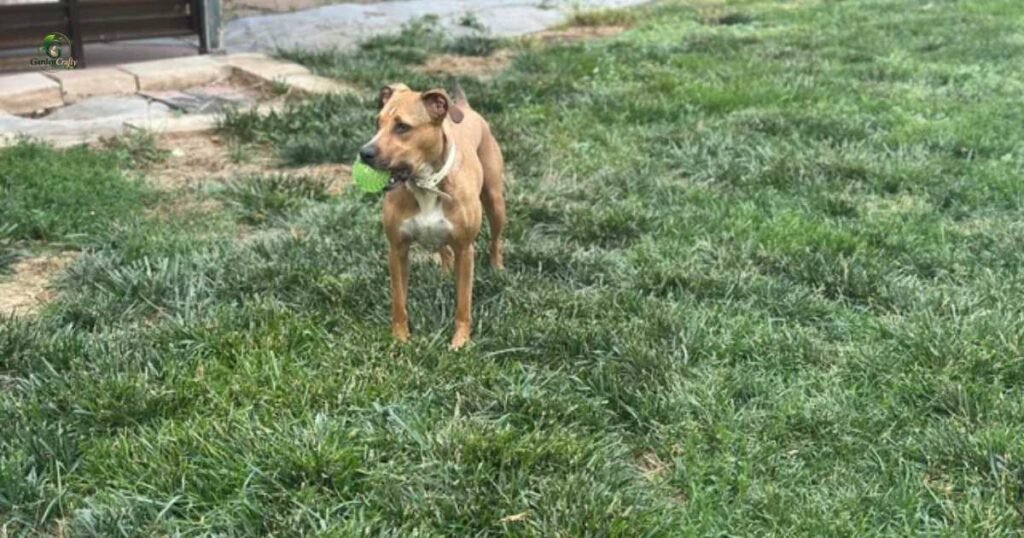
This wear can create unsightly brown patches and bare spots, making the lawn look more like a dog park than a home oasis.
Urine Spots and Grass Burn:The intensity of their play can compact soil, disrupt grass roots, and ultimately hinder growth, especially in areas where they favor repeated paths.
smaller breeds or those with low energy may be less destructive but can still cause issues. High-protein diets can lead to concentrated urine, resulting in urine spots and grass burn, particularly in certain breeds.
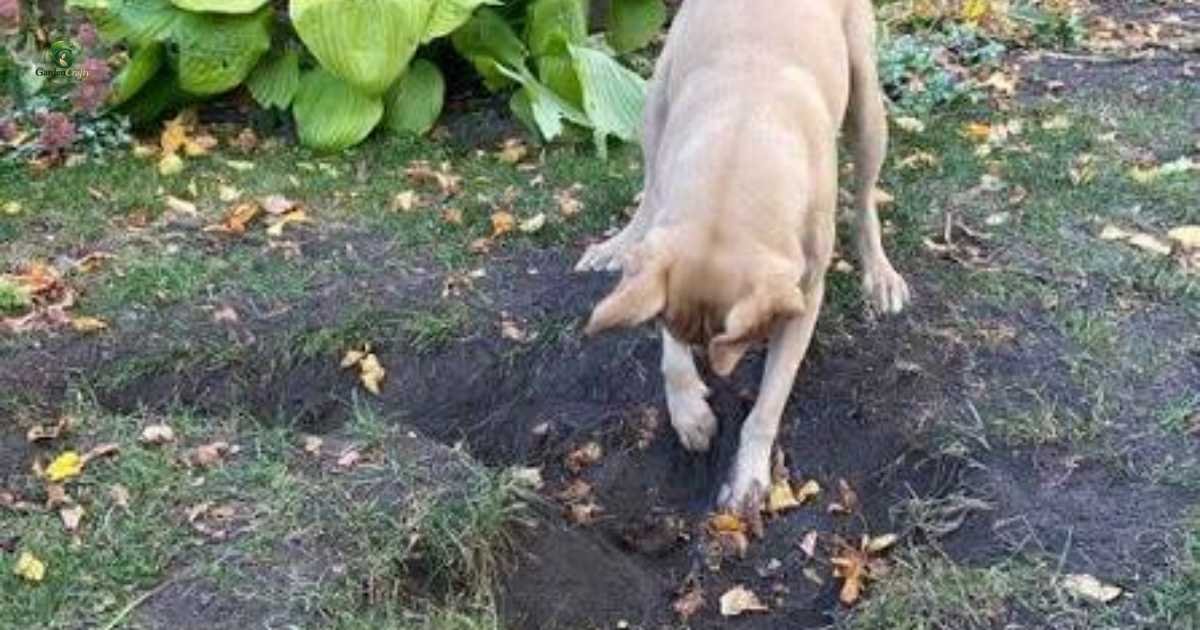
Digging and Lawn Damage:Dogs with a penchant for digging can turn a pristine lawn into a chaotic digging site overnight, which can destabilize the soil and affect the growth of grass. Understanding these behaviors not only helps dog owners mitigate damage but also fosters a harmonious relationship between their pets and the lush landscapes they love.
Breeds That Tend to Be Toughest on Lawns
When it comes to maintaining a pristine lawn, some dog breeds are notoriously tough on grass.
Labrador Retrievers and Golden Retrievers
Labrador Retrievers and Golden Retrievers are energetic and adventurous, often turning a yard into a personal playground. Their enthusiastic running, coupled with the tendency to dig and chew, can leave unsightly patches of dirt and torn grass.
Huskies and Border Collies
Huskies and Border Collies, with their high energy levels, often require ample space to run, which can translate into worn paths and bare patches as they sprint across your yard.
Terriers and Their Digging Instincts
Terriers, known for their digging instincts, pose a different challenge altogether. Their relentless pursuit of critters underground can lead to unsightly holes and a battle for lawn recovery.
Large and Small Dog Breeds That Damage Lawns
Both large and small dog breeds are capable of causing lawn damage, with larger breeds often trampling grass while smaller ones focus on digging. If you’re a dog lover with a lush yard, strategic landscaping and dedicated training can help mitigate the chaos, allowing both your dogs and your lawn to thrive in harmony.
How to Protect Your Lawn Without Compromising on a Happy Dog?
Creating a lush, vibrant lawn while ensuring that your furry family member can enjoy it requires thoughtful planning.
Choose Dog-Friendly Grass Types:Start by choosing dog-friendly grass types, such as fescue or Bermuda, which are not only resilient to wear and tear but also quick to recover from rough play. These grasses can withstand high foot traffic, minimizing the impact of excited paws on your beautiful yard.
Create a Designated Digging Zone:Another effective strategy is to create a designated digging zone. By establishing a specific area where your dog can burrow and explore, you not only satisfy their natural instincts but also protect your lawn from unsightly craters.
Protect Lawn from Urine and Foot Traffic:Be proactive about protecting your grass from urine and foot traffic. Consider training your dog to use a specific spot for bathroom breaks, or try using enzymatic sprays that neutralize odors and help the grass recover.
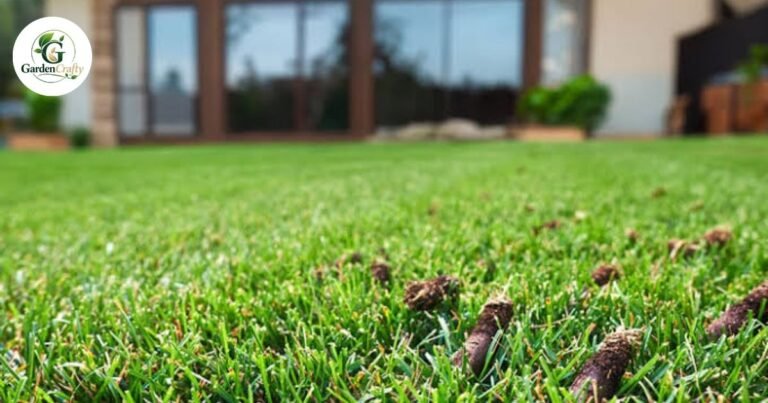
Aerate and Overseed Damaged Areas: Make aeration and overseeding a regular part of your lawn care routine. This process rejuvenates compacted areas, allowing for air, nutrients, and water to reach the roots more effectively.
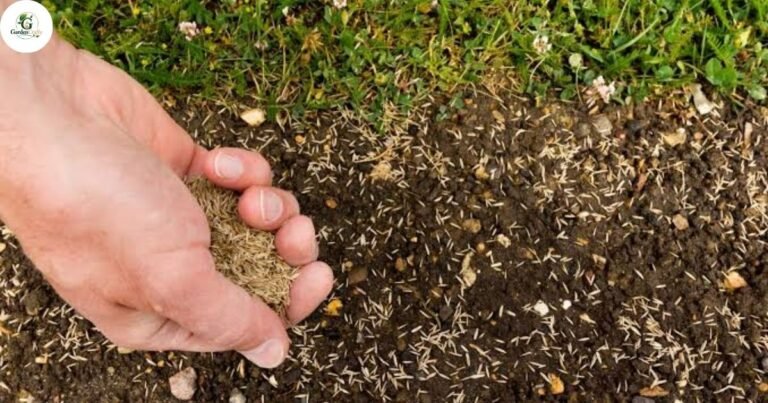
Overseeding during the growing season can help fill in bare spots created by your dog’s antics, promoting a healthier, more resilient lawn. With these strategies in place, you can cultivate a beautiful outdoor space that thrives alongside your dog’s playful spirit.
Related lawns & Garden Tips
Lawn aeration helps reduce soil compaction and allows grass roots to receive better access to air, water, and nutrients .It can also improve drainage and create healthier conditions for strong and steady grass growth.
For complete guidance, read Lawn Aeration: Why, When and How to Aerate for Healthy Grass?
Choosing the right grass seed can help your lawn stay healthier during periods of extreme heat and stress.
Heat-tolerant grass varieties can provide better growth and resilience when temperatures rise.
Proper watering and lawn care also play an important role in helping grass handle hot weather.
For more useful information, read Proven Heat Wave Grass Seed: What Really Works in Extreme Heat.
The Bottom Line
Choose the Right Grass for Your Dog :The bottom line in creating a pet-friendly yard starts with choosing the right grass for your dog. Opting for durable varieties like Bermuda or fescue can withstand the playful antics of a spirited pup, reducing the risk of brown patches and wear.
Protect Your Lawn with Proper Care:But it doesn’t stop there; protecting your lawn with proper care is equally crucial. Regular maintenance not only promotes lush growth but also fortifies your grass against the wear and tear that comes with furry friends frolicking about.
Maintain Your Lawn Throughout the Year :To achieve a flourishing outdoor space, dedicate time to maintain your lawn throughout the year. Seasonal tasks such as aerating, fertilizing, and overseeding are vital; they’ll ensure your grass remains vibrant and resilient.
The key to a healthy lawn and a happy dog lies in the synergy between your lawn care efforts and your dog’s lifestyle. By fostering this balance, you’re investing in a yard that both you and your canine companion can cherish for years to come.
Conclusion
Preserving your lawn while accommodating your dog doesn’t have to be a daunting task. By understanding the specific ways For Lawn Damage from Dogs and How to Protect It can damage grass and employing effective protective strategies, you can create a balance that benefits both your pet and your garden.
Strategies such as using durable ground cover, establishing clear boundaries, and nurturing the lawn will yield positive results. Consistency in training and maintenance is key to long-term success.
FAQs
How can I protect my lawn from dogs?
To protect your lawn from dogs, consider installing physical barriers like fences or gates to keep them out. Using natural repellents, such as citrus peels or vinegar, can deter dogs from entering and damaging your grass.
How to fix grass damaged by dogs?
To fix grass damaged by dogs, start by regularly cleaning up pet waste to prevent further harm and odor. Reseed or patch the affected areas with a suitable grass type, and consider using dog-friendly lawn care products to promote healthy regrowth.
How do I stop my dog from ruining my lawn?
To stop your dog from ruining your lawn, consider establishing a designated potty area in your yard where they are encouraged to go. This can help protect your grass while teaching your dog where it’s appropriate to relieve themselves.
What can I put on a lawn that is safe for dogs?
When looking to maintain a beautiful lawn that’s safe for dogs, consider using organic fertilizers and natural pest deterrents. Options like compost, bone meal, or fish emulsion can nourish your grass without harmful chemicals.
What is the best homemade dog repellent for the yard?
Dogs generally dislike the strong scents, so mixing equal parts vinegar and water in a spray bottle, and adding a few pieces of citrus peels can deter them from entering certain areas of your yard. Spray this mixture around the borders or specific spots you want to protect.