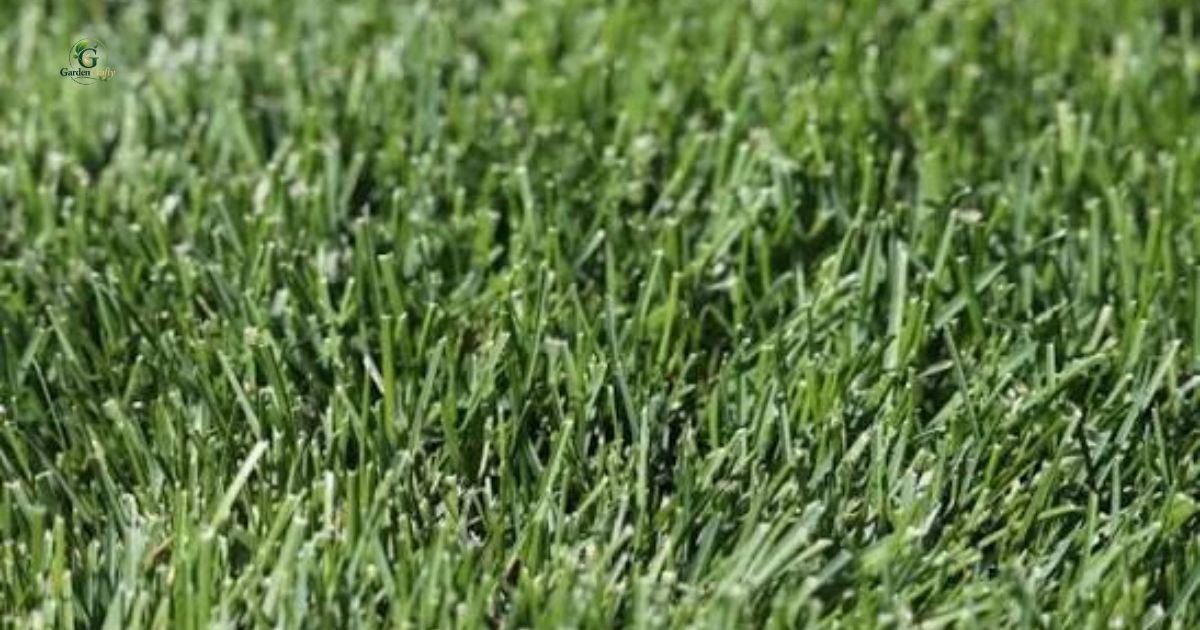
Types of Grass: What Does Kentucky Bluegrass Look Like?
Imagine stepping onto a carpet of soft, vibrant green grass this vision is often realized with Kentucky Bluegrass, a lawn icon in many homes. “What Does Kentucky Bluegrass Look Like?”, we will unravel the key aspects of this beloved grass type, from its rich color to its growth patterns.
We will delve into the defining features of this striking grass variety that has won the hearts of many gardeners.
How to Recognize Kentucky Blue grass seed Quickly?
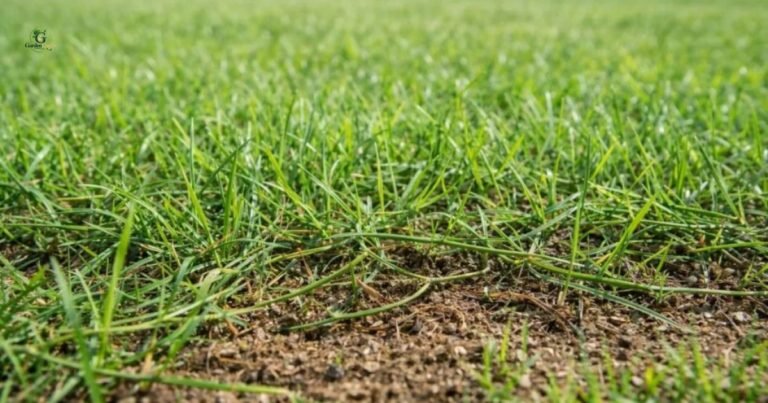
Fine Blades: When trying to recognize Kentucky Bluegrass, one of the hallmark features to look for is its fine blades. These blades are not just narrowly shaped; they have a lush, rich green color that sets them apart from many other grass types.
Upon closer inspection, you’ll notice that the leaves tend to have a smooth texture, which contributes to that soft feel underfoot, making it a popular choice for residential lawns and sports fields alike.
Boat-Shaped Tips: Another characteristic to keep in mind are the distinctive boat-shaped tips. This unique shape isn’t just aesthetically pleasing; it also serves practical functions, helping the grass to efficiently capture sunlight and moisture.
When comparing this Bluegrass to other grass types, the contrast in blade shape becomes a useful tool for identification, allowing you to discern its presence even from a distance. With a bit of practice, recognizing these characteristics can enhance your lawn care skills and help you foster a vibrant, healthy lawn.
Why Correct Identification Matters?
Correct identification: is paramount when it comes to making informed lawn decisions. Whether you’re battling invasive weeds or choosing the right grass variety, understanding what you’re dealing with can save you time, money, and frustration.
Mistaking a weed for a desirable plant can lead to improper treatments that exacerbate the problem instead of resolving it. By correctly identifying your lawn’s needs, you can implement targeted solutions that promote healthy growth and environmental sustainability.
Lawn Decisions: Proper identification goes beyond just weeds and grasses; it extends to understanding your lawn’s ecosystem. Factors like soil type, sunlight exposure, and moisture levels are all interlinked and depend on accurate identification.
When homeowners recognize the unique characteristics of their lawns, they can tailor their care strategies, ensuring more resilient landscapes that thrive regardless of the season. In this way, knowledge is not just power, it’s the key to nurturing a vibrant and sustainable outdoor space.
Kentucky Bluegrass at a Glance
Rich Green: This is often celebrated for its rich green, carpet-like allure that transforms any lawn into an expansive lush haven. This popular grass variety thrives in a range of climates, demonstrating remarkable adaptability while still requiring strategic care.
Its ability to self-repair through rhizomes not only preserves its dense appearance but also means that homeowners can indulge in a beautiful lawn with less frequent overseeding.
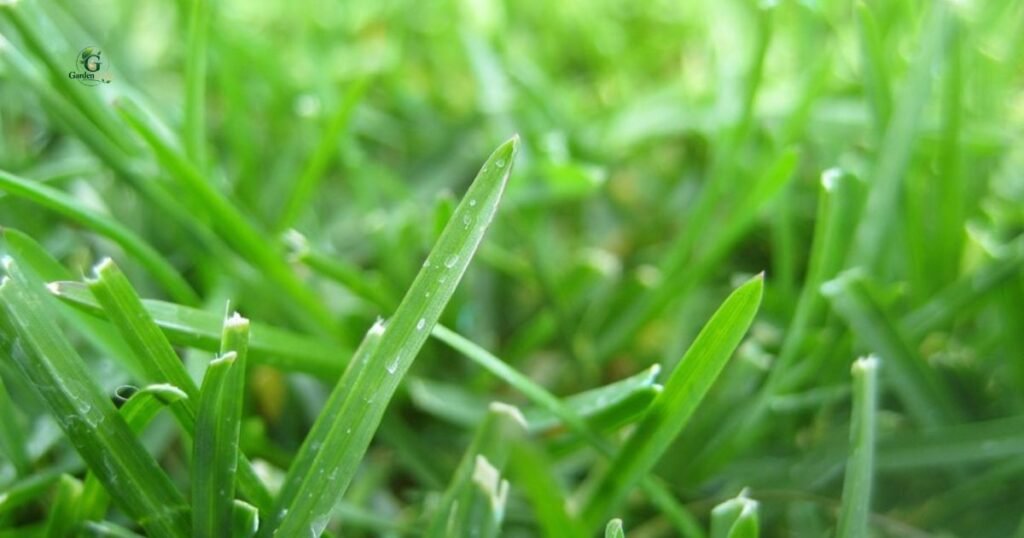
Carpet-Like: What sets this apart is its impressive seasonal transformation. As temperatures shift, this grass exhibits a vibrant emerald hue in spring and a softer, muted tone in the cooler months, offering visual depth year-round. Its appeal goes beyond aesthetics; Kentucky Bluegrass also serves an essential ecological role.
Its robust root systems enhance soil health by preventing erosion and improving water retention, making it not just a visual asset but a functional one in maintaining a sustainable environment. With the right maintenance, a Kentucky’s lawn can be a stunning centerpiece and an eco-conscious choice for modern landscaping.
Leaf Blade and Tip Shape
Narrow Blades: The leaf blade and tip shape of plants are crucial not just for aesthetics but also for their ecological adaptations. Narrow blades, for instance, are often observed in species that thrive in arid environments where water conservation is key.
Their slender design reduces the surface area exposed to the sun, minimizing transpiration and aiding survival in harsh conditions.
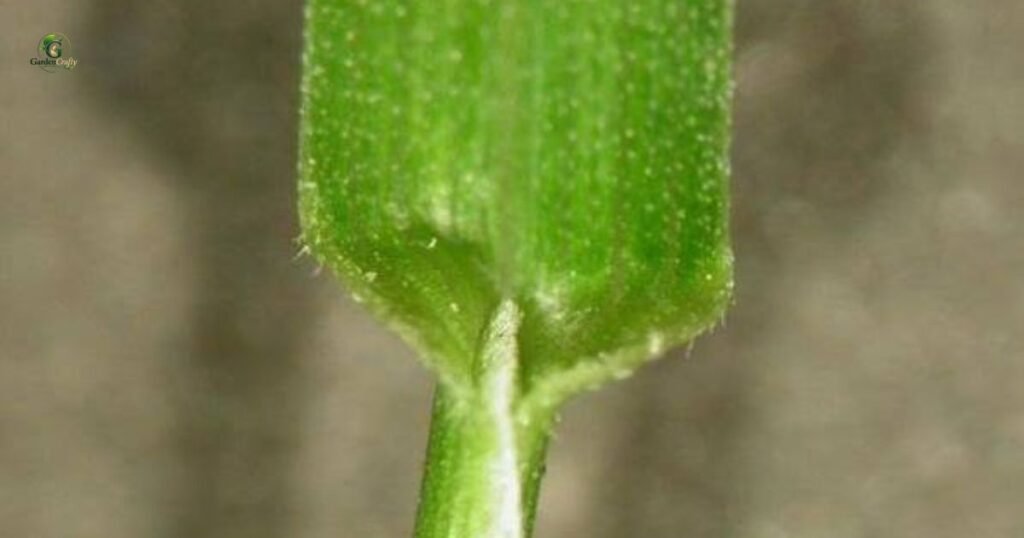
In contrast, the boat-shaped tip of certain leaves serves a unique function: it allows for improved water runoff, ensuring that rainwater quickly drains away rather than pooling on the leaf surface, which could lead to fungal growth.
Boat-Shaped Tip: The interplay of these shapes can influence photosynthesis efficiency. Narrow blades, aligned vertically with boat-shaped tips, can optimize light capture while maintaining a sleek profile that reduces wind resistance. This adaptation is particularly advantageous in windy areas, offering resilience and maximizing energy absorption.
Engaging with these forms reveals a deeper understanding of how evolution shapes plant morphology to create efficient and effective survival strategies within varying ecosystems.
Leaf Vein Detail
Single Vein and Center Line: The intricate design of a leaf’s vein structure goes beyond mere aesthetics; it tells a story of nature’s adaptation and survival. At the core of this architecture lies the Single Vein Center Line, a defining feature that serves as the main artery for nutrients and water flow. While often overlooked, this central vein not only supports the leaf physically but also optimizes photosynthesis by efficiently conducting resources.
Recent studies suggest that variations in this vein pattern can influence a plant’s resilience to environmental stressors. For instance, species with a pronounced Single Vein Center Line may thrive in arid climates by maximizing water transport efficiency.
Color and Surface Look
Deep Green: The allure of a deep green soft texture lies in its ability to evoke a sense of tranquility while simultaneously offering depth and richness. This color, reminiscent of lush forests and tranquil lakes, not only enhances visual appeal but also influences mood and atmosphere. In interiors, this shade can create a harmonious balance, wrapping spaces in a comforting embrace that encourages relaxation and introspection.
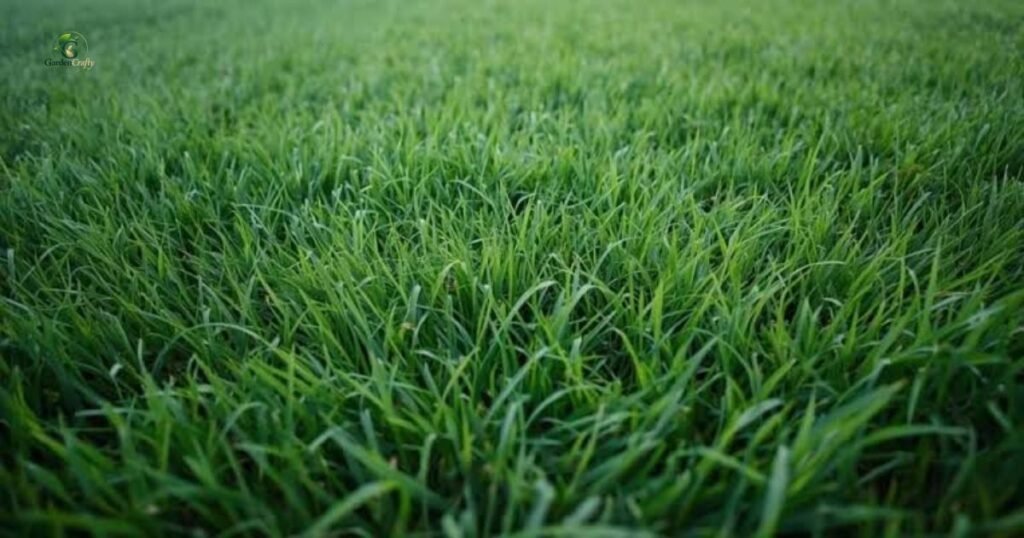
Soft Texture: Surface finish plays a crucial role in the perception of color; a glossy deep green can radiate vibrancy, while a matte finish exudes sophistication and subtlety. The tactile experience of soft textures, such as velvet or suede, adds another layer of engagement inviting touch and making spaces feel more intimate.
By incorporating contrasting materials, like sleek metals or rugged woods, one can elevate the soft texture of deep green, creating dynamic visual narratives that captivate the senses. Each choice transforms the space into a canvas, offering a rich interplay of color and surface, where beauty meets functionality.
Simple Shine Test
Dull Underside: The Simple Shine Test is an effortless yet revealing method to assess the quality of gemstones and jewelry, particularly when examining a piece with a dull underside. By simply holding a stone to the light and observing the way it sparkles, you can uncover hidden features often masked by its unassuming exterior.
A gem that reflects light vibrantly indicates good craftsmanship, while a dull underside might signal a knockoff or lower-quality stone.
This quick examination can save you from potential heartbreak and financial loss, especially in the world of jewelry shopping. An authentic gemstone typically exhibits brilliance and fire even from the back, whereas a dull underside in a supposed jewel can hint at poor or synthetic composition.
Shine Test: Engaging with the Simple Shine Test not only arms you with knowledge but also transforms the shopping experience into an artful exploration, ensuring you appreciate the beauty and authenticity of your selections.
Growth Pattern and Density
Underground stems: often overlooked in the discussion of plant growth, play a vital role in determining overall density and growth patterns. These subterranean structures, such as rhizomes and tubers, act like nature’s reservoir, storing nutrients and energy.
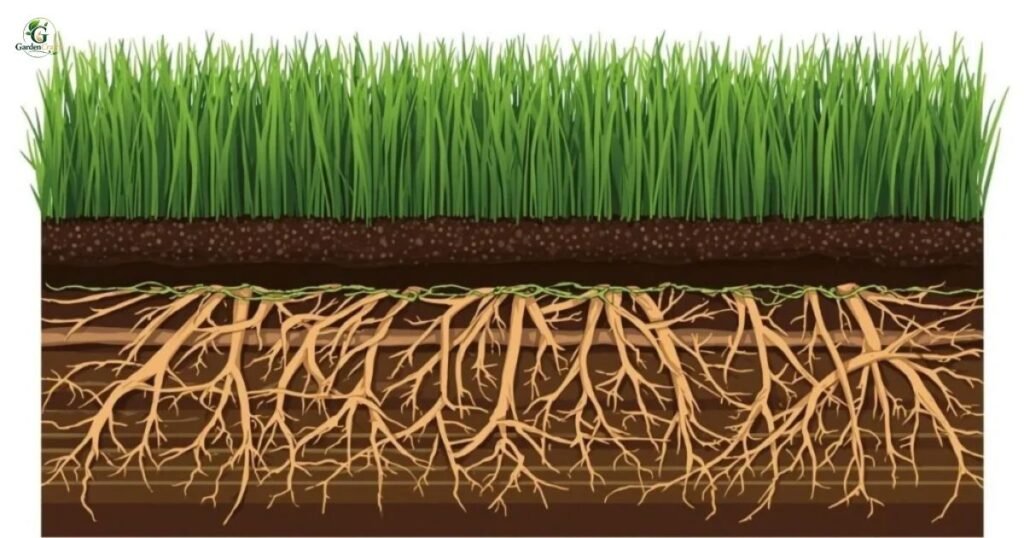
Thick Growth: This adaptation allows plants to thrive even in suboptimal conditions, leading to thick growth that can effectively outcompete neighboring flora. As these underground stems spread their network, they enable rapid vegetative reproduction, resulting in dense colonies that can transform entire landscapes.
New Leaf Growth Pattern
Folded Leaves: In the world of botany, observing the phenomenon of new leaf growth can be mesmerizing. The folded leaves’ active growth stage vividly illustrates a plant’s resilience and adaptability. When a new shoot emerges, it often manifests as tightly folded leaves, almost like a secret waiting to be unveiled.
This unique formation not only protects delicate new growth from environmental stressors but also maximizes the plant’s ability to capture sunlight when unfurling.
Active Growth: As these leaves unfold, they reveal a vibrant palette of colors and intricate veining patterns that are often overlooked in more mature foliage. This transformation highlights the plant’s energetic leap into its growth phase, as chlorophyll production kicks in, boosting photosynthesis.
The rapid elongation and expansion of these leaves signify a critical period where the plant harnesses energy for future growth cycles. Observing this process can offer gardeners and plant enthusiasts a deeper understanding of cultivation techniques, emphasizing that nurturing an environment conducive to this growth phase can lead to healthier and more vibrant plants.
Seasonal Appearance
- Spring
- Summer
- Fall
- Winter
Spring
Fast growth characterizes this season, as plants eagerly unfurl their leaves and blossoms, showcasing nature’s remarkable resilience and renewal. It’s as if the earth hits the refresh button, with every bud and bloom signaling hope and new beginnings.
Summer
Summer, with its sun-soaked days and vibrant life, often paints the world in a cheerful palette. Yet, as the season unfolds, nature unveils a softer perspective through faded colors and low water levels.
The once-vivid greens of spring transition to a more muted tapestry, where earthy tones emerge alongside rippling waterlines. This charming imperfection invites us to appreciate the beauty in simplicity and the subtle transformations that capture summer’s essence.
Fall
As summer fades, the landscape transforms into a breathtaking tapestry of color. The once vibrant greens of leaves shift, revealing rusty oranges, fiery reds, and golden yellows, creating a stunning visual symphony that entices many to step outside and immerse themselves in nature’s beauty.
Beneath this picturesque façade lies a complex ecosystem at work; green returns are regained not through mere photosynthesis but through a critical preparation for the colder months ahead.
Winter
In this winter dormancy, life is not absent but rather resting, gathering strength for the vibrant resurgence of spring. It’s a unique reminder that stillness has its own rhythm; a time for introspection and renewal.
Instead of longing for the flamboyance of summer blooms, we can find solace in the stark elegance of winter, where each brown hue tells a story of survival and adaptability. Embracing this season may inspire us to slow down, recognize the beauty in quietude, and await the awakening that always follows the dormancy.
What Is Normal for Kentucky does Blue grass exist ?
Normal Changes: With its lush, vibrant appearance, undergoes normal changes throughout the seasons. Typically, this cool-season grass thrives in spring and fall, displaying robust growth, while entering a dormant phase during the scorching summer months.
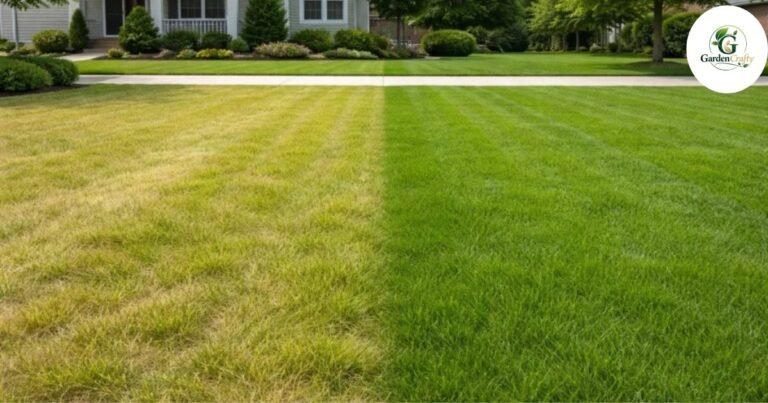
These fluctuations can enhance your lawn care approach; for example, recognizing that a brownish hue in summer isn’t necessarily a sign of distress but rather a normal behavior indicative of heat tolerance.
Typical Behavior: During the transition periods, expect to see variations in growth and color. As temperatures dip, Kentucky Bluegrass will perk back up, often revealing patches of bright green interspersed with dormant areas. This pattern is perfectly normal and can provide opportunities for new growth strategies.
Consider adjusting your watering habits and mowing practices to align with these typical behaviors, promoting a healthier and more resilient lawn that thrives year-round. Embracing the natural rhythms of Kentucky Bluegrass can lead to a more sustainable and visually appealing landscape.
Comparison With Similar Grasses
| Feature | Kentucky Bluegrass | Tall Fescue | Perennial Ryegrass |
|---|---|---|---|
| Blade Width | Fine to medium | Wide | Fine |
| Tip Shape | Boat-shaped | Pointed | Pointed |
| Texture | Soft | Rough | Smooth |
| Growth Style | Spreads | Clumps | Clumps |
| Summer Appearance | Fades | Stays greener | Stays greener |
Important Tips:
| If You Notice This | It Likely Means |
| Boat-shaped leaf tip | Kentucky Bluegrass |
| Wide, rough blade | Tall Fescue |
| Shiny leaf underside | Perennial Ryegrass |
| Grass grows in clumps | Keg grass vs Fescue or Ryegrass |
How It Looks in Real Lawns?
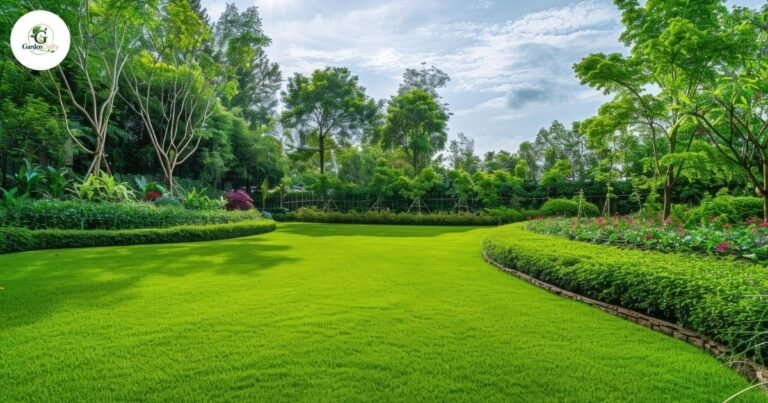
A healthy lawn doesn’t just serve as a backdrop for outdoor activities; it transforms a home’s aesthetic, creating an inviting space that beckons family and friends. The vibrant green of well-maintained grass exudes life and vitality, while its fine look can elevate any garden design.
When you step onto a lawn that’s been carefully nurtured, you’ll notice the subtle texture beneath your feet, each blade finely trimmed and thriving turning a simple stroll into a sensory experience.

Fine Look: the nuances of a healthy lawn extend beyond appearances. An environment teeming with robust grass enhances air quality, reduces soil erosion, and provides a natural habitat for local wildlife. This eco-friendly paradise not only elevates the visual appeal but also contributes significantly to community well-being.
Observing the way sunlight dances off a lush green surface, it’s clear that a healthy lawn is much more than just a pretty sight; it’s a living testament to nature’s resilience and beauty.
Quick Identification Checklist
Soft Feel: When you’re out on the water, comfort and functionality are key. A Quick Identification Checklist can streamline your pre-launch routine and enhance your experience.
Start by assessing the softness of your boat’s materials; opt for cushioned seating that offers a gentle embrace against the waves. This is especially vital for longer outings, where comfort can significantly impact your overall enjoyment.
Boat Tips: Ensure all safety equipment is easily accessible. Loose items can lead to unnecessary clutter and frustration. Soft Feel Boat Tips suggest customizing your storage solutions; consider soft-sided bags that conform to your boat’s interior while keeping essentials organized.
Don’t overlook the importance of a well-maintained hull. A smooth bottom not only improves performance but also ensures a softer ride, making your boating adventure truly memorable.
You May Also Read About: Difference Between Weeds and Grass
Common Identification Mistakes
Color Judging: frequent identification mistakes stems from overlooking the subtle influence of color perception on shape recognition. Often, individuals might judge an object’s significance based solely on its hue, neglecting the underlying shape that encapsulates its identity.
A bright red apple can overshadow a green one when it comes to attention, but in scenarios where taste or nutritional value is considered, the shape can provide more insights into its variety and ripeness.
A common pitfall is conflating color with function. A vividly colored item may be prioritized in decision-making, leading to a skewed judgment of quality based on aesthetic appeal alone. A color judging tip to overcome this is to engage in an objective evaluation process that emphasizes the shape and structural aspects.
Confirm Before You Act
In today’s fast-paced world, the urgency to act can often overshadow the necessity for careful evaluation. “Confirm Before You Act” emphasizes the importance of a systematic approach to decision-making, particularly through clear identification of growth patterns.
By analyzing trends and behaviors, individuals and organizations can make informed choices that lead to sustainable success rather than impulsive actions that might yield short-term gains but long-term pitfalls.
Conclusion
Kentucky bluegrass stands out due to its striking appearance and adaptability to various growing conditions. With its fine blades and rich hue, it creates an inviting landscape that many homeowners desire.
This grass type not only provides aesthetic appeal but also offers functional benefits such as erosion control and a soft surface for play. Understanding how to care for this grass is crucial for maintaining its health and vibrancy.
Explore More Lawn Solutions
- Grass Types: A Simple Guide to Lawn Grasses in the USA helps you pick the right grass for your climate and lawn goals.
- 7 Best Organic Lawn Fertilizer: Use for Safe and High Benefit helps you pick the right fertilizer for your lawn’s health and safety.
- Zoysia Grass: Seed Selection, Types, Best Fertilizer, Seasonal Impact for Planting helps you pick the right approach for growing a healthy Zoysia lawn.
- 5+ Proven Fertilizer Guide: What Fertilizer to Use in Spring walks you through choosing the best spring fertilizer for a thicker, greener lawn.
- Overseeding Fescue in Fall: A Step-by-Step Guide for Thicker Grass helps you plan the right timing and technique for a denser lawn.
- Grass Zones in the U.S.: How to Select the Best Grass helps you choose the right grass type based on your region’s climate.
- Proven Heat Wave Grass Seed: What Really Works in Extreme Heat helps you choose grass seed that holds up under intense summer conditions.
FAQs
How can I tell if I have Kentucky bluegrass seed?
You can identify this grass by its lush, dense growth with a rich green color and fine texture. Look for the characteristic V-shaped leaf tips and its ability to spread through underground rhizomes.
Why is it so special?
This is special for its lush, vibrant color and fine-textured blades, making it a popular choice for lawns and sports fields. Its ability to self-repair and adapt to various climates adds to its appeal, providing a resilient and durable turf.
How to tell the difference between Kentucky bluegrass and fescue?
It has a fine texture with a vibrant green color, and its blades are boat-shaped at the tips. In contrast, fescue typically has a coarser texture, wider blades, and a more rugged appearance, often with a lighter green hue.
Why do they call it centipede grass?
Centipede grass gets its name from its growth pattern, resembling a centipede due to its extensive creeping, stoloniferous nature. This warm-season turfgrass is known for its low maintenance and efficient spreading, much like the numerous segments of a centipede.