7 Best Organic Lawn Fertilizer Use for Safe and High Benefit
Imagine enjoying your beautiful lawn while knowing you’re protecting your children’s playtime and your pets’ safety. The choices you make regarding lawn care products can significantly impact what goes into your soil and how it affects the surrounding environment.
While delving into the best Organic Lawn Fertilizer use for safe and high benefit, focusing on sustainable practices that safeguard water quality and storm drains.
What Is Organic Lawn Fertilizer
What Are Organic Lawn Fertilizers?:Organic lawn fertilizers are derived from natural sources, such as compost, manure, and plant extracts, enriching the soil’s ecosystem while promoting sustainable practices.
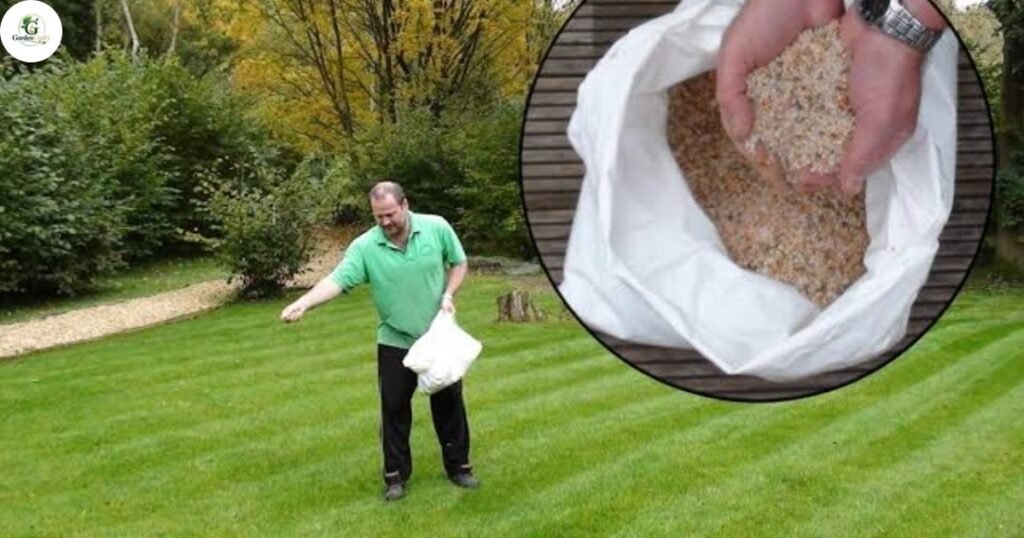
They are essentially nutrient-rich amendments that not only nourish your grass but also improve soil structure, water retention, and microbial activity. By embracing these eco-friendly options, you cultivate a healthier environment that supports diverse wildlife and beneficial microorganisms.
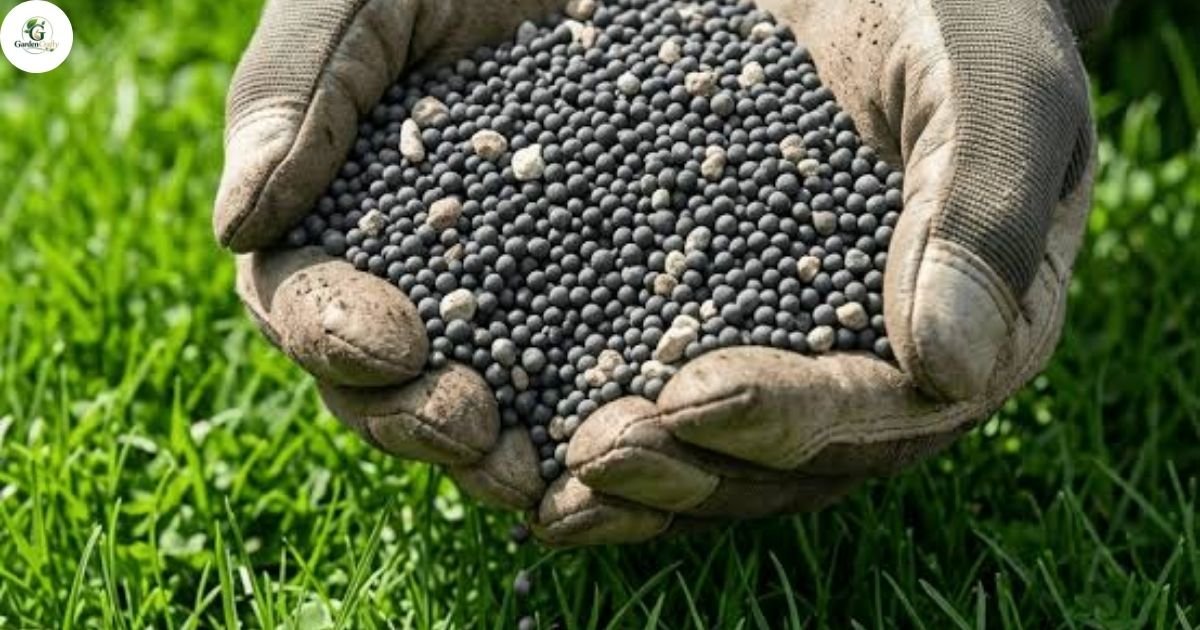
What Are Synthetic Lawn Fertilizers?:Synthetic lawn fertilizers typically emphasize immediate nutrient release, often feeding the grass directly at the expense of soil health. They are chemically formulated products that can lead to nutrient runoff, soil degradation, and even harm local waterways.
Organic vs. Synthetic: Feeding Soil vs. Feeding Grass:This brings us to the crux of the debate: organic vs. synthetic. While the latter may offer quick green results, organic fertilizers create a vibrant, well-balanced ecosystem by feeding the soil, improving long-term health and resilience. By choosing organic, you’re not just nurturing your lawn; you’re investing in the environment and future generations.
Organic vs. Synthetic Fertilizer
| Key Factor | Organic Fertilizer | Synthetic Fertilizer |
| Nutrient Release | Slow and depends on microbial activity | Fast and readily available to plants |
| Time to Visible Results | Usually 2–4 weeks | Often 3–7 days |
| Feeding Window | Typically 6–10 weeks, depending on product | Typically 4–6 weeks, depending on product |
| Burn Risk | Generally lower when applied correctly | Higher if over-applied |
| Soil Microbial Health | Can support microbial activity and soil biology | Usually has less direct benefit to soil biology; overuse may affect soil health |
| Runoff Risk | Lower when nutrients are released slowly, but still possible if over-applied | Higher potential, especially with excessive application or heavy rain |
| Safety for Pets & Kids | Generally lower risk when used as directed; still keep them off treated areas until safe | Follow the product label; some products may require a re-entry period |
| Cost per Application | Often higher upfront | Often lower upfront |
| Long-Term Lawn Management | Can improve soil quality over time and may reduce fertilizer needs | Provides quick, predictable feeding but does not build soil organic matter |
The Hidden Problem with Synthetic Lawn Fertilizer
The allure of synthetic lawn fertilizer for achieving a lush, green yard often overshadows its environmental repercussions.

Lawn Fertilizer and Urban Runoff:While these fertilizers can provide quick gratification in the form of vibrant grass, the unintended consequence of fertilizer runoff is a growing concern for urban ecosystems.
When rain washes synthetic fertilizers rich in nitrogen and phosphorus into storm drains, it creates a cascade of problems downstream, leading to increased algae growth. This bloom not only depletes oxygen in the water but also threatens aquatic life and disrupts the natural balance of lakes and rivers.
Protecting Lakes, Rivers, and Storm Drains:Protecting our waterways from the ravages of fertilizer runoff requires a renewed focus on sustainable practices in lawn care. Homeowners can explore organic alternatives that nourish the soil without contributing to urban runoff pollution.
Cultivating deeper-rooted grasses can enhance soil absorption, reducing the need for chemical fertilizers and alleviating the pressure on storm drains. By embracing eco-friendly lawn care, we don’t just keep our lawns looking pristine; we play a vital role in safeguarding precious water resources for future generations.
How Organic Fertilizer Changes Your Soil Biology
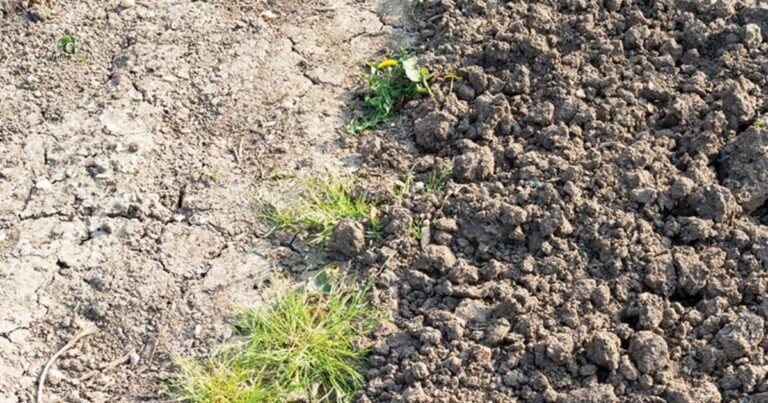
Organic Fertilizer and Grass Growth:Organic fertilizer fundamentally transforms soil biology by enriching it with natural nutrients and promoting a vibrant microbial ecosystem. Unlike synthetic options, organic fertilizers release nutrients slowly, allowing beneficial microorganisms to thrive.
How Organic Fertilizer Supports Soil Microbes:This dynamic interaction boosts grass growth by enhancing nutrient uptake through symbiotic relationships between plant roots and soil microbes. As these microorganisms break down organic matter, they facilitate the release of essential minerals, creating a nutrient-rich environment that fosters robust turf health.
Benefits of Mycorrhizal Fungi for Turf:One remarkable aspect of organic fertilizer is its positive impact on mycorrhizal fungi. These fungi establish intricate networks with plant roots, significantly increasing the surface area for water and nutrient absorption. This collaboration not only optimizes the uptake of phosphorus and nitrogen but also enhances the plant’s resilience to drought conditions.
With improved access to water and nutrients, the grass grows deeper roots, resulting in a turf that can withstand stress and recover more effectively. Investing in organic fertilizer not only nurtures your lawn’s immediate appearance but also cultivates a thriving soil ecosystem that supports long-term sustainability.
Why Synthetic Nitrogen Quietly Damages Soil Long-Term
Long-Term Effects of Synthetic Fertilizers:The long-term effects of synthetic fertilizers, particularly synthetic nitrogen, extend far beyond immediate crop yield boosts, leading to profound changes in soil health.
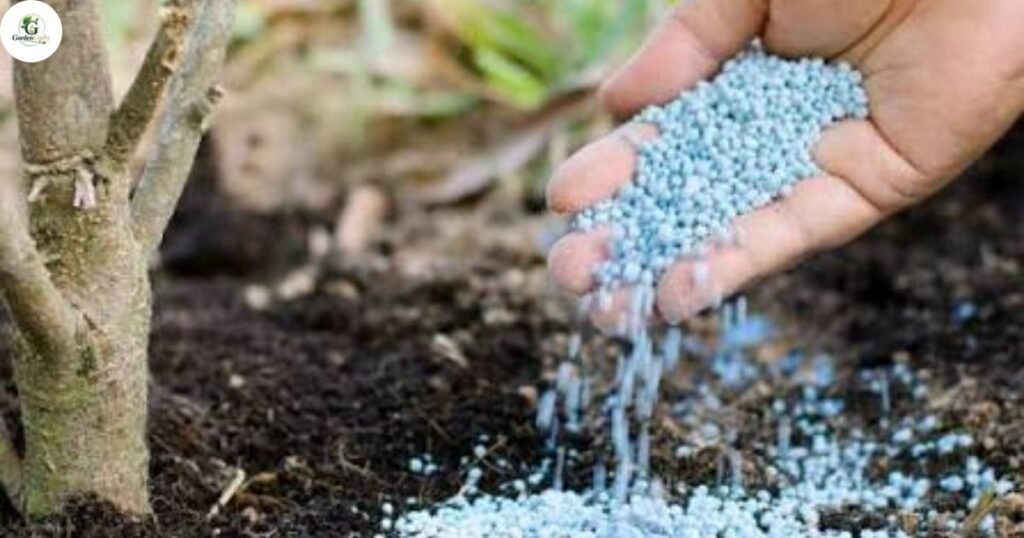
While these fertilizers can temporarily enhance nutrient availability, they contribute to soil acidification over time. This decrease in soil pH not only disrupts nutrient uptake but also impacts the delicate balance of microorganisms essential for sustaining a healthy ecosystem.
Soil pH and Plant Diversity:As soil acidity increases, key nutrients become less available to plants, resulting in reduced plant diversity. This diminished diversity can create a cascade effect, disrupting pest control and other ecosystem services that a diverse plant community naturally provides.
Fertilizer Impact on Soil Microbial Health:The surplus synthetic nitrogen alters microbial communities, often favoring certain bacteria while suppressing others. This shift can jeopardize soil microbial health and resilience, making it increasingly challenging for soil to recover and sustain long-term agricultural productivity.
The overlooked consequences of synthetic nitrogen underscore the importance of reevaluating our approach to soil management to foster a truly sustainable agricultural future.
NPK Ratios What Actually Needs
What Does NPK Mean?:Understanding NPK ratios is crucial for optimizing your lawn’s health and vitality. When we decode what NPK means, we see that each component plays a unique role in plant development.
Nitrogen for Lawn Growth:Nitrogen is vital for lush, green foliage essential for lawn growth promoting vibrant grass that can transform your yard into a verdant oasis. However, an excess of nitrogen can lead to rapid growth that may require frequent mowing and increased susceptibility to pests.
Phosphorus for Root Development:Phosphorus, on the other hand, is the powerhouse behind root development. A well-established root system enhances nutrient absorption and stability, providing the foundation your lawn needs to thrive.
Potassium for Lawn Strength and Stress Resistance:Potassium acts as a natural shield, bolstering lawn strength and stress resistance. It equips your grass to handle challenges like drought and disease. By understanding the balance and function of these nutrients, you can tailor your fertilization strategy to ensure a resilient and flourishing lawn that stands up to the rigors of the seasons.
Types of Organic Lawn Fertilizer
Organic lawn fertilizers come in various forms, each with unique benefits for nurturing a healthy lawn.
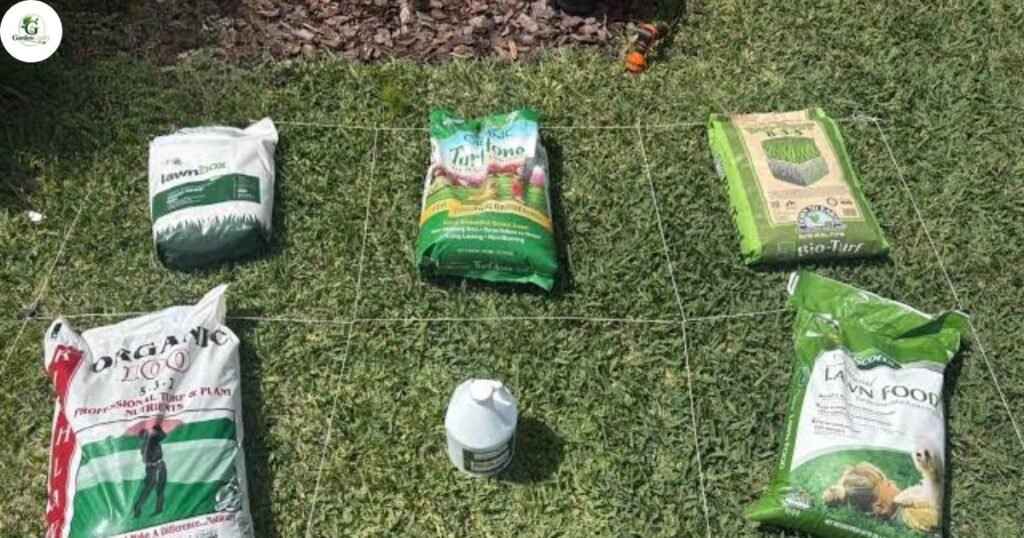
Manure and Blood Meal Fertilizers:Manure and Blood Meal Fertilizers are rich in nitrogen, essential for encouraging lush green growth. While manure provides slow-release nutrients, blood meal acts quickly, giving your lawn an immediate boost. Sourcing your manure from herbivorous animals ensures a nutrient balance that can sustainably enhance soil quality as well.
Bone Meal and Feather Meal Fertilizers:Bone Meal and Feather Meal Fertilizers offer a robust foundation for root development. Bone meal supplies phosphorus, crucial for flowering and fruiting, while feather meal gradually releases nitrogen. These slow-release options contribute to long-term plant health.
Compost and Liquid Organic Fertilizers:Compost and Liquid Organic Fertilizers are fantastic for restoring microbial life in your soil. Compost improves soil structure and fertility, while liquid fertilizers provide a concentrated nutrient source that can be swiftly absorbed by plants.
Microbial Inoculants and Safe Application Practices:Microbial Inoculants into your lawn care routine can significantly enhance nutrient uptake, making your lawn more resilient and vibrant. These beneficial microbes help break down organic matter, making nutrients more accessible to plants.
Practicing Safe Application Practices is essential to avoid over-fertilization and runoff, ensuring that your lawn care supports both plant health and environmental integrity. By thoughtfully selecting and applying these organic fertilizers, you can cultivate a thriving lawn that is both beautiful and sustainable.
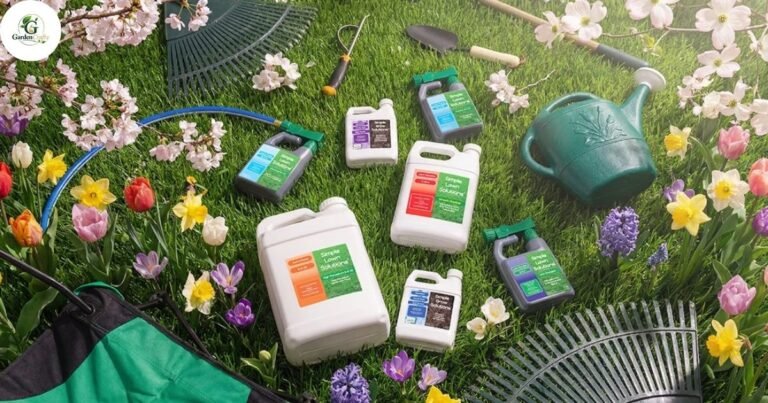
Some Organic Lawn Fertilizer Products in Shop
| Product | NPK | Size | Approx. Price (USD) |
| Milorganite All-Purpose Lawn Food | 6-4-0 | 32 lb | ~$35 |
| Espoma Organic Turf-Tone All Season | 10-0-2 | 28 lb | ~$30–40 |
| Espoma Organic Spring Lawn Booster | 8-0-0 | 27 lb | ~$30 |
| Jonathan Green Organic Lawn Food | 10-0-1 | 17 lb | ~$30–40 |
| Down to Earth Bio-Turf | 8-3-5 | 25 lb | ~$35–45 |
| Dr. Earth Super Natural Lawn Fertilizer | 8-0-2 | 18 lb | ~$25–35 |
| Dr. Earth Super Natural Liquid Fertilizer | 3-0-1 | 32 fl oz | ~$15–20 |
| Safer Brand Lawn Restore | 9-0-2 | 9.5 lb | ~$25–30 |
| GreenView Natural Base Lawn Fertilizer | Varies | 25 lb | ~$30–40 |
| Suståne 8-2-4 All-Natural Fertilizer | 8-2-4 | 50 lb | ~$40–50 |
How to Choose the Right One for Your Region, Soil, and Grass Type
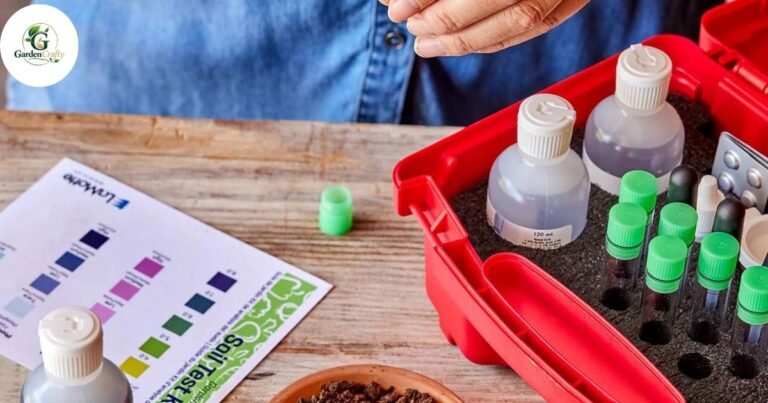
Start With a Soil Test:Choosing the right fertilizer isn’t just about grabbing the first bag you see; it begins with a soil test to understand your region’s unique nutrient needs.
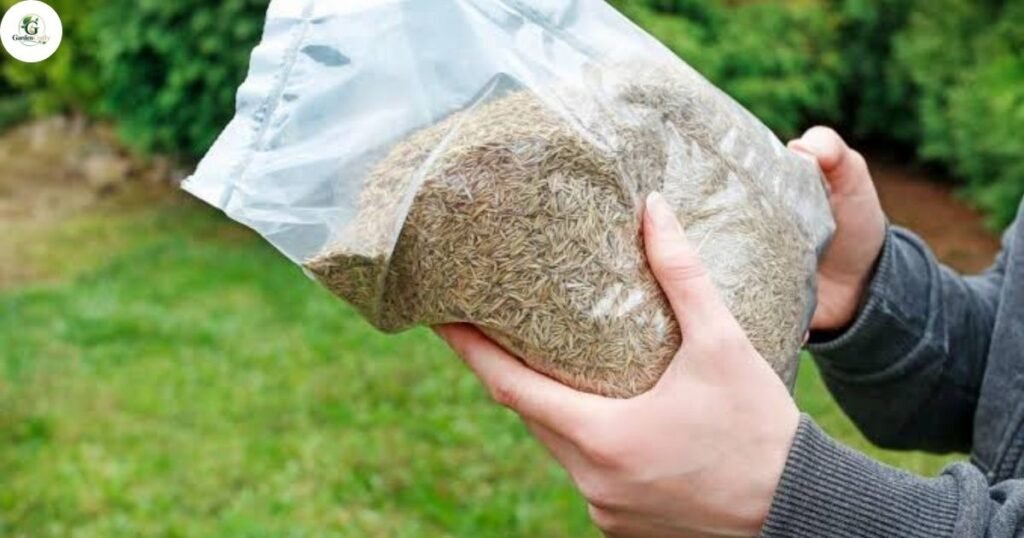
A thorough soil analysis will reveal pH levels and nutrient deficiencies, guiding you to select the most beneficial organic fertilizer tailored not just to your locale but also to the specific demands of your grass type.
Organic Fertilizer by U.S. Region:Cool-season grasses thrive better in northern U.S. regions, benefiting from a balanced nitrogen and phosphorus formula in early spring, while warm-season grasses in the southern regions may require higher potassium levels to withstand the heat.
Match Fertilizer to Grass Type and Climate:Matching your fertilizer to both grass type and climate can significantly enhance your lawn’s health. If you live in a dry region with sandy soil, consider a slow-release organic fertilizer to retain moisture and nutrients more effectively.
In more humid areas, a lighter, more frequent application may suffice to avoid nutrient runoff and promote healthy growth.
Don’t overlook the critical step of adjusting your fertilizer choices based on soil texture clay soils may retain nutrients longer, allowing for less frequent feeding compared to sandy soils that drain quickly.
Helpful Guides for a Healthier Lawn
Understanding the difference between weeds and grass helps you identify unwanted plants and maintain a healthier lawn. Learn how to recognize both and choose the right lawn-care approach.
Knowing what Kentucky Bluegrass looks like makes it easier to identify this popular cool-season grass in your lawn. Learn about its appearance, texture, and key characteristics.
If you wonder will grass spread on its own, understanding its growth habits can help you manage your lawn better. Different grass types spread differently depending on their growing conditions.
Zoysia Grass is a popular warm-season turf known for its dense growth and ability to handle various lawn conditions. Learn about its characteristics, care needs, and best growing conditions.
Learning about the benefits of overseeding a lawn can help you improve thin areas and encourage healthier, fuller grass growth. Discover how overseeding can refresh your lawn and improve its overall appearance.
Choosing the right Heat Wave Grass Seed can help your lawn handle hot and challenging summer conditions. Learn which factors to consider when selecting grass seed for better heat tolerance.
Application Timing and Method
Timing is everything when it comes to fertilization, and understanding the specific needs of your soil and plants can make all the difference.
Early Spring Fertilization:Early spring fertilization is ideal for kickstarting growth as plants emerge from dormancy. By applying nutrients during this period, you not only support vibrant foliage but also enhance root development right from the onset.
Late Spring Fertilization:On the flip side, late spring fertilization can be beneficial for established lawns and gardens; this is the moment when plants are actively growing and can capitalize on the nutrients to fortify themselves against summer stress.
Summer Fertilization:Moving into summer fertilization, it’s crucial to choose slow-release formulations that prevent nutrient burn and provide a steady supply throughout the hotter months.
Early Fall Fertilization: As the growing season winds down, early fall fertilization becomes essential for preparing your plants to withstand winter challenges. This is a strategic window to promote root growth and nutrient absorption before the colder temperatures set in.
Late Fall and Winterize Feeding: Late fall and winterize feeding serves as the perfect wrap-up for the year, ensuring your plants enter dormancy well-nourished and ready to thrive again as spring approaches. Thoughtful scheduling and methodical application can significantly enhance the resilience and health of your landscape.
Common Lawn Problems Organic Fertilizer Solves
Patchy, Weak, or Thin Grass Growth:Patchy, weak, or thin grass growth often plagues lawns, leaving homeowners frustrated and searching for solutions.
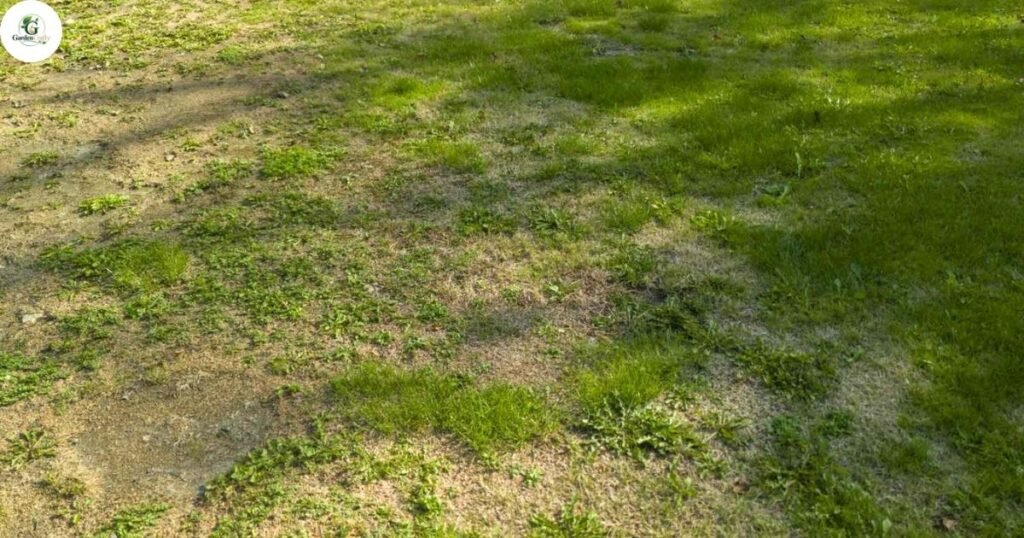
Organic fertilizers can rejuvenate these troubled areas by promoting healthy microbial activity in the soil, which improves nutrient availability and strengthens grass roots.
This revitalization not only helps in achieving uniform growth but also empowers the grass to better withstand stressors, leading to a lush, vibrant lawn.
Drought Stress and Wilting:Drought stress and wilting grass are common issues, especially during prolonged dry spells. Organic fertilizers, rich in humic substances, enhance the soil’s ability to retain moisture and promote deeper root growth. As a result, this natural approach not only mitigates wilting but fosters resilience against future drought conditions.
Recurring Fungal Lawn Diseases: If your lawn is battling recurring fungal diseases, the balanced nutrient profile of organic fertilizers supports overall turf health, creating an environment less conducive to disease development.
Yellowing or Pale Grass:Compacted soil and poor drainage can suffocate grass roots, leading to yellowing or pale grass. Organic fertilizers, combined with practices such as aeration, help alleviate soil compaction, allowing air, water, and nutrients to penetrate more effectively.
By improving drainage and soil structure, organic fertilizers enable a healthier foundation for grass, resulting in robust growth and vibrant color. Embracing these organic solutions transforms not just the lawn’s appearance but its overall ecological balance.
Conclusion
Choosing the best Organic Lawn Fertilizer use for safe and high benefit not only enhances the health and appearance of your lawn but also contributes to a more sustainable environment. By opting for natural ingredients, you minimize harmful chemicals that can leach into your soil and waterways, ensuring a safe playground for your family and pets.
Organic fertilizers often improve soil health over time, fostering a vibrant ecosystem beneath the surface. It’s essential to consider the specific needs of your lawn and local climate when selecting the right product.
FAQs
Which Organic Fertilizer is Best for Lawns?
The best organic fertilizers for lawns often include options like compost, manure, and specially formulated organic blends. These fertilizers enrich the soil with nutrients while improving its structure and microbial health.
What is the Safest Fertilizer to use?
The safest fertilizers to use are organic options like compost, well-rotted manure, and other natural amendments. These not only enrich the soil with nutrients but also improve its structure and promote beneficial microbial activity without the risk of chemical runoff.
What is the most Effective Fertilizer for Lawns?
The most effective fertilizer for lawns typically contains a balanced ratio of nitrogen, phosphorus, and potassium, commonly referred to as N-P-K. A formulation like 10-10-10 or 20-5-10 can provide essential nutrients for healthy growth, enhancing the green color and overall vigor of the grass.
What are the top 10 best Organic Fertilizers for home Gardens?
Organic fertilizers for home gardens, some of the top options include compost, well-rotted manure, bone meal, and fish emulsion. Kelp meal, blood meal, worm castings, and Neem cake are also excellent choices to nourish plants naturally.
Which Fertilizer is Called the king of Fertilizer?
The fertilizer often dubbed the “king of fertilizers” is urea. This nitrogen-rich compound is valued for its effectiveness in promoting plant growth and enhancing yields across various crops.