
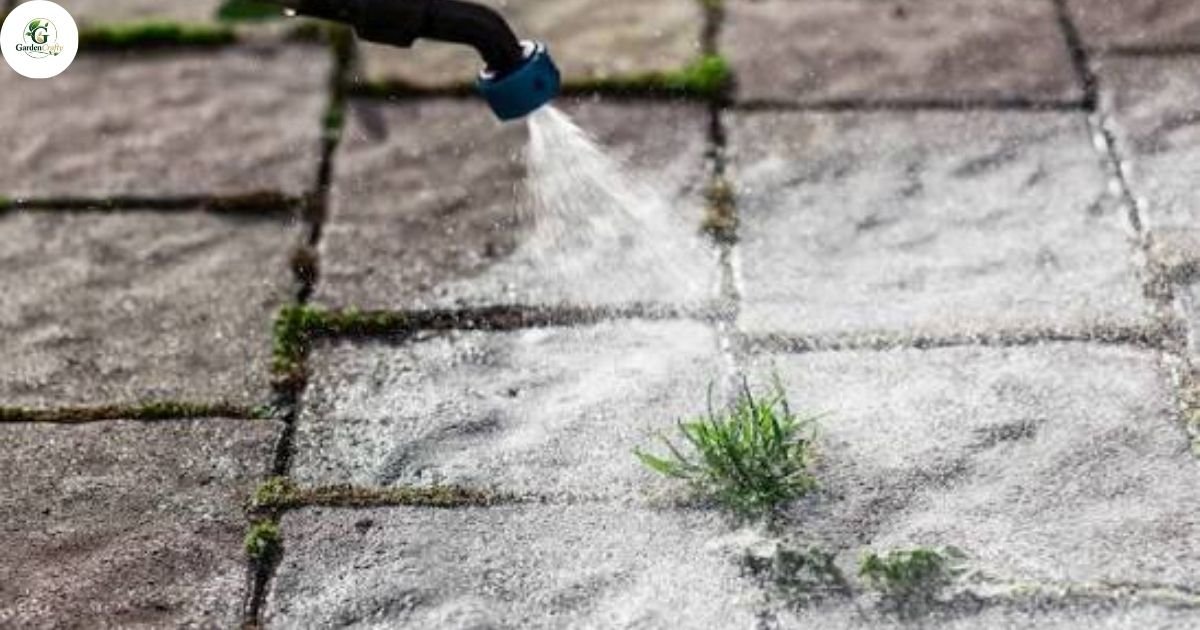
Natural Weed Killer: Remove Weeds Without Affecting Lawn Grass
Natural Weed Killer are incredibly resilient, resourceful, and adaptive. Defining what weeds are is divisive. Bring it up amongst interested parties and you’re likely to hear that weeds are just misunderstood plants, that all plants have a purpose, that they just need to be channeled to the right place.
If you’ve ever battled stubborn weeds while trying to maintain a healthy lawn, you’re not alone. This article will introduce you to effective natural weed killer options that won’t harm your treasured grass.
What Are Natural Weeds and Weed Killers?
Lawn weeds are those unruly invaders that can transform your pristine green space into a chaotic tapestry of unwanted foliage.
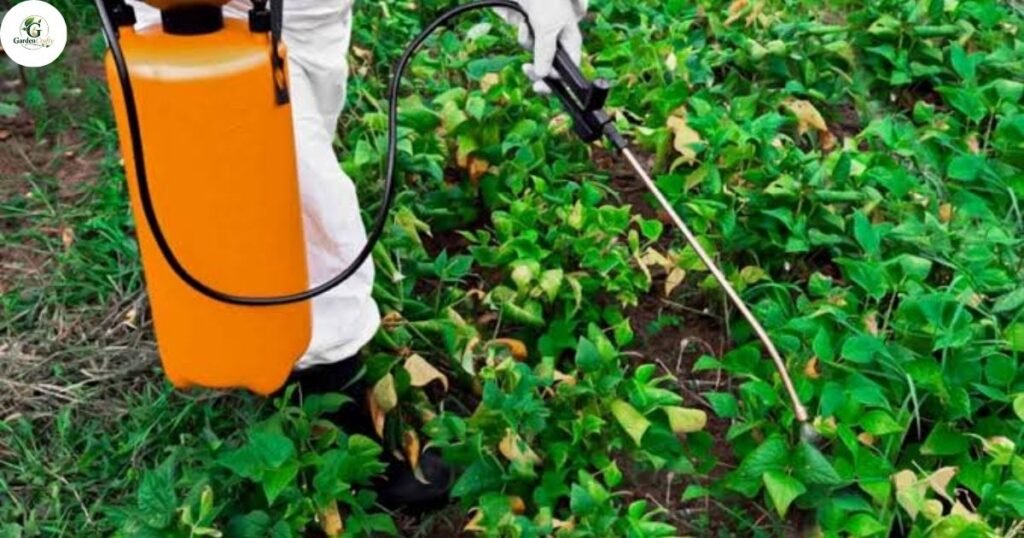
What are lawn weeds:They can be defined as any plant that grows where it’s not wanted, often competing with your desired grass for nutrients, light, and water. Understanding how weeds harm your lawn is crucial; they can stifle growth, reduce aesthetics, and even harbor pests and diseases, all while quietly choking out the competition.
What is a natural weed killer? It’s an eco-friendly alternative to chemical herbicides, utilizing ingredients like vinegar, salt, or even homemade mixtures that target undesirable plants without harming the environment. When looking at weed control strategies, consider the difference between contact and pre-emergent natural weed control.
Contact vs. Pre-Emergent Natural Weed Control:Contact killers eradicate existing weeds on contact, while pre-emergents prevent new weed seeds from germinating, making them essential in a proactive weed management strategy. By understanding these methods, you can reclaim your lawn sustainably, nurturing a lush environment that thrives alongside nature.
Identify Which Method Is Perfect to Kill Weeds on Your Lawn
Choose the Right Weed Control Method:When choosing the right weed control method for your lawn, it’s essential to consider both the environment and the type of weeds you’re dealing with.
Natural Weed Control for Lawns:Natural weed control for lawns has gained popularity, especially for homeowners who prefer eco-friendly solutions. Utilizing methods like mulching, hand-pulling, or introducing competitive ground covers can effectively suppress weed growth while enriching the soil without harmful chemicals.
Weed Control for Driveways and Paths:For driveways and paths, the situation is different; the hard surfaces often harbor resilient weeds that require targeted approaches. A mix of vinegar or boiling water can act as effective natural weed killers, while commercial products designed explicitly for hardscapes ensure that unsightly weeds don’t mar your curb appeal.
Weed Control for Gardens:In gardens, companion planting and maintaining healthy soil are critical. By focusing on plant diversity and nutrient-rich earth, you can outcompete weeds while fostering a biodiverse ecosystem that benefits your garden’s growth.
The perfect method hinges on understanding your specific weed issues and balancing environmental impact with effective management. Embracing a holistic approach can lead to a healthier lawn and garden, reducing the need for invasive solutions.
Natural vs Chemical Herbicides:
Chemical (synthetic) herbicides are laboratory-made formulas designed to eliminate weeds quickly and reliably.
They often feature systemic action, meaning the plant absorbs the chemical and moves it through its vascular system to kill the entire plant, including the roots.
| Factor | Natural Weed Killers | Chemical Herbicides |
| Speed | Visible results in hours to a few days | It takes more time even 1-3 weeks |
| Selectivity | Mostly non-selective (kills any plant) | Many are selective for lawns |
| Soil impact | Breaks down quickly, minimal residue | Some leave residue for weeks |
| Safety | Generally safer for pets, kids, and pollinators when contracted | Requires action before and after application |
| Root kill | Often only kills top growth; regrowth may occur | Systemic types kill the root, with less chance to regain. |
| Coverage | Spot treatment, prevention, hard surfaces, safe for all | Large-scale lawn weed control |
Best DIY Natural Weed Killers That Won’t Harm Lawn Grass and Plants
Harnessing the power of natural ingredients offers a safe and effective way to curb unwanted weeds without damaging your precious lawn grass and garden plants.
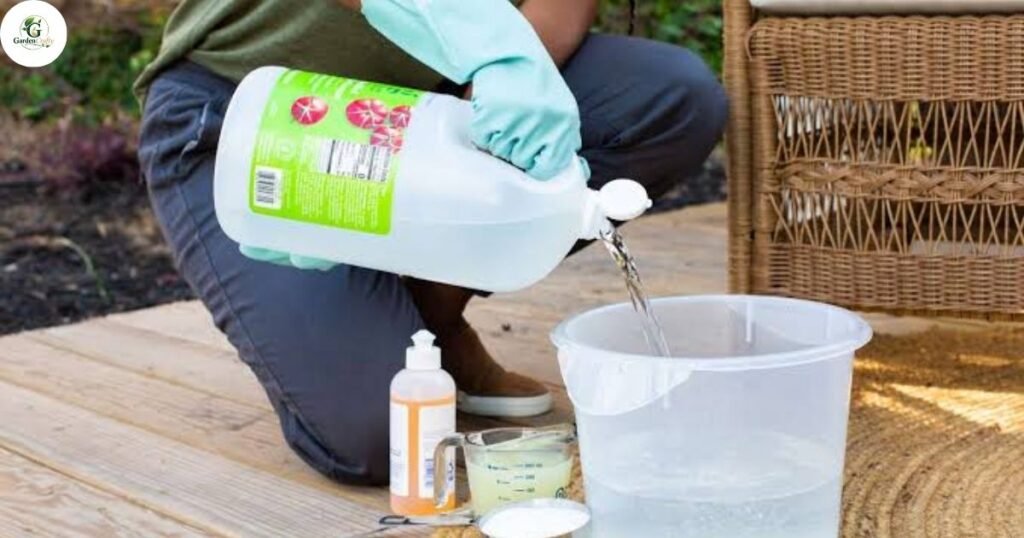
Vinegar and Salt Weed Killer
An option is the vinegar and salt weed killer, which utilizes the acetic acid in vinegar combined with the dehydrating properties of salt. This mixture not only targets weeds but minimizes harm to other plants when applied carefully.
For a more aggressive approach, try the boiling water weed control method; a simple pour can immediately scald unwanted growth while keeping your desired greenery intact.
Vinegar, Dish Soap, and Salt Spray
Another innovative solution is the vinegar, dish soap, and salt spray, which enhances the stickiness of the vinegar and increases its efficacy. This concoction clings to the leaves of weeds, penetrating their structure and ensuring a more thorough kill.
For those looking to prevent future infestations, corn gluten meal serves as an excellent pre-emergent barrier, inhibiting seed germination without harming existing plants.
Rubbing Alcohol Weed Spray
A rubbing alcohol weed spray can effectively desiccate unwanted foliage when targeted strategically, embodying a versatile and eco-friendly approach to lawn care. Embrace these DIY methods for sustainable weed control, ensuring a lush and healthy landscape all season long!
How to Apply Weed Killers Effectively
Application technique determines whether your grass survives:
To apply weed killers effectively, thoroughly wet the leaves of actively growing target weeds on a calm, dry morning when no rain is expected for at least 4 hours.
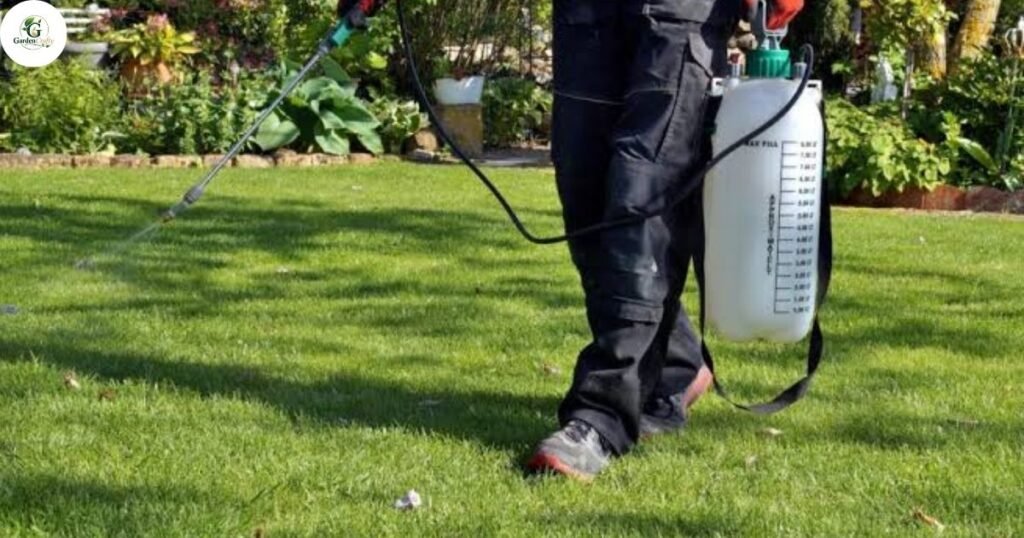
- Read the label: Check the specific product instructions from manufacturers like Corteva for accurate mixing rates and target weed types.
- Wear protective gear: Put on a long-sleeved shirt, long pants, rubber gloves, goggles, and closed-toe shoes or boots.
- Check the weather: Choose a calm, windless day to prevent chemical drift onto desirable plants or grass, and make sure no rain is forecasted immediately.
Seasonal and Regional Considerations
Seasonal and regional considerations play a critical role in effective weed control strategies.
Early Spring Weed Control: Early spring is a pivotal time when emerging weeds can quickly outcompete desirable plants. Utilizing pre-emergent herbicides during this period can significantly reduce the prevalence of annual weeds, giving your garden or lawn a fighting chance.
In regions prone to cool and wet conditions, timing is crucial. Excess moisture can reduce the efficacy of these herbicides, necessitating tailored approaches that weigh local climate impacts.
Late Summer and Early Fall Weed Control: As the seasons transition into late summer and early fall, the focus shifts to managing persistent perennial weeds. This is often the ideal window for summer contact weed control, where targeted applications can disrupt the life cycles of stubborn weeds before they go to seed.
Weed Control in Cool and Wet Conditions: Adjusting your weed control methods to your regional climate can lead to better outcomes, ensuring you aren’t just reacting to weeds but proactively preventing their resurgence. Recognizing these seasonal nuances not only streamlines your weed management efforts but cultivates a healthier and more resilient landscape.
Store-Bought Weed Killer Products Option in the USA
When it comes to battling stubborn weeds, store-bought options in the USA offer an array of innovative products that cater to eco-conscious gardeners.
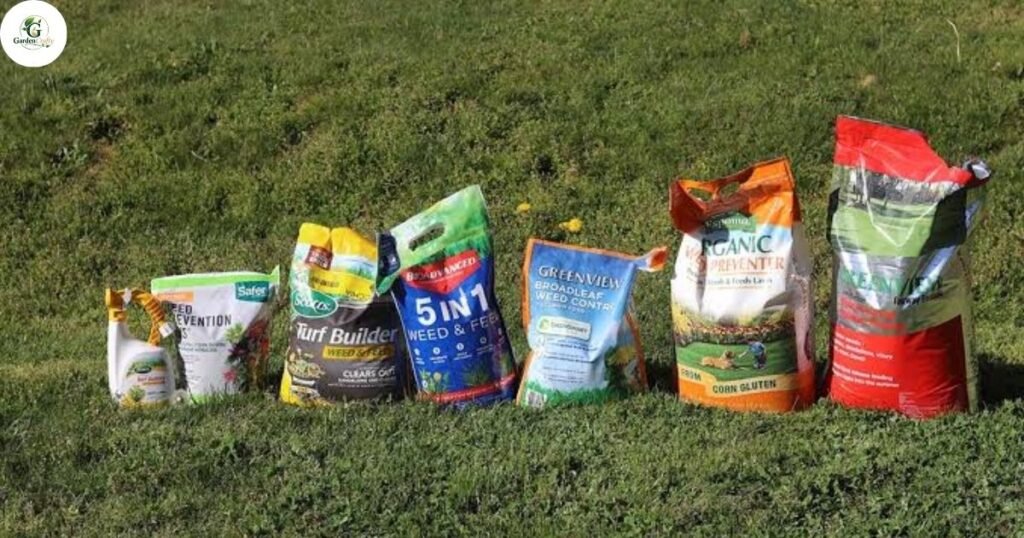
Sea Salt Weed Killers:One intriguing choice is sea salt weed killers, which leverage the natural desiccating properties of salt to dehydrate weed foliage. While effective, it’s essential to use these sparingly, as excessive salt can disrupt soil health over time.
High-Concentration Acetic Acid Sprays:On the more potent side, high-concentration acetic acid sprays stand out for their fast-acting abilities. These powerful solutions can target weeds swiftly, making them an attractive choice for those seeking immediate results.
Essential Oil Weed Killers:For a gentler alternative, essential oil weed killers utilize plant-derived ingredients, providing an aromatic approach to weed management without harsh chemicals.
Herbicidal Soap Sprays:Herbicidal soap sprays offer a biopesticidal option, effectively smothering weeds while being safe for beneficial insects.
Corn Gluten Meal Products:Corn gluten meal products serve a dual purpose, acting as a pre-emergent herbicide that not only suppresses weed growth but also enriches the soil. Each of these options presents unique benefits, allowing gardeners to choose products that align with their values and gardening goals.
Weed Prevention Methods
Proper Mowing for Weed Prevention:Proper mowing is a cornerstone of effective weed prevention, yet many gardeners overlook its significance. By maintaining the correct mowing height typically around 3 inches for most lawns you allow grass to develop deeper roots, creating a formidable barrier against weed encroachment.
Taller grass shades the soil, reducing the germination of weed seeds and promoting an overall healthier lawn. This simple practice transforms your yard into a resilient ecosystem, discouraging pesky invaders while encouraging lush greenery.
Mulching Garden Beds and Borders:In addition to mowing, mulching your garden beds and borders serves as a dual-purpose strategy for weed control and moisture retention. A thick layer of organic mulch not only suppresses sunlight, preventing weed growth, but also enriches the soil as it decomposes over time.
Original materials such as shredded leaves or wood chips can work wonders, providing a natural aesthetic while simultaneously fostering a thriving environment for your plants.
Corn Gluten Meal for Long-Term Prevention:For a long-term solution, consider incorporating corn gluten meal into your weed management regimen. This natural pre-emergent herbicide disrupts the germination process of weed seeds without harming desirable plants.
When used strategically, it can create an ongoing defense against unwanted growth and is particularly effective when applied in early spring.
Building a Dense and Healthy Lawn: Building a dense and healthy lawn acts as nature’s first line of defense. Healthy grass chokes out weeds, so focusing on soil health, aeration, and proper watering will create a thriving environment where weeds struggle to take root. Embrace these innovative strategies, and your garden will flourish with minimal competition.
Related Tips & Guides
What fertilizer to use in spring depends on your grass type, soil condition, and seasonal needs. A balanced fertilizer can provide essential nutrients and support healthy, steady lawn growth.
Overseeding Fescue in Fall is a great way to improve thin or patchy areas before winter arrives. Cool temperatures and suitable soil conditions help fescue seed establish strong roots.
How Much Grass Seed to Overseed a Lawn depends on the lawn size, grass variety, and how thin the existing turf is. Using the right amount of seed helps achieve even coverage without unnecessary waste.
Lawn Damage from Dogs and How to Protect It starts with understanding common problems such as worn areas and repeated traffic. Simple steps like training, designated play areas, and timely lawn care can help reduce damage.
Pros and Cons
Natural weed killers offer a variety of benefits that appeal to eco-conscious gardeners.
Benefits of Natural Weed Killers: One of the standout advantages is their safety profile; unlike chemical herbicides, many natural alternatives minimize harm to non-target plants, beneficial insects, and even pets. This aligns with an increasing demand for sustainable gardening practices that prioritize environmental health.
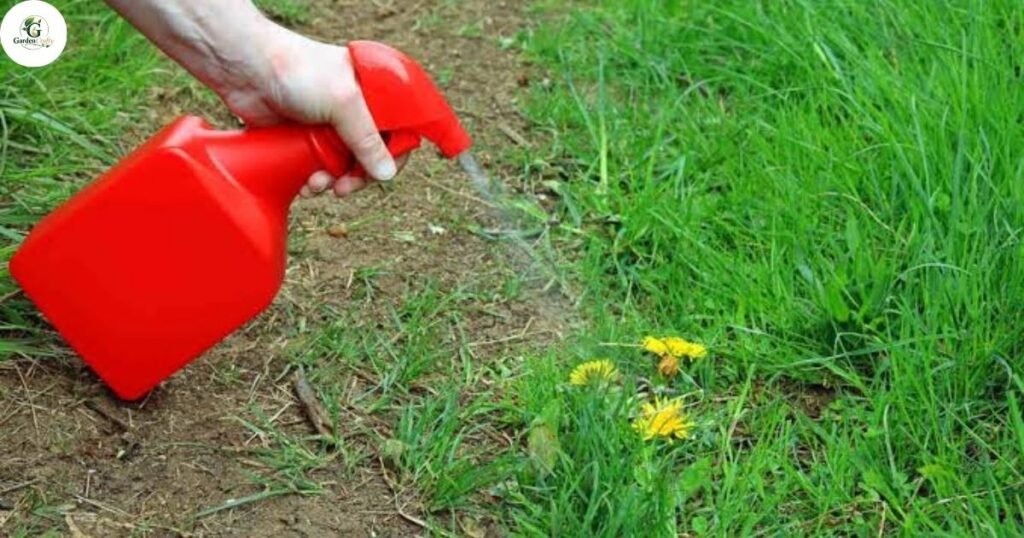
Not only do these methods reduce chemical runoff, but they also often enhance soil quality over time, fostering a balanced ecosystem.
Challenges and Effectiveness Considerations: The limitations of natural weed killers cannot be ignored. Their effectiveness can vary depending on the type of weeds and the specific conditions of the garden, which means patience and persistence may be required for optimal results.
Some natural solutions may need frequent reapplication, complicating their use for busy gardeners. Understanding these challenges is essential for anyone looking to switch from synthetic to organic methods, ensuring that expectations align with reality in the pursuit of a lush, weed-free landscape.
Conclusion
Utilizing Natural Weed Killers not only helps you maintain a pristine lawn but also ensures the health of your grass and surrounding environment.
By opting for organic solutions, you can effectively target unwanted weeds without resorting to harsh chemicals that may harm beneficial plants and wildlife.
FAQs
How can I Easily kill Weeds Without Ruining my Grass?
One of the simplest approaches is to use a selective herbicide designed for broadleaf weeds, which targets unwanted plants without damaging your grass. Be sure to read the label carefully to ensure safety for your specific grass type and follow the recommended application guidelines.
How do I Kill weeds Without Killing Grass?
To effectively kill weeds without harming your grass, consider using targeted herbicides that specifically target broadleaf weeds while being safe for your lawn type. Products containing ingredients like 2,4-D or dicamba are designed to eliminate common weeds without affecting grass.
How can I kill Weeds in my Lawn Naturally?
To kill weeds in your lawn naturally, consider using a mixture of vinegar and salt. Spray a solution of white vinegar with a high acetic acid content and salt directly onto the weeds on a sunny day, as this combination dehydrates the plants.
How to Remove Weeds from a Lawn Without Chemicals?
To remove weeds from your lawn without using chemicals, consider employing natural methods like hand-pulling, which is effective for smaller infestations. Make sure to pull the weeds out by the root to prevent regrowth.
What Kills Weeds but not Lawn?
To kill weeds without harming your lawn, consider using selective herbicides that target broadleaf plants while sparing grass. Products containing ingredients like 2,4-D are effective in eliminating common weeds without damaging your turf.