PH Level For Grass: What It Is, Best Range, And How To Fix It
The secret often lies in the PH level for grass, a critical factor that influences nutrient availability and grass health. We will guide you through the ideal pH range for different grass types and provide proven solutions for correcting imbalances.
Ideal PH Level For Grass
The ideal pH level for grass typically ranges from 6.0 to 7.0, striking a balance where nutrients are most readily available to the roots.
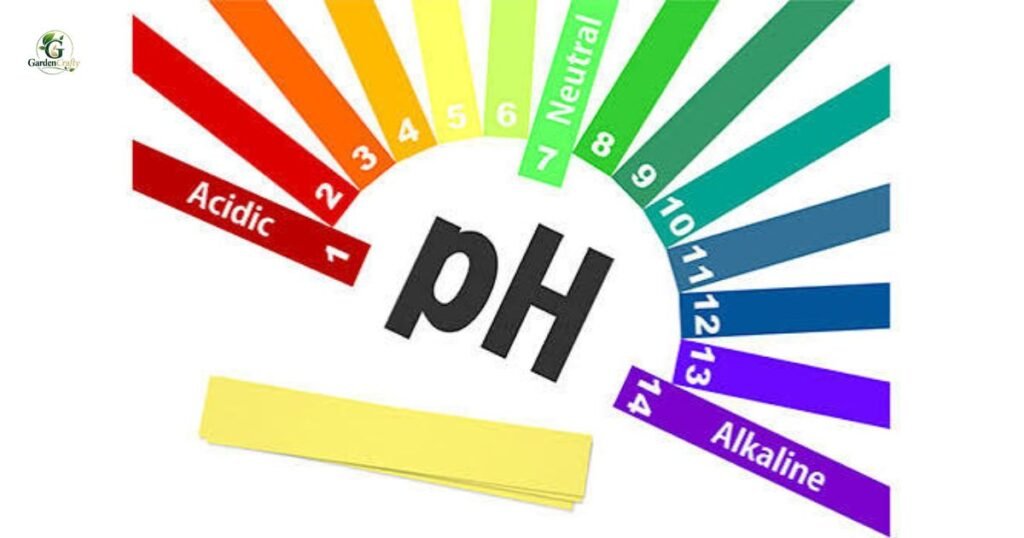
What Is Soil PH?
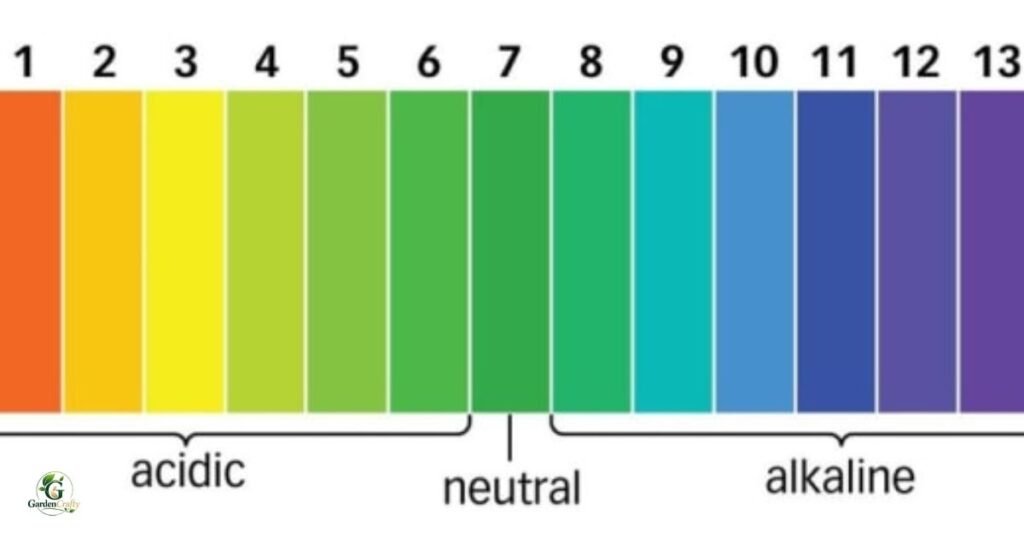
- Soil pH plays a critical role in determining the health and productivity of plants, but many gardeners overlook its importance. While a pH level of 7 is considered neutral, which supports a wide range of plants.
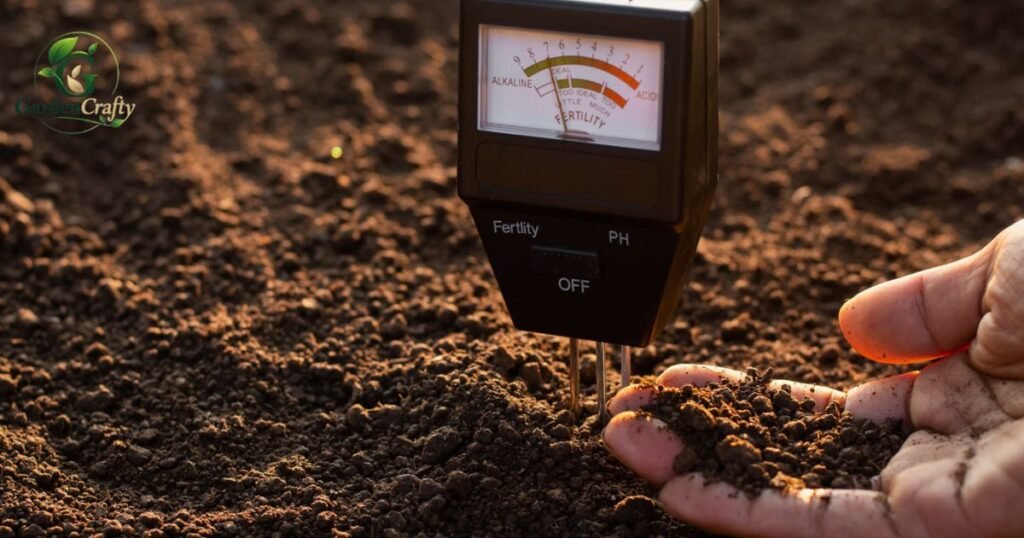
- Below 7 signal acidity, and those above indicate alkalinity. Acidic soils can hinder nutrient availability, especially for essential elements like nitrogen and phosphorus, which negatively impacts plant growth.
- Alkaline soils can disrupt iron absorption, leading to chlorosis and other nutrient deficiencies.
Why PH Level For Grass Matters?
- The pH level of your grass plays a crucial role in its overall health and vigor. When the soil’s pH isn’t in the optimal range, essential nutrients stay locked in the soil, preventing your lawn from absorbing them.
- This nutrient deficiency can lead to weak roots, making grass more susceptible to disease and environmental stressors.
- Root system, your lawn struggles to thrive, resulting in a slower growth rate and an uneven appearance.
- Fertilizer in the wrong pH conditions often yields poor results. Lawn treatments that would otherwise invigorate your grass can fall flat, leaving you frustrated with an unfulfilled landscape.
Best PH Level For Grass
Most lawn grasses grow best between 6.0 and 7.0.
This range supports steady growth and strong roots.
PH Range By Grass Type
- Bermuda grass and Zoysia grass thrive in a neutral to slightly acidic environment, with an optimal pH range of 6.0 to 7.0. This range facilitates nutrient absorption, allowing these grasses to flourish under the right conditions
. - St. Augustine grass, with its preference for a slightly acidic environment of 6.0 to 6.5, is particularly common in warmer regions but can struggle if the soil pH strays too far from this range.
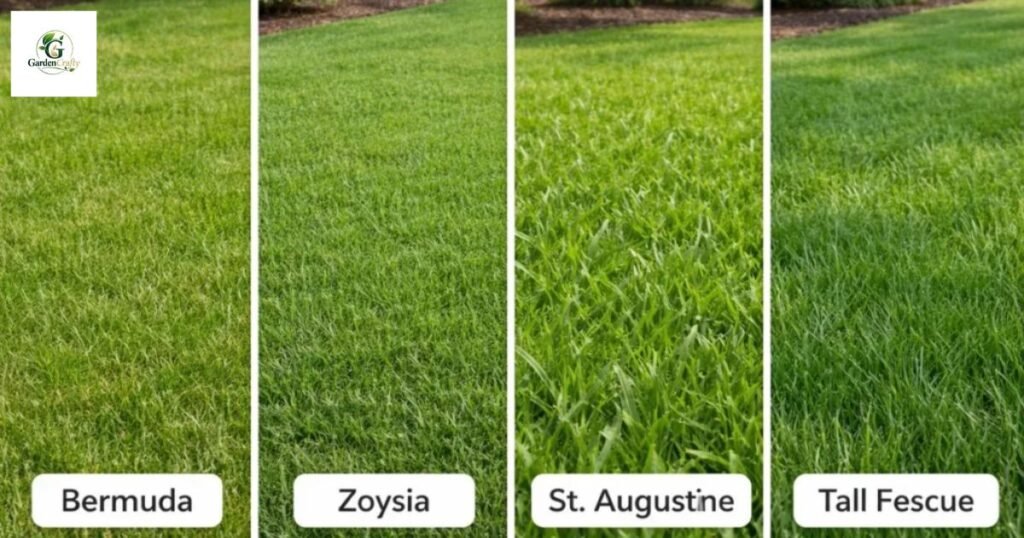
- Tall fescue requires a slightly broader pH range, thriving between 6.5 and 7.5. This adaptability makes it an excellent choice for varied climates and soil conditions, allowing it to absorb a wide array of nutrients that would otherwise be locked away in less-than-ideal soils.
- Centipede grass stands out with its tolerance for lower pH levels of 5.0 to 6.0, making it ideal for sandy soils that may otherwise inhibit growth for more pH-sensitive varieties.
By tailoring your lawn care practices to these pH preferences, you can unlock the full potential of your grass type and enjoy a lush, healthy landscape.
| Grass Type | Season Type | Ideal pH Range |
| Bermuda | Warm-season | 6.0 – 7.0 |
| Zoysia | Warm-season | 6.0 – 7.0 |
| St. Augustine | Warm-season | 6.0 – 6.5 |
| Tall Fescue | Cool-season | 6.5 – 7.5 |
| Centipede | Warm-season | 5.0 – 6.0 |
2-Second Lawn pH Check:✔ Grass looks green but weak → pH problem likely ✔ Fertilizer not working → pH may be off ✔ Yellow patches + slow growth → test soil pHIf you see 2 or more signs, test your soil before adding anything.
Where Grass Fits On The PH Scale?
- When the soil’s pH dips below 5.0, grass roots face an uphill battle. This acidic environment can weaken roots, making them more susceptible to diseases and pests while hampering nutrient absorption.
- Grass thrives best around a pH level of 7.0, where it enjoys a balanced environment for steady growth. At this neutral point, essential nutrients are readily available, allowing the grass to establish strong roots and lush, vibrant blades.
This optimal pH also fosters beneficial microbial activity in the soil, promoting a healthy ecosystem that supports overall plant health.
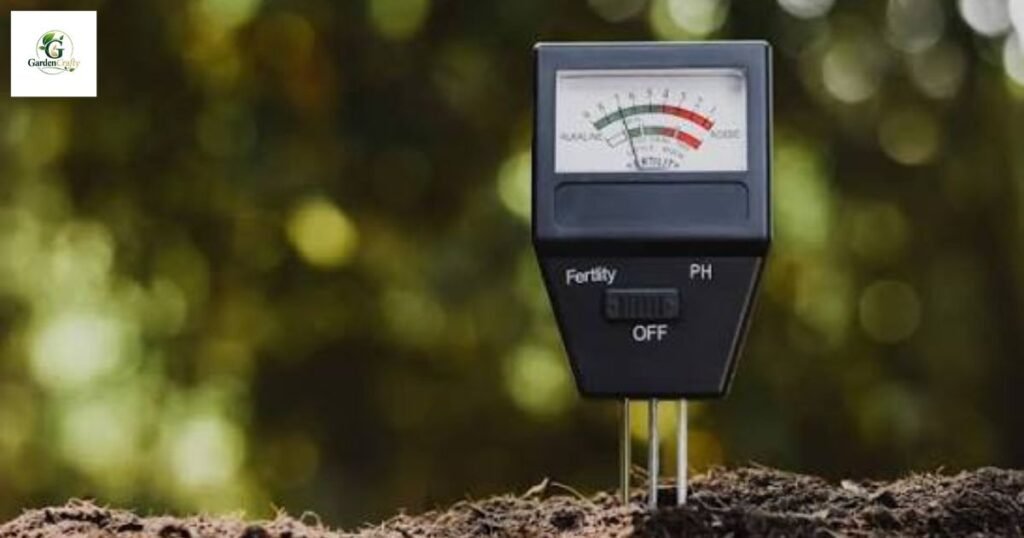
- When the pH climbs above 7.8, grass struggles as high alkalinity can block nutrient uptake. Essential elements like iron and phosphorus become less accessible, leading to stunted growth and a lack of vibrancy.
Where grass falls on the pH scale can inform better care and management practices, ensuring a flourishing lawn.
Effects Of Wrong PH On Lawn Health
The pH level of your lawn plays a critical role in nutrient availability and overall plant health. When the soil pH strays too far from the ideal range of 6.0 to 7.5, symptoms may manifest subtly at first, often mistaken for other issues.
For instance, a low pH (acidic soil) can lead to nutrient lockout, particularly for essential elements like phosphorus and magnesium.
Low PH (Too Acidic)
- Low pH levels in soil create an environment that’s not just unwelcoming for plants, but also a breeding ground for issues like yellow grass and weak roots.
When the soil becomes too acidic, essential nutrients become unavailable, leading to a decline in grass health. - Those vivid green blades may quickly turn to an unsightly yellow, signaling stress that often goes unnoticed until it’s too late.
- Moss growth becomes another telltale sign of low pH. This resilient organism thrives in acidic conditions, overshadowing your grass and indicating that your lawn’s health is compromised.
- Poor fertilizer results accompany this imbalance; The nutrients intended to promote lush growth instead lead to disappointment, depriving your garden of its vibrant potential.
High PH (Too Alkaline)
- A high pH level in soil, indicating an overly alkaline environment, can have detrimental effects on plant health. One of the most visible signs is the appearance of pale grass, which struggles to thrive in such conditions.
- The excess alkalinity can hinder vital nutrient absorption, particularly iron, making it unavailable to plants.

- This deficiency can result in thin growth and lackluster foliage, diminishing not just appearance but also resilience against pests and diseases.
| Lawn Problem | Likely pH Issue | What to Do |
| Yellow grass | Soil too acidic | Test soil and apply lime if needed |
| Pale grass | Soil too alkaline | Lower pH with sulfur or compost |
| Fertilizer not working | pH imbalance | Fix pH before adding more fertilizer |
| Moss growth | Acidic soil | Raise pH slowly over time |
Factors That Change Lawn PH
- Rainfall; frequent or heavy rains can leach alkaline minerals from the soil, often shifting pH toward acidity.
- Fertilizer use is another crucial component affecting lawn pH. Many common fertilizers are acidic, and their application can gradually lower soil pH.
- The type of soil in your yard sandy, clayey, or loamy exhibits unique pH traits and behaviors. Sandy soils tend to drain quickly and can become acidic more easily than clay soils, which retain moisture.
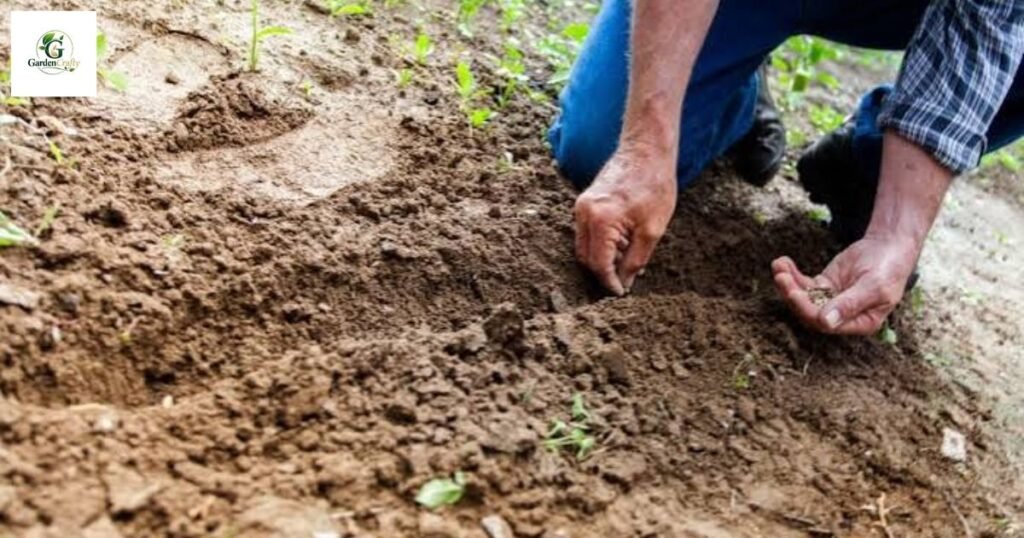
- The breakdown of organic matter introduces its own set of variables; as organic materials decompose, they contribute to soil acidity, underscoring the intricate interplay of these factors in maintaining optimal lawn health.
How To Test Lawn Soil PH?
Testing your lawn soil’s pH is crucial for creating the ideal growing environment for your grass and plants.
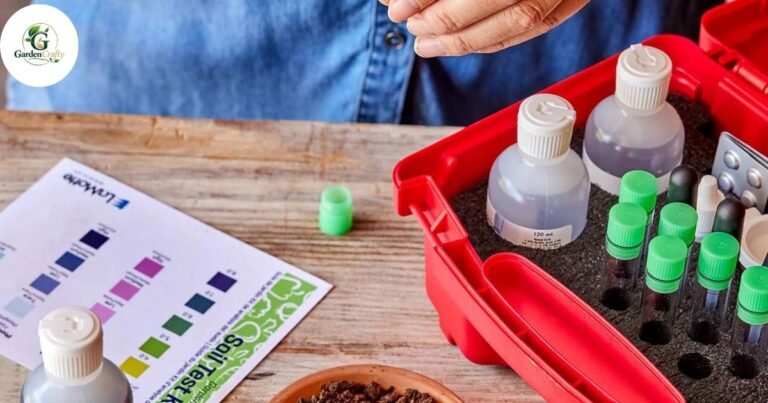
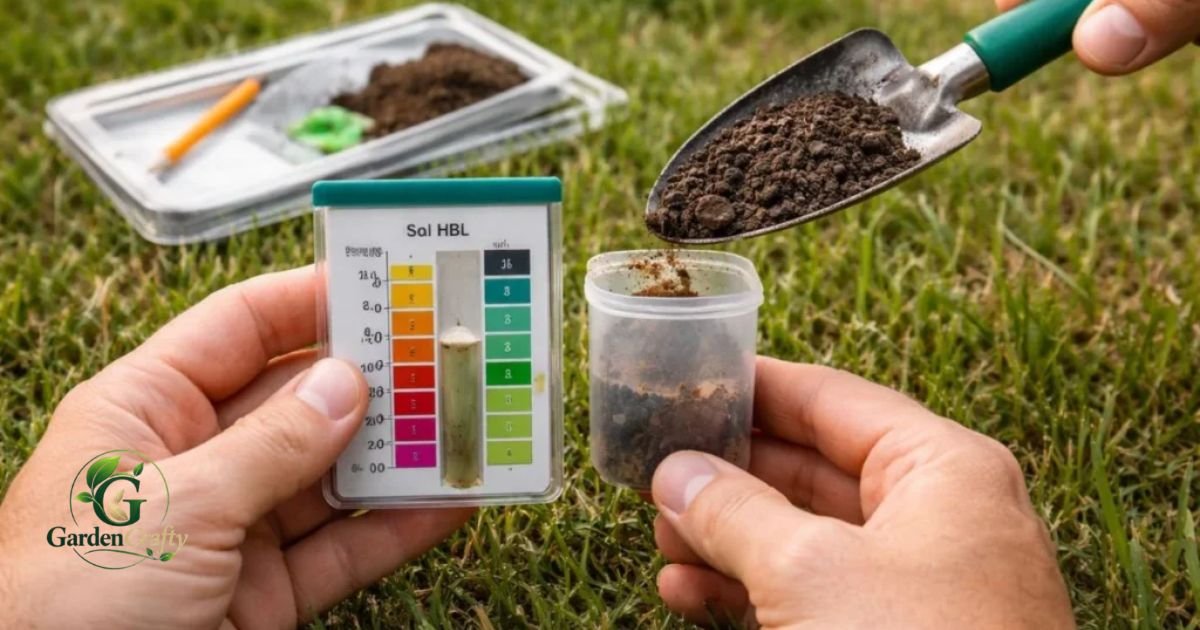
One easy method is to use a home pH testing kit, which can be found at most garden centers or online. Simply collect a sample of soil from different areas of your lawn, mix it with distilled water, and follow the kit’s instructions.
DIY Soil Testing
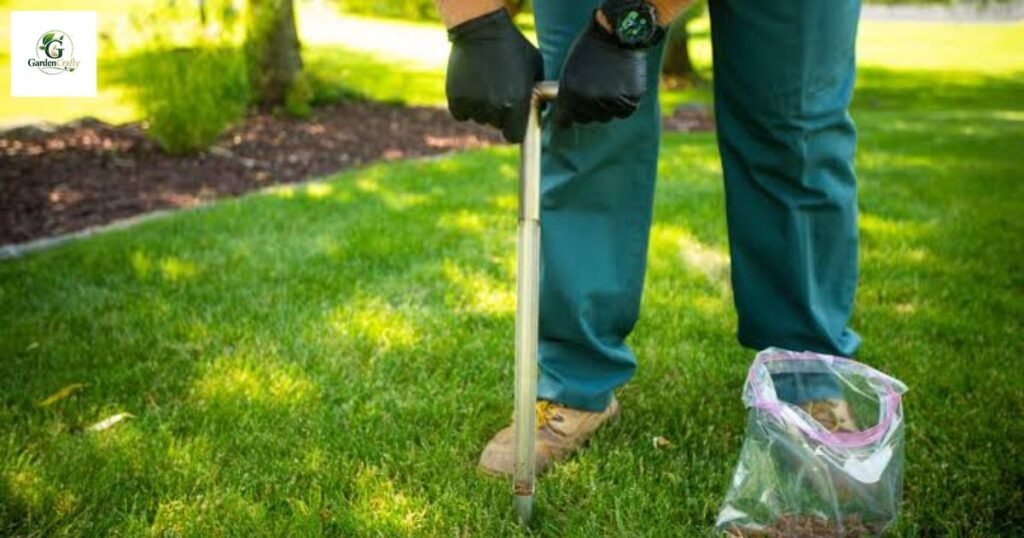
- To achieve optimal garden health, DIY soil testing is a game-changer. Start by collecting soil from 4 to 6 areas around your garden, ensuring you capture a diverse representation of your soil’s characteristics.
- Dig about 4 to 6 inches deep to gather samples that reflect the nutrient profile of your planting zone.This depth not only provides a snapshot of the soil’s fertility but also helps you understand the effects of root systems and organic matter.
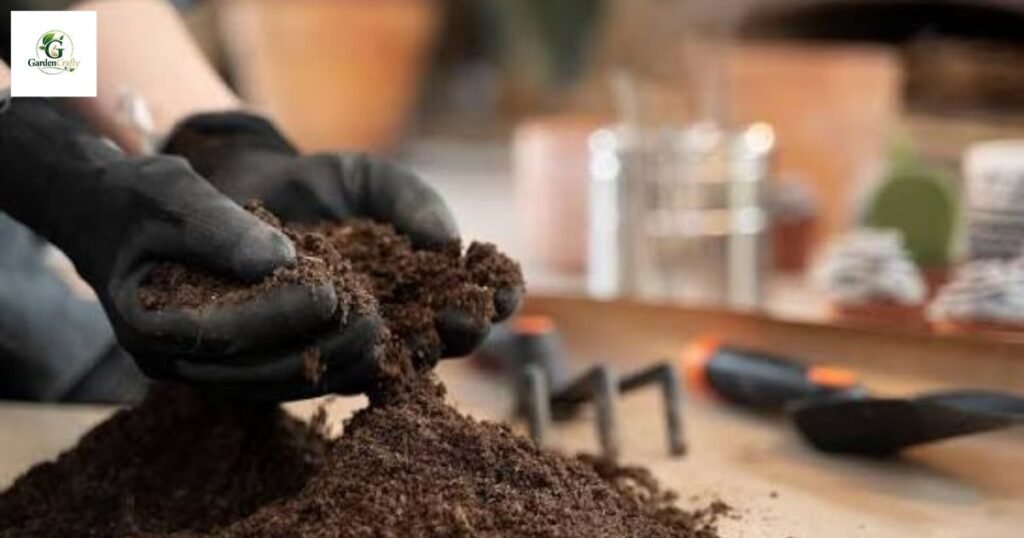
- After mixing, you can proceed to test for pH, nitrogen, phosphorus, and potassium levels using home testing kits available at local garden centers.
This hands-on approach not only empowers you to tailor your soil amendments more precisely but also fosters a deeper connection with the natural ecosystem you are nurturing.
Professional Soil Testing
- Professional soil testing offers a deeper understanding of your lawn’s health by providing more accurate readings of nutrient levels than standard home testing kits.
By analyzing soil chemistry and pH balance, these services reveal the critical elements that may be lacking or imbalanced, enabling you to tailor your lawn care regimen precisely.
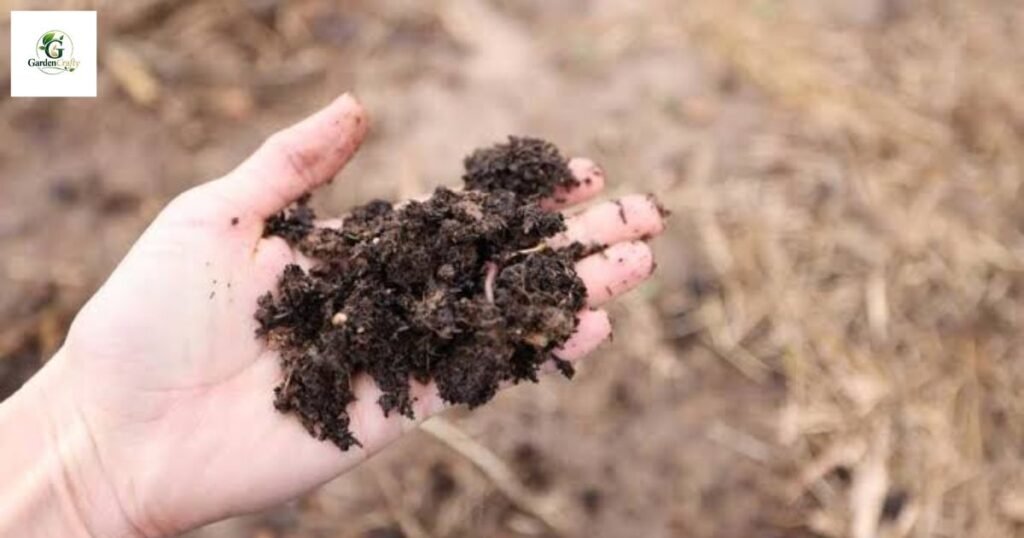
- This tailored approach is particularly helpful for problem lawns in those areas that struggle with growth or exhibit erratic patterns; the science behind soil testing can illuminate underlying issues that homeowners might overlook.
Soil PH Can Vary Across One Lawn
- In shady areas, where grass might struggle to thrive, the pH can often trend more acidic. This is due to decomposing organic material and lower evaporation rates, which can slow mineral breakdown.
- Sunny spots tend to promote higher pH levels, particularly if the soil is dry. Sunlight accelerates evaporation, creating a more alkaline environment that can affect nutrient availability.
- Wet areas, on the other hand, can keep pH levels in check but might also lead to leaching, where beneficial minerals wash away.
These variations not only help in optimizing lawn health but also encourage a strategy tailored to the unique micro-ecosystems within your yard.
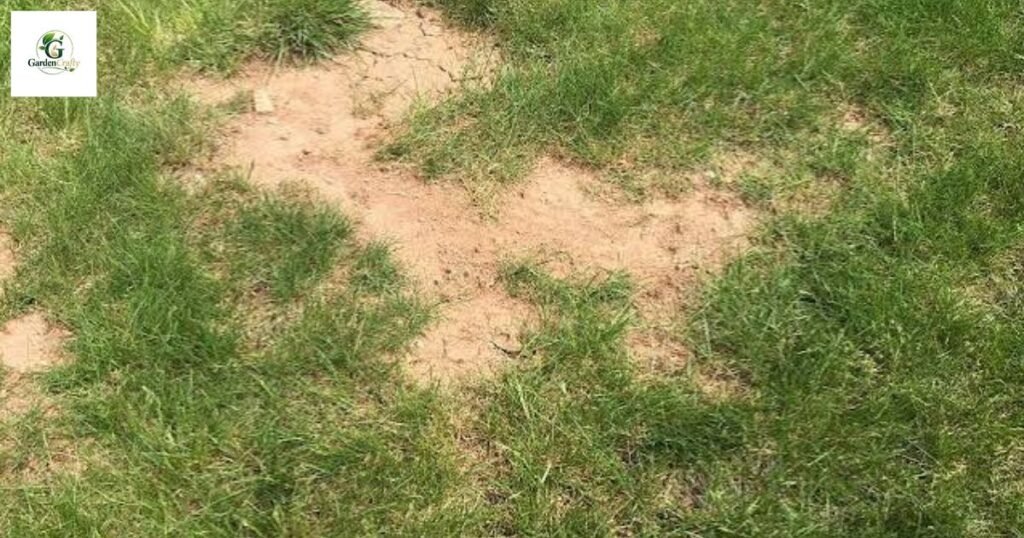
- By testing and adjusting the pH in different zones, you can create a flourishing landscape that celebrates the lawn’s inherent diversity.
- A dry spell can exacerbate existing acidic conditions, as the evaporation of water pulls minerals away from the soil, leaving behind a more pronounced imbalance.
This means that what appears as a uniform lawn may actually be a patchwork of distinct ecosystems, each with unique needs.
Fertilizer And Soil PH
- For effective gardening, pH may be the real issue lurking beneath the surface. Many gardeners invest in fertilizers, believing that nutrients are the magic solution for thriving plant. The soil’s pH levels, all the nutrients in the world might not yield the desired results.
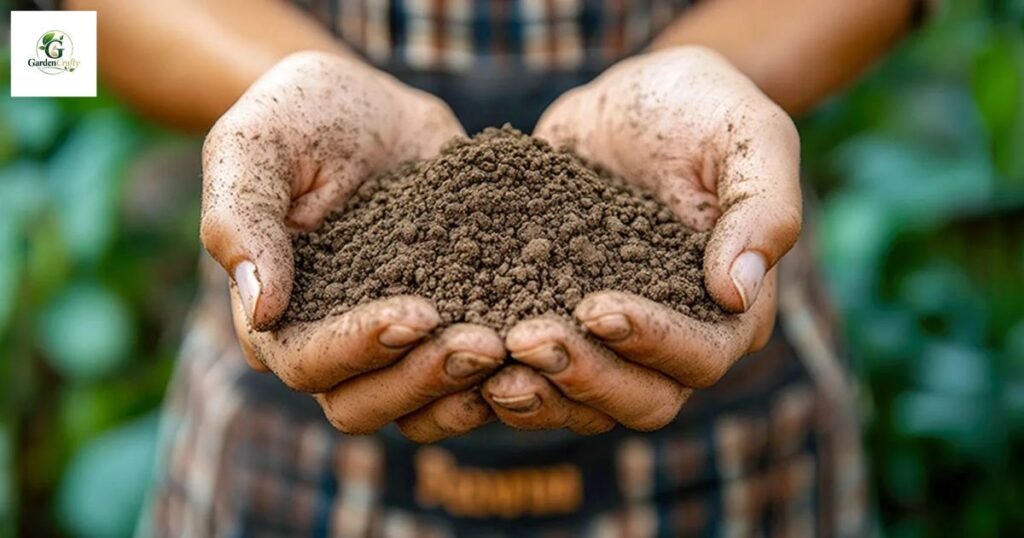
- Testing saves money and effort in the long run, allowing gardeners to tailor their inputs more precisely.By conducting a simple soil test, you can unveil insights about your garden that are often overlooked.
How To Fix Soil PH?
Adjusting soil pH is a nuanced art that starts with understanding your soil’s unique characteristics. Test your soil using a reliable kit or send samples to a local cooperative extension. Once you gauge its current pH level, the next step involves selecting the right amendment.
Raising Low PH (Acidic Soil)
- Apply lime in the fall, allowing the material to integrate with the soil during the cooler months. This method not only gives soil microorganisms ample time to break down the lime, but it also helps prevent nutrient lock-up that can occur in acidic conditions.
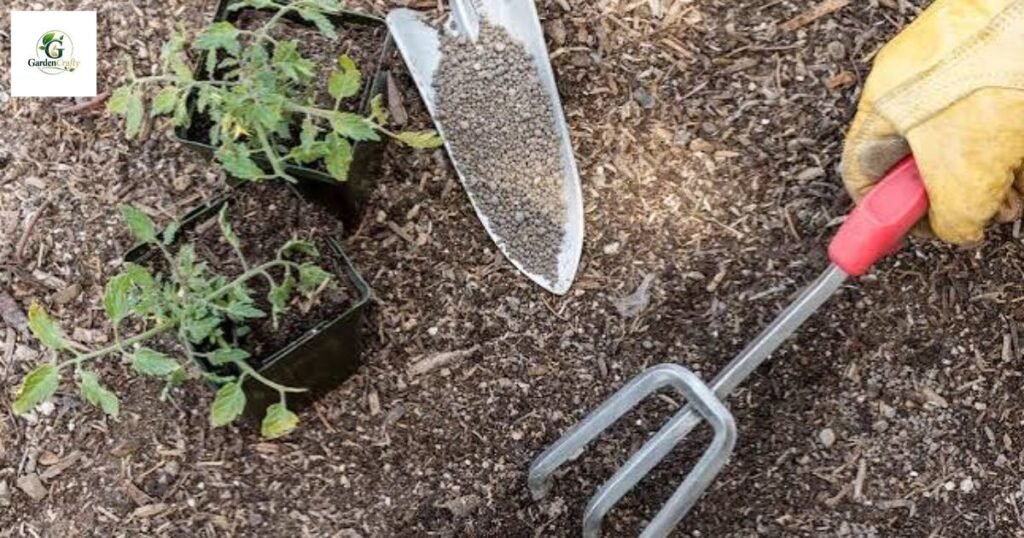
- When you spread lime evenly across your garden, you’re ensuring that all plants benefit from the pH adjustment.
- Water after application to enhance its effectiveness, allowing the lime to penetrate deeper into the soil profile. This hydration aids the chemical reaction necessary to raise soil pH, setting the stage for healthier root systems and increased nutrient availability.
Lowering High PH (Alkaline Soil)
- One effective method is to apply small amounts of elemental sulfur or other acidifying agents, which can gradually lower the pH.
- After applying these amendments, water well to help activate the compounds and encourage their interaction with the soil. This step not only distributes nutrients evenly but also aids in the process of acidification.

- Retest your soil after several weeks to gauge the effectiveness of your interventions. This periodic assessment allows you to adjust your strategy based on the emerging needs of your garden, ensuring that your plants thrive in a balanced environment.
Before You Fix Soil PH
- Before diving into soil pH correction, it’s crucial to first identify your grass type, as different varieties thrive at varying pH levels. For instance, cool-season grasses often prefer slightly acidic conditions, while warm-season varieties can handle a broader range.
- Testing soil in several areas of your yard can unveil surprising differences in pH levels that may go unnoticed. Conducting a thorough analysis allows you to pinpoint problem areas, ensuring that your efforts are focused where they matter most.
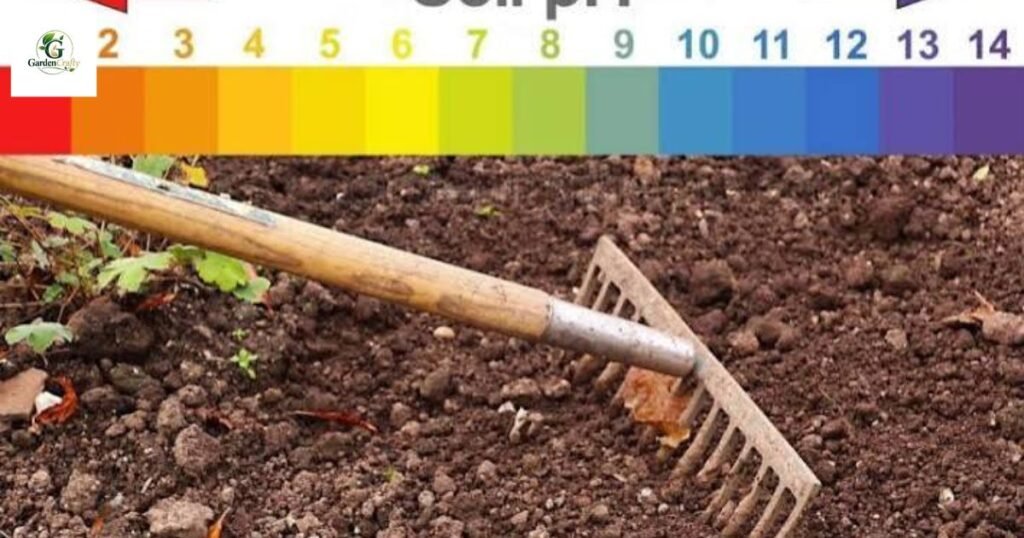
- Recent fertilizer use; certain products can inadvertently skew pH levels.
- Avoid adding any amendments without first obtaining test results. Going blind can lead to a cascade of problems rather than solving them.
How Long Does It Take To Fix Lawn PH?
- When opting for lime to raise pH levels, you can expect noticeable changes within a few weeks, but achieving optimal conditions may take several months.
- On the flip side, utilizing sulfur to lower pH levels can yield results in a slightly quicker timeframe, typically transforming your soil in about 4 to 8 weeks. Patience remains key, as the chemical reactions must occur for lasting improvements.
- Organic materials might be the best option for gradual change. This method enriches the soil ecosystem and enhances its resilience, ensuring that you’re not just adjusting pH but fostering an environment where your lawn can thrive long-term.
Simple PH Correction Timeline
- Week 0 marks the crucial foundation of your pH correction journey testing the soil. This initial step uncovers the current pH levels, allowing you to tailor your approach based on specific needs.
- Week 1, applying lime or sulfur can significantly shift the soil’s acidity or alkalinity. This intervention sets the stage for your plants to thrive, promoting healthier root systems and nutrient absorption.
- Weeks 4–8, retesting the soil becomes essential. This periodic check reveals how effectively the amendments have adjusted the pH, providing insights that can influence additional corrections if necessary.
- Check the grass response next season. Observing how your lawn thrives post-correction offers insights into the effectiveness of your pH management.
Regional Soil PH Trends In The United States
- Rainy regions, such as the Pacific Northwest, tend to have more acidic soils, primarily due to leaching processes where rainfall washes away bases, leaving hydrogen ions more prevalent.
This acidity can influence nutrient availability and can often pose challenges for cultivation, requiring careful management to counter nutrient depletion.
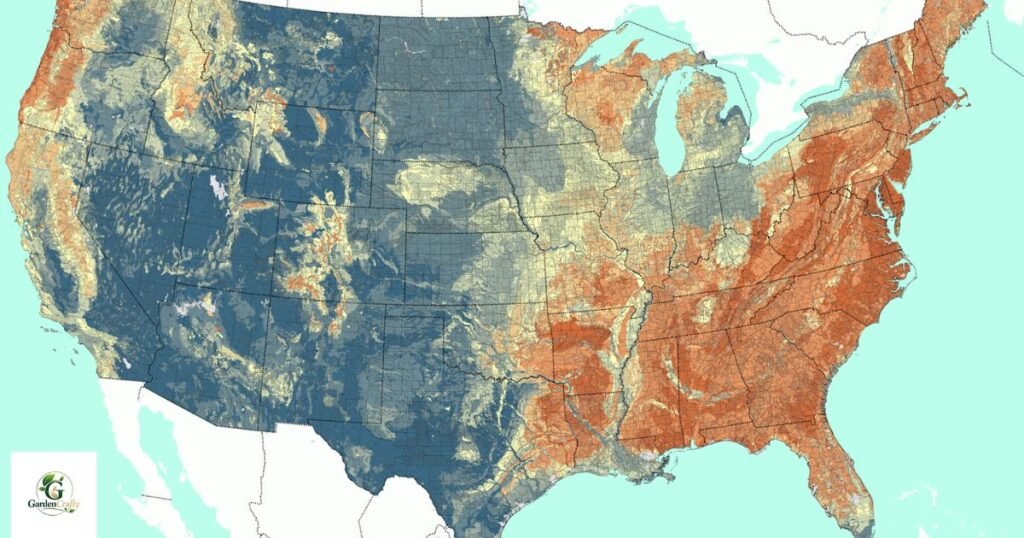
- Dry regions, particularly in the Southwest, often exhibit alkaline soil conditions. The limited rainfall leads to the accumulation of salts and minerals that elevate pH levels, creating unique challenges for farmers looking to optimize crop yield.
- Sandy soils can warm up faster in the spring, prompting earlier planting; they also require vigilant monitoring to maintain optimal pH levels, particularly as weather patterns and precipitation fluctuate.
How PH Affects Nutrient Availability?
- When the soil pH dips below 6.0, nutrients like iron remain locked in an unavailable form, rendering them inaccessible to plants.
This situation can lead to deficiencies, manifesting as yellowing leaves and stunted growth, ultimately affecting overall crop yields. - PH levels rise above 7.0, phosphorus can become fixated in forms that plants find hard to utilize.
This phenomenon often leaves gardeners and farmers grappling with the paradox of abundant phosphorus in the soil but inadequate plant uptake, stunting their efforts to promote lush, green growth.
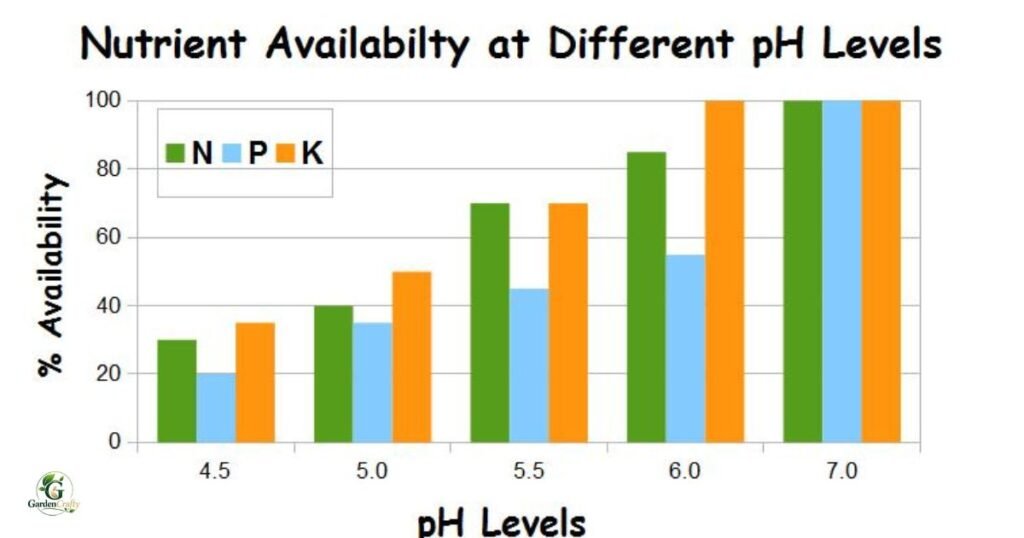
- High pH can lead to diminished nitrogen efficiency, as the microbial processes essential for nitrogen mineralization slow down, further crippling nutrient uptake.
Soil pH can be a game-changer, unlocking nutrient potential and paving the way for thriving gardens and productive fields.
Seasonal PH Care For Lawns
- Spring, the focus shifts to testing soil pH, a crucial step that sets the stage for a thriving lawn. By assessing the acidity or alkalinity of your soil, you can tailor your fertilization and amendment strategies effectively.
- Fall approaches, it’s time to correct any imbalances in pH. Applying lime or sulfur can recalibrate your soil’s acidity, fostering an environment conducive to root development and disease resistance.
This proactive adjustment allows your lawn to store energy and nutrients, laying a strong foundation for the coming winter.
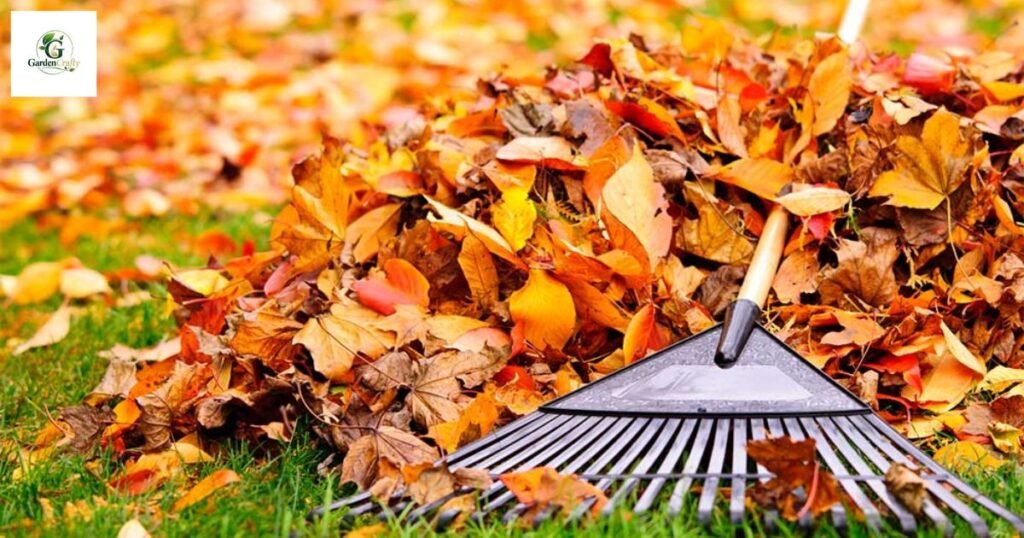
- During winter, while it may seem like the lawn is in dormancy, giving the soil a chance to rest is equally vital. This period allows beneficial microorganisms to thrive and break down organic matter, enriching the soil.
Signs Your Lawn Has PH Problems
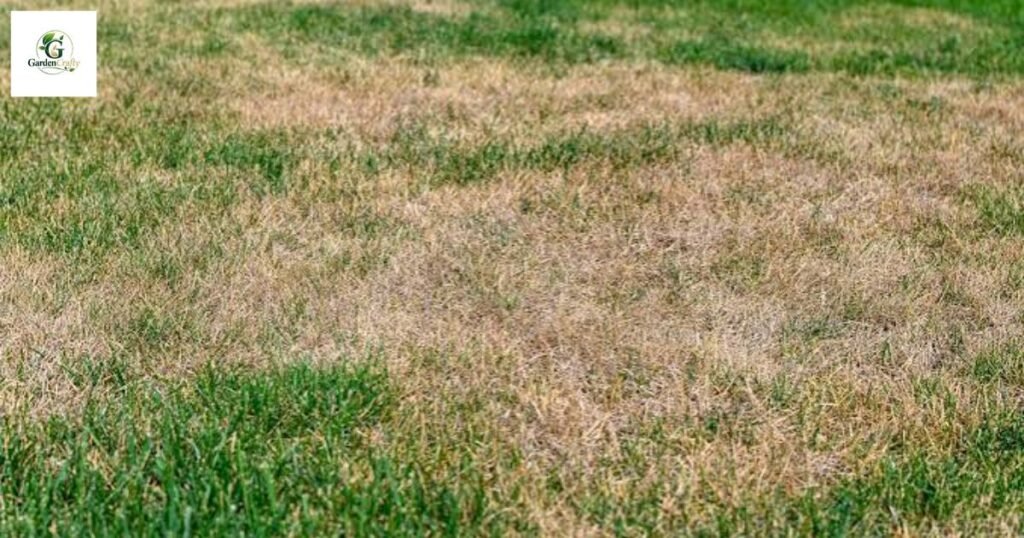
- Yellow or pale grass in patches across your lawn, it might be more than just a lack of water.
This discoloration can signal an underlying pH imbalance, where the soil may be excessively acidic or alkaline. - Thin growth is another telltale sign that your lawn may be struggling with pH issues.
Healthy grass thrives in well-balanced soil; however, imbalanced pH can lead to stunted roots and insufficient growth.
- Fast weed spread often indicates that your grass is stressed and unable to compete, making it easier for weeds to take hold, an unfortunate side effect of unfavorable soil conditions.
- If you’ve experienced fertilizer failure despite diligent application, it may be time to assess your lawn’s pH levels, as nutrient lockout can occur in extreme situations.
Common PH Mistakes
- PH mistakes gardeners make is skipping soil tests. Without this crucial step, you risk applying amendments based on guesswork rather than informed decisions, which can lead to nutrient imbalances and poor plant health.
- Adding lime every year without testing first. This practice assumes that your soil needs consistent alkalinity, but pH levels can change due to various factors like rainfall and crop rotation, potentially leading to over-liming.
- Using too much sulfur in an attempt to lower pH might appear effective at first, but excessive applications can harm beneficial microorganisms essential for soil health.
- Expecting quick results overlooks the natural processes at play; adjusting soil pH is often a gradual journey, requiring patience and persistent observation to achieve the desired balance.
Simple Lawn PH Checklist
- A lawn’s pH is crucial for cultivating a healthy green space, and it all starts with knowing your grass type.
Different grasses thrive at different pH levels, which means a tailored approach can make a significant difference in your lawn’s overall health. - Your grass, make it a habit to test your soil once a year. This yearly check-up provides a clear snapshot of your soil’s health, helping you determine if any adjustments are necessary.
- When it comes to adjusting pH, less is often more. Only make changes if your soil test indicates an imbalance; over-correcting can be detrimental.
- After applying any amendments, remember to retest your soil to gauge the impact of your efforts.
This cycle of testing and retesting ensures that your lawn thrives in its most ideal environment, allowing you to cultivate a lush, vibrant outdoor space you can be proud of.
Related Guides to Match Your Grass and Soil
Since Zoysia grass has such a specific pH preference, our dedicated guide to Zoysia Grass covers everything from choosing the right variety to the soil prep and fertilizer blend that keeps it thriving in that ideal range.
If you’re not sure which pH targets actually apply to your region, our guide to Grass Zones in the U.S. breaks down how climate and location shape both grass choice and soil conditions.
And since compacted soil can throw off nutrient absorption just as much as poor pH, our guide to lawn aeration covers how to open up your soil so amendments like lime or sulfur actually reach the roots.
Conclusions
The pH level for your grass is crucial for its overall health and vitality. A pH level between 6.0 and 7.0 is ideal for most grass types, ensuring optimal nutrient absorption and growth.
If your lawn’s pH strays from this range, there are several effective methods to amend it, such as adding lime to raise pH or sulfur to lower it.
FAQs
How to Fix pH in Grass?
The pH in your grass, the first step is to test the soil to determine its current pH level. Home test kits are widely available and can give you a quick reading. Grass generally thrives in a pH range of 6.0 to 7.0, so if your soil falls outside this range, adjustments will be necessary.
What’s a Good pH level for Grass?
A good pH level for grass typically falls between 6.0 and 7.0. This slightly acidic to neutral range promotes optimal nutrient availability in the soil, supporting healthy grass growth. Grass thrives best when nutrients like nitrogen, phosphorus, and potassium are in a form that plants can easily absorb, and a pH within this range helps facilitate that process.
Is 7.5 pH too high for Grass?
A pH of 7.5 is on the higher end of the scale for grass, typically ideal levels range from 6.0 to 7.0. Some grass types, especially those adapted to alkaline soils, can tolerate higher pH levels, most common turf grasses prefer slightly acidic to neutral conditions. At 7.5, you may start to see nutrient availability issues, particularly with iron, which can lead to chlorosis or yellowing of the grass.
How to increase pH level in Grass?
To increase the pH level in grass, you’ll want to focus on adding lime to your soil. Lime, or limestone, is a natural substance that can neutralize acidity, making the soil more alkaline and improving its pH levels of around 6.0 to 7.0 is ideal for most grasses.
What happens to Grass If pH is too Low?
If the pH of the soil is too low, meaning it is overly acidic, grass can experience significant stress, leading to various growth problems.Acidic soils can hinder the availability of essential nutrients like phosphorus, nitrogen, and potassium, for healthy grass growth.
What is the proper pH level for Grass?
Most lawn grasses grow best in slightly acidic to neutral soil, with a pH between 6.0 and 7.0. In this range, grass roots can absorb nutrients like nitrogen, phosphorus, and potassium easily.