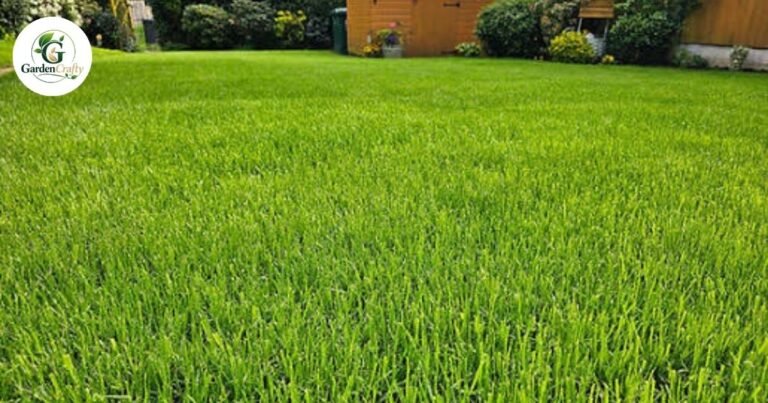

How Much Grass Seed to Overseed a Lawn?
To create that environment lies in understanding how much grass seed to overseed a lawn properly. We will cover essential considerations, such as grass seed rates based on lawn condition, grass type, and season, along with common overseeding mistakes to avoid.
Prepare to transform your lawn and learn valuable lessons from my experiences in achieving the ideal seed amount. Mastering how much grass seed to overseed a lawn could be the game-changer you need.
What Is Overseeding?
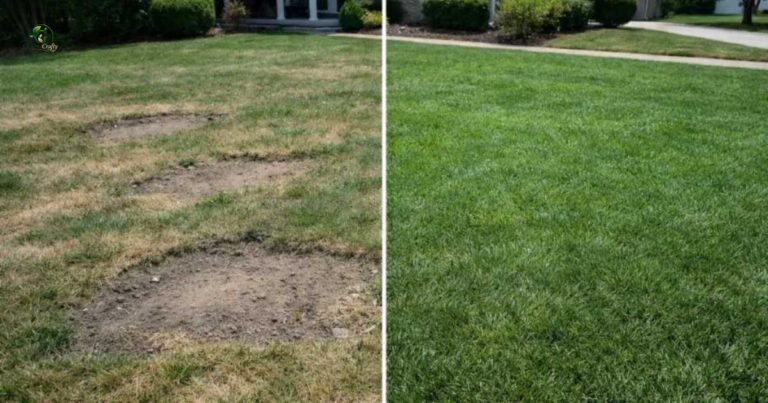
Overseeding is a strategic lawn care practice aimed at rejuvenating your yard by introducing new grass seed without tearing up the existing turf. This technique not only enhances the color and density of your lawn but also fills in bare patches and helps outcompete weeds.
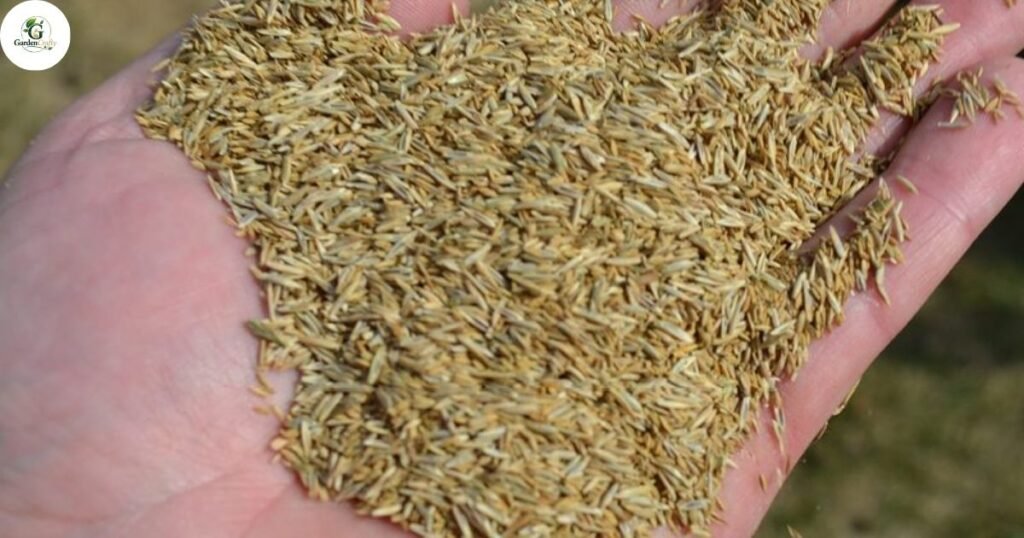
Step-by-Step Lawn Overseeding Guide:Reseeding, which often involves significant soil disturbance and may necessitate tearing up existing grass, overseeding is a more gentle approach that fosters a lush, healthy lawn while minimizing disruption.
How Much Seed Does Overseeding Require?:Understanding how much seed overseeding requires is critical for optimal results. You’ll want to apply 2 to 4 pounds of seed per 1,000 square feet, depending on the grass type and your lawn’s current condition.
Step-by-Step Lawn Overseeding Guide: Following a step-by-step lawn overseeding guide can make this process straightforward. Start by mowing your grass short and aerating the soil to ensure seed-to-soil contact. Next, spread the seed evenly, followed by a light topdressing of compost to enhance germination and nutrient availability. With proper care, overseeding can transform your lawn into a vibrant oasis all year round.
Why Seed Amount Matters
The amount of grass seed you use directly influences the health and vitality of your lawn.
Proper seed spacing: It matters because overcrowded seedlings compete for limited resources, leading to weak, spindly grass. This overcrowding can result in a host of problems, from increased susceptibility to disease to insufficient air circulation, ultimately hindering the lush growth you desire. Under-seeding creates bare patches that can invite weeds and pests, prolonging the struggle for a vibrant lawn.
How seed rate affects grass growth: it’s vital to strike a balance. Too many seeds can cluster together, creating a dense mat that limits sunlight and water access; meanwhile, too few can leave large areas exposed to the elements. Finding that sweet spot ensures that each blade has enough room to thrive, promoting a robust root system and denser turf.
Emphasizing the right seed amount can make all the difference in cultivating a lawn that’s not just visually appealing but also resilient to the challenges of weather, pests, and foot traffic.
How Much Grass Seed to Overseed per 1,000 Sq Ft
| Grass Type | Light Thinning | Medium Thinning | Heavy Thinning |
| Tall Fescue | 3 lbs | 4–5 lbs | 5–6 lbs |
| Kentucky Bluegrass | 1–1.5 lbs | 2 lbs | 2.5–3 lbs |
| Perennial Ryegrass | 3–4 lbs | 4–5 lbs | 5–6 lbs |
| Fine Fescue | 2 lbs | 2.5–3 lbs | 3–4 lbs |
Safe Overseeding Rates for Cool-Season Grasses
When considering overseeding your lawn, understanding the safe overseeding rates for cool-season grasses is crucial to achieving a lush, vibrant turf.
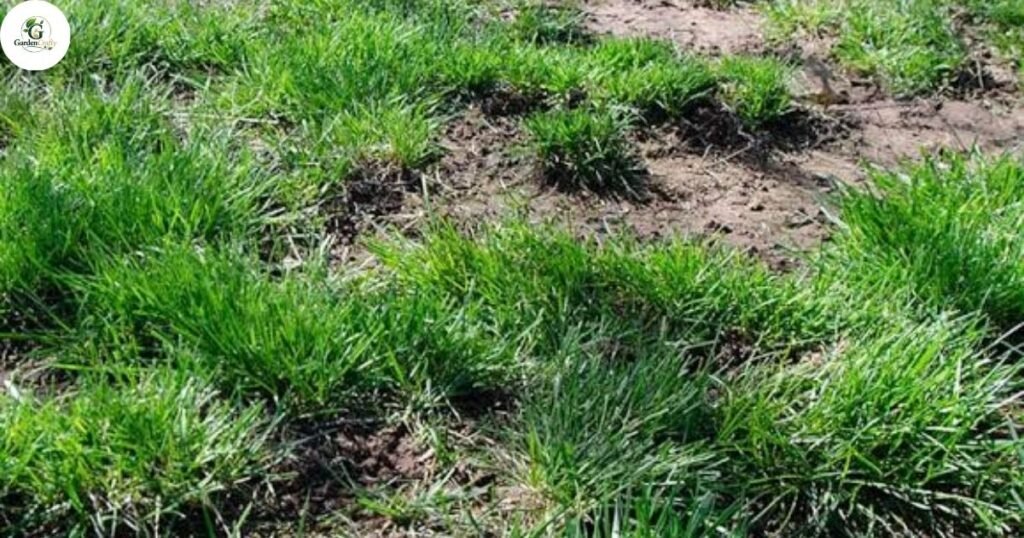
Kentucky Bluegrass, Perennial Ryegrass
For a well-maintained lawn, Kentucky bluegrass and perennial ryegrass typically require 5 to 10 pounds of seed per 1,000 square feet.
Tall Fescue Seed Rates by Lawn Condition
Fine fescue can thrive with even less, around 3 to 5 pounds. If your lawn is in poor condition, you may want to push these rates higher to 10 to 15 pounds for Kentucky bluegrass and perennial ryegrass to ensure adequate coverage and repair. The tall fescue seed rates can vary based on your current lawn status but usually fall within the range of 8 to 12 pounds.
Overseeding Rates vs. New Lawn Seeding Rates
It’s important to note the distinction between overseeding rates and new lawn seeding rates; the latter generally demands a higher seed quantity due to bare soil exposure. For instance, new seedings may require 15 to 20 pounds per 1,000 square feet, while overseeding focuses on filling in thinning patches and enhancing density.
Always take into account the specific condition of your lawn and the chosen grass type to determine the best strategy for overseeding. By carefully calibrating your approach, you’ll nurture a healthy, resilient lawn that stands out in the neighborhood.
Adjust Seed Amount by Lawn Condition
How to Choose the Right Overseeding Rate:Adjusting your seed amount based on lawn condition can dramatically transform your turf’s health and appearance. For example, when addressing thin grass, you’ll want to implement a seed rate that enhances density without overwhelming the existing growth. A lighter overseeding rate of around 3-5 pounds per 1,000 square feet is effective here, allowing existing grass to thrive while new seedlings fill in the gaps.
Seed Rate for Patchy and Bare Areas:Patchy and bare areas necessitate a more aggressive approach. A seed rate of 8-10 pounds per 1,000 square feet can help ensure sufficient coverage, promoting faster regrowth in those troubled spots.
Why should you adjust seed rates by lawn condition:Because each area of your lawn has unique challenges, and recognizing these subtle variances can lead to a healthier and more robust lawn overall. Tailoring your seeding strategy not only conserves resources but also elevates the aesthetics of your yard, turning it into a vibrant oasis.
Overseeding vs Reseeding Seed Rates
When navigating the world of turf management, understanding how seed rates differ for overseeding versus reseeding can have substantial implications for your lawn’s health and aesthetics.

Overseeding typically involves adding new seeds to an existing grass lawn to thicken the turf without disturbing the current soil or root system. This method requires a lighter seed rate, usually around 5 to 10 pounds per thousand square feet, to prevent overcrowding and ensure that new grass has ample space to thrive.
Reseeding is more about revitalizing a lawn that has experienced significant thinning or damage. This method often calls for a higher seed rate, perhaps 10 to 20 pounds per thousand square feet, as it replaces lost grass and encourages aggressive growth. By understanding these distinctions, homeowners can make informed decisions that cater to their specific lawn needs.
| Overseeding | New Lawn Seeding |
| Used on thin or weak lawns | Used on bare or newly prepared soil |
| Existing grass is already present | Little or no grass is present |
| Uses a lower seed rate | Uses a higher seed rate |
| Usually about half the new-lawn rate | Full recommended seed rate |
| Helps improve lawn density | Establishes a new lawn from scratch |
Fall vs Spring Overseeding Seed Amount
When considering overseeding, the season you choose significantly impacts your success, particularly when discussing the amount of seed necessary.
Fall Overseeding: Best Conditions for Seed Germination
Fall overseeding offers unparalleled conditions for seed germination, with cooler temperatures and increased moisture fostering optimal growth. Lawns receive a natural watering boost from autumn rains, allowing seeds to establish strong roots before winter dormancy.
Spring Overseeding: Seed Rates and Seedling Stress
Spring overseeding often requires a higher seed rate due to the seasonal stress that can plague new seedlings, including heat and competition from existing grass, which may stunt their growth. This can help you tailor your approach.
In spring, the competition is fierce, and new seeds can struggle to thrive, prompting many to use more seed than necessary to achieve the desired coverage. This can lead to overcrowding and increased vulnerability to disease.
Warm-Season Grass and Overseeding
Why Warm-Season Lawns Use Ryegrass for Winter Color:Warm-season grass, like Bermuda and Zoysia, thrives in the heat but may face challenges during the cooler months. That’s where overseeding comes into play.
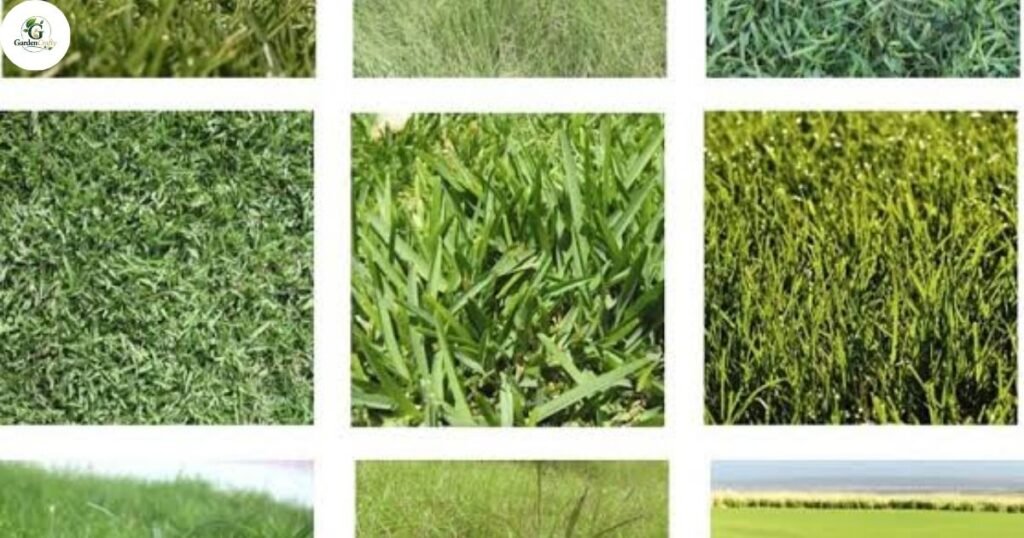
The practice of overseeding with ryegrass not only ensures a vibrant green lawn throughout winter but also creates a protective layer that helps prevent weed growth. By blending these two grass types, you can enjoy a lush lawn year-round, making your yard an inviting space even when temperatures dip.
Warm-Season Grass Overseeding Basics:When it comes to overseeding basics, understanding how much seed to apply is crucial. A good rule of thumb is around 10 to 15 pounds per 1,000 square feet of area, but it’s vital to adjust this based on your specific grass type.
Check Your Grass Type Before Buying Seed:Before purchasing seed, always check your current grass type to ensure compatibility. This focus on the grass variety helps guarantee a seamless blend, allowing the ryegrass to flourish without competing awkwardly with your warm-season species. With the right approach, overseeding can transform your landscape, blending beauty and practicality seamlessly.
How to Measure Seed for Your Lawn?
Measuring your lawn accurately is an essential step before overseeding, as it directly influences how lush and healthy your grass will thrive.
How to Calculate Grass Seed for Your Lawn:Begin by dividing your lawn into manageable sections, especially if the shape is irregular. Using a measuring tape, track the length and width of each section, then multiply to find the square footage. For circular areas, use the formula for the area of a circle (πr²), where r is the radius. This method eliminates guesswork and ensures you apply the right amount of seed.
Why lawn size matters when buying grass seed: can’t be overstated. Seed bags typically specify coverage for a certain square footage, so knowing your lawn’s exact measurements allows you to purchase appropriately, preventing waste and ensuring optimal growth.
Tall Fescue Overseeding Calculation Example: For instance, if you’re considering tall fescue for overseeding, the recommended seed rate often ranges from 6 to 8 pounds per 1,000 square feet. To illustrate, if your lawn measures 2,500 square feet, you’d calculate your seed requirement as 15 to 20 pounds.
By being precise in your measurements and calculations, you’re setting the stage for a vibrant, youthful lawn that flourishes throughout the seasons.
Should You Follow the Seed Bag Rate?
Understanding Grass Seed Bag Rates:When considering your lawn’s needs, understanding grass seed bag rates can greatly influence the success of your new lawn or overseeding endeavors. Many homeowners may assume that simply adhering to the manufacturer’s suggested rates is sufficient, but it’s crucial to tailor these rates to your specific conditions.
How to Adjust Seed Rates for Your Lawn:Factors such as soil type, climate, and the current state of your lawn can all impact how much seed you’ll actually need. For instance, when establishing a new lawn, higher seed rates can promote denser growth, while overseeding might require a more conservative approach to avoid overcrowding.
What Pure Live Seed (PLS) Means for Overseeding:Adjusting seed rates is key to achieving a vibrant and healthy lawn. When evaluating the seed rate, consider the concept of Pure Live Seed (PLS), which measures the actual live seed content in your bag. For overseeding, understanding PLS helps you determine how effectively you’re introducing new grass varieties without compromising existing growth.
By calculating PLS, you can refine your seed application, ensuring that your lawn receives an optimal balance of new and established grasses. Emphasizing precision in your approach not only saves money but also enhances the potential for a lush, thriving lawn.
Best Way to Spread Grass Seed Evenly
How to Spread Grass Seed Evenly:To achieve a lush, uniform lawn, mastering how to spread grass seed evenly is essential. One effective technique involves using two directions for better seed coverage. Start by applying the seeds in one direction; this lays a solid foundation and covers large areas quickly.
Avoid Missed Spots and Heavy Seed Piles:Follow up by spreading the seeds perpendicular to the first pass. This crosshatch method not only enhances distribution but also reduces the risk of missed spots and heavy seed piles, ensuring that every inch of your lawn gets the attention it deserves.
Seed spreader for greater accuracy: Consider employing a seed spreader for greater accuracy and efficiency. Seed spreaders can help maintain optimal seed spacing while preventing over-seeding in specific areas. By calibrating your spreader correctly, you’ll minimize waste and foster a healthier, more vibrant turf.
Remember to assess the soil condition and moisture levels before planting; a well-prepared bed allows for better seed adhesion and germination. With careful planning and technique, a flourishing lawn is within reach.
Common Mistakes with Overseeding Seed Amount
A common overseeding mistakes that cause patchy grass is using the wrong seed rate.
Using the Wrong Seed Rate:Many gardeners underestimate or overestimate how much seed to apply, leading to sparse growth or overcrowding. To achieve a lush, vibrant lawn, it’s essential to consider both the size of your lawn and its current condition. A meticulous measurement of lawn size can mean the difference between a thriving yard and a patchy mess; neglecting this step often results in uneven coverage that invites weeds.
Uneven Spreading Affects Overseeding Results: Another critical mistake lies in the uneven spreading of seed. When overseeding, methodical distribution is key clumping in certain areas leads to tall patches while other sections remain bare. This inconsistent application not only looks unattractive but also creates competition for nutrients among plants in over-seeded areas.
More Tips for a Healthy Lawn
Heat Wave Grass Seed is a smart choice for lawns that face intense summer heat and dry conditions. It can help maintain healthy, green growth when temperatures rise. Choosing the right seed can also improve lawn durability and overall appearance.
Zoysia Grass is a popular warm-season grass known for its dense growth and ability to handle heat. It can create a thick, attractive lawn with proper watering and care. This grass is also valued for its good tolerance to foot traffic.
Grass Zones help homeowners choose the right type of grass based on climate, temperature, and growing conditions. Understanding your lawn zone makes it easier to select suitable grass seed. This can lead to stronger growth and better long-term lawn health.
What Is Lawn Thatch refers to the layer of dead grass, roots, and organic material that builds up between the soil and green grass. A small amount can benefit the lawn, but excessive thatch may block water and nutrients. Regular lawn care can help keep thatch at a healthy level.
Can You Overseed with Too Much Seed?
Why Too Much Grass Seed Can Hurt Your Lawn:Overseeding can rejuvenate a tired lawn, but applying too much seed can lead to a host of problems. One key reason why too much grass seed can hurt your lawn is that it creates competition among seedlings for vital resources. Instead of nurturing a lush, thick carpet, excess seed results in overcrowding, leading to stunted growth and uneven patches.
Problems Caused by Overseeding Too Heavily:The problems caused by overseeding too heavily extend beyond just aesthetics. It can create an environment ripe for disease and pests, as overcrowded grass becomes stressed and susceptible to fungi.
Why More Seed Does Not Mean Thicker Grass:The notion that more seed equates to thicker grass is misleading; optimal results stem from the right balance of seed and soil contact. In essence, a mindful approach to overseeding, emphasizing quality over quantity, is the secret to achieving a vibrant and healthy lawn.
Conclusion
Determining the right amount of how much grass seed to overseed a lawn is critical for achieving optimal growth and coverage. By carefully calculating the square footage of your lawn and considering the type of grass you are using, you can ensure that your lawn receives the necessary nutrients and space for healthy development.
Remember that factors like the season, climate, and current lawn health all play a role in your overseeding success. With the right seed quantity, your lawn will flourish, providing a lush and attractive environment for your outdoor activities.
FAQs
How much seed do I need for overseeding?
The amount of seed needed for overseeding depends on the type of grass and the size of the area you wish to cover. You’ll want to use about 2 to 4 pounds of grass seed per 1,000 square feet.
Can I overseed an existing lawn?
Yes, you can overseed an existing lawn, and it’s often a great way to improve its health and appearance. Overseeding involves spreading new grass seed over your current lawn to fill in thin areas, improve density, and enhance overall resilience against pests and diseases.
How long does it take for grass seed to sprout?
The germination time for grass seed can vary depending on several factors, including the type of grass, soil temperature, moisture levels, and the overall growing conditions. Most grass seeds will start to sprout within 7 to 14 days.
How do I speed up grass seed germination?
To speed up grass seed germination, start by selecting the right type of grass seed that is suited for your climate and soil conditions. Different grass varieties germinate at different rates, so choosing a quick-germinating type, such as perennial ryegrass, can make a significant difference.
Why isn’t my grass seed germinating after 2 weeks?
If your grass seed hasn’t germinated after two weeks, several factors may be at play. First, ensure that the seeds you used are suitable for your specific climate and soil type. Different grass varieties have varying germination rates and seasonal preferences.