Difference Between Weeds and Grass: A Simple Identification Guide
Most people see a patch of green and assume it’s grass only to later discover it’s an invasive weed wreaking havoc on their lawn. Understanding the difference between weeds and grass is essential for any homeowner who wants to maintain a pristine outdoor environment.
This guide will provide you with straightforward tips for identification, ensuring your landscape remains healthy and vibrant all year round.
Key Differences Between Weeds and Grass
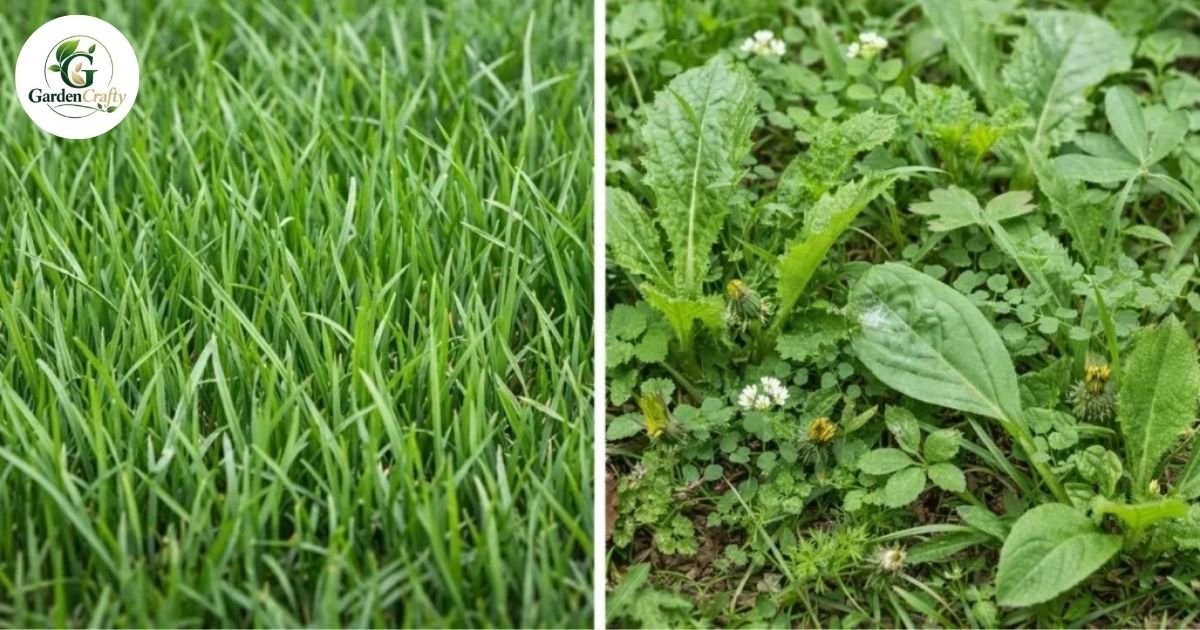
Understanding the difference between weeds and lawn grass helps you identify unwanted plants. This comparison highlights the key differences in leaf shape, veins, stems, roots, and growth patterns among grass, broadleaf weeds, grassy weeds, and sedges.
| Feature | Lawn Grass | Broadleaf Weed | Grassy Weed | Sedge |
| Leaf shape | Narrow | Usually broad | Narrow | Narrow |
| Leaf veins | Parallel | Net-like | Parallel | Parallel |
| Stem | Usually round | Varies | Usually round | Triangular |
| Roots | Fibrous | Varies | Fibrous | Fibrous or rhizomatous |
| Growth pattern | Dense, even turf | Individual plants, rosettes, or patches | Clumps or spreading patches | Upright clumps or clusters |
| Common examples | Kentucky bluegrass, tall fescue, Bermuda grass | Dandelion, clover, plantain | Crabgrass, quack grass | Yellow nutsedge, purple nutsedge |
| Control approach | Maintain healthy turf | Broadleaf herbicide or manual removal | Targeted grassy-weed control | Sedge-specific herbicide |
What is Grass?
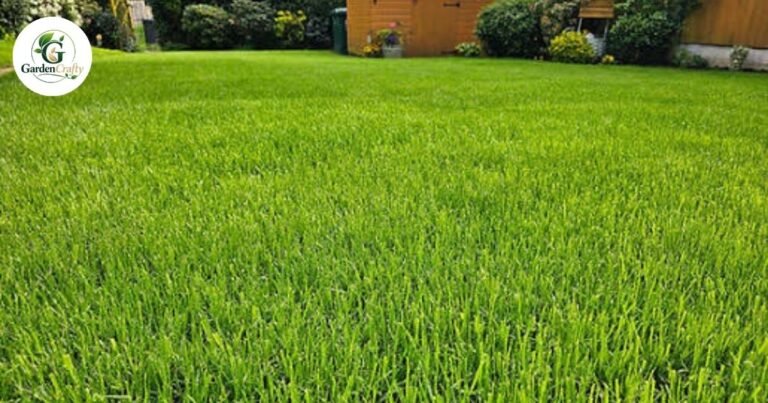
Grass is more than just a green carpet that softens our steps, often overlooked as just a common ground cover, yet it plays a vital role in the ecosystem.
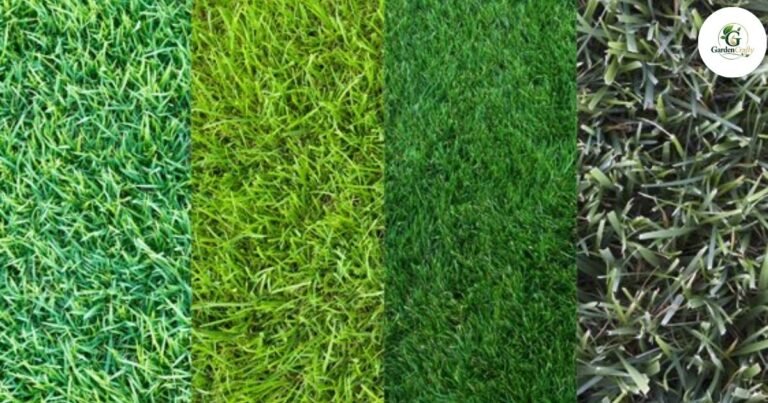
Kentucky Bluegrass: Among the diverse varieties, Kentucky bluegrass stands out for its lush, rich color and adaptability in cooler climates. It’s the quintessential lawn choice in northern regions, thriving in well-drained soils and offering a beautiful backdrop for backyard gatherings.
Its resilience is remarkable, but it requires maintenance, coming alive in the spring but needing a little extra care through the hot summer months.
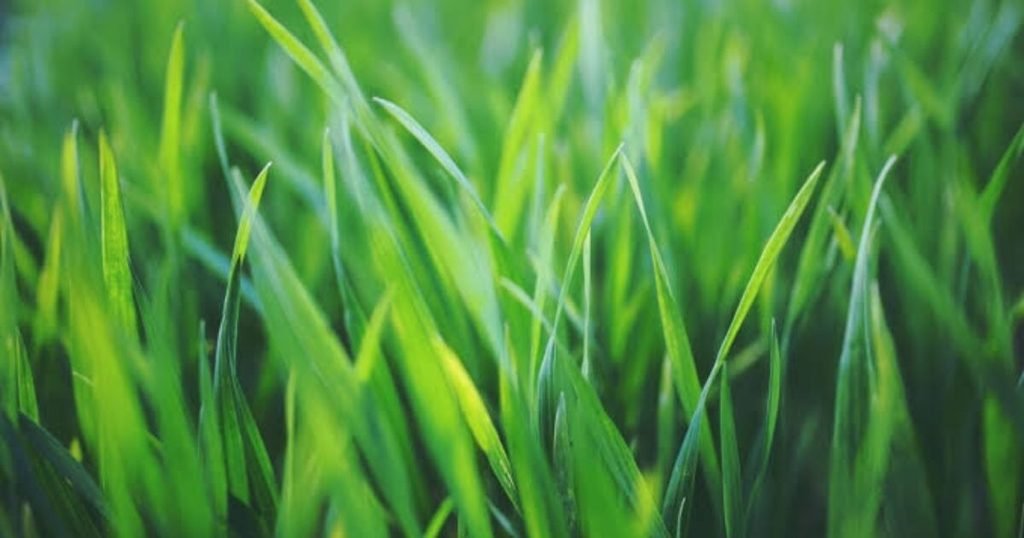
Tall Fescue: Tall fescue offers a different allure. Known for its deep roots, it can withstand drought and heat better than many other species. This variety thrives in transitional zones, offering a robust green that remains viable when conditions get tough.
Bermuda Grass: Bermuda grass, conversely, reigns supreme in southern landscapes, boasting a fine texture and fast growth that makes it perfect for high-traffic areas, from sports fields to golf courses.
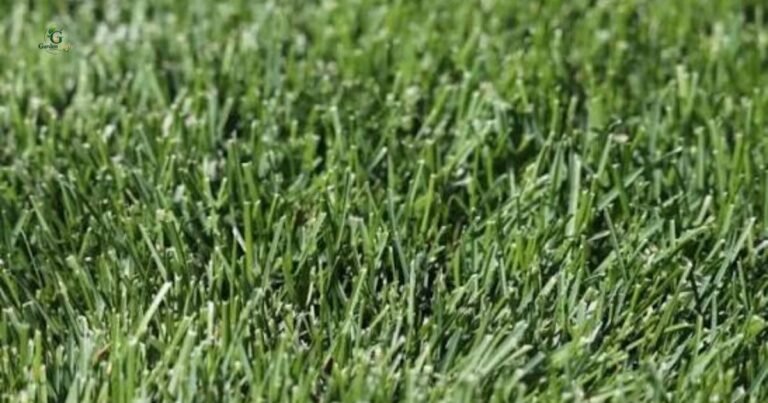
Zoysia Grass: Zoysia grass, with its resilient nature, showcases how diverse this plant family can be. Known for its narrow blades and thick growth habit, Zoysia can endure foot traffic while thriving in various soil conditions. Its parallel veins, a signature trait of many grass types, indicate a well-organized structure that allows for efficient water and nutrient transport.
Fibrous Roots: Grass is far more than just a green carpet beneath our feet; it’s a vital ecosystem component that supports a myriad of life forms. Characterized by its fibrous roots, grass plays a pivotal role in soil stabilization, preventing erosion and promoting moisture retention.
These roots create a network beneath the surface, acting as a natural sponge that absorbs water and nutrients, which not only benefits the grass itself but also the surrounding environment.
Even Spreading Growth: Even spreading growth is another remarkable feature of grass. This adaptability allows it to thrive in various habitats, from suburban lawns to sprawling savannas. The grass’s ability to grow in dense, uniform patches not only enhances the aesthetic appeal of landscapes but also creates microhabitats for countless organisms.
Whether it’s providing food for herbivores or serving as a crucial carbon sink, grass contributes significantly to environmental balance, showcasing its essential role in both nature and human life.
What Is a Weed?
A weed can be defined as any plant that grows where it isn’t wanted, often overshadowing other, more desirable flora. It is often perceived as any plant that grows where it’s not wanted, but this definition barely scratches the surface.
Dandelion: Take the dandelion, for instance; its bright yellow flowers can bring a splash of color to a green lawn, yet many homeowners view it as a pesky intruder. What’s fascinating is that dandelions are not just resilient but also nutritious, providing rich sources of vitamins A, C, and K. Imagine if we rebranded them not as weeds, but as superfoods sprouting in our backyards.
Crabgrass: Crabgrass, often deemed a nuisance for gardeners, actually has its own ecological role. While it’s persistent in its quest for sunlight and nutrients, this hardy plant can stabilize soil and support local ecosystems. Its dense growth can even suppress soil erosion, revealing that what we may label as weeds could be nature’s engineers, quietly contributing to a balanced environment.
White Clover: Then there’s white clover, with its charming tri-foliate leaves, which not only facilitates nitrogen fixation but also draws pollinators like bees, making it a potential ally in promoting biodiversity.
Yellow Nutsedge: This perennial weed, often mistaken for grass, thrives in moist, disturbed soil and can emerge unexpectedly in gardens or lawns, irritating avid gardeners. Its resilience lies in its extensive underground tubers, which can lie dormant for years before sprouting into a full-blown nuisance. The sight of this invasive plant might evoke frustration, but it also serves a deeper purpose in understanding our ecosystems.
Can Grass Be a Weed?
Yes, grass can act like a weed.
For instance: Bermuda grass, renowned for its resilience, thrives beautifully in southern lawns, often celebrated for its lush green carpet and adaptability to warm climates. This seemingly benign turf can become a controversial figure when it encroaches upon cool-season lawns.
What’s fascinating is how perception shapes our relationship with grass varieties. What is a prized lawn in one context can turn into a nuisance in another. The very traits that make Bermuda grass desirable are its rapid growth and hardiness can also be the culprits of its weed status when it invades regions where it’s not welcome.
Monocot vs Dicot: The Basic Plant Science Difference
Monocots and dicots represent two fundamental groups of flowering plants, each possessing unique characteristics that influence their morphology, physiology, and ecology.
Monocots
When diving into the intriguing world of plant science, the distinctions between monocots and dicots reveal a fascinating tapestry of adaptations and ecological roles.
Single Seed Leaf: Monocots, characterized by a single seed leaf, represent an intriguing category of flowering plants that exhibit unique adaptations and evolutionary advantages. These plants often thrive in diverse ecosystems, from grasslands to wetlands, showcasing a remarkable ability to flourish in varying conditions.
Narrow Blades: One striking feature is their narrow blades, which not only maximize light capture but also minimize water loss, a critical factor in arid environments. This specialized leaf structure allows them to adapt seamlessly to their surroundings, making them resilient and efficient.
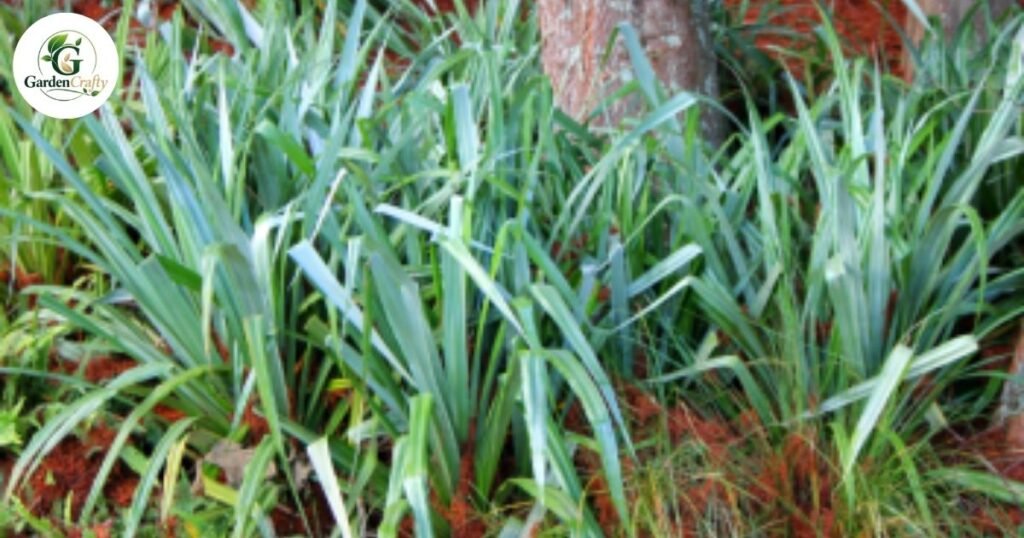
Parallel Veins: The parallel veins found in monocot leaves serve a dual purpose. Beyond providing structural integrity, they facilitate rapid nutrient and water transport, crucial for growth in competitive habitats.
This design underscores the elegance of nature’s engineering, where form follows function, allowing monocots like grasses and lilies to dominate landscapes and play vital roles in their ecosystems.
Fibrous Root Systems: One of the hallmark features of monocots is their fibrous root systems, which provide stability and support while maximizing nutrient uptake from the soil. Unlike the taproot systems of dicots, these dense networks of roots spread horizontally, allowing monocots like grasses and lilies to thrive in various environments, from lush meadows to arid landscapes.
Dicots
Dicots, which boast two seed leaves, present a rich array of broadleaf weeds and flowering plants that dominate many landscapes. Their branching venation, which leads to a more complex leaf architecture, allows for enhanced photosynthesis and adaptability.
Two Seed Leaves: Dicots, or dicotyledons, are a fascinating group of flowering plants characterized by their unique structure of two seed leaves, known as cotyledons, which play a crucial role in nutrient absorption during the early stages of growth.
Wider Leaves: Their wider leaves often exhibit a variety of shapes that enhance their ability to capture sunlight, showcasing an evolutionary adaptability that allows them to thrive in diverse environments.
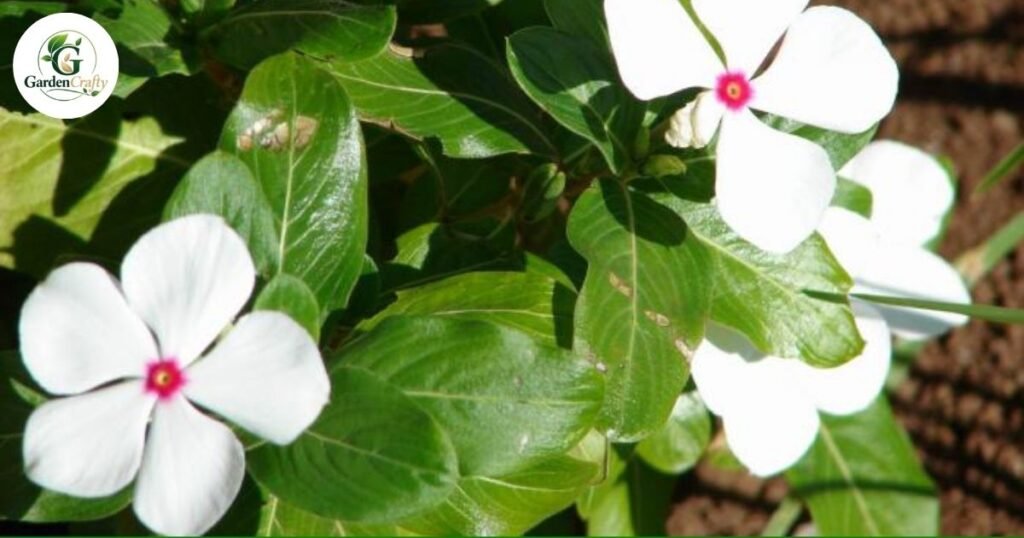
Branching Veins: Branching veins within the leaves of dicots not only contribute to their distinctive appearance but also serve an essential purpose in water and nutrient transport. This vein architecture facilitates a greater surface area for photosynthesis, ultimately supporting robust growth.
Taproot System: Often a taproot system, dicots develop a strong central root that anchors the plant deeply into the soil, allowing it to access water and nutrients that are often out of reach for other species. This robust root structure plays a critical role in soil stabilization, making dicots essential for preventing erosion in various ecosystems.
This evolutionary divergence not only affects their growth forms but also plays critical roles in ecosystem dynamics, with monocots often serving as foundational species in grasslands, while dicots contribute to the complexity and biodiversity of forest ecosystems.
Types of Weeds Found in Lawns
Understanding weed types builds confidence. When it comes to maintaining a pristine lawn, understanding the types of weeds that can invade your green paradise is crucial.
Broadleaf Weeds
Broadleaf weeds are among the most recognizable intruders in our lawns, thriving in the spaces that many desirable plants struggle to fill. Common culprits like dandelions and clover not only disrupt the uniformity of a well-kept lawn but also have a surprising ecological benefit: they often attract beneficial pollinators.
Their robust nature allows them to tap into deeper soil resources, competing better for nutrients and water compared to standard grass varieties.
Grassy Weeds
Grassy weeds can blend in seamlessly with your turf, making them tricky to identify until they become a significant problem. Species like crabgrass and foxtail tend to thrive in compacted soil or poorly fertilized areas, exploiting weaknesses in lawn management.
Their rapid growth can lead to patchy and uneven grass coverage, diminishing the aesthetic appeal of your lawn.
Sedges
Sedges, often mistaken for grasses, possess a triangular stem structure and are typically found in moist, poorly drained areas. They can create dense clumps and outcompete more desirable grasses for moisture and nutrients.
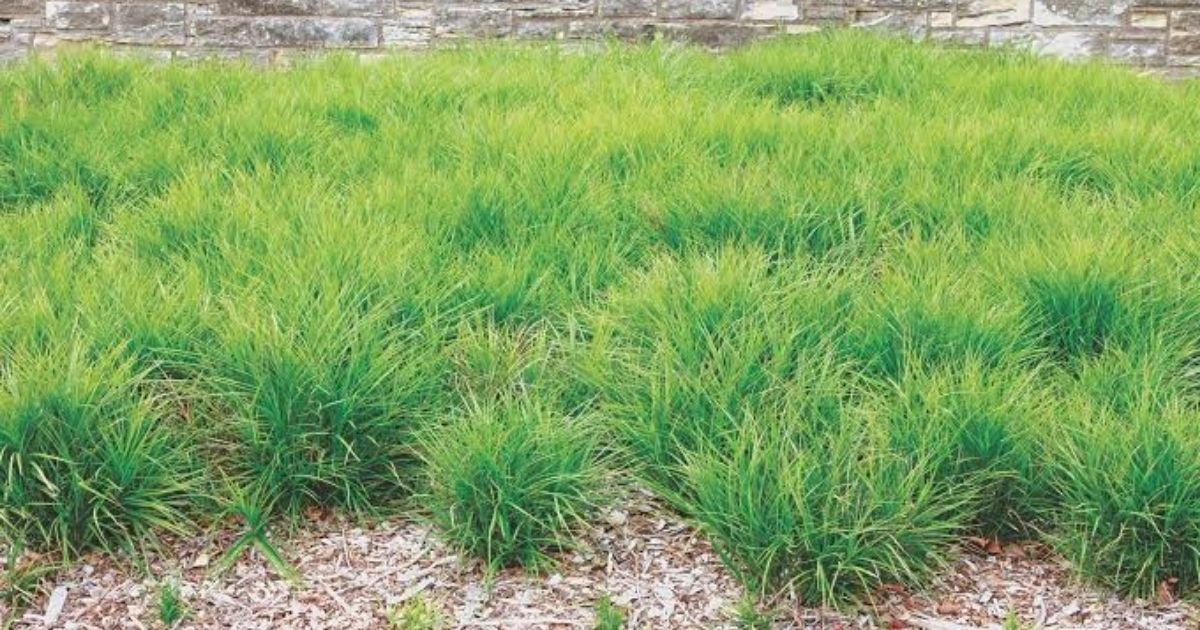
Understanding the distinct characteristics and growth patterns of these weed types enables homeowners to devise targeted management strategies, ensuring their lawns not only look their best but also remain healthy and vibrant.
Flower and Seed Head Differences
Flowers and grass seed heads may seem like distant relatives in the plant kingdom, but they serve distinct roles in the ecosystem. The vibrant petals of flowers attract pollinators with their colors and fragrances, playing a crucial role in reproduction.
Grass Seed Heads: Grass seed heads, often overlooked, embody a more utilitarian charm. They may lack the flamboyant hues but possess a remarkable ingenuity, dispersing seeds over wide areas through the gentlest of breezes.
Broadleaf Weed Flowers: The distinction between flower and seed head in plants, particularly in broadleaf weeds, opens a fascinating window into their lifecycle and ecological strategies. Flowers are the reproductive marvels, designed to attract pollinators with vibrant colors and enticing scents.
Their purpose is to ensure genetic diversity through pollination. Broadleaf weed flowers often exhibit unique adaptations that enhance their allure, like the striking inflorescences of clover or dandelions that can host multiple species of pollinators.
Dandelion Yellow Flowers: The striking contrast between dandelion yellow flowers and clover’s delicate white or pink blossoms highlights the diverse roles flowers play in the ecosystem. Dandelions, with their bright golden heads serve as vibrant additions to gardens and fields.
They are also as essential early spring food for bees and other pollinators. Their unique growth cycle ensures they bloom early, capitalizing on the scarce food sources available during spring when many other plants remain dormant.
Clover White/Pink Flowers: Clover white and pink flowers attract a range of pollinators and are a vital part of many grassland ecosystems. While dandelion flowers quickly mature into seed heads, reminiscent of whimsical puffballs, clover takes a subtler approach. Its flowers support nitrogen fixation in the soil, improving fertility and health for surrounding plants.
While flowers above lawns may be seen as weeds, their seed heads play a crucial role in dispersal, creating a new generation that can thrive in unexpected places.
Seasonal Growth Differences Between Weeds vs Grass
The interplay between seasonal growth differences in weeds and grass can significantly influence lawn care strategies.
Cool-Season Grass – Spring & Fall
As temperatures rise in spring, many grass varieties begin their robust growth cycles, taking advantage of increased sunlight and moisture. This is also the prime time for seasonal weed growth, particularly for annual and biennial species that thrive under similar conditions.
Understanding the timing helps in tailoring effective management approaches; timely mowing, aerating, and fertilizing can give grass the competitive edge it needs to outpace these pesky invaders.
Crabgrass – Late Spring & Summer
As summer unfolds, the narrative shifts. Warm-season grasses, like Bermuda and Zoysia, reach their peak, flourishing under the intense sun. In contrast, many weeds begin to fade, especially cool-season species that struggle with higher temperatures. Certain resilient weeds, such as crabgrass, capitalizing on the heat, can flourish if not adequately managed.
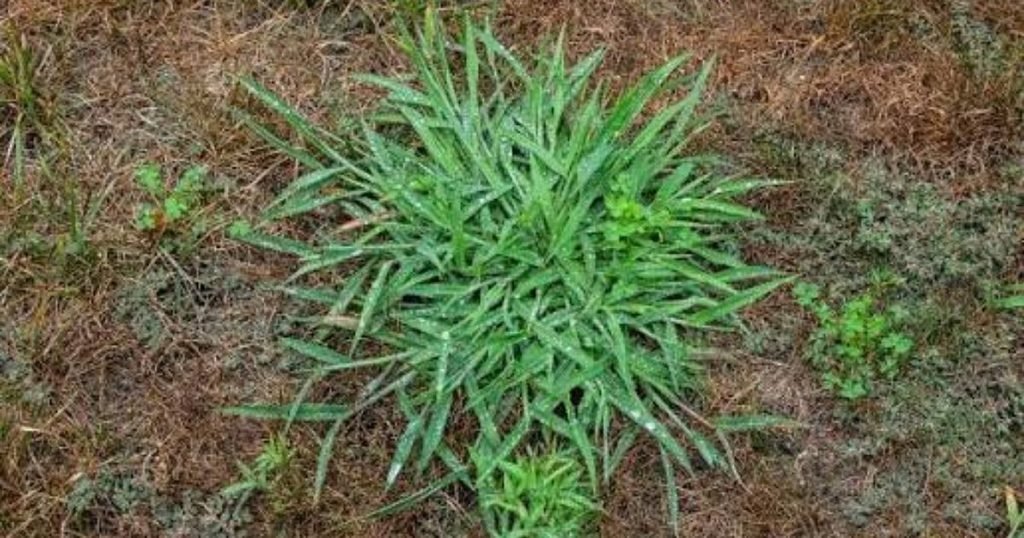
Recognizing these seasonal growth patterns allows homeowners and gardeners to create a dual strategy: promoting healthy grass growth while strategically targeting persistent weeds, thus nurturing a thriving, vibrant lawn.
Seasonal Growth Guide for U.S. Lawns
Understanding seasonal growth patterns helps you time lawn care tasks and control weeds more effectively. This guide shows how common U.S. lawn grasses and weeds typically behave throughout the year.
| Season | What Lawn Grass Does | What Weeds Often Do |
| Early Spring | Begins active growth as temperatures rise | Many broadleaf weeds emerge |
| Late Spring | Thickens and spreads with favorable conditions | Warm-season weeds such as crabgrass begin germinating |
| Summer | May slow during periods of heat or drought stress | Heat-tolerant grassy weeds and sedges may spread |
| Fall | Cool-season grasses recover and thicken | Many cool-season weeds germinate or become more active |
Why Weeds Often Grow Faster Than Grass
Weeds often outpace grass in growth due to their remarkable adaptability.
Weeds Grow Quickly & Produce Many Seeds: Many species of weeds evolved to thrive in a variety of environments, allowing them to germinate quickly and produce many seeds.
Thin or Bare Lawns Encourage Weed Growth: This rapid reproductive cycle enables them to outcompete slower-growing grass, especially in areas where the turf is thin or bare. Lawns lacking density provide an open invitation for weeds to flourish, quickly filling the gaps left by struggling grass.
Thick, Dense Grass Helps Prevent Weeds: A thick, dense lawn acts like a natural barrier against weed dominance. Healthy grass competes aggressively for light, nutrients, and water, which discourages weed establishment.
How to Tell if It Is Grass a plant or a Weed
Identifying whether a plant is grass or a weed hinges on understanding their distinguishing characteristics.
Correct Weed Identification: Grass typically boasts slender, upright blades with parallel veins, while weeds can present a broader range of leaf shapes and structures. Take note of growth patterns; if a plant spreads quickly, especially in organized rows or patches, it’s likely a weed.
Broadleaf vs. Grassy Weeds: Broadleaf vs. grassy weeds can also help in classification; broadleaf weeds often feature wider leaves with distinct veins and may produce flowers, while grassy weeds generally mimic traditional lawn grasses.
Different Weed Control Methods: For homeowners and garden enthusiasts, correct weed identification is crucial for effective management. Misidentifying a plant can lead to inappropriate control methods, exacerbating the problem.
For instance, broadleaf weeds may require different weed control methods, like targeted herbicides, compared to grassy counterparts, which might respond better to selective treatments.
Grassy Weeds Can Damage Turf: Weeds often outpace grass due to their robust evolutionary traits and adaptability. Grassy weeds possess deep root systems that allow them to access nutrients and moisture more efficiently than traditional turf grasses. This gives them a leg up, especially in compacted soils where grass struggles to thrive.
Sedges Need Specific Treatment: Many weeds like Sedges can germinate quickly and produce seeds rapidly, creating a competitive advantage that grassy varieties often can’t match.
Grass weeds Identification pictures Comes First: Identification comes first when tackling a weed problem. It’s crucial to differentiate between your turf grasses and aggressive invaders, like sedges, which need specific treatment to mitigate their spread.
Why the Difference Between Weeds and Grass vs weeds Matters
Understanding the difference between weeds and grass is crucial for any gardener or landscaper aiming for a thriving lawn.
Weed Identification: Weed identification is the first step in effective lawn care; knowing whether you’re dealing with broadleaf or grassy weeds can drastically influence your control methods.
Broadleaf vs. Grassy Weeds: Broadleaf weeds, such as dandelions and clover, often spread quickly and can outcompete grass for nutrients. Grassy weeds like crabgrass, on the other hand, can mimic your desired lawn, making them trickier to spot until they become problematic.
Different Weed Control Methods: Different weed control methods are tailored to address these specific types of weeds. Broadleaf weed killers are formulated to target their unique structures without harming your grass, while pre-emergent herbicides can be effective against grassy weeds by preventing their seeds from germinating.
Ignoring the difference between weeds and grass can lead to misguided treatments, wasting time and resources, and potentially harming your grass.
When Grass Turns Into a Problem
The often grass turns into a problem when lush greens become a burden rather than a blessing.
Grass Can Become a Weed: Grass can become a weed when it invades spaces where it’s not welcome, disrupting the harmony of native ecosystems. This unwanted grass invasion can often lead to a relentless cycle of aggression, where non-native species outcompete local flora for resources, sunlight, and nutrients.
Aggressive Grass Spreading: While lush green lawns are typically a homeowner’s pride, an aggressive grass spreading beyond its intended boundaries transforms the landscape into a battleground for survival.
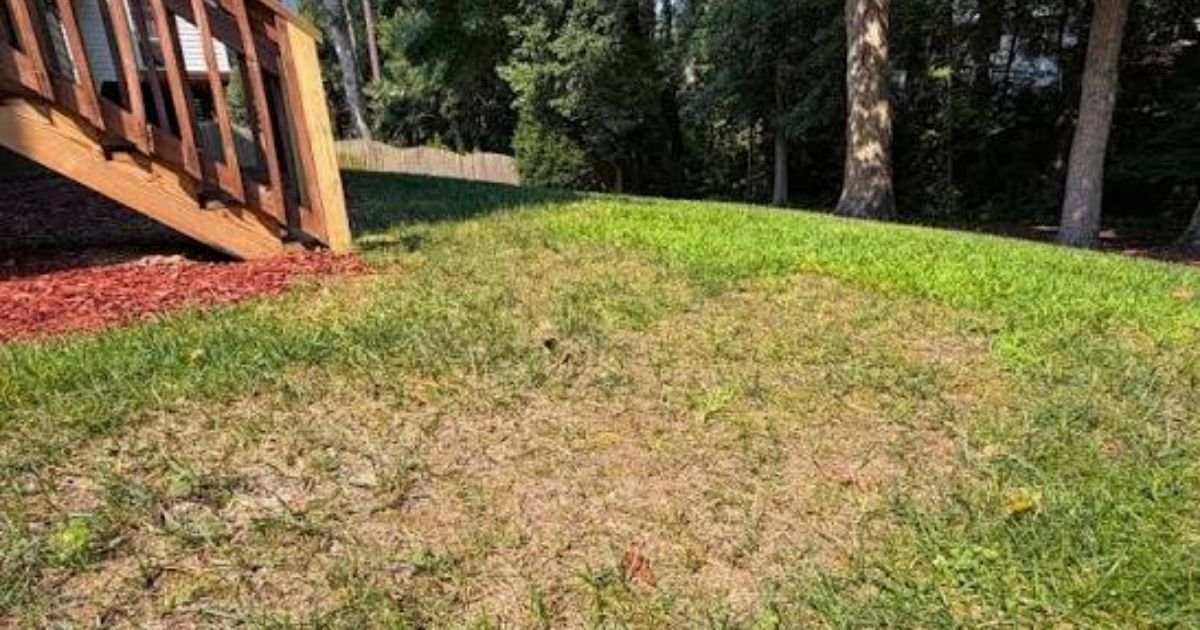
Unwanted Grass Invasion: The consequences of invasive grass species can have ecological repercussions. They create monocultures that diminish biodiversity, affecting local wildlife and disrupting established food chains. Once these aggressive varieties take hold, they can be incredibly difficult to eradicate, often requiring extensive herbicide use or repeated manual removal.
This not only adds to maintenance costs but also raises environmental concerns, prompting a reevaluation of how we regard our green spaces and the species we invite into them.
Useful Tips for Lawn Health
- Benefits of Overseeding a Lawn: discover how overseeding fills in bare patches, boosts thickness, and improves overall lawn health, making it a simple yet worthwhile step for a fuller, more resilient yard.
- What Is Compact Soil? learn what causes soil compaction, how it affects root growth and drainage, and simple ways to loosen it up for a healthier, more vibrant lawn or garden.
- Natural Weed Killer: explore safe, natural ways to eliminate weeds without harming your lawn grass, using simple household ingredients and eco-friendly methods for a cleaner, healthier yard.
- 7 Best Types of Grass for Landscaping: a complete guide to top grass choices like Bermuda, Zoysia, and Fescue, comparing their appearance, durability, and maintenance needs to help you find the best fit for your landscape.
- How to Get Rid of Clover in Your Lawn? a brief guide to why clover takes over lawns, effective removal methods, and prevention tips to keep your yard clover-free and healthy.
- What Is Lawn Thatch? a simple guide to what causes thatch to build up and the easiest ways to remove or manage it for a healthier, thriving lawn.
- Will Grass Spread On Its Own? a useful guide explaining how certain grass types naturally spread through runners or rhizomes, and what conditions help or hinder them from filling in your lawn on their own.
- Difference Between Weeds and Grass: a simple identification guide covering key differences in leaf shape, growth pattern, and texture to help you easily tell weeds apart from healthy lawn grass.
Final Thoughts
Understanding the difference between grass and weeds can significantly enhance your gardening or landscaping efforts. By familiarizing yourself with the characteristics of common grass types and various weeds, you can make informed decisions about cultivation and maintenance.
Remember, not all weeds are detrimental; some may even benefit your garden ecosystem. Knowledge is your best tool in managing your green spaces effectively. Take the time to observe and identify the plants in your yard, and your efforts will surely yield a more vibrant and healthy landscape.
difference between grass and weeds
FAQs
Can Grass Kill Weeds?
Grass cannot actively kill existing weeds, but a thick and healthy lawn can outcompete them. Dense grass blocks sunlight from reaching weed seeds, steals vital nutrients, and takes up all the space in the soil. This stops new weeds from growing.
Which Grows Faster, Weeds or Grass?
Weeds generally grow faster than most types of grass due to their aggressive reproductive strategies and adaptability. They adapt well to bad soil, take water and food quickly, and complete their life cycle in just a few weeks.
Are there weeds that look like grass?
Yes, common grass-like weeds include crabgrass, quackgrass, and foxtail. These plants are called grassy weeds. They blend in well with your lawn, making them hard to spot until they grow fast or pop up with strange seed heads.
What Kills Weeds Before They Grow?
Products and methods that stop weeds before they grow are called pre-emergents. Pre-emergent herbicides prevent weed seeds from germinating, effectively stopping weeds before they grow.
How Do I Identify Which Type Of Grass I Have?
To identify your grass type, check your local climate zone first, then inspect the blade width, tip shape, and growth habit. Warm-season grasses thrive in hot regions and spread via runners, while cool-season grasses prefer mild areas and often grow in clumps or cooler-weather patterns.