What Is Compact Soil?
The secret often lies in the soil’s compaction levels. Compact soil can hinder root development, water absorption, and nutrient availability, making it a vital concept for anyone engaged in gardening or landscaping. What compact soil is, its effects, and practical strategies to improve soil health so you can cultivate flourishing green spaces.
What Is Soil Compaction?
| Feature | Compacted Soil | Healthy Soil |
| Soil Feel | Hard and dense | Loose and crumbly |
| Water Movement | Water pools or runs off | Water soaks in evenly |
| Root Growth | Shallow and restricted | Deeper and stronger |
| Air Movement | Limited airflow | Good airflow |
| Pore Space | Reduced | Adequate |
| Drainage | Slow or poor | Good |
| Root Penetration | Difficult | Easier |
| Plant Health | Weak or poor growth | Healthy growth |
Soil compaction happens when pressure is applied to soil.
This pressure pushes soil particles closer together.
As a result:
- Air pockets disappear
- Water drains slowly
- Roots stay shallow
Healthy soil feels loose and crumbly.
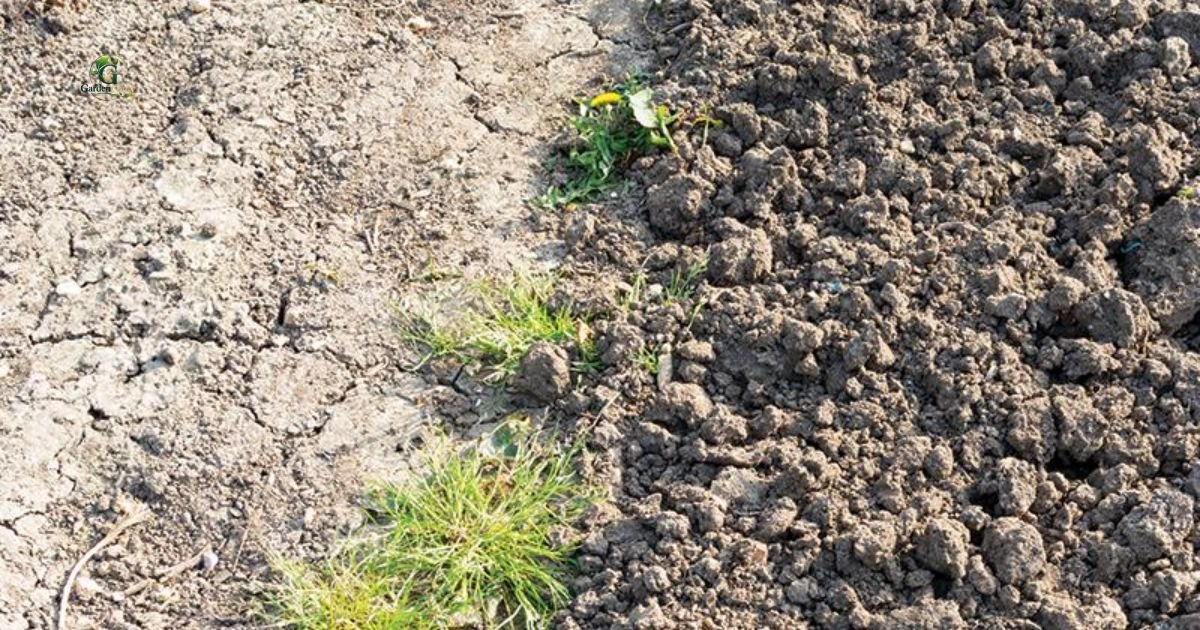
Compacted soil feels hard and dense.
If soil feels very hard when dry and sticky when wet, it is likely compacted.
Quick Facts About Compact Soil
- Compact soil has less air and water space, which can significantly impact plant health. When soil is overly compacted, the restricted airflow prevents essential oxygen from reaching roots, stunting their growth.
- Roots grow shorter and weaker, limiting their ability to access nutrients and moisture, making plants more susceptible to stress and disease. This compromised foundation not only hinders individual plant growth but can also affect the overall ecosystem, leading to less resilient landscapes.
- Compact soil often causes water to pool on the surface, leading to issues like erosion and root rot. In areas with heavy rainfall, this pooling can exacerbate drainage problems, creating a stagnant environment that is less conducive to flora.
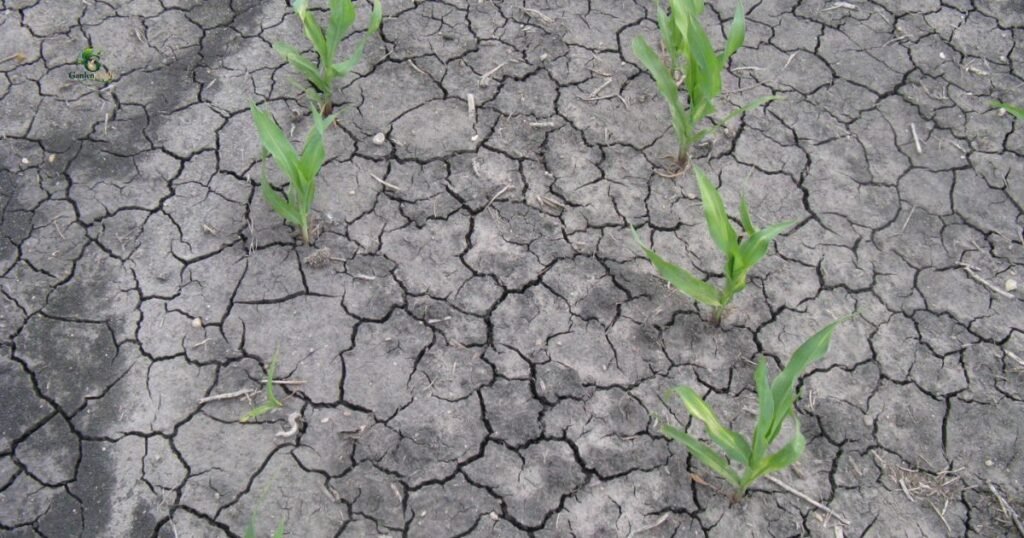
- Soil compaction is a silent saboteur of lush landscapes, often leading to Poor growth in grasses and plants. When soil particles are tightly packed, airflow and water retention suffer, creating an environment where roots struggle.
- Compaction can persist for years if untreated, leading homeowners to underestimate the depth of the problem. With each season, the health of the soil diminishes further, creating a snowball effect that can hinder plant resilience and growth.
- Many soil problems start with compaction, but the issue often goes unnoticed until it’s too late.
What Causes Soil To Become Compacted?
Soil compaction often arises from a combination of factors, primarily the weight of machinery traversing the land and the natural forces of rain and gravity. As vehicles and equipment pass over soil, they exert pressure that compresses soil particles, reducing the pore spaces vital for air and water movement. This can be particularly problematic in agricultural settings, where heavy tractors can crush the life out of healthy soil structure, leading to diminished crop yields.
Common Causes Include
- The primary culprit is foot traffic on the same path; repeated crossing compresses the soil particles, reducing pore space and limiting air and water penetration.
This phenomenon isn’t just visible in parks or gardens; even well-loved backyard paths can succumb to the wear of everyday footsteps, making it crucial to vary your walking routes or utilize stepping stones. - Another significant factor involves vehicles driving or parking on soil. The weight of cars and trucks can crush soil aggregates, creating a dense layer that impedes root growth and hinders the natural ecosystem beneath the surface.
- Lawn mowers and heavy tools contribute to this compaction, especially when used irresponsibly on wet soil, which exacerbates the problem.
These contributors help gardeners and landowners alike recognize the need for proactive measures in soil management, ensuring that our green spaces thrive rather than suffer under the weight of daily use. - Soil compaction is often the silent saboteur of healthy gardens and vibrant landscapes. One of the primary culprits is working soil when it is wet. When moisture saturates the earth, the delicate structure of soil particles shifts, becoming denser as they’re pressed together.
- Soil compaction occurs when soil particles are pressed together, reducing pore space and affecting water infiltration and root growth. One major culprit is construction activity, where heavy machinery creates excessive pressure on the soil.
- In residential areas, repeated foot traffic from pets adds another layer of concern. Over time, the frequent stomping of paws can compact the soil in gardens and lawns, making it difficult for water and nutrients to reach plant roots.
How To Tell If Soil Is Compacted?
You do not need special tools to check.
Visible Signs
- Water puddles after rain can indicate poor drainage or compacted soil, illuminating larger issues in local landscapes. These puddles not only affect how plants receive moisture but also create habitats for pests and promote certain types of vegetation over others, altering the balance of biodiversity.
- Bare or thin grass in a yard can signal underlying soil health issues, such as nutrient depletion or improper pH levels.
- When combined with slow plant growth, these signs paint a picture of an environment struggling to thrive.
- The presence of soil cracks when dry further compounds the issue, showcasing the impacts of drought stress and water retention problems.
Simple Tests
- The simplest yet most effective test you can conduct in your garden is pushing a screwdriver into the ground.
- If it stops quickly, it’s a clear indication that your soil is compacted, making it difficult for roots to penetrate and thrive. Soil compaction can severely limit nutrients and water availability, affecting overall plant health.
- Simple tests like digging with a shovel can reveal much more about your garden’s potential than you might expect. When you try digging, pay attention to how the soil behaves under your shovel.
- If you encounter hard digging, it often points to poor soil structure that could hinder root development and limit nutrient availability. This directly impacts plant health, making it essential for gardeners to understand what lies beneath the surface
You may have compact soil if
- Compact soil if you notice water sitting on the surface after rain. This stagnant puddling can lead to root rot and create a breeding ground for pests, stunting the growth of your plants. Instead of absorbing moisture, compact soil acts more like a barrier, which can frustrate even the most resilient gardening enthusiasts.
- Compact soil is the struggle to dig or turn the earth. If your spade feels more like a hammer against a rock than a tool, it’s time to assess your soil health.
- If grass grows thin or unevenly, showcasing patches of lush green adjacent to bare spots.
- Those roots are spreading sideways instead of driving deep into the ground. Shallow roots make plants more vulnerable to stress, leaving them ill-equipped to withstand drought or nutrient deficiency.
Why Pore Space Matters In Soil?
- Healthy soil isn’t just about the nutrients it holds; it’s the balance of solid, liquid, and gas components that determines its fertility.
- Soil pores function as reservoirs and highways, allowing water, air, and essential microbes to circulate freely. This dynamic exchange not only nurtures plant health but also promotes robust root growth, enabling plants to thrive even in challenging conditions.
- Compacted soil restricts pore space, leading to diminished water infiltration and poor aeration. This stifled environment can stunt root development, limiting access to vital nutrients and inhibiting plant growth.
- Pore space in soil plays a pivotal role in supporting life beneath the surface, facilitating root growth in plants by creating an intricate web of pathways for air and water.
This microscopic architecture not only allows roots to access essential nutrients but also promotes anaerobic and aerobic processes that sustain soil health.
How Soil Compaction Affects Plants?
- Soil compaction creates a dense barrier that inhibits root growth, leading to weak plants struggling to thrive.
- This deficiency often manifests visibly as yellow leaves, a telltale sign that the plants are not receiving what they need to flourish.
- Roots become confined in tightly packed soil, their access to essential nutrients and water diminishes, resulting in poor nutrient uptake.
- Compacted soil significantly increases stress on plants, particularly during heat waves or drought conditions. With their roots unable to penetrate the soil deeply, plants are unable to tap into moisture reserves.
Consequences Of Compact Soil
- Compact soil significantly impacts the ecosystem beneath our feet, leading to less healthy soil life. When soil particles are tightly packed, essential organisms like earthworms and beneficial microbes struggle to thrive.
- Poor drainage is another direct consequence of compacted soil.
- As this process continues, plants face a reduced lifespan, struggling to survive in a water-stressed environment. The very fabric of the ecosystem unravels, emphasizing the need to address soil compaction to protect both agricultural productivity and ecological health.
- Water that cannot percolate through the ground can lead to increased runoff, carrying away vital topsoil and nutrients while contributing to erosion.
Surface Vs Deep Soil Compaction
- Surface soil compaction primarily affects the uppermost layers of the ground, leading to reduced water infiltration and limited root growth.
- Deep soil compaction targets lower soil layers, leading to a more profound disruption of the soil structure. This phenomenon can affect root depth and nutrient uptake, posing a significant threat to crop yields in agricultural settings.
- Core aeration techniques emerge as a vital tool in mitigating both surface and deep compaction. By removing plugs of soil, core aeration enhances aeration and promotes better water movement, encouraging healthier plant growth while restoring balance in the ecosystem.
Does Compact Soil Fix Itself?
- Light soil compaction can sometimes remedy itself through natural processes, deep soil compaction presents a more stubborn challenge. Microbial activity, assisted by the presence of organic matter, plays a crucial role in rejuvenating compacted soils.
- Deep soil compaction, typically caused by heavy machinery or prolonged foot traffic, can lead to significant structural changes that water and microbes alone cannot easily mend.
- Organic material can help break up these dense layers, allowing for better root penetration and nutrient exchange. The secret lies in fostering a living ecosystem in your soil one that thrives on moisture and organic inputs, creating a dynamic relationship that might just lead to a more resilient landscape.
Soil Type And Compaction Comparison
| Soil Type | Compacts Easily? | Notes |
| Clay | Yes | Holds water and compacts quickly when wet |
| Loam | Moderate | Balanced structure but still affected by traffic |
| Sand | Less | Drains well but can compact under heavy weight |
Strategies For Reducing Soil Compaction
Soil compaction is a silent adversary for gardeners and farmers alike, but proactive strategies can make a significant difference. One effective approach is implementing cover cropping. By planting cover crops during the off-season, you not only enhance soil structure but also promote microbial activity and organic matter accumulation.
Lawns Benefit Most When You
- Lawns benefit most when you incorporate core aeration once or twice a year. This crucial practice enhances air circulation, water absorption, and nutrient penetration, all of which are essential for promoting robust root growth.
- Avoid mowing wet grass to prevent clumping and uneven cuts that can stress your lawn. Mowing when the grass is dry allows for a cleaner cut and encourages better growth, ensuring your lawn maintains an inviting appearance throughout the seasons.
- The technique of changing walking paths The same routes can compact the soil in those areas, affecting grass health.
Gardens Improve When You
- Gardens improve significantly when you add compost regularly. This nutrient-rich organic matter not only enhances soil fertility but also boosts microbial activity, which is essential for healthy plant growth. The compost breaks down, it improves soil structure, allowing for better water retention and improved aeration.
- Mulch to protect soil is another game changer. A layer of mulch conserves moisture, suppresses weeds, and regulates soil temperature, creating an ideal environment for plants. Organic mulches, like wood chips or straw, decompose over time, continuously enriching the soil.
- Avoiding stepping on planting beds preserves soil structure. Compacting the soil can hinder root growth and reduce airflow, making it difficult for plants to thrive. Creating pathways between your beds encourages better access without damaging the delicate ecosystem below.
Long-Term Prevention Works Best If You
- Not working soil when wet is crucial; This prevents compaction that can stifle root growth and water infiltration. By allowing the soil to dry, you cultivate a thriving ecosystem beneath the surface, aiding beneficial microorganisms and improving overall soil structure.
- Spreading traffic over different areas can significantly enhance soil durability. When you rotate access points, you reduce wear and tear on specific areas, allowing damaged spots to recover and maintain their nutrient-rich profiles.
- Lighter equipment whenever possible also plays a pivotal role in preserving soil integrity. Heavier machinery can compress the soil, leading to detrimental long-term effects. Lighter tools, you not only keep the soil aerated but also promote a more sustainable approach to land management that benefits both crops and the environment.
Common Myths About Soil Compaction
- Soil compaction is that it only occurs in areas subjected to heavy machinery. In reality, even everyday activities like foot traffic can lead to significant compaction, especially in gardens and landscaped spaces. When soil is walked on repeatedly, it can become densely packed, limiting the movement of air and water.
- That heavy rain can automatically relieve soil compaction. While moisture can help temporarily loosen compacted soil, excessive rain often exacerbates the problem.
- Foot traffic and drainage to maintain healthy soil aeration and support robust plant growth. These nuances allow gardeners and landscapers to take proactive measures in soil stewardship.
Soil Testing For Severe Compaction
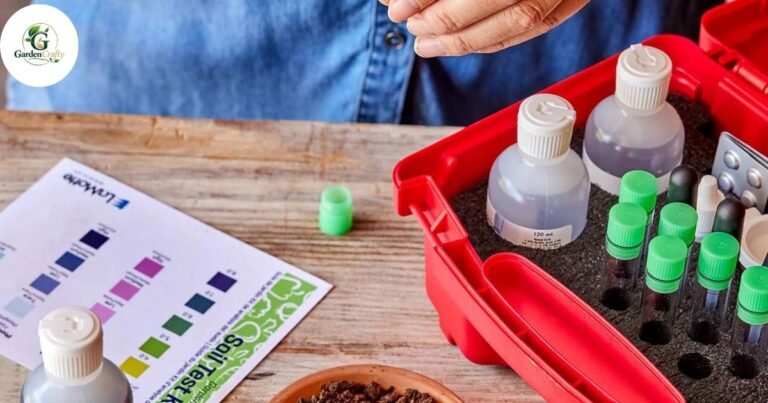
- Soil testing for severe compaction is essential for anyone serious about optimizing land use and enhancing plant health. By confirming deep compaction, professionals can uncover hidden layers that impede root growth and water movement.
- Each soil layer functions as a distinct environment; identifying problem layers allows for tailored interventions that go beyond surface solutions. Without proper testing, one might mistakenly treat symptoms while ignoring the root cause.
- This insight can guide proper treatment, whether that involves mechanical aeration, organic amendments, or other remediation techniques. Understanding the specific compaction levels can lead to more effective land management strategies, enabling farmers and gardeners alike to reclaim the vitality of their soils and achieve healthier ecosystems.
Related Guides to Fix Compacted Soil
Since compacted soil often leaves lawns thin and patchy, our guide on the Benefits of Overseeding covers how introducing new seed can thicken turf and improve resilience once your soil structure is back on track.
If you’re wondering whether your grass can fill in bare, compacted patches on its own, our guide on Will Grass Spread on its Own breaks down which grass types recover naturally through rhizomes and runners versus which ones need reseeding.
And since weak, compacted grass often loses ground to opportunistic weeds, our guide on How to Get Rid of Clover can help you deal with one of the most common invaders in stressed lawns.
conclusion
Compact soil is crucial for anyone involved in construction, landscaping, or agriculture. This type of soil can negatively impact water drainage, root growth, and overall plant health.
By recognizing the signs of soil compaction and implementing proper practices such as aeration and organic amendments, we can restore soil vitality. It’s essential to stay proactive in maintaining healthy soil to ensure successful gardening and sustainable land use.
FAQs
How to make Compact Soil?
Compact soil,proper moisture content. Soil that is too dry or too wet can hinder compaction. Ideally, the soil should feel slightly damp, similar to a sponge that has been wrung out.
How to identify Compacted Soil?
Identifying compacted soil is essential for maintaining healthy plant growth and preventing issues in landscaping and gardening. One of the simplest methods is to examine the soil’s texture and structure. Compacted soil tends to feel dense and hard, making it difficult to penetrate even with a garden spade.
What can I use to Compact Soil?
To compact soil effectively, one of the most common methods is using a soil compactor or plate compactor. These machines apply force to the ground, reducing air pockets and increasing soil density.
How to get 95% Compaction?
95% compaction requires careful selection of equipment and materials, as well as meticulous attention to technique during the compaction process. First, it’s essential to choose the right type of compactor. It’s a vibratory plate, roller, or hand tamper, depending on the material being compacted and the area’s size.
What causes Soil Compaction?
Soil compaction occurs primarily due to the application of pressure on the soil, which reduces its pore spaces and increases density. This can happen naturally through factors such as heavy rainfall or the weight of walking animals, but it is often exacerbated by human activities. Construction equipment, vehicles, and foot traffic can all contribute to compacted soil.