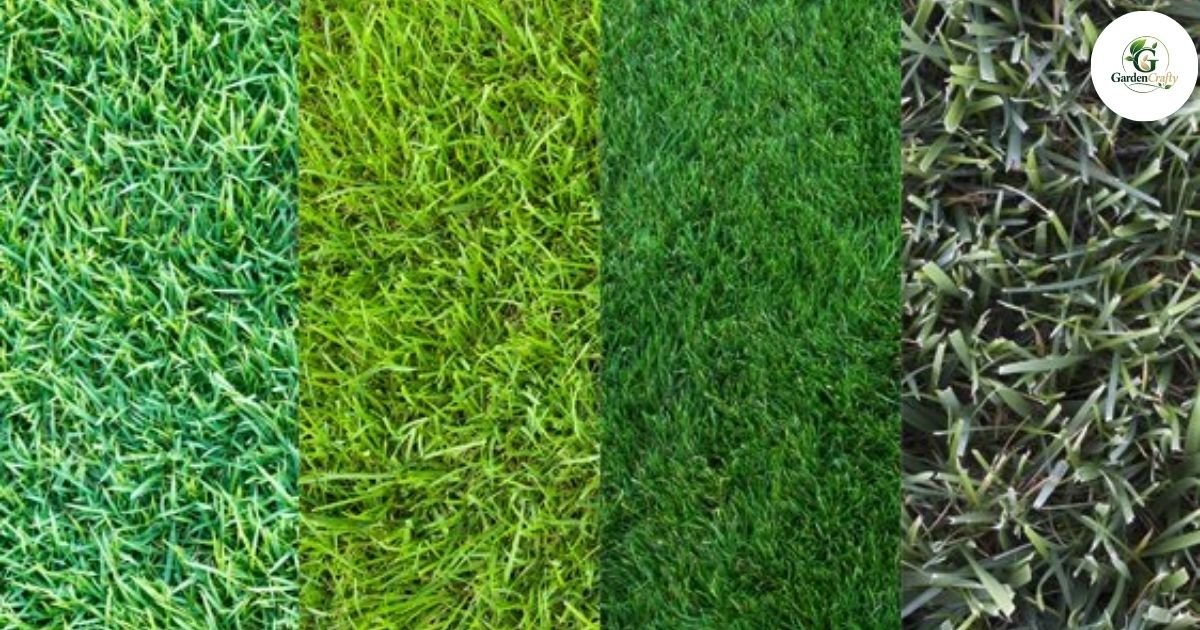
What Kind of Grass Do I Have? A Simple Guide to Identify Your Lawn
Many homeowners overlook this crucial step, unaware that proper identification can dramatically improve their lawn care routine.
We’ll explore how to easily identify different grass types, What Kind of Grass Do I Have why it matters for your lawn’s health, and the best practices to care for your unique green space. By the end, you’ll be equipped with the knowledge to nurture your lawn like a pro.
How to Identify Your Grass What Kind of Grass Do I Have
Identifying your grass type can transform your lawn care routine into a more effective and rewarding endeavor.
Start by examining the blade width and color; for instance, a fine-bladed grass like fescue often boasts a vibrant green hue, while more coarse types, such as Kentucky bluegrass, display broader blades and darker shades.
Recognizing these visual cues not only helps you pinpoint the specific grass but also informs your maintenance approach, ensuring that you tailor watering and fertilization to its unique needs.
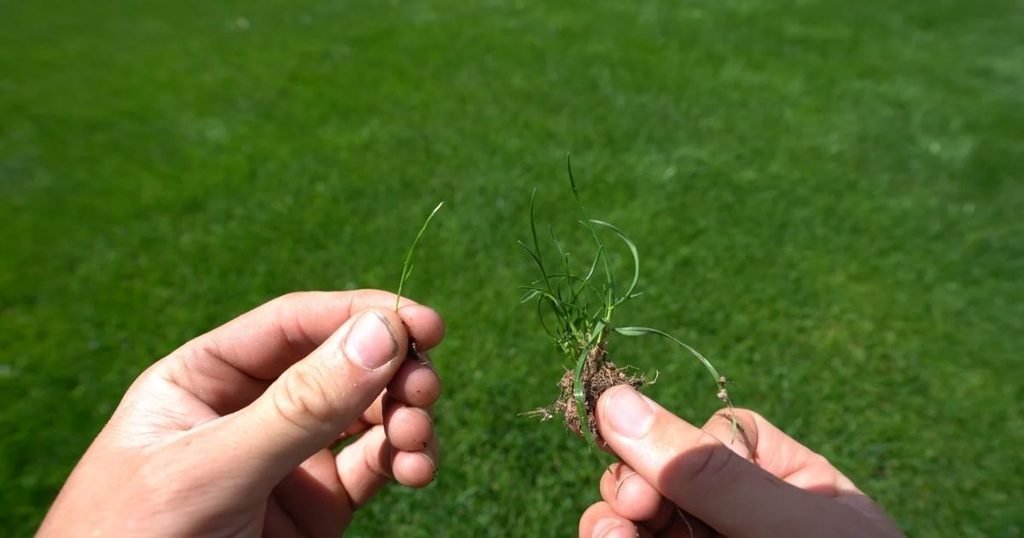
Warm-season grasses thrive in southern climates, typically growing more vigorously in the heat, while cool-season varieties flourish in northern areas, showing robust growth in spring and fall. Understanding whether your lawn boasts a creeping or bunch-type growth can also impact how you mow and manage weed intrusion.
Quick Grass Identification Table
| Feature | Cool-Season Grass | Warm-Season Grass |
| Best growth | Spring & Fall | Late Spring & Summer |
| Winter color | Usually stays green | Usually turns brown/dormant |
| Common regions | Northern & cooler areas | Southern & warmer areas |
| Blade feel | Soft to medium | Medium to coarse |
| Peak growth | Spring & Fall | Summer |
| Heat tolerance | Lower | Higher |
| Cold tolerance | Higher | Lower |
| Common examples | Kentucky Bluegrass, Tall Fescue, Perennial Ryegrass | Bermuda, Zoy |
Know Your Grass Growing Region
Certain climates are ideal for grass growth.
There are three major lawn regions in the United States.
Check out Florida’s greatest grass to grow if you reside in a warm climate.
Cool-season grass regions
Cooler temperature is ideal for the growth of these grasses.
- Kentucky BluegrassCool-season grass
- Prefers cooler weather
- Common in Northern states
- Found in Northeast & Midwest
- Common in Pacific Northwest
- Perennial Ryegrass
- Fine Fescue
- Tall Fescue
Warm-season Grass Regions
Warm temperatures are ideal for the growth of these grasses.
Common in:
- Southern states
- Southeast and Southwest
- Coastal areas
- Areas with hot summers and mild winters
- Regions with a long warm growing season
Examples:
- Bermuda grass
- Zoysia grass
- St. Augustine grass
- Centipede grass
- Bahia grass
Identification clues:
- Usually grows fastest during summer
- Often turns brown or dormant in winter
- Many types spread through runners
- Generally has medium to coarse blades
Transition zone
This region lies between the north and the south.
Transition zone
Located between northern and southern regions
Both cool-season and warm-season grasses can grow
Common examples:
- Tall Fescue
- Zoysia Grass
- Bermuda Grass
Observe Lawn Grass Features What Kind of Grass Do I Have
Take a good look at your lawn.
You can identify the type by small features.
Blade shape
- Blade Shape
- Fine blades: Soft and thin
- Medium blades: Firm
- Wide blades: Coarse
- Blade width helps identify grass type
Blade tip
- Blade Tip Shape
- Pointed tips: Common in Bermuda and Ryegrass
- Rounded tips: Common in St. Augustine
- Tip shape helps with grass identification
Color
- Grass Color
- Blue-green: Often Kentucky Bluegrass
- Bright green: Often Ryegrass or Fescue
- Dark green: Often Zoysia or St. Augustine
Growth pattern
- Growth Pattern
- Spreading grasses: Grow sideways using runners
- Clumping grasses: Grow in upright, dense bunches
- Growth habit helps identify grass type
Growth Habit Types Explained
- Growth Habit
- Stolons: Runners that grow above the soil
- Rhizomes: Runners that grow below the soil
- Bunch-type grasses: Grow in tight clumps
- Bermuda Grass: Spreads through stolons and rhizomes
- Zoysia Grass: Spreads mainly through rhizomes
- Tall Fescue: Grows in bunches
- Growth habit helps identify grass type
Step-by-Step Grass Identification
| If your grass… | Then it is likely… |
| Turns brown in winter and grows fast in summer | Warm-season grass |
| Stays green in winter and grows in spring and fall | Cool-season grass |
| Has wide, coarse blades and grows in the South | St. Augustine or Centipede |
| Has fine blades and spreads with runners | Bermuda or Zoysia |
| Grows in clumps and does not spread | Tall Fescue |
| Has medium-width blades with a boat-shaped tip | Kentucky Bluegrass |
| Has very fine, narrow blades and grows in cool areas | Fine Fescue |
| Spreads aggressively with above-ground runners | Bermuda or St. Augustine |
| Forms dense turf through underground rhizomes | Kentucky Bluegrass or Zoysia |
Step 1: Find your growing zone
Determine whether you reside in a transitional, warm, or cool climate.
Step 2: Look at the grass blades
Verify the shape, color, and width.
Step 3: Check how it grows
There are runners above and below ground in spreading grass.
Tight clumps are how bunch grass grows.
Step 4: Check the vernation
Take a fresh leaf off the stalk.
A rolled leaf is a rolled version.
Folded vernation = folded leaf
What Is Vernation?
The way a new leaf is folded into the stem is called vernation.
When a leaf is plucked out, it appears spherical due to rolled vernation.
When a leaf is folded, it appears flat when it is taken out.
Step 5: Look for auricles
Near the base of the leaf are tiny, ear-like structures called auricles.
Auricles are absent from several lawn grasses.
Small auricles are common on perennial ryegrass.
Typically, fescue has none.
Step 6: Look at the ligule
- Ligule Identification
- Ligule: Small structure where the leaf meets the stem
- Membranous ligule: Thin flap
- Hairy ligule: Fringe of hairs
- No ligule: May be absent in some grasses
- Kentucky Bluegrass: Short membranous ligule
- Bermuda Grass: Hairy fringe
- Zoysia Grass: Small hairs
- St. Augustine Grass: Noticeable hairs
- Useful for distinguishing similar grasses
Using Seed Heads to Identify Grass
- Seed Head Identification
- Seed heads help identify grass
- Bermuda Grass: Finger-like seed heads
- Ryegrass: Tall, narrow seed head
- Kentucky Bluegrass: Loose, open seed head
- Usually appear in late spring and summer
- Useful when blade features look similar
Best Time of Year to Identify Grass
- Best Time for Grass Identification
- Active growth makes identification easier
- Cool-season grasses: Best identified in spring and fall
- Warm-season grasses: Best identified in summer
- Winter: Identification can be more difficult
- Warm regions: Dormant grass may be harder to identify in winter
Grass Identification by Photo (Quick Guide)
- Grass Identification by Photo
- Bermuda Grass: Fine blades, spreads quickly, light green
- Zoysia Grass: Thick, dense, carpet-like growth
- St. Augustine Grass: Wide blades, bright green, coarse texture
- Fescue Grass: Thin to medium blades, clumping growth
- Compare visual traits to narrow down the grass type
Identify Common Cool-Season Lawn Grasses
Cool-season grasses jaise Kentucky Bluegrass, Perennial Ryegrass, aur Fescue thandi mausam mein behtareen ugti hain aur mo’atadil ilaqon ke liye moafiq hoti hain.
Kentucky Bluegrass
- Kentucky Bluegrass
- Fine blades
- Blue-green color
- Spreads through underground stems (rhizomes)
- Forms a thick, dense lawn
Perennial Ryegrass
- Perennial Ryegrass
- Shiny, dark green blades
- Fast-growing
- Commonly used in grass seed mixes
- Fine to medium blade texture
Fine Fescue
- Fine Fescue
- Very thin blades
- Soft texture
- Good shade tolerance
- Best suited to cooler climates
Tall Fescue
- Tall Fescue
- Wide blades
- Deep root system
- Better heat tolerance than many cool-season grasses
- Forms bunch-type growth
Identify Common Warm-Season Lawn Grasses What Kind of Grass Do I Have
Warm-season grasses jaise Bermuda, Zoysia, aur St. Augustine garam mausam mein behtareen ugti hain aur garmi bardasht karne ki salahiyat rakhti hain, jis wajah se yeh garam ilaqon ke lawns ke liye moafiq hoti hain.
Bermuda Grass
- Bermuda Grass
- Fine texture
- Narrow blades with pointed tips
- Thrives in full sun
- Turns brown and becomes dormant in winter
- Spreads quickly with runners
Zoysia Grass
- Zoysia Grass
- Thick, dense, carpet-like growth
- Slow-growing
- Handles foot traffic well
- Forms a strong, dense turf
St. Augustine Grass
- St. Augustine Grass
- Wide blades
- Bright green color
- Thrives in warm coastal areas
- Tolerates some shade
- Coarse-textured growth
Centipede Grass
- Centipede Grass
- Light green color
- Slow-growing
- Low maintenance
- Good for low-input lawns
Other Grass Types You May See What Kind of Grass Do I Have
The more common turf grasses, Buffalograss is a standout in the world of drought-resistant lawns. Native to the Great Plains, this hardy grass thrives in arid conditions, making it ideal for those looking to conserve water without sacrificing aesthetics.
Its lush green appearance during the growing season contrasts beautifully with its innate ability to withstand the stresses of summer heat, showcasing resilience and beauty side by side.
This warm-season grass is particularly prevalent in the Southeastern United States, providing a low-maintenance solution for homeowners and commercial properties alike. Its deep-root system helps bolster its durability and drought resistance, offering a lush landscape despite varying environmental challenges.
Bentgrass serves an entirely different purpose, primarily celebrated on golf courses and fine lawns due to its fine texture and dense growth. It thrives in cooler climates and requires meticulous care, making it a favorite among golf course superintendents aiming to achieve that perfect putting surface.
Its need for consistent moisture and nutrients can present challenges translating to a higher level of maintenance compared to other grass types. Each of these grasses brings unique characteristics to the table, allowing homeowners and landscape designers to select options tailored to their specific needs and regional conditions.
Common Lawn Grasses by U.S. Region
| Region | Common Grasses | Grass Type | Typical Climate |
| Northern States | Kentucky Bluegrass, Ryegrass, Fine Fescue | Cool-season | Cool summers, cold winters |
| Southern States | Bermuda, Zoysia, St. Augustine, Centipede | Warm-season | Hot summers, mild winters |
| Transition Zone | Tall Fescue, Zoysia, Bermuda | Cool & Warm-season | Mixed temperatures |
| Central Plains | Buffalograss, Tall Fescue | Cool & Warm-season | Hot summers, variable winters |
| Coastal South | St. Augustine, Bahia | Warm-season | Warm, humid, coastal climate |
Turfgrass Identification Chart (Quick Help)
| Feature | Cool-Season Grass | Warm-Season Grass |
| Best growth | Spring and fall | Late spring and summer |
| Winter color | Usually stays green | Usually turns brown |
| Common areas | Northern states | Southern states |
| Blade feel | Soft to medium | Medium to coarse |
| Heat tolerance | Lower | Higher |
| Cold tolerance | Higher | Lower |
| Peak growth | Spring and fall | Summer |
| Common examples | Kentucky Bluegrass, Tall Fescue, Ryegrass | Bermuda, Zoysia, St. Augustine, Centipede |
How to Identify Your Grass Using Photos
To accurately identify your grass type, start by taking a close photo of one blade. This close-up can reveal key characteristics like the blade’s color, texture, and shape, which are essential for proper identification.
Pay attention to unique features such as the blade’s width and growth patterns. This microscopic view serves as a foundation for your analysis.
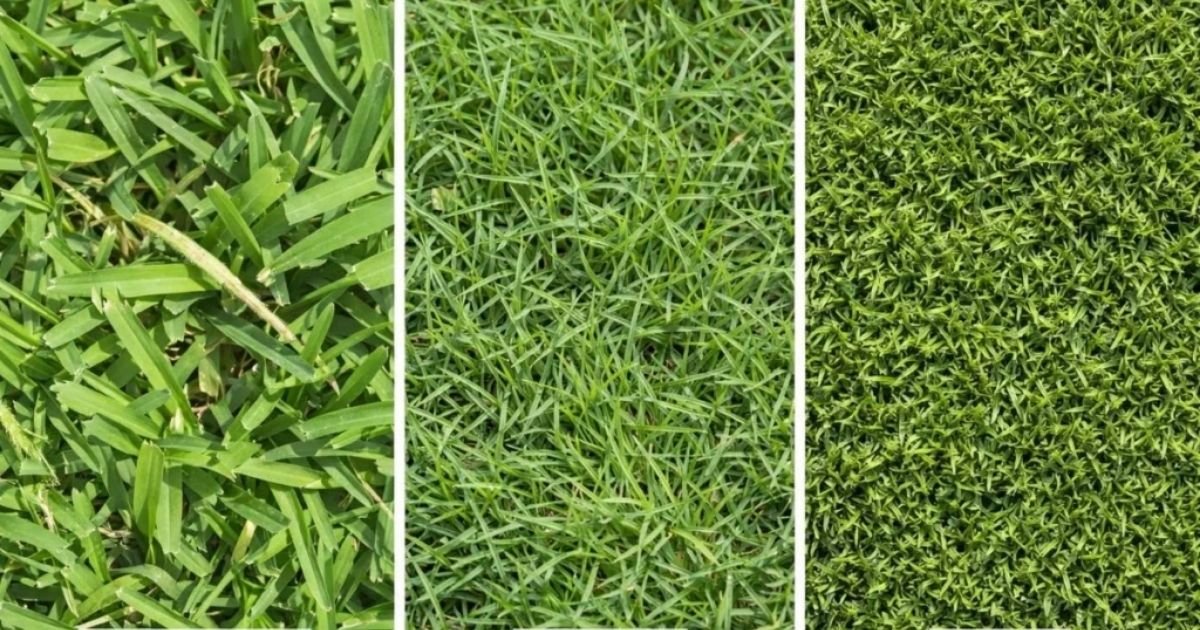
Capture a photo of the full lawn. This wider perspective reveals the grass density and growth habit, helping to distinguish between types that may appear similar when examined individually. For instance, is your lawn a lush carpet or a sparse patch?
Don’t overlook that pivotal moment where grass meets the soil. Taking a photo along the edges of your lawn can unveil clues about root systems and soil health.
How to Use a Grass ID App?
- Take a close, clear photo of one grass blade.
- Take a photo of the whole lawn.
- Photograph the grass from different angles.
- Capture the blade tip, base, and growth pattern if possible.
- Upload the photos to a plant or grass ID app.
- Check the app’s top identification results.
- Compare the result with blade width, color, runners, and growth habit.
- Check whether the grass matches your region and growing season.
- Use more than one photo or app if the result is uncertain.
- Use visual checks to confirm the final identification.
When to Ask for Expert Help
Sometimes grass identification is still difficult.
- Your lawn looks different in each area
- Grass traits do not clearly match one type
- You want confirmation before reseeding or renovation
- You are unsure whether the grass is cool-season or warm-season
- Your lawn contains multiple grass types or weeds
- You are planning major lawn replacement or renovation
- The grass is declining and you are unsure whether the problem is the grass type or a soil, watering, or disease issue
Why Identifying Your Grass Type Is Important
Knowing your grass type helps you:
- Water correctly
- Use the right fertilizer
- Mow at the right height
- Prevent disease and weeds
- Choose the right grass seed for overseeding
- Identify the best watering and mowing schedule
- Know when to fertilize or aerate
- Choose suitable pest and weed control methods
- Save money and time
- Keep your lawn healthy, dense, and attractive
Common Grass Identification Mistakes to Avoid
- Guessing grass type based on color alone
- Using fertilizer without knowing the grass type
- Overseeding with a different grass than what already exists
- Mowing too short for the grass you have
- Using weed killer that is not safe for your grass
- Ignoring the grass’s growing season
- Confusing weeds with different grass varieties
- Identifying grass from only one small area
- Relying on a grass ID app without checking the result
- Choosing seed based only on appearance instead of climate and growing conditions
Common Mistake: Guessing Grass Type Too Early
- Blade shape and width
- Blade color and texture
- Growth pattern
- Presence of above- or below-ground runners
- Growing season
- Your regional climate
Discover More Lawn Care Tips
- What Is Compact Soil? explains why soil hardens over time and how it affects root growth, drainage, and overall lawn health.
- Zoysia Grass: Seed Selection, Types, Best Fertilizer, and Seasonal Planting Tips for a healthy, resilient lawn.
- Natural Weed Killer: Remove Weeds Without Affecting Lawn Grass, using safe, chemical-free methods that keep your yard weed-free without harming healthy grass.
- How Much Grass Seed to Overseed a Lawn: the right seeding rate for thick, healthy grass without wasting seed or smothering existing turf.
Still Not Sure What Grass You Have?
If you’re still not sure what type of grass is thriving in your yard, you’re not alone! One effective strategy is to take a close-up photo of the grass blades.
This simple action can reveal intricate textures, colors, and shapes that are pivotal for identification. When you do this, focus on the blade width, color variations, and growth patterns these features often hold the key to distinguishing between varieties.
Final Thoughts
Identifying the type of grass in your lawn can significantly enhance your gardening experience. By understanding your grass’s specific characteristics and growth requirements, you can tailor your care routine to promote a healthier and more vibrant lawn.
Whether you have the fine texture of Bermuda or the lush feel of Kentucky bluegrass, knowing your grass will empower you to make informed decisions about maintenance, watering, and fertilization.
FAQs
How can I Identify the Type of GrasLawn?
You can identify your grass by examining its color, blade shape, and growth pattern. You may also look for specific features like seed heads or growth habits.
What Common Types of Grass might I find in my Lawn?
Some common types include Kentucky bluegrass, Bermuda grass, fescue, and zoysia. Each has distinct characteristics.
Why is it Important to Know my Grass Type?
Knowing your grass type helps you tailor your lawn care practices, such as watering, mowing, and fertilizing, to ensure optimal growth.
Are there Online Resources for Grass Identification?
Yes, many gardening websites and extension services offer identification tools that include photos and descriptions to help you identify your grass type.
What Tools do I Need for Grass Identification?
A magnifying glass can be useful for examining blade details, while a field guide or mobile app can help compare your grass with identified types.
What Should I do if I can’t Identify my Grass?
If you’re unsure, consider taking a sample to a local garden center or extension office, where experts can help you identify it.