Snow Mold On Grass: What It Is And How To Fix It
Snow mold on grass can wreak havoc if left unchecked, but many homeowners aren’t even aware of its existence until spring. We’ll delve into the causes and signs of snow mold, highlighting the impact it can have on your turf health.
You’ll learn effective remedies and prevention strategies to keep your lawn lush and green, even after the snow melts.
What Is Snow Mold?
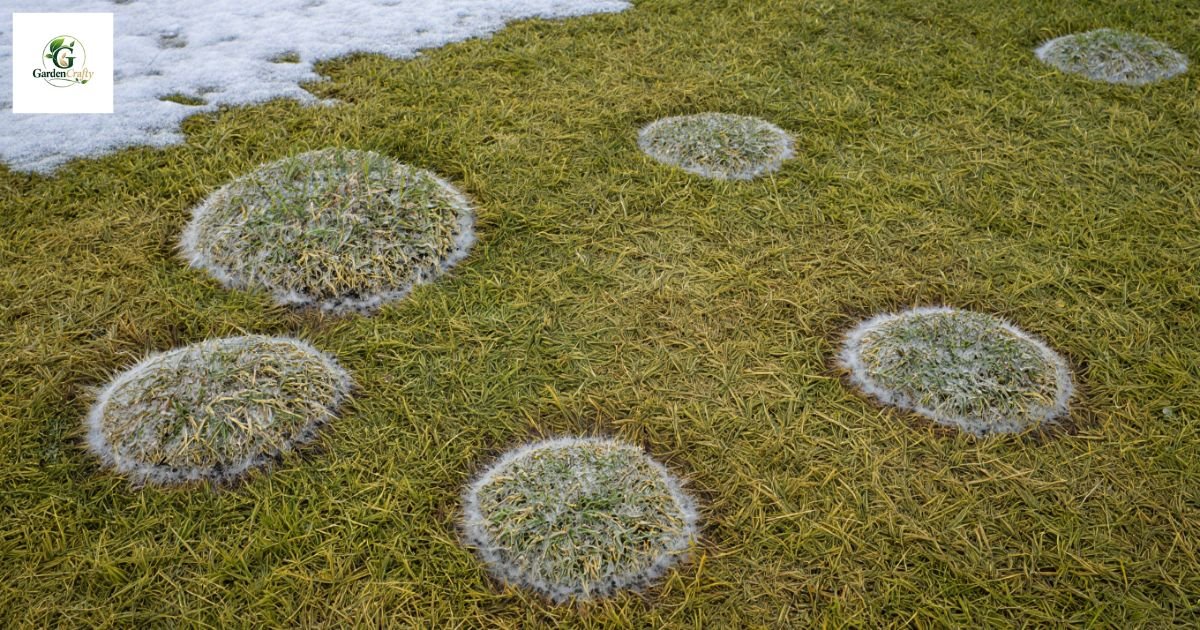
Snow mold is a fascinating yet often overlooked phenomenon that can have a significant impact on your lawn’s health. There are primarily two types: gray snow mold and pink snow mold, each displaying unique characteristics and effects on grass.
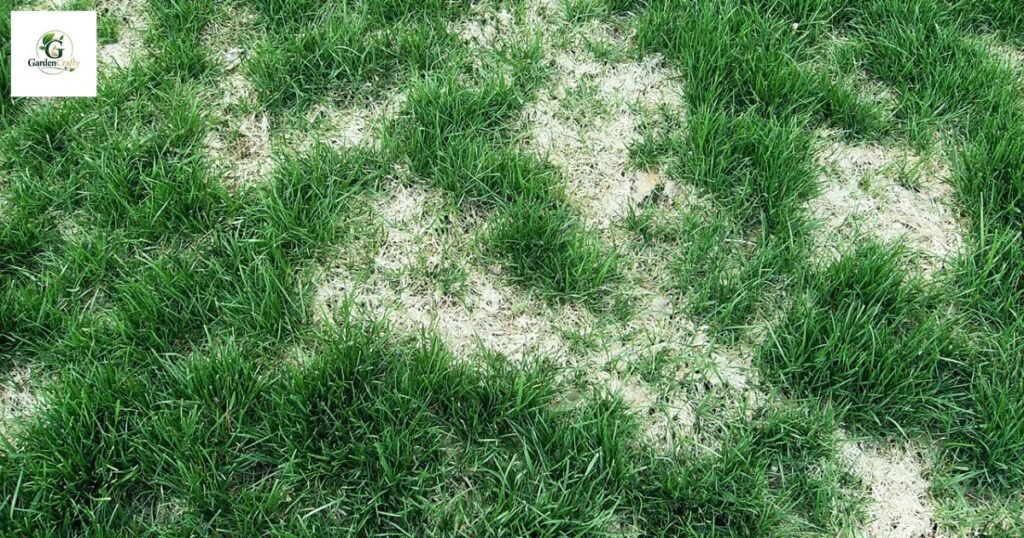
- Gray snow mold, caused by the *Typhula* fungi typically appear as grayish-white patches on the lawn, especially in areas covered by heavy snow.
- Pink snow mold, which thrives in moist conditions, presents as a striking pinkish hue, indicating a different fungal strain at work.
Pink Vs Gray Snow Mold: What’s The Difference?
Pink snow mold and gray snow mold, while both showcasing their pesky presence in late winter and early spring, differ significantly in their appearance and environmental preferences. Pink snow mold, caused by *Microdochium nivale*, thrives in cool, moist conditions, often appearing as vibrant pink or reddish patches on grass.
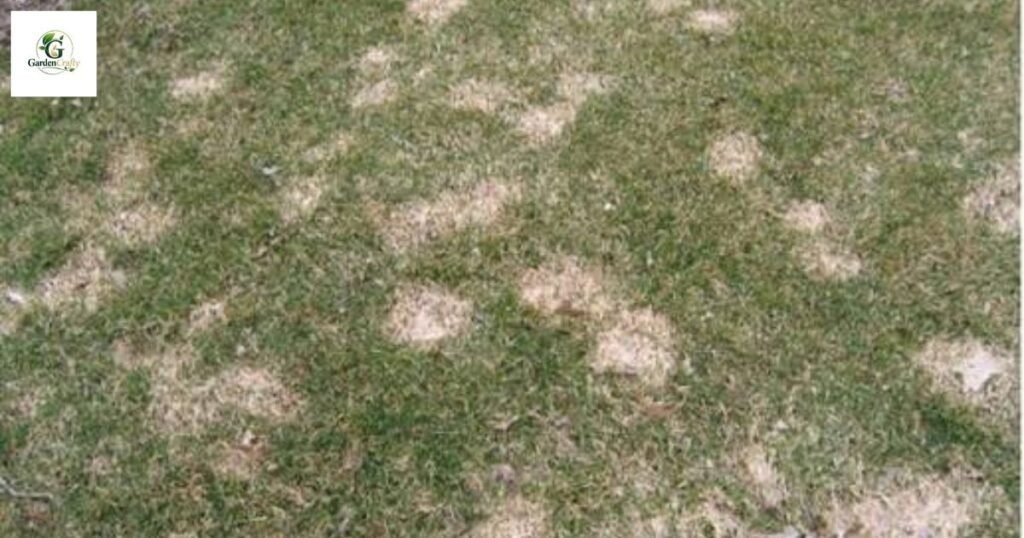
On the other hand, gray snow mold, attributed to *Typhula spp.*, manifests as white to grayish patches and prefers slightly different conditions, thriving in cold, wet areas but also showing resilience to frost.
Quick Snow Mold Comparison
| Feature | Gray Snow Mold | Pink Snow Mold |
| Color | Gray or white patches | Pink or reddish web-like growth |
| Damage Level | Mostly affects grass blades | Can damage grass crown |
| Recovery Speed | Usually recovers naturally | May need overseeding |
| Fungicide Needed? | Rarely needed | Sometimes preventive treatment helps |
| Overall Risk | Mild | Moderate |
Gray Snow Mold
- Light gray or white patches
- Affects grass blades only
- Rarely kills the plant
- Lawn usually recovers on its own
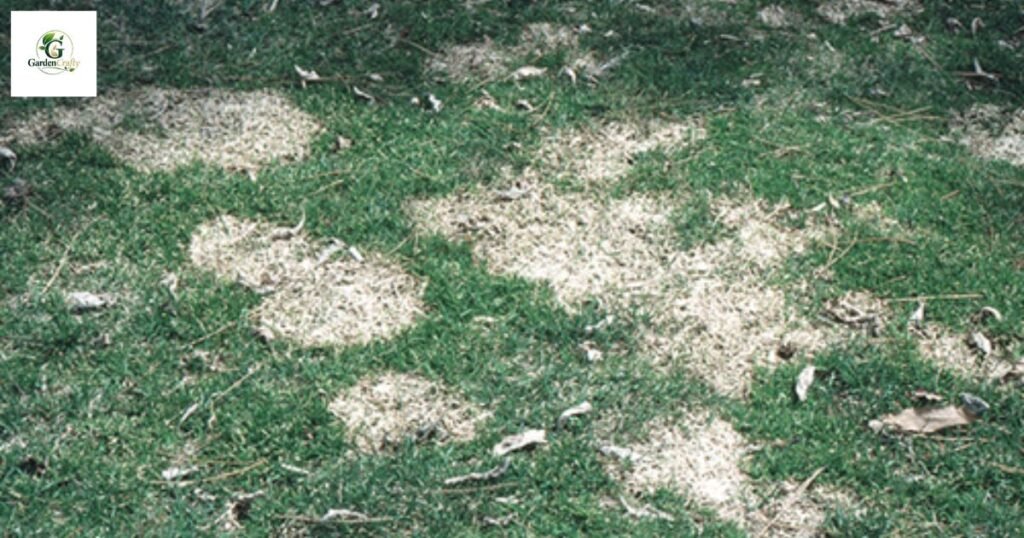
Pink Snow Mold
- Pink or reddish web-like growth
- Can damage grass crowns
- May cause permanent thinning
- May require overseeding
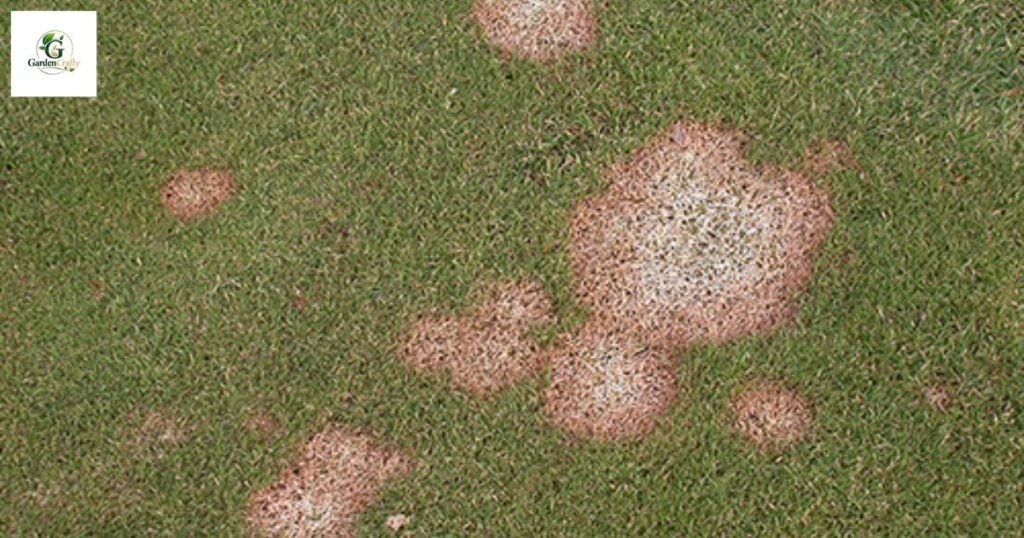
Gray snow mold is mostly cosmetic.
Pink snow mold can be more serious.
In some cases, the pink strands may look similar to red thread fungus, but both diseases develop under very different weather conditions.
How To Identify Snow Mold?
- Identifying snow mold can be crucial for maintaining a healthy lawn. Snow mold symptoms often manifest as circular patches of gray or white, usually appearing in early spring as the snow melts. These patches can range from a few inches to several feet in diameter, giving your lawn a distressed look.
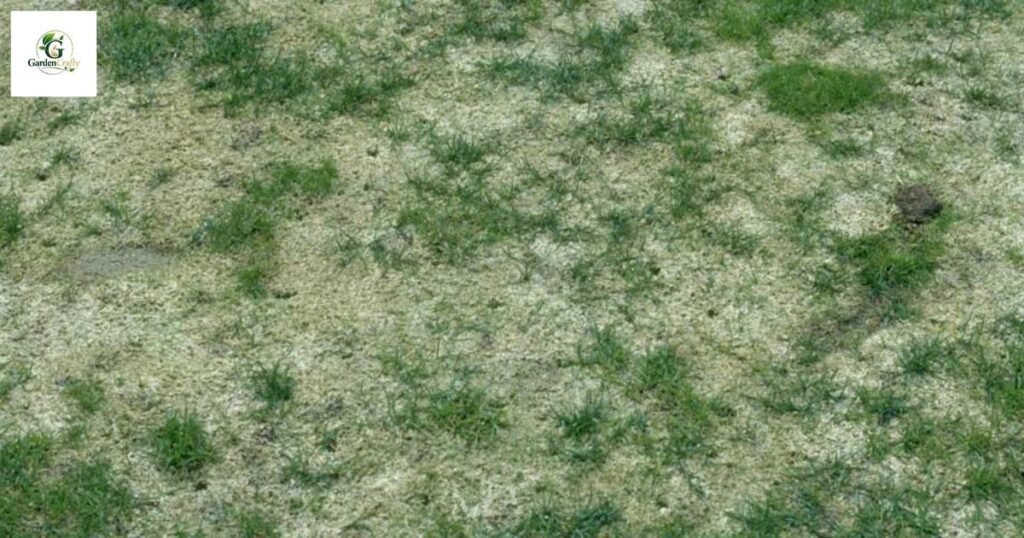
- When examining snow mold on grass, take note of the surrounding environment. If affected areas are consistently damp and shaded, they’re prime candidates for snow mold. The presence of mycelium, a web-like fungal structure, can also confirm its identity.
- Unlike dollar spot, which typically presents as smaller, round lesions of dead grass, snow mold often appears more widespread and fuzzy, leading to confusion between the two.
Quick Scratch Test
Use your fingernail to gently scratch the base of the grass plant.
- If it is green underneath, the grass is alive.
- If it is brown and soft, the plant may be dead.
This simple test helps you decide whether to wait or reseed.
2-Second Identification
- White or pink patches after snow melts
- Grass looks matted and flat
- Appears in early spring
- Usually does not kill grass
Is Snow Mold Killing My Lawn?
- Snow mold damage can often leave homeowners perplexed as winter fades and spring begins. This fungal menace comes in two varieties: gray snow mold and pink snow mold.
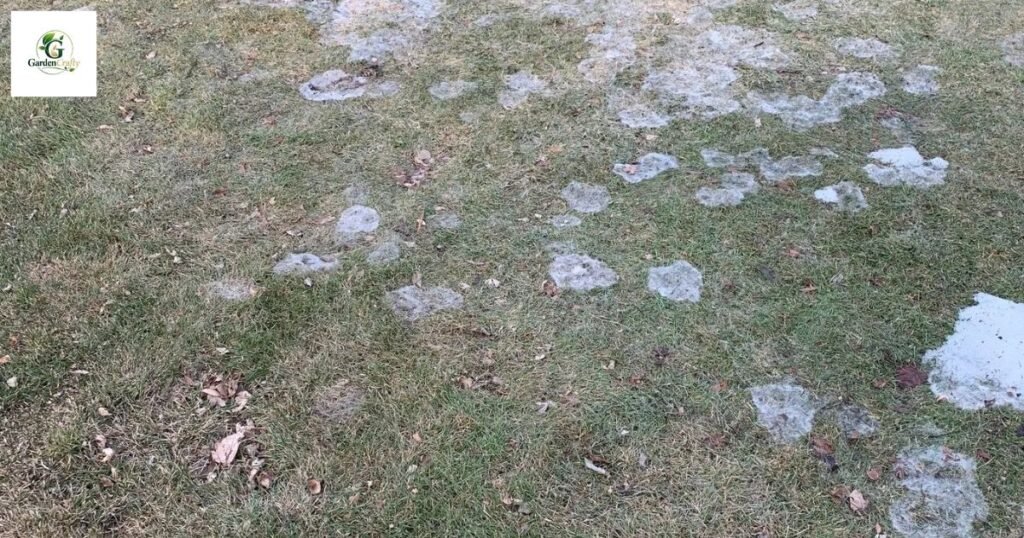
- If your lawn is showing signs of gray or pink snow mold, the first step is recognizing that this issue is often symptomatic of underlying conditions, such as environmental stress or improper winter lawn preparation. Air circulation and proper drainage play crucial roles in combating these fungi.
Do I Need To Worry?
You likely do NOT need major repair if:
- The grass crown is still firm
- Patches are small (under 12 inches)
- Your lawn was healthy before winter
- Weather is warming steadily
You may need repair if:
- Large areas remain dead after 4–6 weeks
- The grass crown is brown and soft
- Pink mold covered wide sections of lawn
What Causes Snow Mold?
This lawn disease primarily emerges from two types of fungi: *Microdochium nivale* and *Typhula spp.*, which sprawl across grass and can cause unsightly patches. These fungi remain dormant in the soil but awaken when temperatures hover just above freezing, particularly in wet, shaded areas.
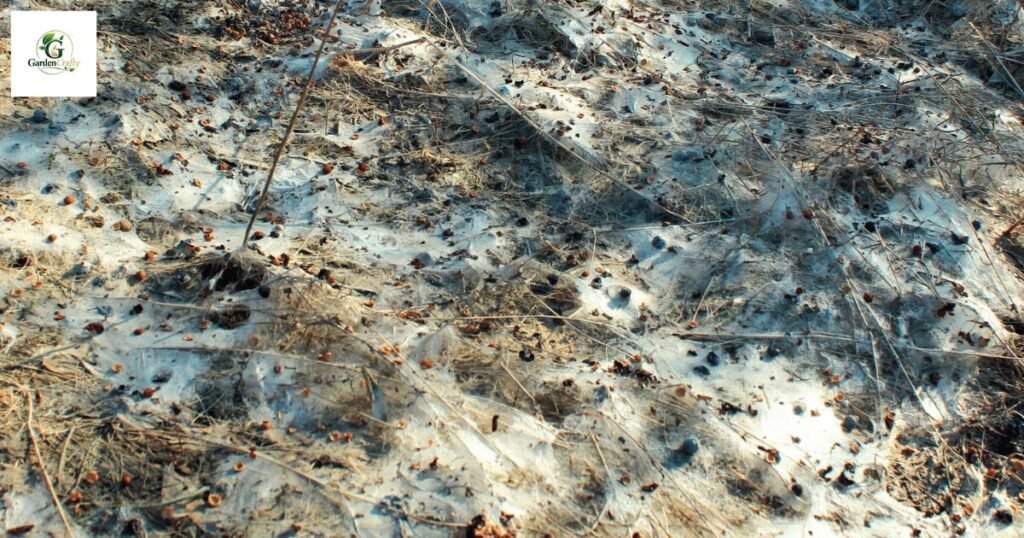
To prevent snow mold, homeowners can take proactive steps in the fall by ensuring their lawns are properly aerated and not overly saturated before the snow arrives.
Environmental Factors That Increase Snow Mold Risk
- Snow mold risk factors are intricately linked to specific environmental conditions that create a perfect storm for this resilient fungal threat. One such factor is the presence of snow cover for extended periods, especially in late winter or early spring when temperatures fluctuate around freezing.
- Under these conditions, snow acts as a blanket that traps moisture and promotes the growth of snow mold. Fields and lawns that are poorly drained or have compacted soil are particularly susceptible, as excess moisture remains stagnant, creating an ideal breeding ground for fungal pathogens.
Grass Types Commonly Affected
- Kentucky bluegrass is a favorite among homeowners for its lush, dense growth, but it’s not immune to challenges like drought and diseases such as dollar spot. This grass type thrives in cool climates, yet its shallow root system can struggle during hot, dry spells.
- Perennial ryegrass, often favored for quick patches and overseeding, is susceptible to wear and tear. Its fine texture and rapid establishment can be a double-edged sword; while it fills in quickly, it may struggle under heavy foot traffic or extreme temperatures.
- Fine fescue varieties excel in shade and are excellent for low-maintenance lawns, but they tend to be less tolerant of heat, making them sensitive during scorching summers.
- Tall fescue offers resilience against drought, thanks to its deep root structure, yet it can be prone to fungal infections if not properly managed. This adaptability makes it a popular choice for transitional zones, but its coarse texture may not appeal to everyone.
How To Fix Snow Mold On Grass (Step-By-Step)?
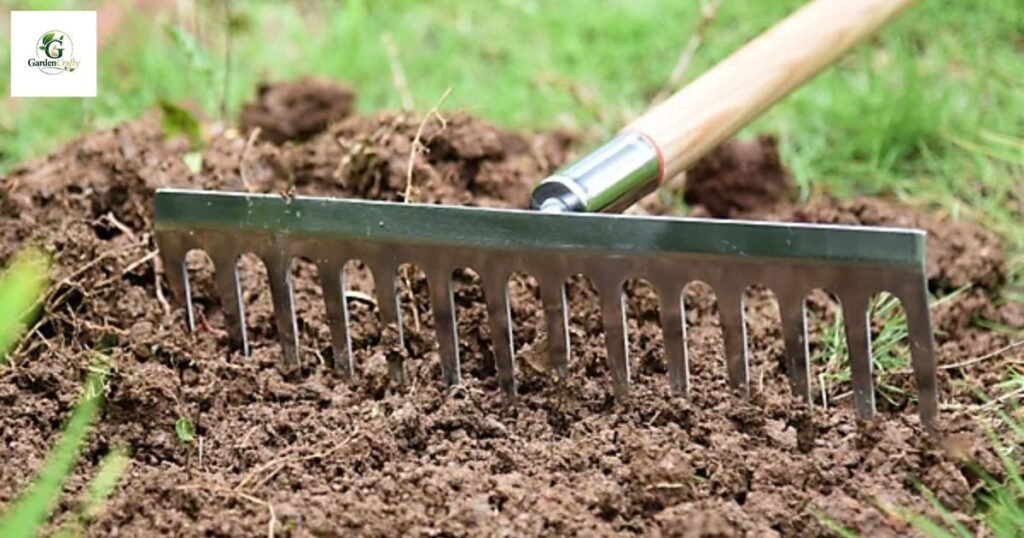
To effectively tackle snow mold on your grass, start by assessing the extent of the damage. Utilize a rake to gently loosen the affected turf, allowing air circulation to aid recovery. This step also helps to break up any matted clumps where mold thrives.
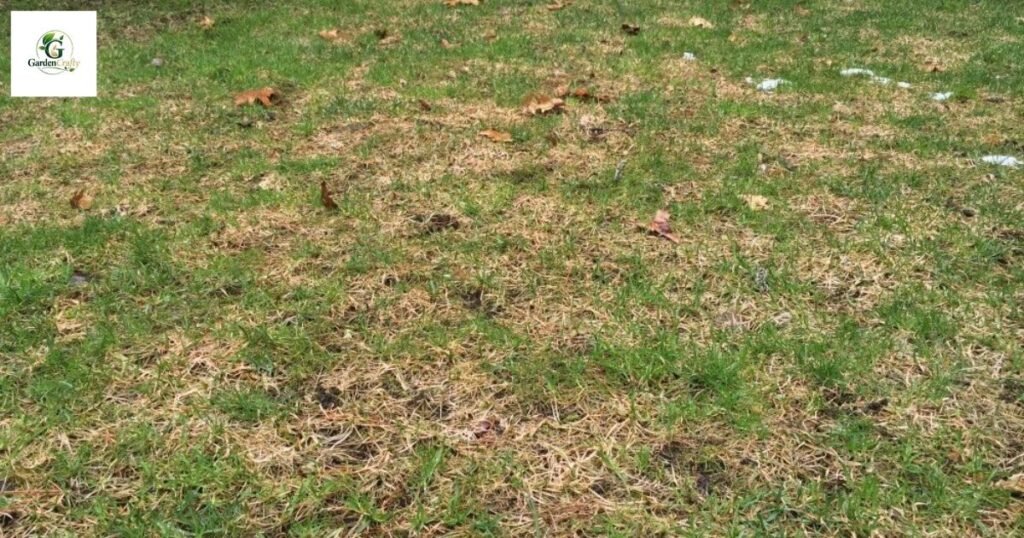
Following this, apply a quality lawn fertilizer that promotes recovery, preferably one low in nitrogen, as high nitrogen can encourage further mold growth.
Step 1: Lightly Rake The Area
Lightly raking the area serves as an essential first step in rejuvenating your outdoor space, transforming it into a canvas for beauty. As you glide the rake over the soil, think of it as breathing life into the earth.
This simple act not only clears away debris and leaves but also stimulates the top layer of soil, promoting better aeration.
Step 2: Let It Dry
While it may be tempting to rush the process, patience pays off. During drying, materials undergo transformations that enhance durability and appearance. For instance, paint often deepens in color as it sets, revealing nuances that were initially hidden. This period is also when adhesion improves, ensuring that your hard work sticks.
Step 3: Wait Two To Three Weeks
The waiting period of two to three weeks might feel like an eternity, yet it is a crucial phase that allows the universe to align with your intentions. During this time, it’s important to practice patience and trust in the process.
Step 4: Overseed Bare Spots
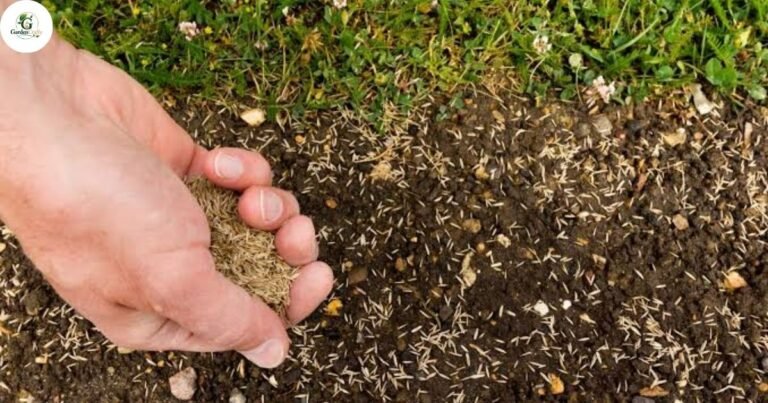
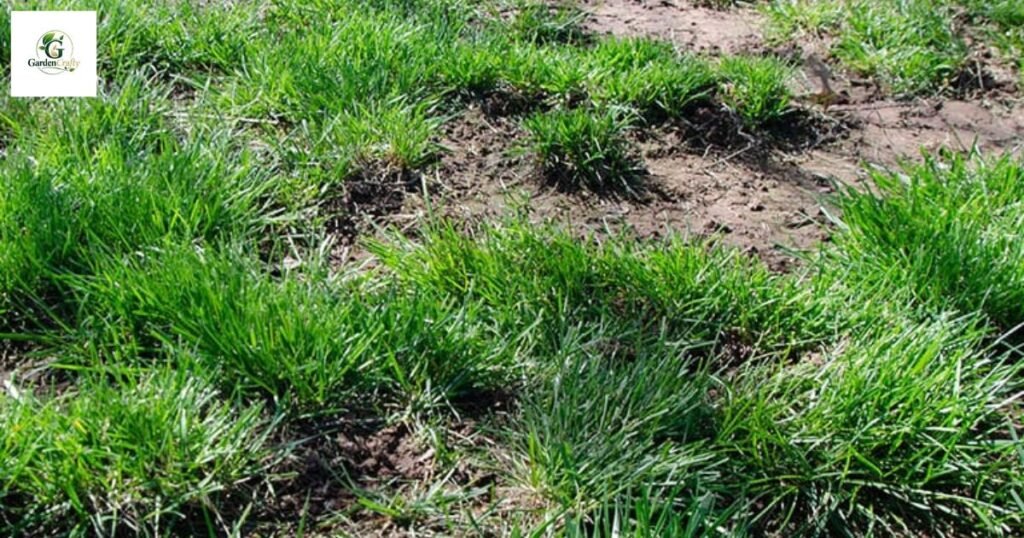
Overseeding bare spots in your lawn not only revitalizes its appearance but also contributes to a healthier ecosystem. When you sprinkle some seeds over these sparse areas, you’re not just filling in gaps; you’re encouraging biodiversity.
Mixing native grass varieties that thrive in your local climate for a more resilient garden. This approach helps in minimizing pest issues and reducing the need for synthetic fertilizers.
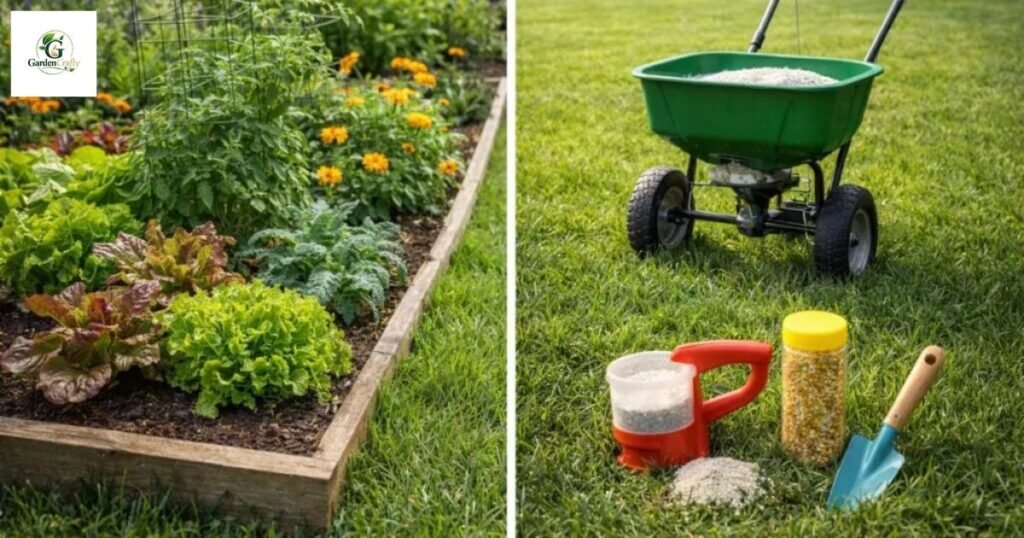
Step 5: Apply Light Spring Fertilizer
As the natural rhythm of spring unfolds, applying light spring fertilizer is a game-changer for your garden’s early growth. This step is not merely about feeding plants; it’s an opportunity to nourish the soil ecosystem that sustains them. Opt for a balanced, slow-release fertilizer that contrasts sharply with the high-nutrient spikes of summer.
How To Prevent Snow Mold Before Winter?
To effectively prevent snow mold before winter sets in, maintaining proper lawn care throughout the fall is crucial. An effective strategies is to ensure your grass is mowed to a suitable height around two to three inches before the first snowfall.
This height not only helps the grass to survive the winter months but also minimizes the likelihood of mold developing beneath the snow cover.
Mow To A Moderate Height
Mowing to a moderate height is an art that balances aesthetics with lawn health. Keeping your grass at about 2.5 to 3.5 inches not only enhances its visual appeal but also fosters deeper root growth.
This height shields the soil from excessive heat and prevents weed invasion, as a dense canopy makes it difficult for weeds to thrive.
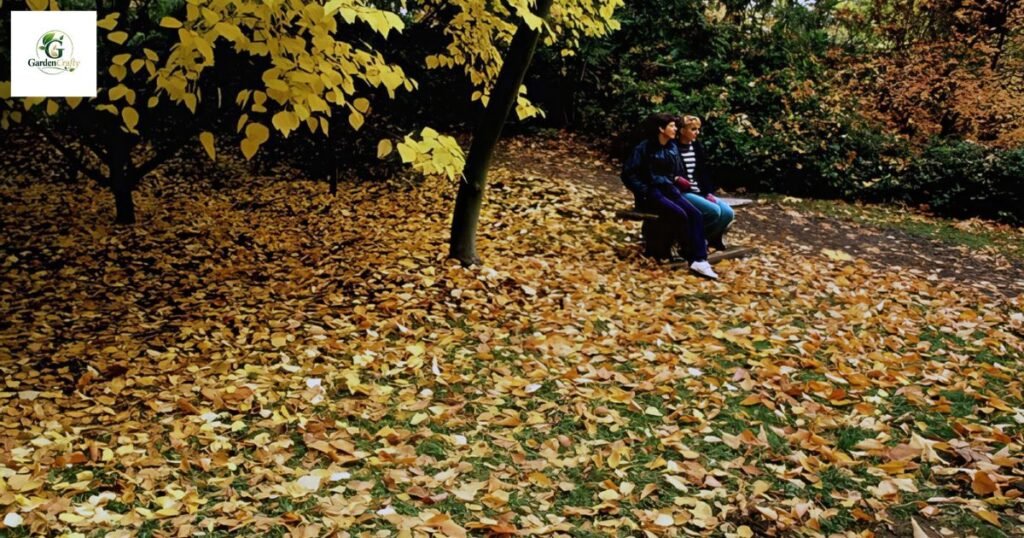
Remove Leaves Often
Removing leaves regularly is more than just a seasonal chore; it’s a vital practice that significantly impacts the health of your garden. Fallen leaves can create a blanket of organic matter that, while rich in nutrients, can also trap moisture and promote diseases like mold and mildew.
By actively clearing away leaves, you not only ensure better air circulation but also foster a healthier environment for your plants to thrive.
Dethatch Or Aerate
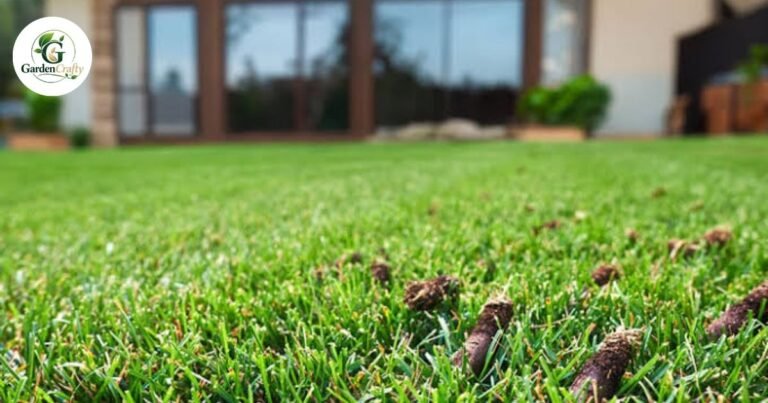
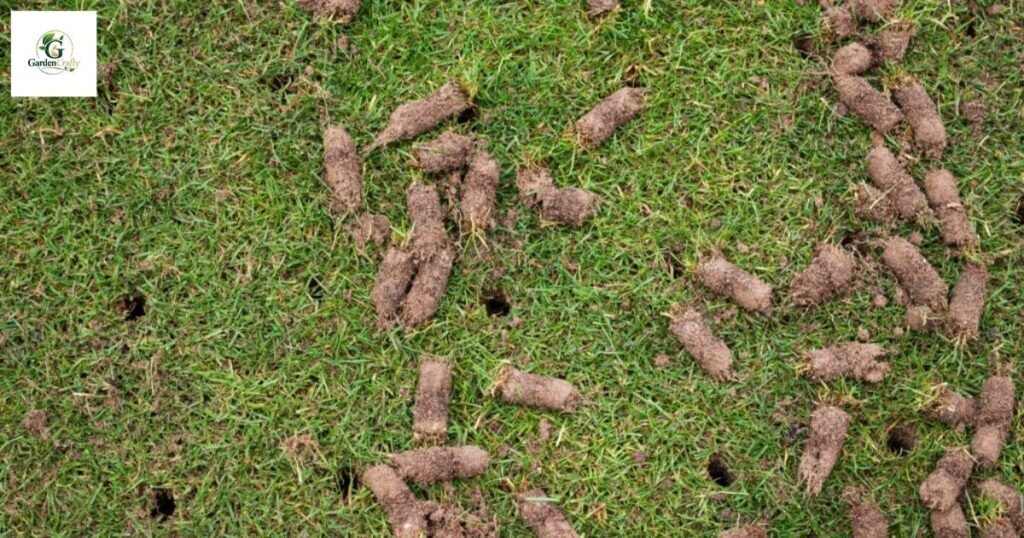
Dethatching removes the layer of organic debris, primarily made up of dead grass and roots, that can suffocate your lawn and inhibit essential nutrients from reaching the soil. Aerating addresses soil compaction by creating small holes, allowing air, water, and nutrients to infiltrate deeper into the root zone.
This process is particularly beneficial for lawns that experience heavy foot traffic or are situated in clay-rich soils, which tend to become tightly packed over time.
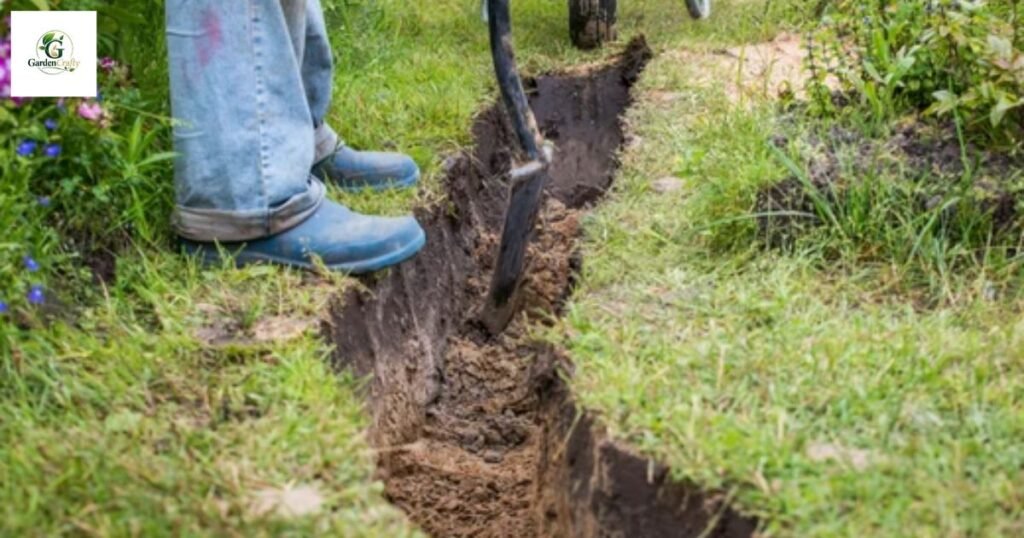
Improve Drainage
Improving drainage involves more than just installing pipes or digging trenches; it’s about embracing the ecosystem of your landscape. Consider natural methods such as rain gardens or bioswales, which not only manage excess water but also enhance biodiversity.
By integrating native plants into these systems, you can create a thriving habitat that attracts local wildlife while providing effective filtration for runoff.
Avoid Heavy Nitrogen Late In Fall
Applying heavy nitrogen in late fall can disrupt the natural rhythms of your garden and lead to unforeseen consequences. While nitrogen is essential for plant growth, too much of it introduced late in the season can stimulate new growth that won’t harden off before winter.
This vulnerable new foliage is susceptible to frost damage, leaving your plants stressed when spring arrives. Instead, a more balanced approach by focusing on phosphorus and potassium, which support root development and overall winter hardiness.
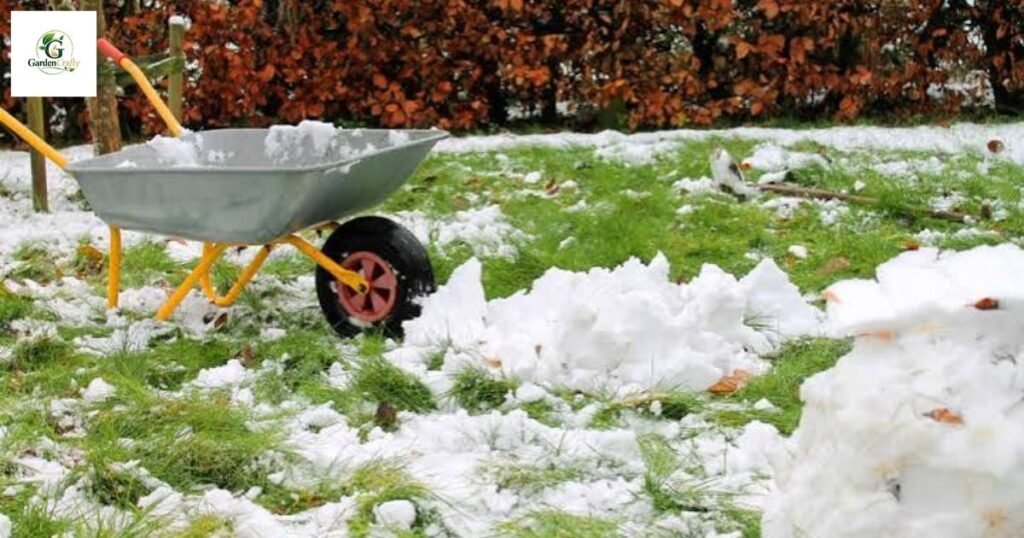
Spread Out Snow Piles
Spread out snow piles can transform a mundane winter landscape into a canvas of creativity and play. Rather than merely clearing pathways, consider using snow banks as an opportunity for spontaneous art installations.
Sculpting figures, building mini forts, or even constructing elaborate snow castles not only brings joy but ignites the imaginations of children and adults alike. This playful approach encourages community involvement, as neighbors join forces to create a winter wonderland that can be enjoyed by all.
Snow Mold Prevention & Recovery Timeline
Snow mold typically appears as melting snow reveals matted, discolored patches of grass in early spring. Prevention starts in fall mow the lawn a bit shorter before the first snowfall, avoid heavy fertilization late in the season, and rake up fallen leaves to reduce moisture buildup.
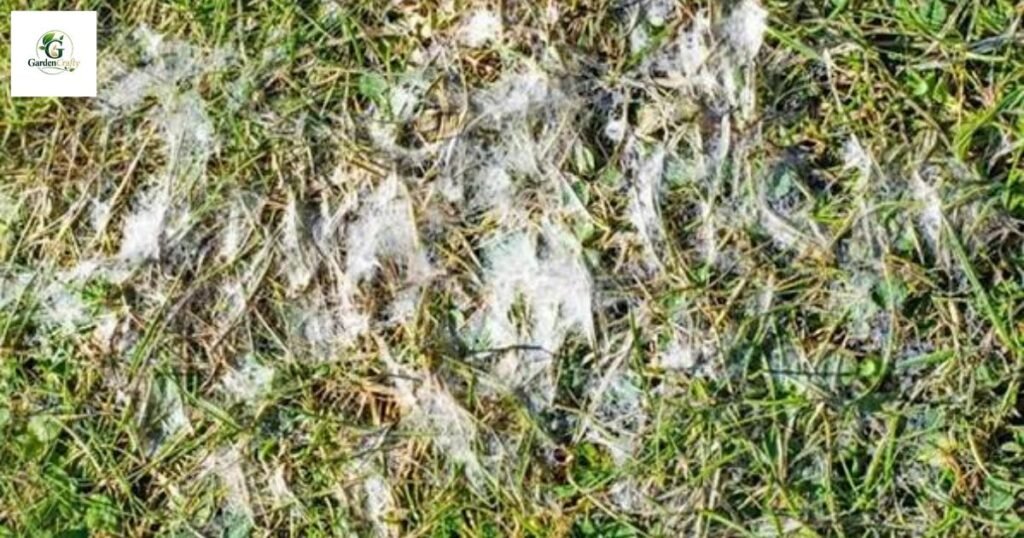
Once snow melts, gently rake the affected patches to loosen matted grass and improve airflow, which helps the lawn recover faster. With proper care, most lawns bounce back within a few weeks as temperatures rise and new growth takes over; severe cases may need reseeding or a light fungicide application.
Fall (Before Snow)
- Remove leaves and debris
- Dethatch or aerate if needed
- Avoid heavy nitrogen fertilizer late in fall
- Apply preventive fungicide if required
Winter
- Avoid piling snow in one spot
- Reduce foot traffic on frozen grass
Early Spring
- Lightly rake matted grass
- Allow lawn to dry naturally
- Monitor for natural recovery
Mid to Late Spring
- Overseed thin or bare spots
- Apply balanced spring fertilizer
Organic And Natural Prevention Methods
- Natural lawn care methods, such as using compost tea and organic fertilizers, enrich the soil’s microbiome, bolstering your grass’s resilience against diseases.
- Adopting organic lawn care techniques not only enhances the health of your yard but also promotes a sustainable relationship with the environment.
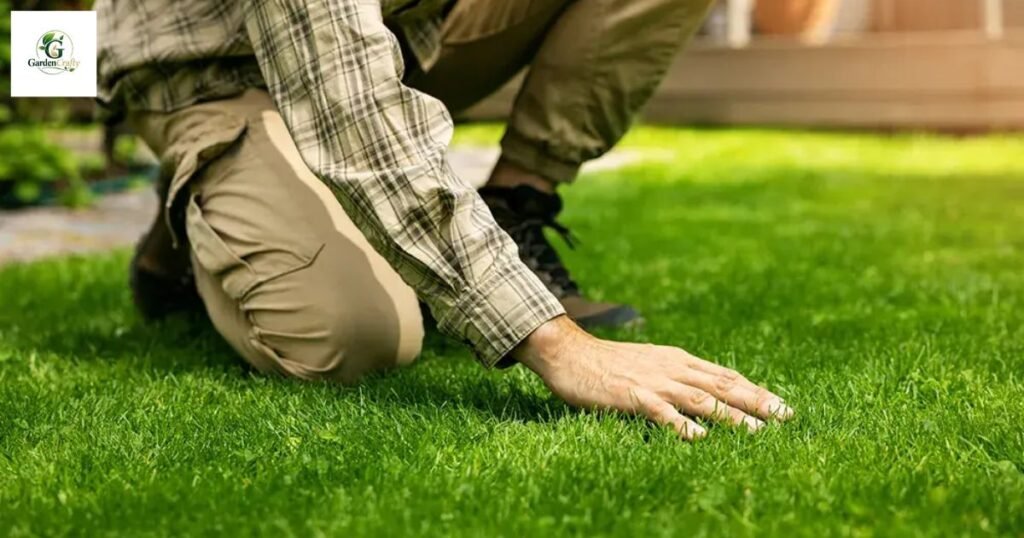
- Implementing a diverse range of grass species can also be a game-changer in lawn disease prevention. By creating a biodiverse environment, you are less likely to experience extensive damage from a single pest or pathogen.
Fungicide Options And Timing
- Propiconazole, a systemic fungicide, is particularly effective against a range of fungal diseases, such as rusts and leaf spots. Application should ideally coincide with early disease onset, as this proactive approach enhances its protective qualities and minimizes the spread of infection.
- Azoxystrobin offers a different mode of action, operating as a protective and curative agent against diseases like powdery mildew and downy mildew. It thrives under high moisture conditions, so timely applications post-irrigation can yield impressive results.
- Chlorothalonil stands out for its broad-spectrum effectiveness and excellent preventive capabilities but should be reapplied every 5-14 days depending on weather conditions. Balancing these fungicides in a rotational strategy not only combats resistance but also enhances the overall health and yield of the crops, making it imperative to tailor applications based on timely observations and local conditions.
Recommended Tools For Prevention And Repair
- A leaf rake not only aids in clearing fallen leaves but also allows for easy cleanup of grass clippings and debris, ensuring your lawn breathes and thrives.
- Pairing this with a dethatching rake can transform your yard; removing the buildup of thatch promotes better water absorption and nutrient flow, leading to stronger grass roots.
- Investing in a lawn aerator is another game-changer in your preventive care toolkit. By creating small holes in the soil, it enhances air circulation and helps roots access essential nutrients, ultimately revitalizing tired grass.
- Once you’ve aerated, a grass seed spreader ensures even distribution of seeds, resulting in a lush, full lawn that invites barefoot strolls and summer barbecues.
- For added flexibility in hydration, a quality garden hose or sprinkler is vital, delivering moisture uniformly keeping your landscape vibrant and resilient against drought.
Common Mistakes That Lead To Snow Mold
- One of the most overlooked culprits behind snow mold is applying heavy nitrogen fertilizer late in the fall. While it might seem like a good idea to give your lawn an extra boost before winter, this practice can encourage lush growth that is vulnerable to mold.
Excess nitrogen fosters tender grass blades that struggle to survive under the snow, creating a perfect environment for fungal growth. - Leaving thick leaves on your lawn can have a similar detrimental effect. As heavy leaf cover traps moisture and prevents sunlight from penetrating, it creates a dark, damp haven ideal for mold spores. Raking or mulching leaves in late autumn not only keeps your yard tidy but also fosters healthier grass by ensuring proper air circulation.
- Compounding these issues, allowing grass to grow too tall before the first snowfall can suffocate the lower layers. A well-maintained height of 2 to 3 inches going into winter can mitigate the risk significantly.
- Also, remember to watch your snow management; piling snow in one spot or walking on frozen turf can crush grass and promote disease too.
- Ignoring drainage issues can lead to prolonged moisture retention, setting the stage for snow mold. If you frequently notice puddles forming in your lawn, consider installing proper drainage solutions to reroute excess water.
Post-Winter Recovery Plan
- As spring emerges, it’s essential to tend to your lawn with a well-structured post-winter recovery plan. Start by raking matted grass to air out the turf and expose it to sunlight, promoting healthier growth.
- Allow drying time for the soil to ensure it’s conducive for other recovery tasks. Once the grass is ready, aerate compacted soil to enhance water and nutrient absorption, creating a lush, inviting landscape.
- After aeration, feed grass properly with a balanced fertilizer tailored to your soil’s needs, ensuring it gets the nutrients necessary for vigorous growth.
- Don’t forget to monitor weak areas of your lawn closely; these spots might require additional care or reseeding. By paying attention to every corner of your yard, you’ll foster an environment that thrives, turning any post-winter gloom into a vibrant oasis.
When Should You Call A Lawn Professional?
- This fungal issue can spread quickly, and addressing it promptly with snow mold treatment by a professional can prevent long-term deterioration of your lawn. Experts have the tools and knowledge to identify the specific type of mold affecting your turf and recommend targeted treatments.
- Investing in professional lawn care not only enhances the aesthetics of your outdoor space but also fortifies the health of your grass, making it more resilient against future threats.
- When to call a lawn professional can save you time and money while ensuring your lawn remains healthy and vibrant. If you’ve noticed signs of severe snow mold damage after winter, it’s a clear signal to seek expert help.
Related Guides for Spring Lawn Recovery
Since the recovery plan above calls for overseeding thin or bare spots once the snow melts, our guide on the Benefits of Overseeding covers how to time your seeding for the best results after a winter setback.
Since dethatching and aeration are both named as key prevention steps, our complete guide to lawn aeration walks through when and how to aerate correctly before the ground freezes.
And since Kentucky bluegrass is specifically called out as one of the grass types affected by snow mold, our guide on Types of Grass can help you confirm whether it’s part of your lawn’s blend before planning treatment.
Conclusion
Snow mold on grass is crucial for maintaining the vitality of your lawn. Recognizing the conditions that foster its growth and taking preemptive actions can significantly reduce its occurrence.
Regularly aerating your lawn, managing moisture levels, and utilizing appropriate fertilizers can create a more resilient landscape. If you do find yourself dealing with a snow mold infestation, don’t hesitate to act quickly with treatments designed to combat this pesky fungus.
FAQs
How to treat Snow Mold on Grass?
Snow mold is a type of fungal disease that can affect grass, particularly in areas with heavy snowfall. To treat snow mold, start by raking and removing any matted grass or debris. This helps improve air circulation, allowing the grass to dry out more effectively.
Is Snow Mold harmful to Humans?
As for humans, snow mold is generally not harmful. The fungi that cause the condition do not typically pose health risks to people, though those with weakened immune systems or allergies might experience mild respiratory issues. It’s always a good idea to practice good lawn care and hygiene to minimize any potential issues with mold in your living environment.
How to get Rid of Snow Fungus?
Snow fungus, often appearing as white or grayish patches on grass, is typically a type of mold that thrives in cool, damp conditions. To effectively get rid of it, start by improving air circulation over the affected areas by mowing your lawn to an appropriate height and avoiding overly dense plantings.
What kills Mold in the Grass?
To kill mold in grass, consider applying a fungicide specifically designed for lawn use. Products containing ingredients like potassium bicarbonate or propiconazole can be effective. Ensuring your lawn is healthy through proper watering and fertilization can make it less susceptible to mold growth.
Why does Snow Mold happen?
Snow mold is a type of fungal disease that typically occurs in the late winter and early spring, particularly under snow cover. It thrives in areas where there’s a thick layer of snow, combined with temperatures hovering around freezing.
What does Snow Mold look like on Grass?
Snow mold on grass typically appears as circular or irregular patches of matted, flattened turf in shades of gray, white, pink, or straw-color. The grass often looks crusty or slimy, and you may notice a fuzzy, web-like fungal growth around the edges of the patches, especially right after the snow melts.