Nitrogen for Grass: What It Does and How to Use It Correctly
The secret often lies in the meticulous use of nitrogen for Grass , a nutrient that plays a critical role in grass growth. Will guide you through the essentials of nitrogen for grass: what it does, why it matters, and how to apply it effectively. Get ready to unlock the lawn potential of your lawn like never before.
Why Is Nitrogen for Grass Important for Lawns
Nitrogen is a fundamental ingredient in nurturing lush, vibrant lawns, as it directly promotes grass growth. It’s not merely a supplement; it plays a pivotal role in the production of chlorophyll, the green pigment that allows plants to harness sunlight.
When your lawn’s nitrogen levels are optimal, you’ll notice a richer, deeper green color, transforming your yard into a verdant oasis.
Nitrogen supports healthy leaf growth, giving your grass the resilience it needs to withstand stress from foot traffic, drought, and pests. A nitrogen-rich lawn can recover quickly from such challenges, ensuring it remains lush and inviting.
By understanding the importance of nitrogen, homeowners can make informed choices about fertilization, leading to not just aesthetic appeal but also a thriving ecosystem that attracts beneficial insects and wildlife. Investing in nitrogen is investing in the long-term health and beauty of your outdoor space.
2-Second Understanding
- ✔ Nitrogen makes grass green
- ✔ Helps lawn grow thicker
- ✔ Supports healthy leaf growth
- ✔ Speeds up recovery after damage
- ✔ Helps maintain a strong, healthy lawn
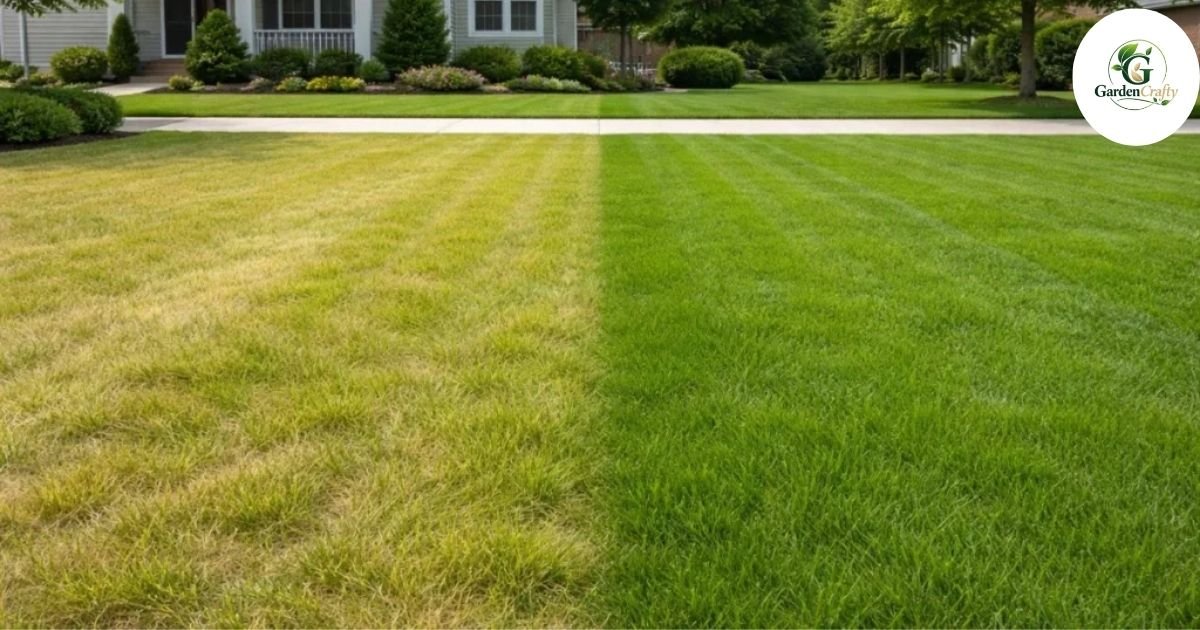
- ✔ Low nitrogen can cause yellow or pale grass
Does Nitrogen Make Grass Green
Nitrogen plays a crucial role in keeping grass lush and vibrant. As an essential nutrient, it directly supports chlorophyll production, the pigment responsible for the rich green color we associate with healthy lawns.
When grass receives adequate nitrogen, it not only appears greener but also grows more vigorously, enhancing its overall resilience to environmental stresses.
It’s important to consider balance; too much nitrogen can lead to rapid growth that weakens the grass, making it susceptible to pests and diseases. Engaging with your soil’s nutrient profile through regular testing can help ensure that nitrogen levels are optimized without risking over-fertilization.
The timing of nitrogen application is key strategically distributing it during the growing season promotes deep green color while minimizing environmental impact. A carefully managed nitrogen regimen transcends mere aesthetics, creating a healthier ecosystem beneath your feet.
Signs of Nitrogen Deficiency in Lawns
- Pale green or yellow grass
- Slow grass growth
- Thin or weak turf
- Poor recovery after mowing
- Deficiency often appears evenly across the lawn
- Patchy yellowing may indicate another problem
- A soil test can confirm nitrogen deficiency
How Much Nitrogen Does Grass Need Per Year
Here are Full explained table with Lawn Type Nitrogen per 1,000 sq ft (Yearly) Best Season Application Approach.
| Lawn Type | Nitrogen per 1,000 sq ft (Yearly) | Best Season | Application Approach |
| Low-maintenance lawn | 1–2 lb | Spring / Fall | 1–2 applications |
| Medium-maintenance lawn | 2–3 lb | Spring + Fall | Split applications |
| High-maintenance lawn | 3–4 lb | Spring–Fall | Several light applications |
| Cool-season grass | 2–4 lb | Mostly Fall | Fall-focused feeding |
| Warm-season grass | 1–3 lb | Late Spring–Summer | Feed during active growth |
Nitrogen for Grass Needs by Common Grass Types
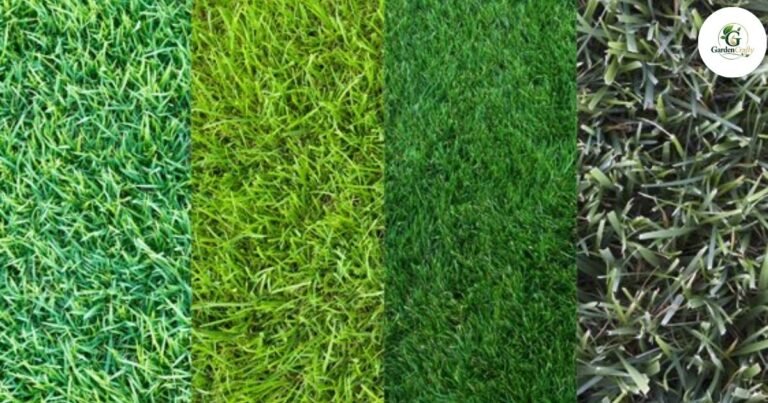
Different grass types have different nitrogen needs depending on their growth rate and season. Warm-season grasses usually need more nitrogen during active growth, while cool-season grasses often require feeding during spring and fall. The way that various grasses react to nitrogen varies.
Cool-Season Grasses
- Kentucky bluegrass
- Tall fescue
- Perennial ryegrass
- Needs about 2–4 lb of nitrogen per 1,000 sq ft annually
- Fall is the main feeding season
- Fall nitrogen supports strong root growth
Warm-Season Grasses
- Bermudagrass
- Zoysia grass
- Centipede grass
- Usually needs 1–3 lb of nitrogen per 1,000 sq ft per year
- Best nitrogen timing is late spring through summer
- Apply nitrogen during active growth
- Centipede grass generally needs less nitrogen
- Too much nitrogen can cause weak or excessive growth
- Avoid heavy nitrogen applications during dormancy
When to Apply Fertilizer With Nitrogen on Your Lawn
Timing is just as important as quantity.
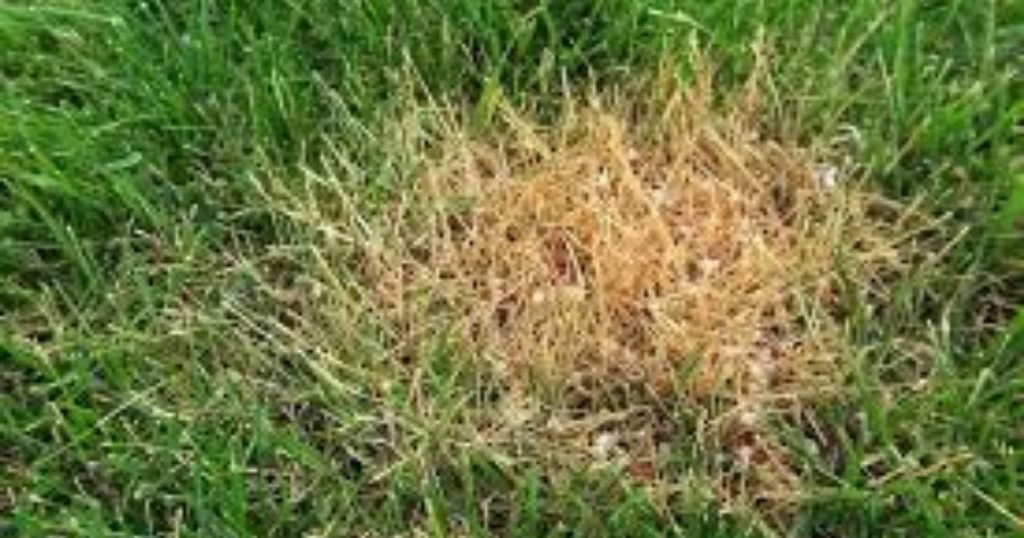
Inappropriate scheduling stresses grass and wastes fertilizer.
Cool-Season Grasses
- Early spring: Apply a light amount of nitrogen
- Fall: Best time for the main nitrogen application
- Fall feeding supports strong root growth
- Helps prepare the lawn for the following growing season
- Avoid heavy nitrogen applications during summer heat
- Split applications can help prevent overfeeding
Warm-Season Grasses
- Late spring: Best time to start nitrogen feeding
- Summer: Apply nitrogen while grass is actively growing
- Wait until grass is fully green before fertilizing
- Avoid fertilizing too early in spring
- Stop nitrogen applications before fall dormancy
- Feed only during active growth periods
Soil Temperature and Nitrogen for Grass Timing
- Soil temperature is more reliable than season names
- Cool-season grasses: Respond around 55°F soil temperature
- Warm-season grasses: Respond around 65°F soil temperature
- Avoid applying nitrogen too early
- Early applications may be wasted when grass is inactive
- Apply nitrogen when grass roots are actively growing
Applying Nitrogen-Rich Fertilizer to Your Lawn
- Always check the fertilizer label
- The first number shows the nitrogen percentage
- 30-0-10 fertilizer contains 30% nitrogen
- Apply nitrogen in small amounts
- About 1 lb of nitrogen per 1,000 sq ft per application is common
- Spread fertilizer evenly to prevent stripes and burn spots
- Water lightly after applying fertilizer
- Avoid applying more than 1 lb of actual nitrogen per 1,000 sq ft at once
- Smaller applications are generally safer for lawns
How to Calculate Nitrogen From Fertilizer Labels
- Fertilizer: 30-0-10
- Nitrogen content: 30%
- Target: 1 lb nitrogen per 1,000 sq ft
- Calculation: 1 ÷ 0.30 = 3.3 lb of fertilizer
- Apply 3.3 lb of product per 1,000 sq ft
- Measure lawn size to avoid over-application
- Understand fertilizer numbers before calculating nitrogen
- Use a fertilizer guide for a full explanation of N-P-K numbers
Too Much Nitrogen in Grass: The Risks of Over-Fertilizing
- Burned or damaged grass tips
- Excessively fast leaf growth
- Weak root development
- More frequent mowing
- Higher risk of lawn diseases
- Excess nitrogen can run off into lakes and streams
- Too much fertilizer does not mean better lawn growth
- Apply nitrogen according to the lawn’s actual needs
Nitrogen Fertilizers for Turf: Which One Is Right for You
Here are Full explained table with Nitrogen Type Speed Burn Risk Best Use Release Pattern Main Benefit.
| Nitrogen Type | Speed | Burn Risk | Best Use | Release Pattern | Main Benefit |
| Quick-release | Fast | High | Fast green-up | Immediate | Rapid color response |
| Slow-release | Slow | Low | Steady growth | Gradual | Longer-lasting feeding |
| Organic | Very slow | Very low | Low-maintenance lawns | Gradual | Gentle nutrient release |
Quick-release nitrogen
- Fast green color
- Quick nutrient availability
- Higher risk of fertilizer burn
- Works quickly when grass is actively growing
- Requires careful application to avoid overfeeding
Slow-release nitrogen
- Feeds grass gradually over time
- Provides steady, consistent growth
- Lower risk of fertilizer burn
- Reduces the chance of excessive growth
- Requires less frequent applications
Organic nitrogen
- Improves overall soil health
- Releases nitrogen slowly
- Provides gradual, steady nutrition
- Lower risk of fertilizer burn
- Works best as part of long-term lawn care
How Long Nitrogen Takes to Work?
Results depend on nitrogen type, weather, soil conditions, and lawn health.
- Quick-release nitrogen:
Visible color change in 3 to 7 days - Slow-release nitrogen:
Color change in 2 to 4 weeks - Organic nitrogen:
Gradual improvement over time - Warm weather and active growth:
Nitrogen usually works faster when grass is actively growing - Adequate watering:
Proper moisture helps nitrogen move into the soil and reach grass roots - Visible green-up vs. growth:
Grass may turn greener before you notice significant new growth
Choosing the Right Nitrogen Type for Your Lawn
When it comes to nurturing new lawns, the choice of nitrogen type can significantly influence establishment and long-term health. Fast-release nitrogen sources, like urea, can give newly sown grass a vigorous start, promoting rapid growth and lush green blades.
For lawns that are already stressed, especially during the scorching summer months, a slow-release alternative may be more beneficial. This allows for a steady supply of nutrients over time, reducing the risk of burning and helping the grass endure heat more effectively.
For summer lawns, balancing nitrogen sources is essential. A blend of quick-release and slow-release nitrogen can provide an immediate boost while ensuring sustained nourishment throughout the hottest days.
Consideration of soil composition also plays a critical role; conducting a soil test can inform the specific nitrogen needs and help in choosing a type that complements existing conditions. Understanding your lawn’s stage whether new, stressed, or summer-ready can guide you toward the most effective nitrogen strategy, leading to a vibrant and resilient outdoor space.
Tips for Success When Using Nitrogen Fertilizers
- Apply during active grass growth
- Avoid fertilizing before heavy rain
- Measure lawn size before applying
- Use a spreader for even coverage
- Follow label directions and application rates
- Water properly after applying, if required by the fertilizer label
- Avoid applying too much nitrogen at once
- Keep fertilizer off driveways, sidewalks, and other hard surfaces
- Store unused fertilizer in a dry, secure place
6 Different Nitrogen Sources for the Lawn
Different nitrogen sources can help your lawn grow greener, thicker, and healthier. Common options include synthetic fertilizers, organic fertilizers, compost, manure, grass clippings, and slow-release nitrogen. Choosing the right source depends on your grass type, soil condition, and lawn needs.Both natural and artificial sources provide nitrogen.
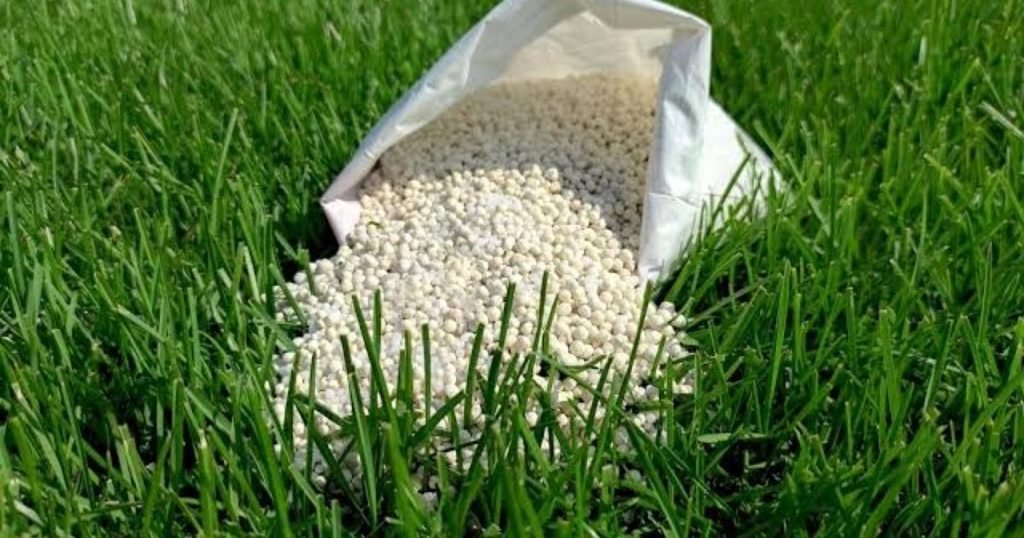
Grass Clippings
Leaving clippings replenishes the soil with nitrogen.
Animal Products
Products made from manure release nitrogen gradually.
Biosolids
Give organic stuff and slow nitrogen.
Commercial Fertilizer
prevalent and simple to manage.
Inorganic Sources of Nitrogen
Quick and accurate.
Urea
high concentration of nitrogen.
requires cautious use.
Smart Lawn Care Solutions
- Difference Between Weeds and Grass comes down to leaf shape and growth grass grows narrow and uniform, while weeds tend to stand out with broader, irregular leaves.
- What Does Bermuda Grass Look Like? It has fine, gray-green blades and a dense, carpet-like growth that spreads quickly via stolons and rhizomes, thriving in heat and full sun.
Conclusion
Nitrogen plays a crucial role in promoting healthy grass growth, enhancing its color and overall vigor. When applied correctly, nitrogen can lead to lush, green lawns that are more resistant to pests and diseases.
It’s important to understand the specific needs of your grass type, as well as the timing and method of application, to achieve optimal results. Regular soil testing can help you determine the right amount of nitrogen to use, ensuring you avoid over-fertilization which can harm the environment. Embrace these practices to create a beautiful, thriving lawn that you can enjoy all season long.
FAQs
What role does nitrogen play in grass growth?
Nitrogen is essential for the synthesis of chlorophyll and amino acids, promoting lush, green growth and overall plant health.
How can I tell if my lawn needs nitrogen?
Indicators include yellowing grass, slower growth, and decreased density. A soil test can provide a more accurate assessment.
What types of nitrogen fertilizers are available?
Common types include urea, ammonium nitrate, and slow-release formulations, each with varying nutrient release rates.
When is the best time to apply nitrogen to my lawn?
Early spring and fall are ideal times, as grass is actively growing and can utilize nitrogen effectively during these seasons.
Is it safe to use nitrogen fertilizers around pets and children?
It’s best to keep pets and children off the lawn for 24-48 hours after application to ensure safety and allow the product to settle.
How often should I reapply nitrogen to my lawn?
Typically, every 6-8 weeks during the growing season is recommended, but consider soil test results for tailored application times.
Can I over-fertilize my lawn with nitrogen?
Yes, over-fertilization can lead to burned grass, environmental runoff, and other issues. Always follow the recommended guidelines.